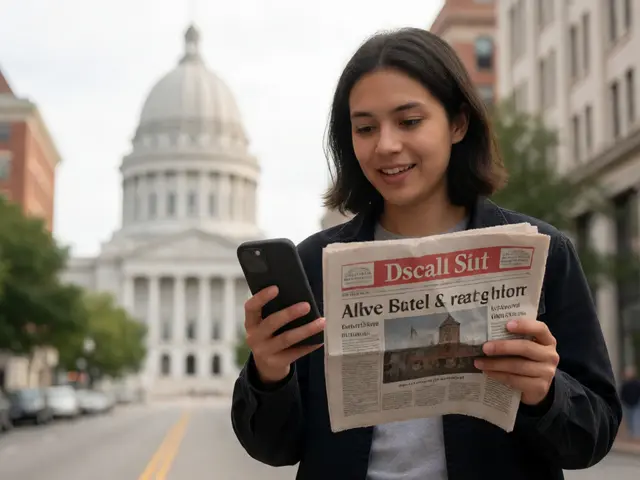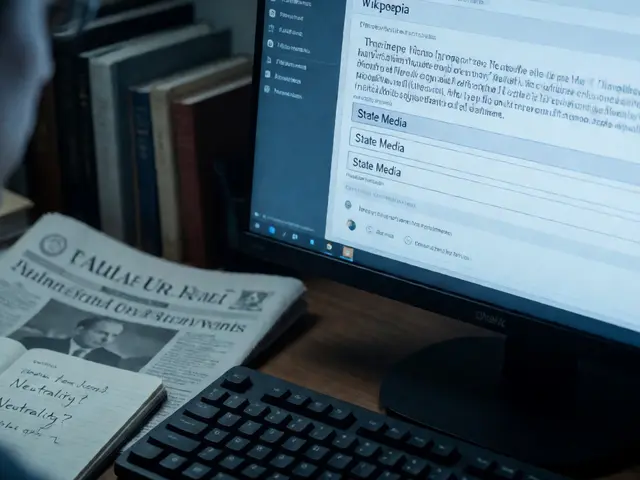
In January 2005, a respected journalist named John Seigenthaler was a prominent American journalist and civil rights activist who co-founded the National Civil Rights Museum in Memphis. He had spent decades reporting on major historical events, from the assassination of Martin Luther King Jr. to the Kennedy administration. But one morning, while checking his own biography on Wikipedia is the free, web-based encyclopedia that allows anyone to edit articles, he found something shocking. The article claimed he was under investigation for involvement in the assassinations of John F. Kennedy and Robert F. Kennedy.
This wasn't just a typo or a minor factual error. It was a deliberate lie, inserted by an anonymous user with no intention of correcting it. For months, this false information sat on one of the most visited websites in the world. When Seigenthaler finally discovered it, he wrote an open letter to Jimmy Wales is the co-founder of Wikipedia who has been a vocal advocate for open knowledge and internet freedom, demanding answers. That moment became known as the "John Seigenthaler Hoax," and it changed how the world viewed online information forever.
The Incident: A Lie That Spread Fast
The hoax started in late 2004 when an anonymous editor added two paragraphs to Seigenthaler's Wikipedia page. These paragraphs suggested that Seigenthaler had lied about being present at the scene of JFK's assassination and that he was connected to RFK's death. The edits were subtle enough to look credible but false enough to damage his reputation significantly.
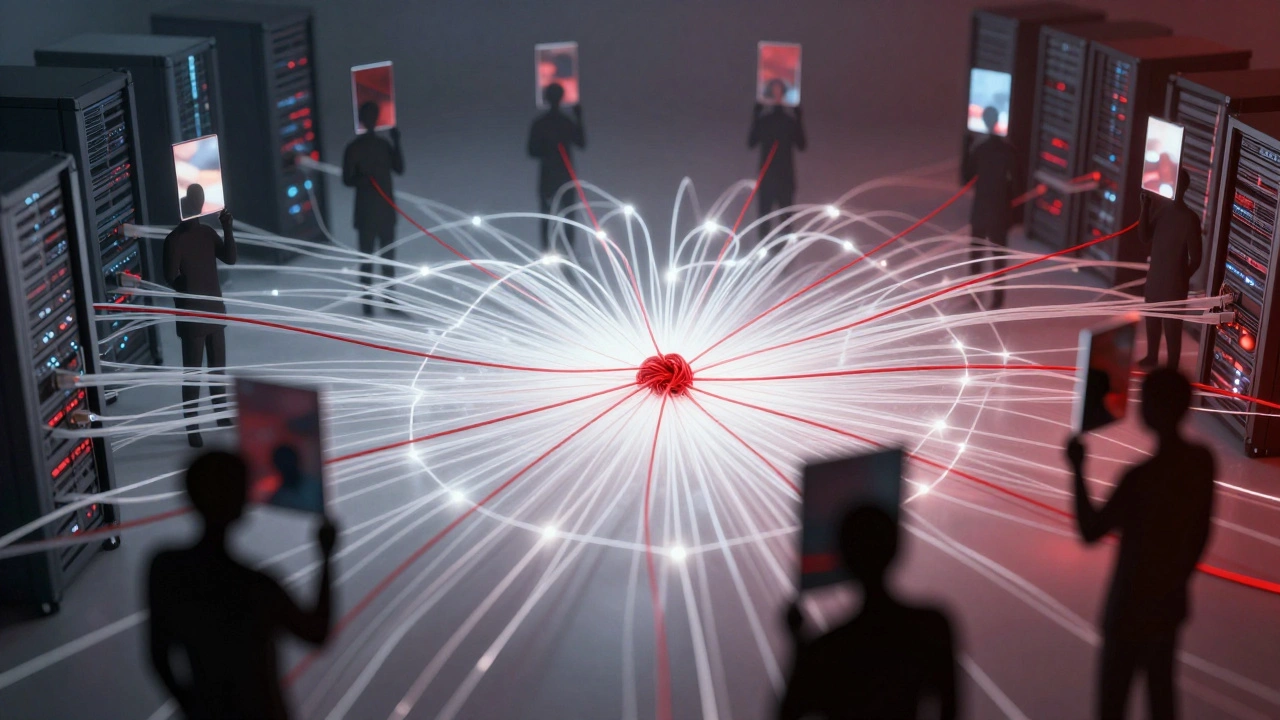
For several months, thousands of people read these lies. Some might have believed them. Others might have shared them without verifying their accuracy. This is the danger of unverified content: once it spreads, it can be nearly impossible to contain.
When Seigenthaler found out, he was furious. He contacted Wikipedia immediately, but the damage was already done. His family members had seen the article. Colleagues had discussed it. And worst of all, the lie had become part of the permanent record unless someone actively removed it.
This incident highlighted a critical flaw in Wikipedia's model at the time: anyone could edit any article, including biographies of living people, without verification or accountability. While this openness allowed for rapid updates and diverse perspectives, it also created vulnerabilities for malicious actors.
Why Did No One Catch It Sooner?
You might wonder why such an obvious falsehood remained undetected for so long. The answer lies in how Wikipedia worked back then. In 2005, Wikipedia had fewer editors than today, and many users trusted the platform implicitly. They assumed that if something appeared on Wikipedia, it must be true.
Additionally, there were no strict rules protecting biographies of living individuals. Editors could add controversial claims without providing sources, and those claims would remain until someone challenged them. Since Seigenthaler's case involved high-profile figures like the Kennedys, it attracted attention-but not necessarily scrutiny.
It took a personal discovery-Seigenthaler himself reading his own page-to expose the problem. Without that direct involvement, the lie could have persisted indefinitely. This underscores the importance of active monitoring and community vigilance in maintaining accurate information.
| Date | Event |
|---|---|
| October 2004 | Anonymous user adds false allegations to Seigenthaler's Wikipedia page |
| January 2005 | Seigenthaler discovers the false information after seeing it referenced elsewhere |
| February 2005 | Seigenthaler writes an open letter to Jimmy Wales criticizing Wikipedia's policies |
| March 2005 | Wikipedia implements stricter guidelines for editing biographies of living persons |
The Aftermath: Policy Changes and Public Debate
Seigenthaler's open letter sparked widespread discussion about the reliability of user-generated content. Critics argued that Wikipedia's open-editing model made it too vulnerable to misinformation. Supporters countered that transparency and collaboration were essential strengths, not weaknesses.
In response, Wikipedia introduced new policies specifically addressing biographies of living persons (BLP). These rules required editors to provide reliable sources for any claim about a living individual, especially negative ones. Unsubstantiated statements were now subject to immediate removal.
This shift marked a turning point for Wikipedia. It acknowledged that while openness was valuable, responsibility mattered equally. By implementing safeguards, the platform aimed to balance freedom of expression with protection against harm.
Other platforms began taking notice too. Social media companies started exploring ways to verify user identities and flag potentially harmful content. Search engines adjusted algorithms to prioritize authoritative sources over crowd-sourced material. The ripple effects extended far beyond Wikipedia itself.
Lessons Learned About Online Reputation
The John Seigenthaler Hoax teaches us several important lessons about managing our presence online:
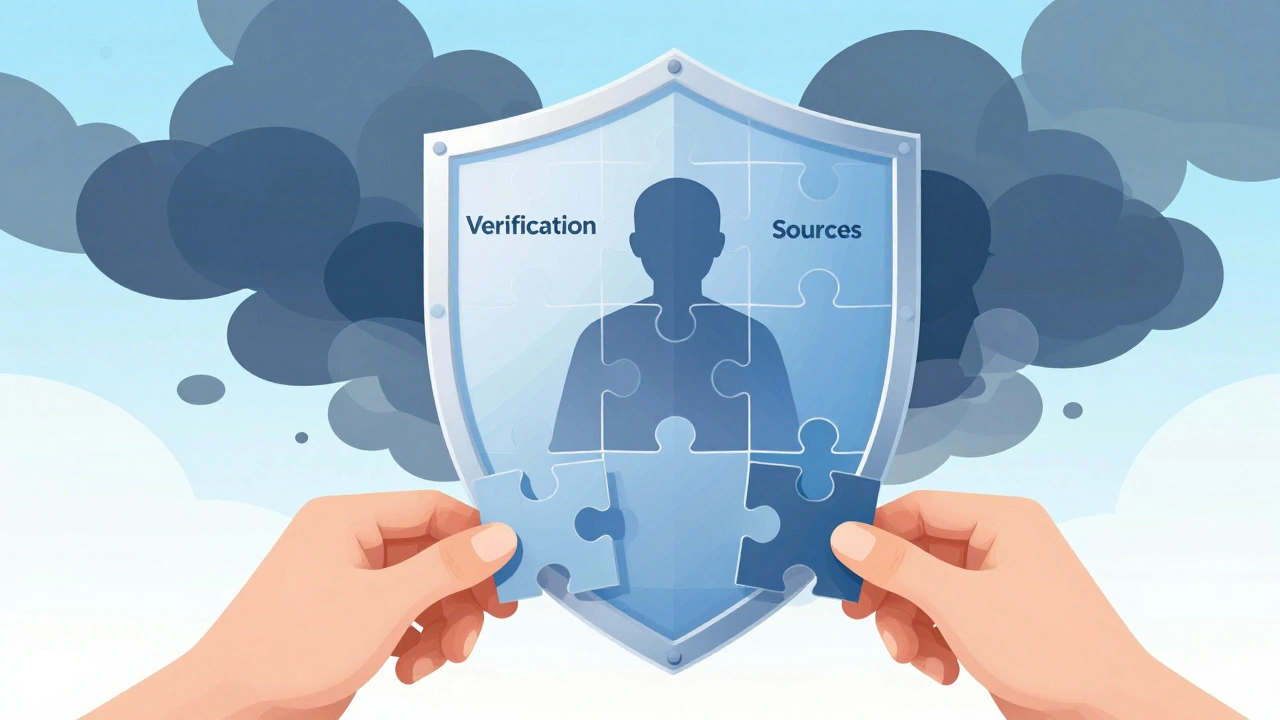
- Verify before sharing: Never assume that what you see on the internet is automatically true. Always check multiple sources, especially when dealing with sensitive topics.
- Monitor your digital footprint: Regularly search for your name online to ensure nothing inaccurate appears. Set up alerts if necessary.
- Understand platform limitations: Recognize that different websites have varying levels of editorial oversight. Treat casual blogs differently than peer-reviewed journals.
- Advocate for change: If you encounter false information, report it promptly. Your actions help protect others from similar issues.
These principles apply not only to public figures but also to everyday users. With billions of people accessing the internet daily, everyone benefits from clearer standards and greater awareness.
How Wikipedia Evolved Since Then
Since 2005, Wikipedia has grown tremendously. Today, it boasts millions of articles across hundreds of languages. Yet its core mission remains unchanged: providing free access to reliable knowledge for all.
To achieve this goal, Wikipedia continues refining its processes. New tools allow automated detection of suspicious edits. Volunteer reviewers work tirelessly to maintain quality control. Legal teams address copyright violations and defamation cases proactively.
Despite improvements, challenges persist. Bad actors still attempt to manipulate pages. Misinformation occasionally slips through cracks. However, the community's commitment to truth ensures ongoing progress.
If you're curious about how Wikipedia operates behind the scenes, consider volunteering as an editor. You'll gain firsthand experience navigating complex discussions and resolving disputes constructively. Plus, you contribute directly to preserving human knowledge for future generations.
What Can We Do Today?
As consumers of information, we hold significant power. Every click, share, and comment shapes the digital landscape. Here's how you can make a difference:
- Educate yourself about common types of misinformation, such as deepfakes, fake news stories, and manipulated images.
- Support organizations dedicated to promoting media literacy and fact-checking initiatives.
- Encourage friends and family to think critically before posting or forwarding questionable content.
- Participate positively in online communities by offering constructive feedback rather than destructive criticism.
Remember, small efforts compound over time. Together, we can create a healthier, more trustworthy internet environment for everyone.
Who was responsible for the John Seigenthaler Hoax?
The identity of the person who created the hoax remains unknown. Although investigations identified IP addresses linked to the edits, no definitive proof emerged linking specific individuals to the act.
Did Wikipedia face legal consequences for the hoax?
No formal lawsuits resulted from the incident. Instead, Wikipedia focused on internal reforms, introducing stricter guidelines for handling biographical content involving living persons.
Has anything similar happened since then?
Yes, though less frequently due to enhanced protections. Occasional instances occur where false information briefly appears before being corrected by vigilant editors.
Can I trust everything I read on Wikipedia?
While generally reliable, Wikipedia should always be cross-referenced with other credible sources. Its collaborative nature means errors can slip through despite best efforts.
How do I remove false information about myself from Wikipedia?
Contact Wikipedia administrators directly via their official channels. Provide evidence supporting your request, and explain clearly why the information is incorrect or damaging.