Multilingual Wikipedia: How Language Editions Shape Global Knowledge
When you think of Wikipedia, you might picture the English version—but the real power lies in its multilingual Wikipedia, a network of over 300 independent language editions, each edited by local volunteers using the same open-source platform. Also known as the Wikipedia language editions, this system lets someone in Nigeria, Nepal, or Norway write and edit articles in their own language, using sources they trust and topics that matter to their community. It’s not just translation. It’s reinvention. Each edition has its own rules, priorities, and culture. The German Wikipedia values depth and citations above all. The Japanese edition leans on consensus and quiet collaboration. The Arabic version fights misinformation in a region where reliable sources are scarce. And the Swahili edition? It’s building knowledge where few encyclopedias ever existed.
The Wikimedia Foundation, the nonprofit that supports Wikipedia’s infrastructure and funding. Also known as WMF, it doesn’t control content—but it does provide the tools, servers, and legal backbone that keep all language editions running. But the real work? That’s done by volunteers. Someone in Brazil adds details about local flora. A teacher in Ukraine updates war-related articles with firsthand accounts. A student in Indonesia translates a medical guide from English to Bahasa Indonesia—not because they’re paid, but because they believe knowledge should be free, no matter the language. These aren’t outliers. They’re the norm. Over 100 language editions have more than 100,000 articles. Some, like Cebuano and Swedish, have more articles than English—but fewer readers. Why? Because those editions serve their local communities first. And that’s the point.
There’s a gap between size and impact. The English Wikipedia gets most of the attention, but the fastest-growing editions are often in languages spoken by millions who’ve been left out of global knowledge systems. The Wikipedia community, the global network of editors, administrators, and policy-makers who shape how content is created and maintained. Also known as Wikipedians, they’re the ones pushing for better representation of Indigenous languages, minority dialects, and under-documented histories. They run campaigns to add articles on African medicine, Indigenous astronomy, and regional folklore. They fix bias. They build tools to help editors move between languages. They argue over policy. They delete bad content. They do it all without pay, often under pressure, and sometimes in danger.
What you’ll find in this collection isn’t just a list of articles. It’s a window into how knowledge moves across borders—not through corporate algorithms, but through people. You’ll see how volunteers fight to keep local history alive, how AI threatens to drown out minority voices, and how a single editor in a small town can change how the world understands a place. This isn’t about one language. It’s about who gets to write the story—and who gets left out when they don’t.

Cross-Wiki Content Translation: Tools, Pitfalls, and Quality on Wikipedia
Discover how cross-wiki content translation bridges knowledge gaps on Wikipedia. Learn about essential tools like the Content Translation Tool, common pitfalls, and quality assurance strategies for multilingual editors.
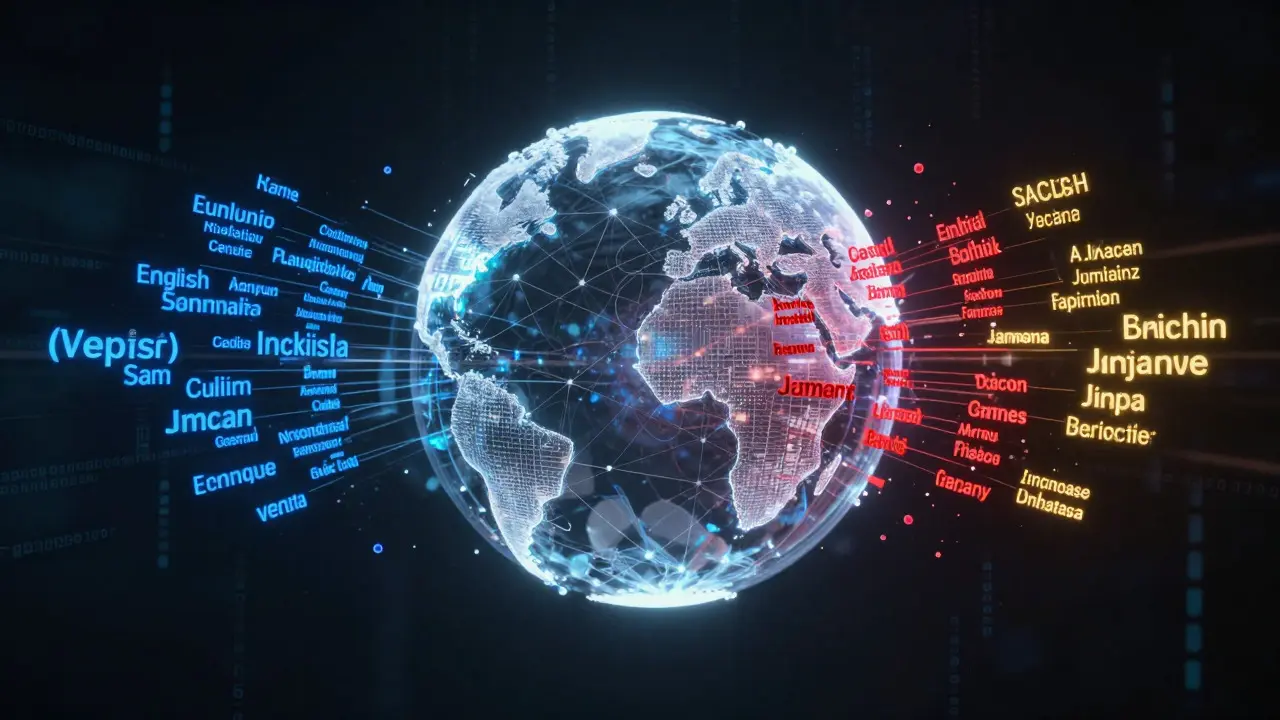
Wikipedia Language Differences: Why Articles Vary Across Editions
Discover why Wikipedia articles vary across language editions. Learn how cultural biases, source availability, and editorial styles impact the accuracy and depth of information you find.

East Asian Wikipedias: Japanese, Chinese, and Korean Community Insights
Explore the unique dynamics of Japanese, Chinese, and Korean Wikipedias. Learn about their size, cultural priorities, editing styles, and how to navigate these distinct online encyclopedias effectively.
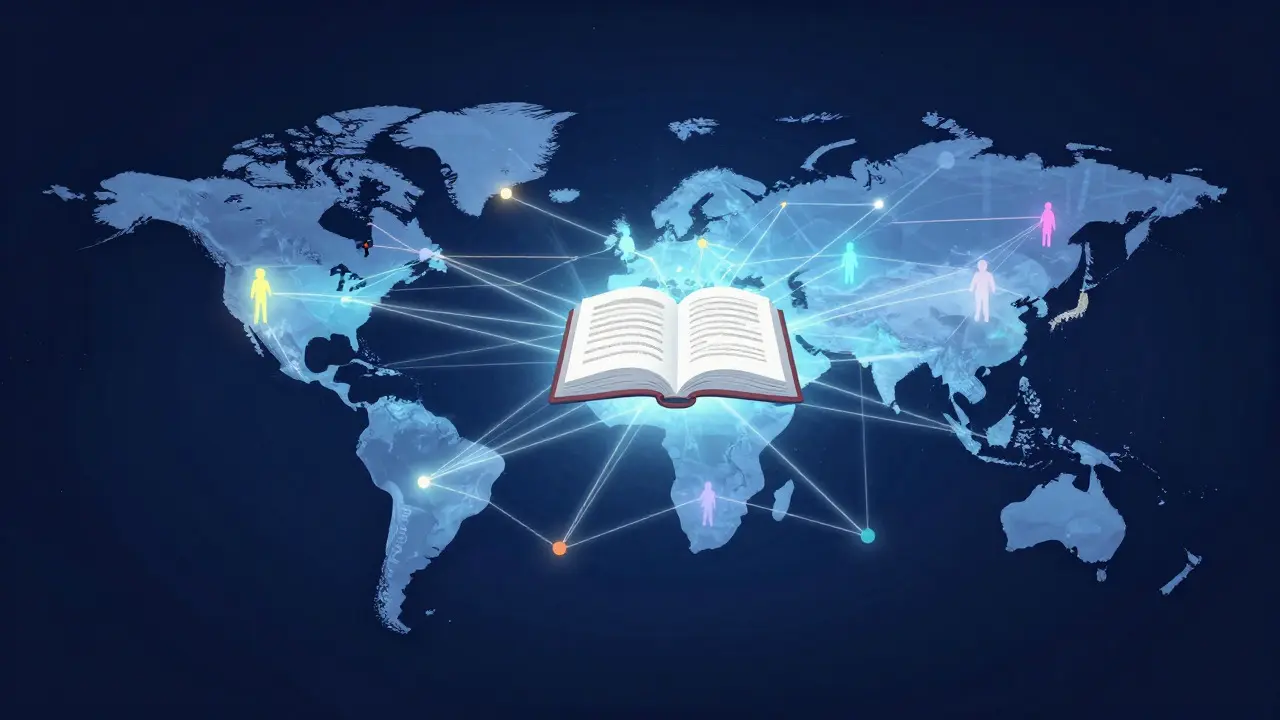
How Affiliates and User Groups Drive Multilingual Wikipedia Growth
Discover how Wikimedia affiliates and user groups drive the expansion of Wikipedia into hundreds of languages. Learn about the structural differences, local challenges, and the future of multilingual knowledge sharing.

Emerging Wikipedias: Building Knowledge in Underserved Languages
Discover how Emerging Wikipedias are bridging the digital divide by creating knowledge in underserved languages. Learn about the tools, challenges, and ways to get involved in building multilingual encyclopedias.
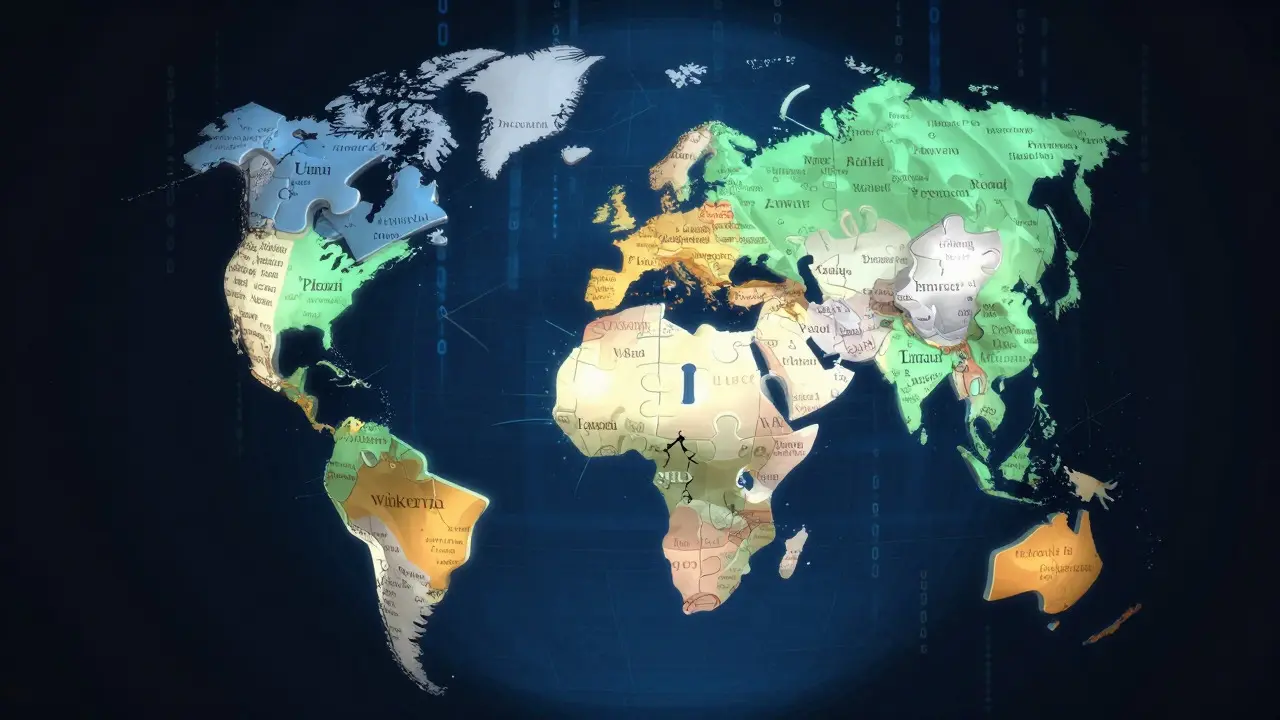
Policy Divergence: How Fair Use and BLP Rules Differ Across Wikipedias
Discover how Fair Use and BLP rules differ across multilingual Wikipedias. Learn why copyright policies vary by region and how to navigate these legal nuances as an editor or researcher.

Cultural Context Notes: How to Avoid Anglocentrism on Wikipedia
Learn practical strategies to identify and fix Anglocentric bias on Wikipedia. Discover how to diversify sources, use local terminology, and collaborate globally for a more neutral encyclopedia.

Input Tools and IMEs for Editing Wikipedia: A Guide to Multilingual Contributions
Learn how to use Input Method Editors (IMEs) and language tools to edit Wikipedia in non-Latin scripts. This guide covers setup, troubleshooting, and best practices for multilingual contributions.
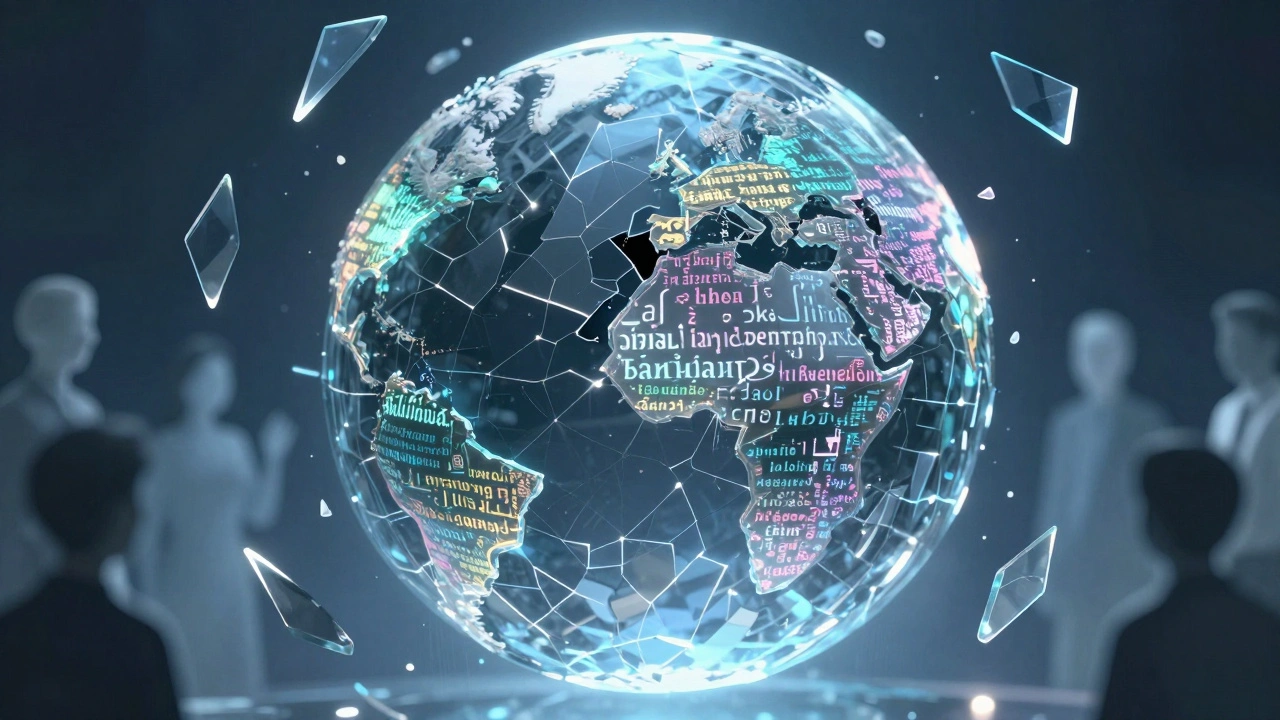
How Language Policy Shapes Wikipedia Content in Different Regions
Explore how Wikipedia's language policies create content disparities across regions. Learn about systemic bias, the dominance of English, and the impact on global knowledge equity.

AI-Assisted Translation for Multilingual Wikipedia: Future Tools and Workflows
Explore how AI-assisted translation transforms multilingual Wikipedia editing. Discover tools, workflows, and strategies for improving global knowledge accessibility.

The Signpost and Multilingual Reach: How Wikipedia’s News Hub Connects Global Communities
The Signpost is Wikipedia's volunteer-run news source, reporting on community debates, policy changes, and global editing efforts across 300+ languages. It’s not just news-it’s the living record of how knowledge is built, challenged, and preserved.
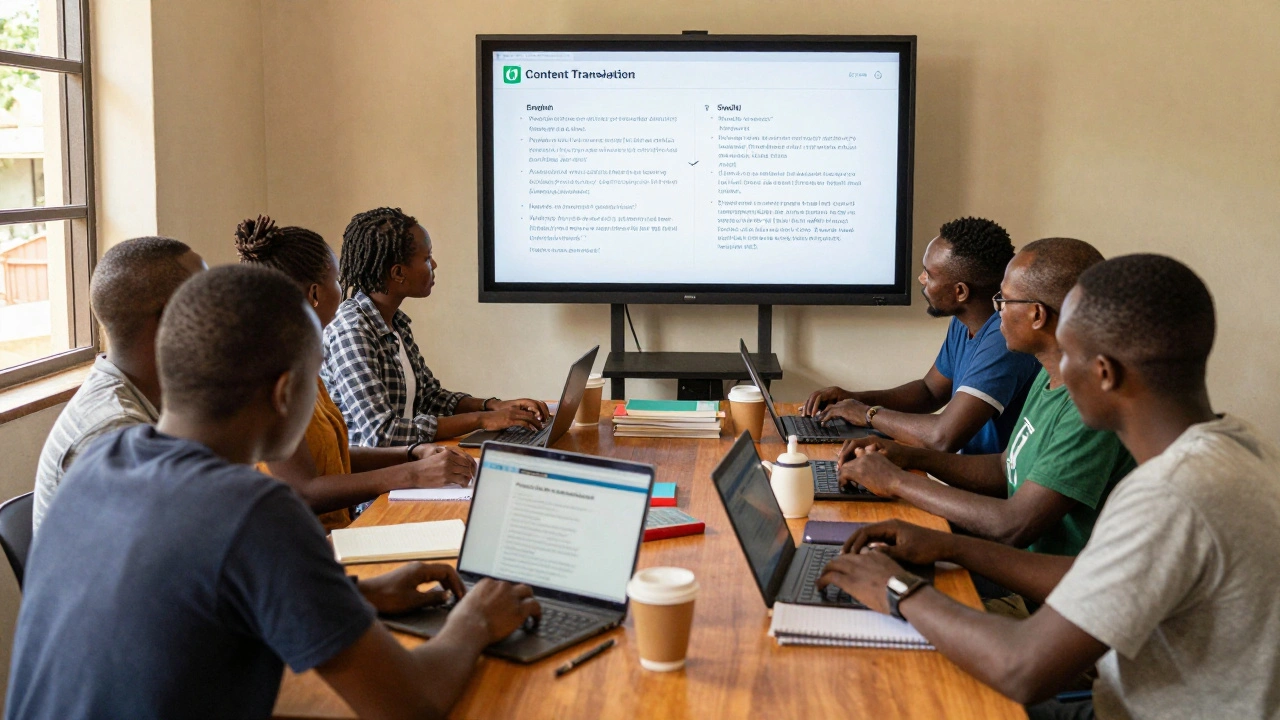
Training Translators for Wikipedia: Volunteer Programs and Courses
Wikipedia's multilingual growth relies on trained volunteers who translate articles across languages. Learn how volunteer programs and free courses are empowering people worldwide to share knowledge in their native tongues.