Wikipedia policies: How rules keep the world’s largest encyclopedia accurate and fair
When you read a Wikipedia article, you’re not just seeing facts—you’re seeing the result of Wikipedia policies, a set of community-driven rules designed to ensure accuracy, neutrality, and reliability. Also known as Wikipedia guidelines, these policies aren’t written by executives or algorithms—they’re shaped by hundreds of thousands of volunteers who argue, edit, and revise every day to keep the site trustworthy. Without them, Wikipedia would be a mess of opinions, rumors, and corporate spin. Instead, it stays the go-to starting point for millions because these rules force clarity, evidence, and fairness.
These policies don’t work in a vacuum. They rely on other key systems like reliable sources, the standard for what counts as credible information on Wikipedia. Also known as verifiable sources, this rule means you can’t just cite a blog post or a tweet—you need books, peer-reviewed journals, or established news outlets. Then there’s Wikipedia neutrality, the policy that demands articles reflect the balance of published opinion, not personal bias. Also known as neutral point of view, it’s why controversial topics don’t become propaganda wars. And underpinning it all is due weight, the rule that ensures minority views aren’t ignored, but also aren’t given equal space to majority evidence. Without these, even the best-intentioned edits could mislead.
These aren’t abstract ideas. They’re the reason a local historian can get their town’s founding documented, why a journalist can trace a fact back to its original source, and why a student doesn’t walk away with false information. They’re also why Wikipedia fights back against copyright takedowns that erase history, why AI-generated summaries are checked for misleading citations, and why volunteers spend hours cleaning up biased language or fixing broken links. The system isn’t perfect—it’s messy, slow, and sometimes frustrating—but it’s built to be fairer than any corporate algorithm.
What you’ll find below isn’t a list of dry rules. It’s a collection of real stories about how these policies play out: how they protect Indigenous voices, how they handle harassment, how they keep AI from rewriting history, and how they turn volunteer effort into global knowledge. These are the policies that make Wikipedia more than a website—they make it a living, breathing community.

Ethical Guidelines for AI Use in Collaborative Knowledge Projects
Discover essential ethical guidelines for using AI in collaborative knowledge projects. Learn how to balance speed with accuracy, maintain transparency, and preserve community trust.

Barriers to Entry on Wikipedia: Jargon, Tools, and Policies
Discover why new editors leave Wikipedia. We explore the jargon, tool friction, and strict policies that block diverse contributions and shape editor demographics.

How Wikipedia Policies Evolve: A Guide to Community Proposals and RFCs
Discover how Wikipedia policies evolve through community proposals and Requests for Comment (RfCs). Learn the difference between guidelines and policies, how consensus is formed, and tips for participating in governance.

Arbitration Cases that Split the Wikipedia Community
Explore the most divisive Wikipedia Arbitration Committee cases, from Scientology to Climate Change. Learn how community governance handles fierce edit wars.

Detecting AI-Written Text on Wikipedia: Tools, Signals, and Policies
Learn how to spot AI-written text on Wikipedia using specific linguistic signals, verification tools, and current community policies to ensure content reliability.

How Wikipedia Deals with Advocacy Editing and Agenda-Driven Changes
Discover how Wikipedia combats bias through NPOV policies, talk page debates, and community policing. Learn what advocacy editing is and how the platform maintains neutrality.

How Wikimedia Foundation Policies Interact with Community Governance
Explore how the Wikimedia Foundation's global policies intersect with local community governance, revealing the tensions and collaborations that keep Wikipedia running.

Understanding Wikipedia's Neutral Point of View Policy in Practice
Explore how Wikipedia's Neutral Point of View (NPOV) policy works in practice, from reliable sources and weighting to the social process of building consensus.

New Policies for Large Language Model Content on Wikipedia
In 2026, Wikipedia enforces strict new rules on AI-generated content. Learn how these policies protect accuracy, require disclosure, and change how editors verify information.
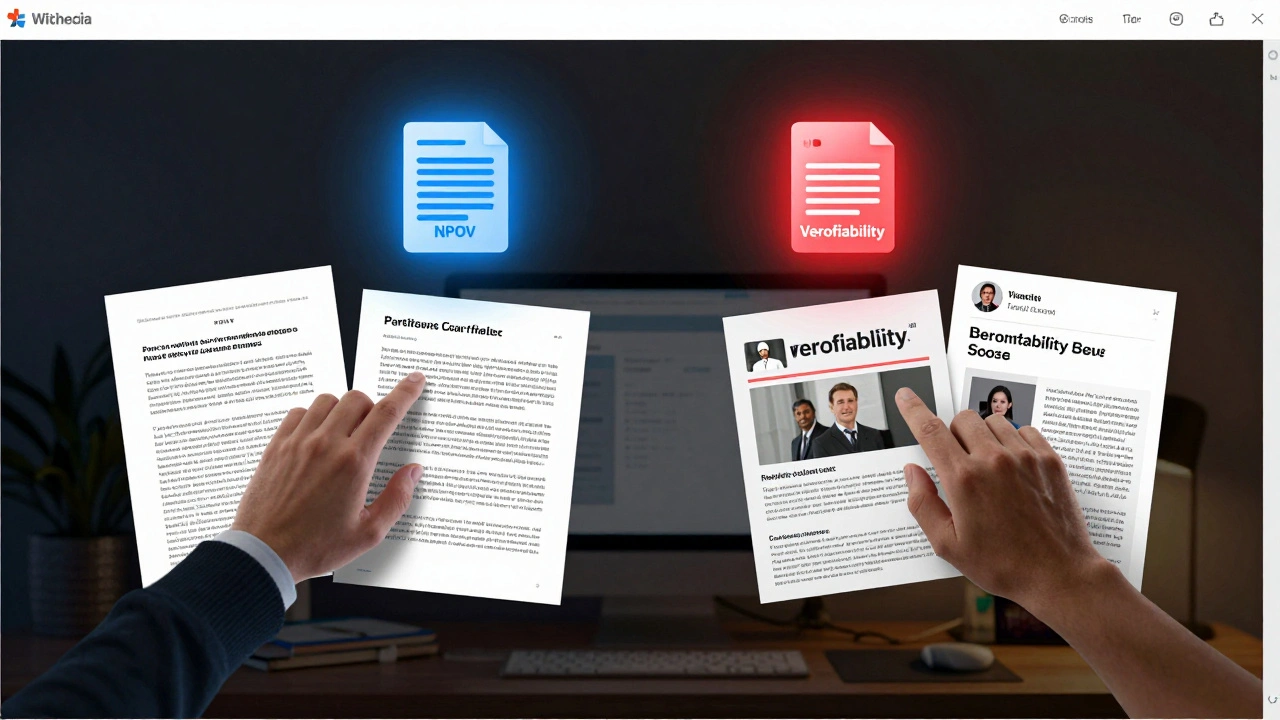
What Happens When Wikipedia Policies Conflict: NPOV vs. Verifiability Case Studies
When Wikipedia's NPOV and Verifiability policies clash, editors rely on sources, not opinions. Real case studies show how neutral reporting wins over bias - and why this matters for online truth.
Wikipedia’s Response to AI Competitors: Tools, Policies, and Community Strategy
Wikipedia is fighting back against AI encyclopedias not with technology alone, but with its community, strict policies, and tools that prioritize accuracy over speed. Here's how it's staying relevant in the age of AI.
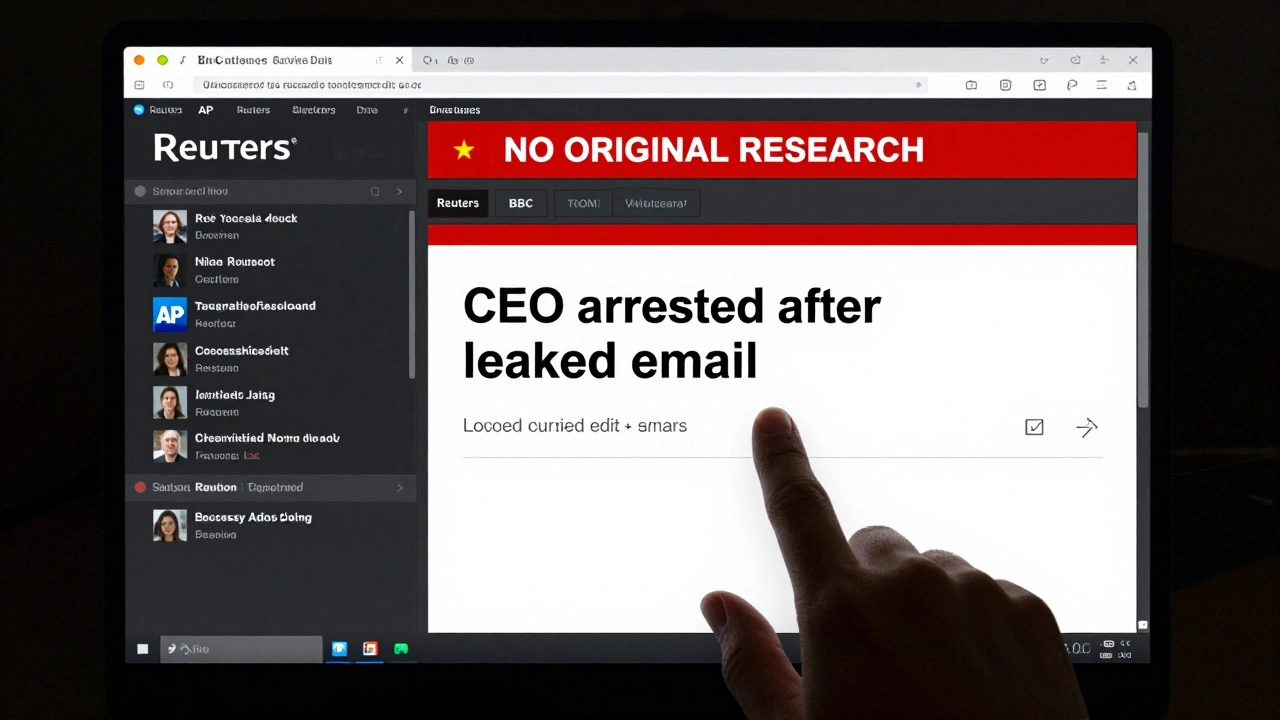
Avoiding Original Research in Wikipedia Real-Time Coverage
Wikipedia's real-time coverage must avoid original research by relying only on confirmed, published sources. Adding speculation, rumors, or personal analysis during breaking news undermines its credibility and spreads misinformation.