Wikipedia community: How volunteers keep the world's largest encyclopedia alive
When you read a Wikipedia article, you’re not just seeing facts—you’re seeing the work of a global Wikipedia community, a decentralized network of volunteers who write, edit, and defend free knowledge without pay or corporate backing. Also known as Wikipedia editors, this group includes students, retirees, journalists, scientists, and hobbyists who show up every day to fix errors, add citations, and fight vandalism. It’s not a team with managers or schedules. It’s a movement built on shared rules, quiet collaboration, and stubborn dedication.
This community runs on tools like WikiProjects, volunteer-driven teams focused on specific topics like medicine, film, or Indigenous history, and systems like the watchlist, a personal tracking tool that helps editors monitor changes to articles they care about. They don’t get paid, but they do get results: over 60 million articles, thousands of daily edits, and a reputation for reliability that even AI encyclopedias haven’t matched. Behind every accurate date, every properly cited claim, and every balanced viewpoint is someone who took the time to check a source, debate a wording, or revert a lie.
The Wikimedia Foundation, the nonprofit that provides the servers, legal support, and tech tools for Wikipedia doesn’t run the content. It just keeps the lights on. The real power lies with the editors who decide what stays, what gets improved, and what gets deleted. They argue over due weight, copyright takedowns, and how to handle harassment that spills off the site. They run annual drives to clear copy-editing backlogs and build annotated bibliographies to support better articles. And they’re the ones pushing back when AI tries to edit without understanding context—or when corporations try to buy access to their work.
You won’t find ads here. No corporate sponsors. No algorithms pushing trending nonsense. Just people, trying to make sure the world’s knowledge stays open, accurate, and free. The Wikipedia community isn’t perfect. It’s messy, sometimes hostile, and often overwhelmed. But it’s the only system on the planet that lets anyone, anywhere, help write the story of human knowledge. And if you’ve ever used Wikipedia to check a fact, write a paper, or learn something new—you’ve already benefited from their work. Below, you’ll find real stories from inside this world: how volunteers handle bias, fight censorship, build tools, and keep the lights on—even when no one’s watching.
How to Become a Volunteer Editor or Reporter at The Signpost in 2026
Discover how to become a volunteer editor or reporter at The Signpost. Learn about the application process, required skills, and the impact of your contribution to the Wikimedia community.
Wikipedia Requests for Adminship: Standards, Expectations, and How to Succeed
Learn the standards, expectations, and practical tips for winning a Wikipedia Request for Adminship. Understand the voting process, common pitfalls, and how to build community consensus.
WikiProject Mentor Relationships: How Knowledge Transfer Builds Better Communities
Explore how WikiProject mentor relationships drive knowledge transfer in Wikipedia communities, boosting retention and content quality.
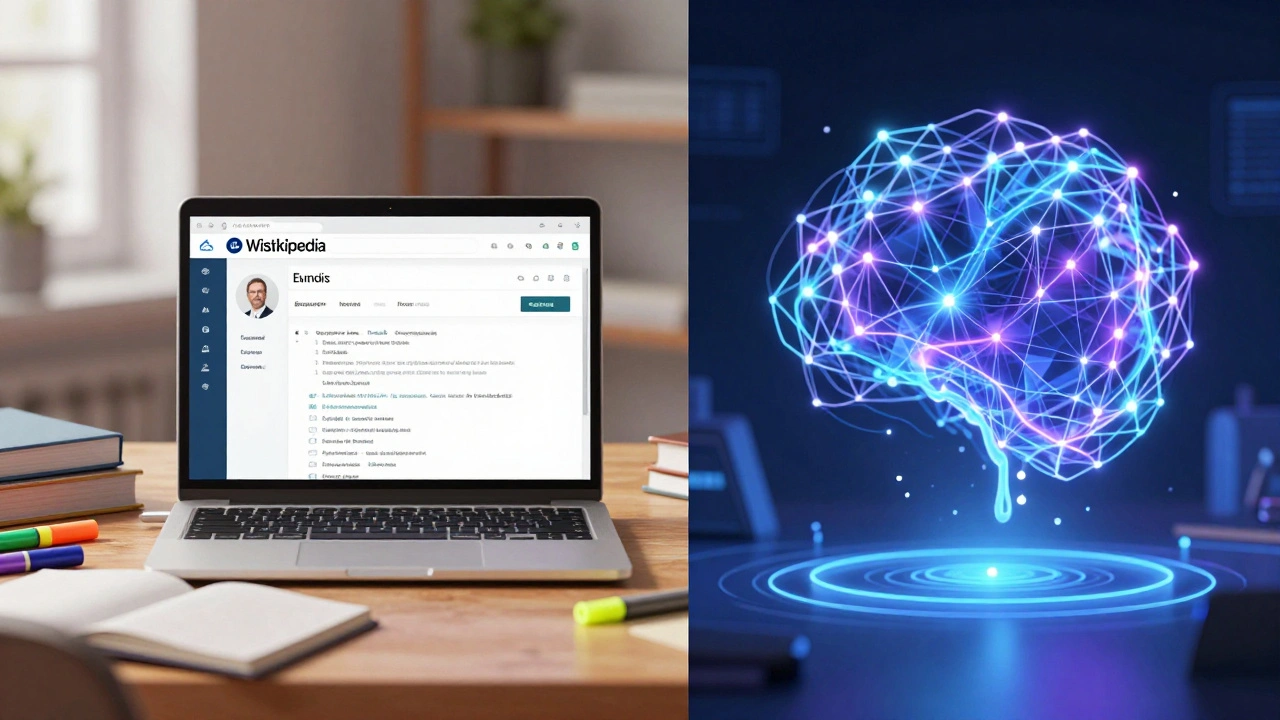
Community Reactions to Grokipedia: Critiques from Wikipedians and Scholars
Explore the growing tension between Wikipedia volunteers and scholars against Grokipedia, an AI-driven encyclopedia. Discover concerns about accuracy, accountability, and the future of trusted online knowledge.

Wikipedia Deletion Review: How to Appeal Article Removals Successfully
Learn how to successfully appeal a Wikipedia article deletion. Understand the AfD process, gather reliable sources, and navigate the restoration request system to get your page back.

How to Become a Wikipedia Administrator: Experience, Expectations, and the Path to Adminship
Explore the true path to becoming a Wikipedia administrator. Learn about the experience required, community expectations, and how editor demographics shape the journey to adminship.
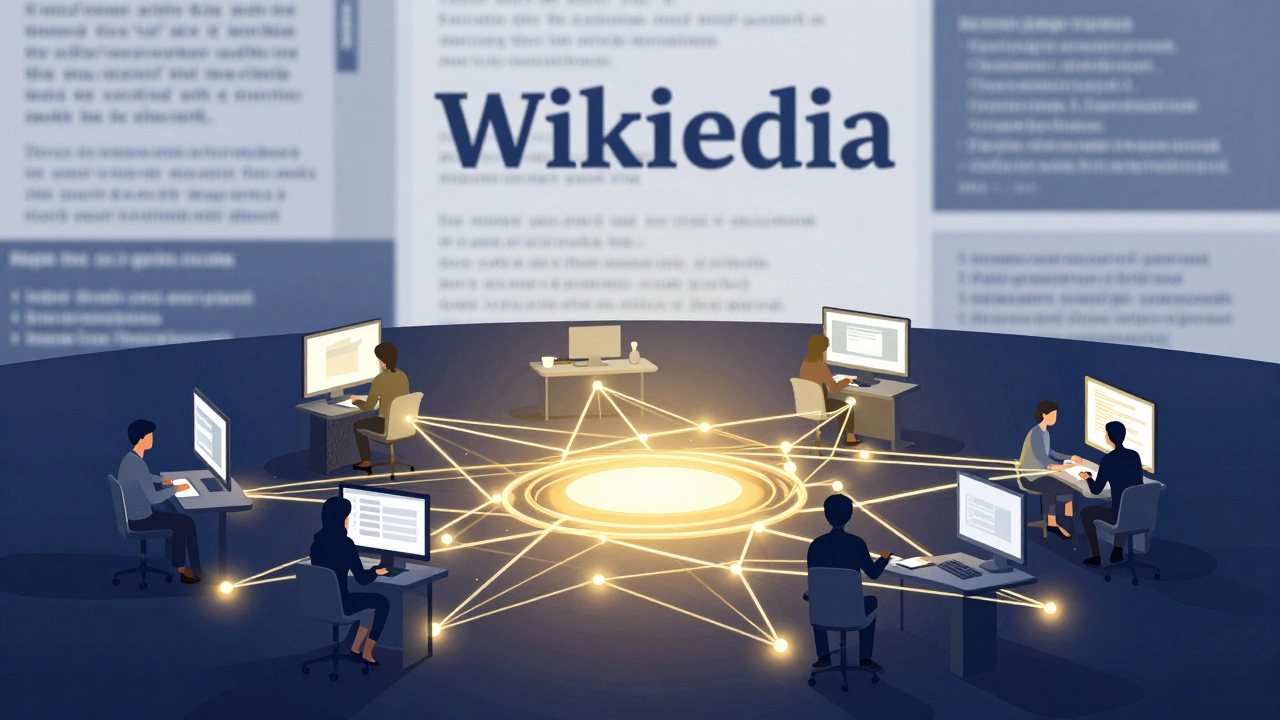
How The Signpost Highlights WikiProjects: A Guide to Community Collaboration
Discover how The Signpost uses WikiProject spotlights to celebrate Wikipedia's collaborative community, offering insights into volunteer teamwork, quality control, and the hidden mechanics of the world's largest encyclopedia.
High-Profile Wikipedia Deletions: Why Famous Pages Vanish
Explore why high-profile Wikipedia pages are deleted, the battle between inclusionists and deletionists, and how to meet the site's strict notability standards.

Ethical Boundaries for Wikimedia Staff During Community Disputes
Explore the ethical tensions between Wikimedia Foundation staff and Wikipedia volunteers, and how public statements during disputes affect press coverage.

Inside The Signpost: How Wikipedia's Community Newspaper Works
Discover how The Signpost editorial board manages Wikipedia's community newspaper through volunteerism, consensus, and neutral journalism.
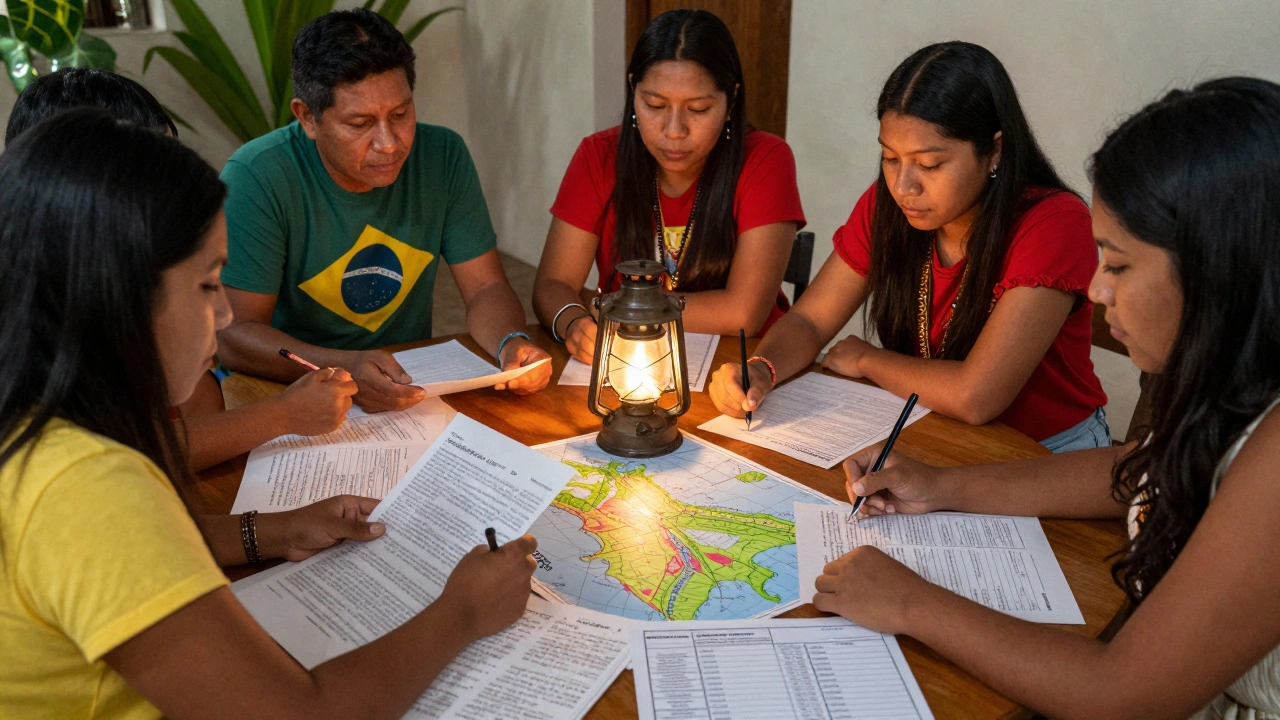
Emerging WikiProjects: New Topic Areas Getting Attention on Wikipedia
New WikiProjects on Wikipedia are bringing underrepresented topics into the spotlight-from Indigenous knowledge to climate adaptation stories. These volunteer-driven efforts are reshaping what knowledge looks like on the world's largest encyclopedia.
Wikipedia’s Response to AI Competitors: Tools, Policies, and Community Strategy
Wikipedia is fighting back against AI encyclopedias not with technology alone, but with its community, strict policies, and tools that prioritize accuracy over speed. Here's how it's staying relevant in the age of AI.