Wikipedia: The World's Largest Free Encyclopedia and How It Works
When you think of Wikipedia, a free, collaborative online encyclopedia written by volunteers around the world. Also known as the free encyclopedia, it's the first place most people look for facts — but few know how it actually works behind the scenes. Unlike commercial sites, Wikipedia doesn’t run ads, doesn’t pay editors, and doesn’t answer to shareholders. It survives because millions of people believe knowledge should be free, open, and constantly improved.
That freedom comes with rules. The Wikimedia Foundation, the nonprofit that supports Wikipedia’s servers, legal protection, and tech infrastructure doesn’t write articles — it keeps the lights on. Real power lies with volunteers who debate what goes in, how it’s cited, and whether it’s neutral. They follow policies like due weight, the rule that article content must reflect the proportion of evidence in reliable sources, not personal opinion or popularity, and CC BY-SA, the license that lets anyone reuse Wikipedia’s content as long as they credit it and share changes under the same terms. These aren’t suggestions — they’re the glue holding the whole thing together.
Wikipedia isn’t one site — it’s hundreds of thousands of small projects called WikiProjects, volunteer teams focused on specific topics like medicine, film, or Indigenous history. These groups fix gaps, fight bias, and train new editors. You’ll find editors working on everything from cleaning up copy in old articles to defending articles against copyright takedowns. Some focus on tech, keeping the site running with open-source tools. Others track vandalism or help journalists verify facts. There’s no boss telling them what to do — just shared standards and a belief that knowledge belongs to everyone.
What you see on Wikipedia today is the result of years of arguments, mistakes, and quiet fixes. It’s not perfect. It’s not always fast. But it’s the most detailed, up-to-date, and accessible encyclopedia ever built — and it’s still growing. Below, you’ll find real stories from inside the project: how editors handle harassment, how AI is changing the game, how local history gets documented, and why some of the most popular pages are about fantasy novels. This isn’t just about Wikipedia. It’s about how a global community fights to keep truth open, accessible, and alive.

Handling Fringe Theories on Wikipedia: Due Weight and Sourcing
Learn how Wikipedia handles fringe theories using due weight and reliable sourcing. Discover practical tips for navigating content disputes and ensuring proportional representation of viewpoints.

Wikipedia vs Traditional Encyclopedias: Editorial Processes and Access
Explore the key differences between Wikipedia and traditional encyclopedias like Britannica. We compare their editorial processes, access models, and reliability to help you decide which to trust.
Wikipedia as Ground Truth: Why Reference Data Matters for AI
Discover why Wikipedia serves as the foundational 'ground truth' for modern AI. Learn how LLMs use reference data, the shift to RAG systems, and the challenges of crowdsourced knowledge.

Why Journalists Rely on Wikipedia for Breaking News
Discover why professional journalists rely on Wikipedia during breaking news despite its reputation. Learn how to use it for context, speed, and source discovery.
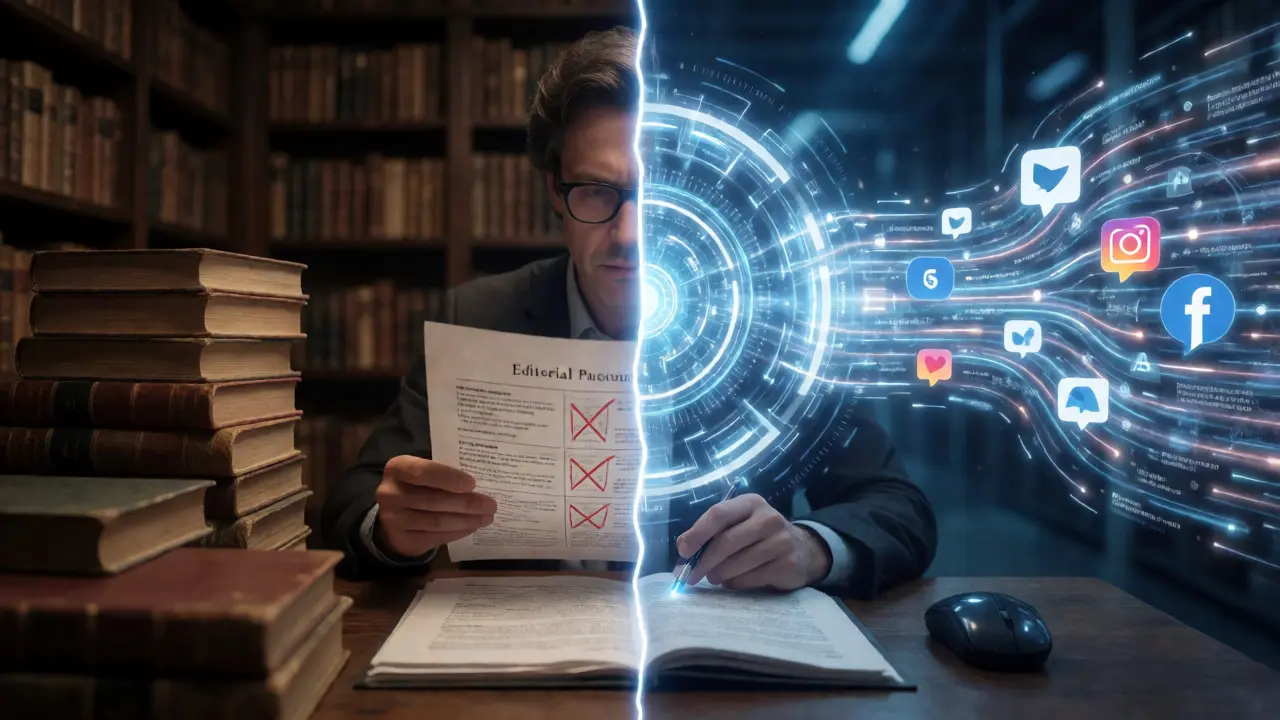
Grokipedia vs Wikipedia: Handling Controversial Topics
Compare how Grokipedia and Wikipedia handle controversial topics. Learn the differences in speed, bias, and accuracy to choose the right source.
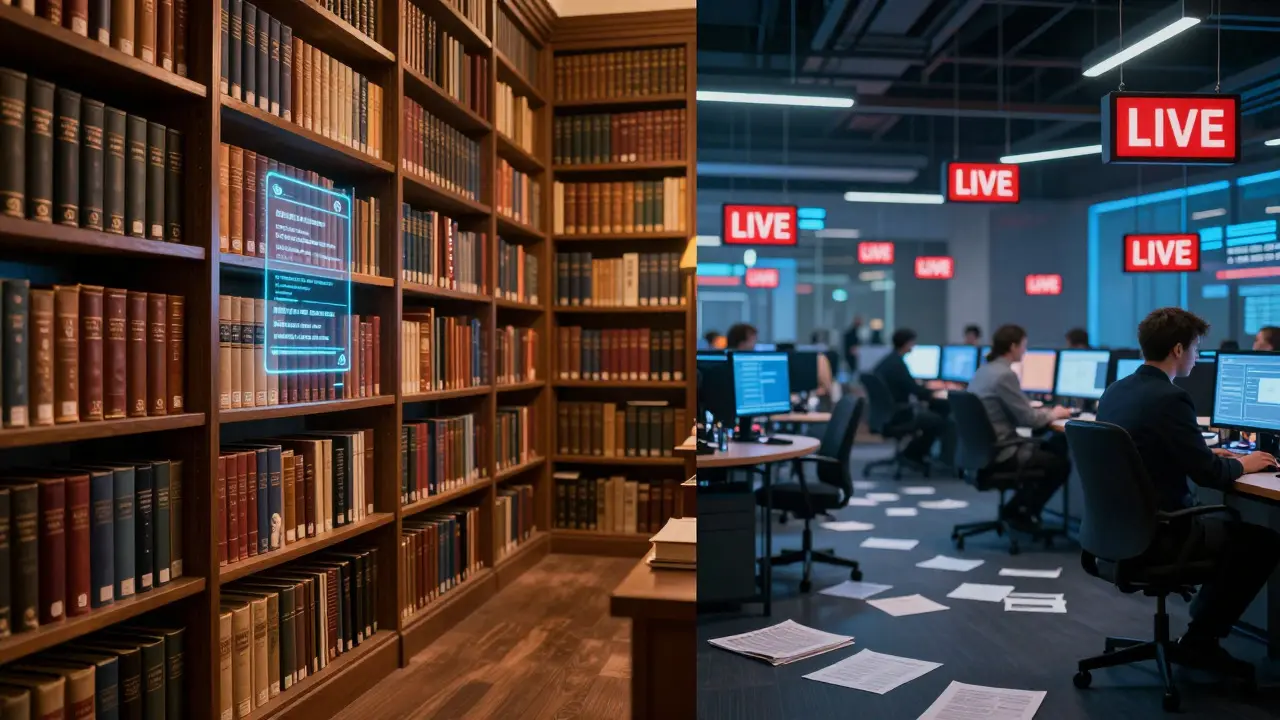
Wikinews vs Wikipedia: Original Reporting vs Encyclopedic Content
Discover the key differences between Wikinews and Wikipedia. Learn how original reporting contrasts with encyclopedic content and when to use each platform.
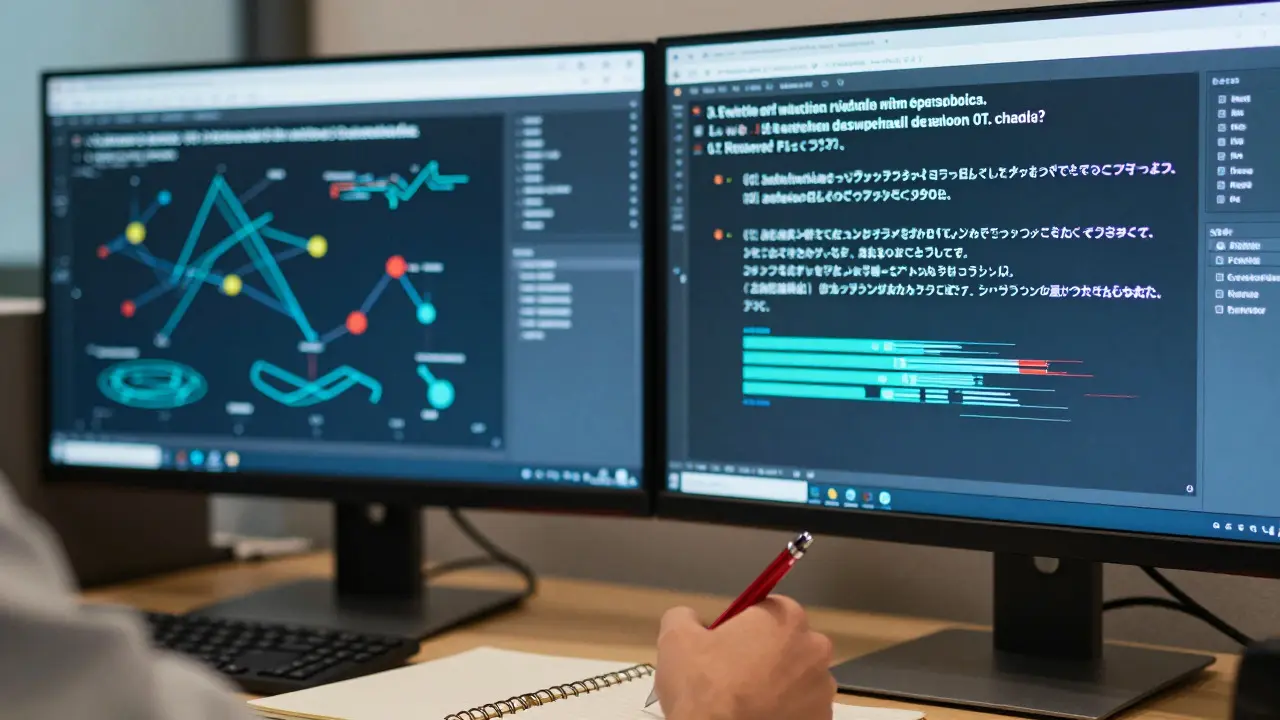
Machine Translation on Wikipedia: Assistance vs Human Review
Explore the balance between machine translation speed and human accuracy on Wikipedia. Learn how hybrid workflows improve multilingual reach while maintaining editorial standards.
Wikipedia and AI: Strategic Moves to Keep Reader Trust in 2026
Explore how Wikipedia can strategically use AI to improve efficiency without losing reader trust. Learn about the balance between automation and human oversight in digital knowledge platforms.

Wikipedia vs News: Why Reference Articles Are Not Journalism
Learn the key differences between Wikipedia and news media. Discover why reference articles aren't journalism and how to use both effectively for accurate information.

The Signpost Opinion Section: Balancing Commentary and Wikipedia Neutrality
Explore how The Signpost balances subjective commentary with Wikipedia's neutral standards. Learn about the role of the Opinion section in community governance and how editors navigate the line between advocacy and objectivity.

Wikipedia vs Grokipedia: The 2026 Battle for Online Knowledge
Compare Wikipedia and Grokipedia to see how AI curation challenges traditional crowd-sourcing. Learn which platform fits your research needs in 2026.

Wikipedia as a Collaborative Encyclopedia: How Volunteer Editing Shapes Global Knowledge
Discover how Wikipedia's volunteer-driven model shapes global knowledge. Learn about the editing process, reliability factors, and the community dynamics that keep this open encyclopedia running.