Online Encyclopedias: How Wikipedia Stays Trusted While AI Rises
When you think of online encyclopedias, digital reference platforms that collect and organize knowledge for public access. Also known as digital reference works, they’ve evolved from static CD-ROMs to live, constantly updated systems powered by people—or algorithms. Among them, Wikipedia, a free, collaboratively edited encyclopedia run by volunteers and supported by the Wikimedia Foundation stands out. It’s not the fastest, and it’s not the fanciest, but surveys show people still trust it more than AI-generated encyclopedias for accurate, verifiable facts. Why? Because every edit leaves a trace. Every claim has a source. And every change can be questioned, reviewed, or reverted by someone who actually read the material.
Wikimedia Foundation, the nonprofit that supports Wikipedia and its sister projects doesn’t run ads or sell data to advertisers. Instead, it fights for open knowledge—pushing back against copyright takedowns that erase history, demanding transparency from AI companies that scrape Wikipedia without credit, and training editors to spot bias. Meanwhile, AI encyclopedias, automated knowledge systems that generate answers using large language models look slick. They answer fast. But their citations? Often fake. Their sources? Sometimes made up. And their version of "consensus"? Just whatever the algorithm learned from the most popular, not the most accurate, data.
Behind the scenes, Wikipedia’s strength comes from its rules—not laws, but living practices. Reliable sources are the backbone. Due weight keeps minority views from being drowned out. The watchlist helps editors catch vandalism before it spreads. And projects like Wikidata connect facts across 300+ languages so a fact updated in Spanish shows up in English, too. This isn’t magic. It’s messy, human work. Thousands of volunteers spend hours every day checking citations, fixing grammar, and arguing over wording—all because they believe knowledge should be free, accurate, and open to all.
Some online encyclopedias chase clicks. Wikipedia chases truth. That’s why you’ll find stories here about how the Signpost picks its news, how Indigenous voices are being added back into articles, and how copy editors cleared over 12,000 articles in a single volunteer drive. You’ll also see how AI is creeping in—not as a helper, but as a threat to the integrity of what we call fact. This collection doesn’t just report on Wikipedia. It shows you how it works, why it matters, and who keeps it alive when no one’s watching.
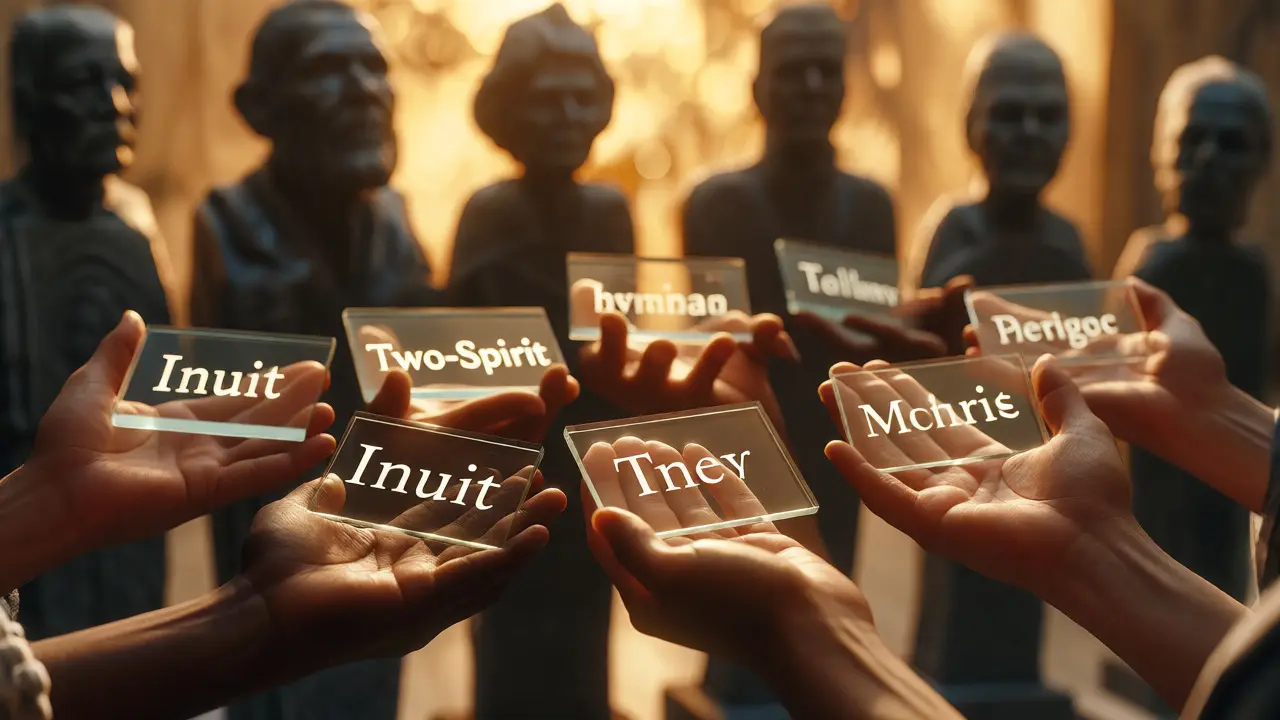
Wikipedia Naming Conventions: Ethics, Bias, and Identity
Explore how Wikipedia's naming conventions for marginalized groups reflect deeper issues of bias, power, and identity. Discover why self-identification matters and how editorial practices shape historical records.
Ethical Guidelines for AI Use in Collaborative Knowledge Projects
Discover essential ethical guidelines for using AI in collaborative knowledge projects. Learn how to balance speed with accuracy, maintain transparency, and preserve community trust.

Knowledge Equity on Wikipedia: Bridging the Global Coverage Gap
Explore how knowledge equity initiatives are reshaping Wikipedia's global coverage. Learn why multilingual efforts go beyond translation and how you can help bridge the digital divide.
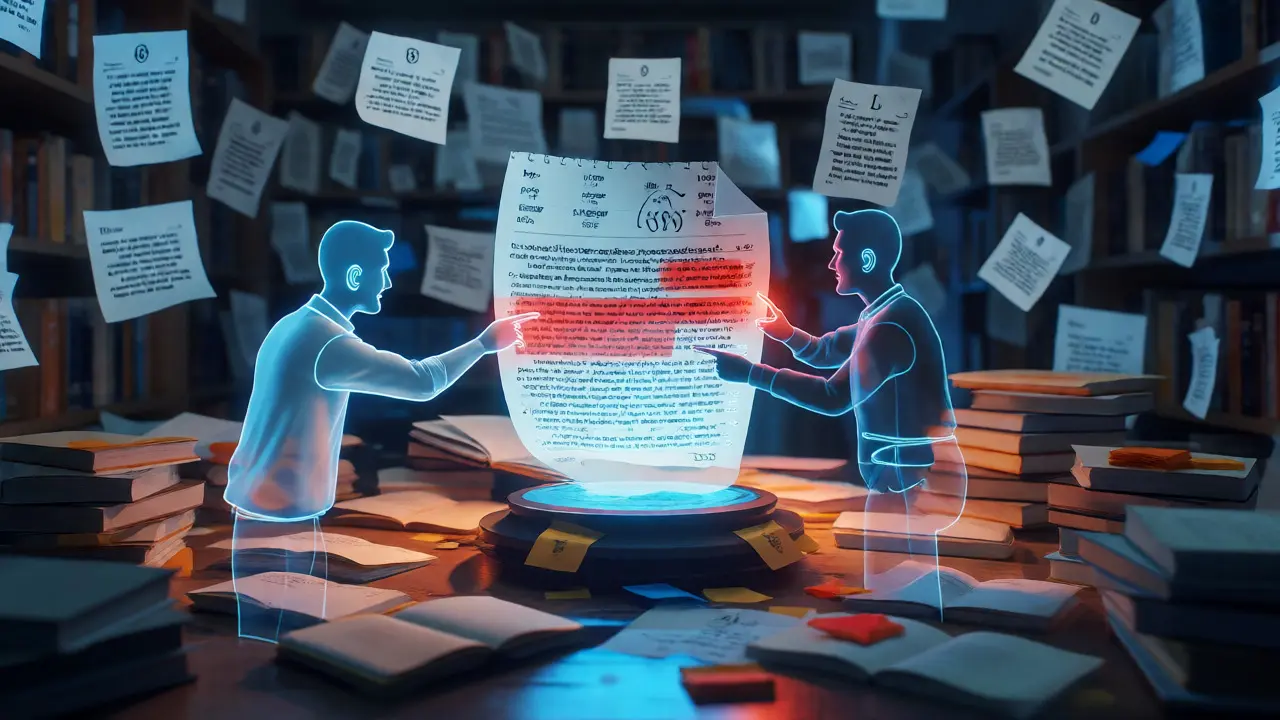
How Wikipedia Uses Requests for Comment to Decide Editorial Questions
Discover how Wikipedia uses Requests for Comment (RfC) to resolve editorial disputes. Learn the difference between consensus and voting, and how community governance keeps the encyclopedia accurate.

How WikiProject Newsletters Drive Community Engagement
Discover how WikiProject newsletters transform silent editing into vibrant community collaboration. Learn why these bulletins are essential for driving engagement, retaining volunteers, and maintaining quality in open-source encyclopedias.
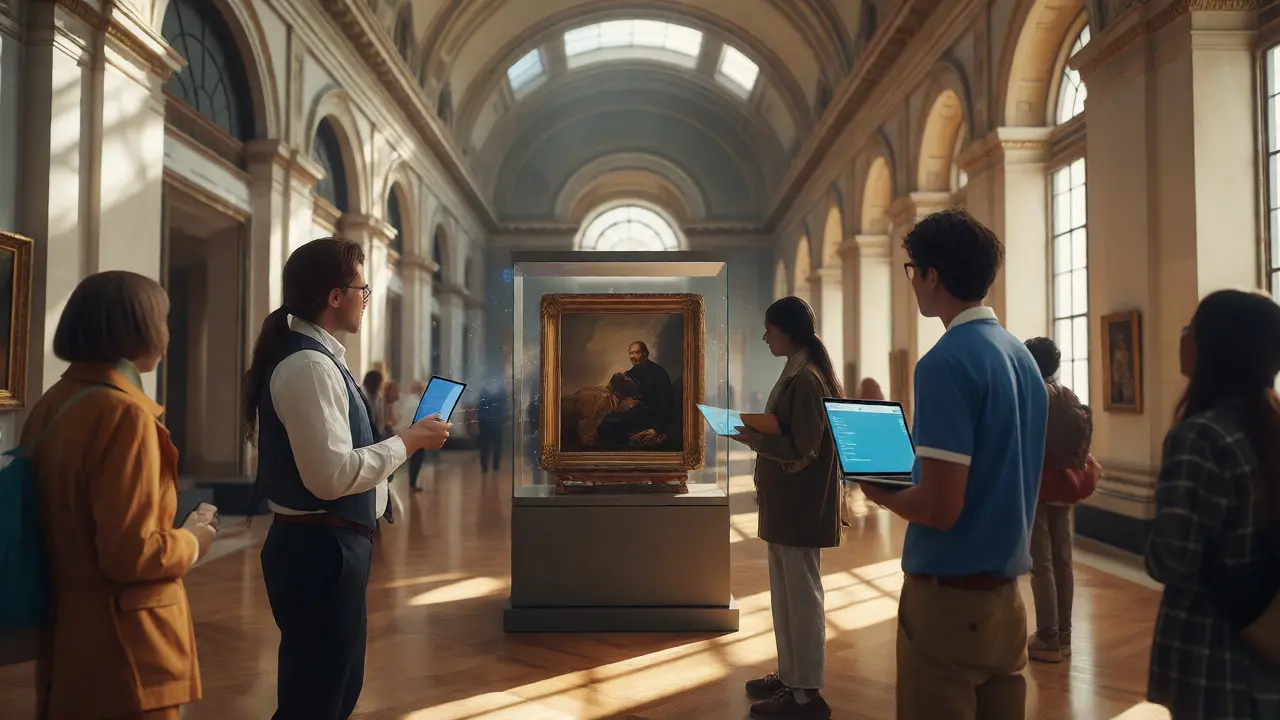
WikiProject GLAM: How Galleries, Libraries, Archives, and Museums Partner with Wikipedia
Discover how WikiProject GLAM connects museums, libraries, and archives with Wikipedia to share cultural heritage. Learn the benefits, workflows, and licensing tips for successful open-access partnerships.
When Wikipedia Gets It Wrong: Real Corrections and Controversies
Discover why Wikipedia makes mistakes and how 'reliable sources' can fail. Learn to spot errors, understand the correction process, and use the encyclopedia wisely.

How Wikipedia Traffic Reveals the Pulse of Breaking Scientific Discoveries
Discover how Wikipedia pageview data reveals public interest in breaking scientific discoveries. Learn to interpret traffic spikes, geographic trends, and user intent.

Wikipedia Signpost: Navigating Community News and Diff Blog Highlights
Discover the differences between the Wikipedia Signpost and the Diff blog. Learn how to navigate community news, policy updates, and technical changes effectively.

Peer Review of Student Wikipedia Articles: Best Practices for Academic Success
Master peer review of student Wikipedia articles with these best practices. Learn how to verify sources, maintain neutrality, and provide constructive feedback effectively.

How Editor Collaboration Networks Shape Wikipedia Articles
Discover how editor collaboration networks influence the quality and stability of Wikipedia articles. Learn about the roles of core contributors, bridges, and peripherals, and how social dynamics shape knowledge creation.

The Signpost: How Wikipedia’s Newsletter Drives Transparency and Accountability
Discover how The Wikipedia Signpost drives transparency and accountability in the world's largest encyclopedia. Learn why this volunteer-run newspaper is essential for community governance.