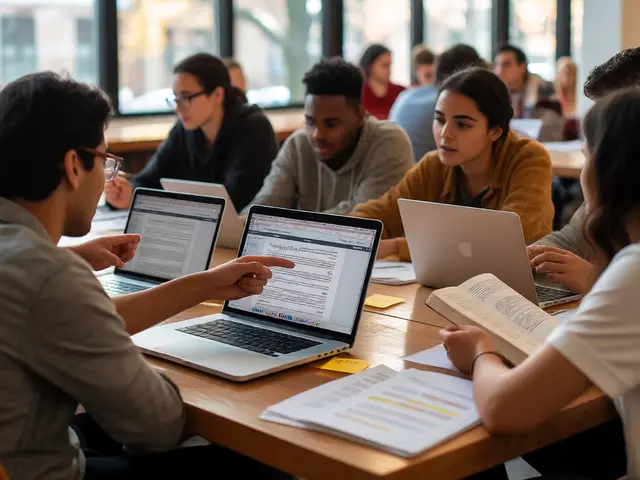
Open Knowledge: How Wikipedia and Wikidata Keep Information Free and Accessible
When we talk about open knowledge, information that is freely available to use, modify, and redistribute without legal or technical barriers. Also known as free knowledge, it’s the backbone of Wikipedia and the broader Wikimedia movement. This isn’t just about free access—it’s about control. Who gets to decide what’s true? Who owns the facts? Open knowledge says: everyone. And that’s why Wikipedia doesn’t rely on paywalls, ads, or corporate sponsors. It runs on volunteers, open licenses, and the simple belief that knowledge should belong to the public.
At the heart of this system is the CC BY-SA license, a legal tool that lets anyone reuse Wikipedia content as long as they give credit and share changes under the same terms. This license is what makes it possible for schools, apps, and researchers to use Wikipedia without asking permission. It’s also why AI companies can’t just copy-paste Wikipedia into their tools and call it their own—they have to give back. Then there’s Wikidata, a structured database that connects facts across all language versions of Wikipedia. While Wikipedia writes in paragraphs, Wikidata stores data as simple statements: ‘Eiffel Tower is in Paris,’ ‘Albert Einstein was born in 1879.’ This lets machines understand and reuse knowledge in ways paragraphs never could.
Open knowledge doesn’t mean open chaos. It requires rules. Wikipedia’s policies on reliable sources, due weight, and neutrality exist to stop misinformation from spreading under the guise of freedom. Volunteers constantly check edits, fix bias, and remove copyright violations. The tech team behind it all uses open-source tools to keep the site running—no corporate backing, no ads, just code written by people who believe in the mission. Even when funding is tight or volunteers burn out, the system keeps going because the idea is bigger than any one person.
And it’s working. Surveys show people still trust Wikipedia more than AI-generated encyclopedias—not because it’s perfect, but because you can see how every fact got there. You can click the citation. You can read the discussion. You can fix it yourself. That transparency is rare. Most knowledge today is locked behind algorithms, patents, or corporate secrets. Wikipedia’s version of open knowledge is messy, slow, and human—but it’s the only one that lets you truly own the information you use.
Below, you’ll find real stories from inside this movement: how volunteers fight bias, how licenses protect content, how Wikidata links facts across languages, and why open knowledge still needs your help to survive.
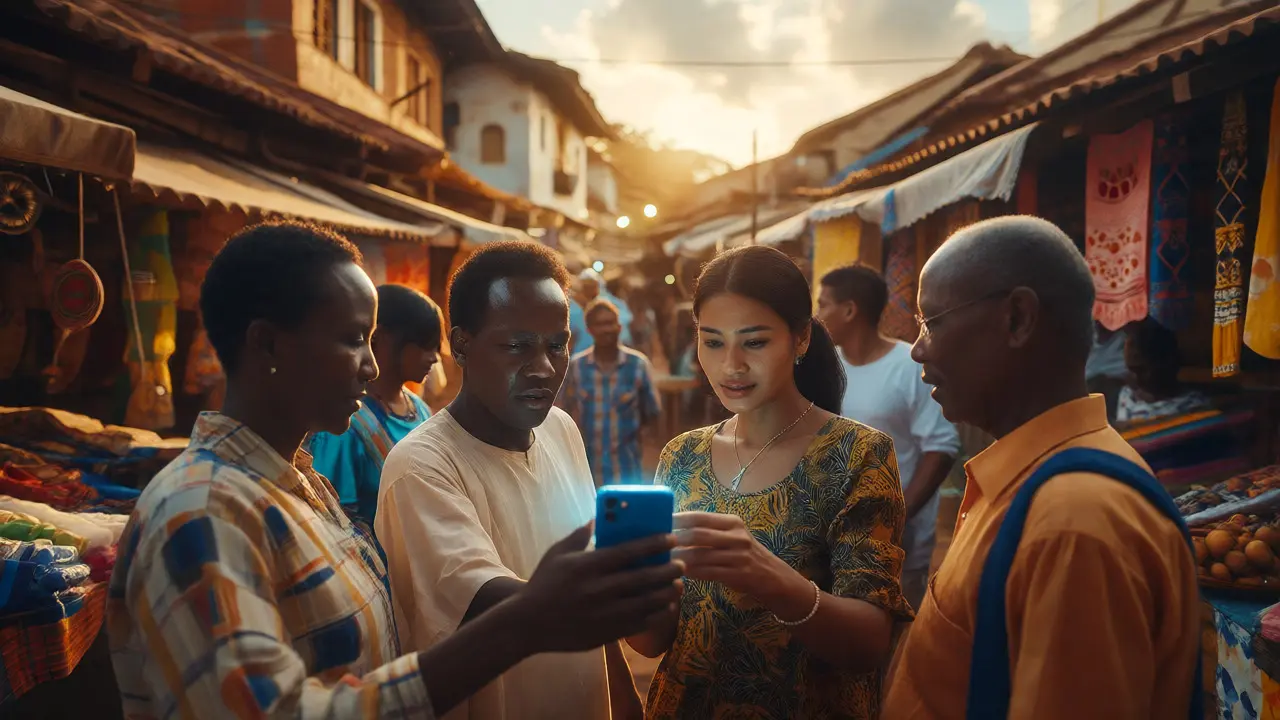
Global South Growth: Strategies for Expanding Wikipedia Access
Discover how multilingual Wikipedia initiatives are bridging the digital divide in the Global South. Learn about mobile-first strategies, community-led growth, and tech solutions expanding open knowledge access.

University Labs Focused on Wikipedia: Centers, Grants, and Projects
Discover how university labs transform academic research into public knowledge through Wikipedia editing. Learn about funding models, key projects, and how to get involved.

Wikimania Conference: The Annual Gathering of Wikimedia Communities
Discover Wikimania, the annual gathering of Wikimedia communities. Learn why editors, developers, and activists meet to shape the future of free knowledge.

Wikimedia Foundation Affiliates Program: A Guide to Local Community Support
Discover how the Wikimedia Foundation Affiliates Program empowers local communities to support free knowledge. Learn about chapters, user groups, and funding.

Wikipedia Asian Month 2025: Rules, Prizes, and How to Join
Discover how to join Wikipedia Asian Month 2025. Learn the rules for valid edits, prize details, and tips for successful participation in this global knowledge campaign.

WikiProject Environment: A Guide to Climate and Conservation Editing
Discover how WikiProject Environment coordinates Wikipedia editors to improve climate and conservation articles. Learn why sourced, neutral editing matters for accurate open knowledge.

What Is the Wikimedia Foundation? Inside Wikipedia's Nonprofit Engine
Discover what the Wikimedia Foundation really is. Learn how this non-profit powers Wikipedia, funds its operations without ads, and manages global volunteer communities.

Citation Patterns and Source Reliability Analysis on Wikipedia
Analyze citation patterns and source reliability on Wikipedia to distinguish credible facts from potential errors. Learn how to identify self-referencing loops, evaluate source hierarchies, and use the encyclopedia effectively for research.

Wikimedia Foundation Board Meeting Highlights: Key Decisions for Wikipedia's Future
Discover how the Wikimedia Foundation Board guides Wikipedia's future. From AI integration to global equity, see the key decisions shaping the world's largest free encyclopedia.
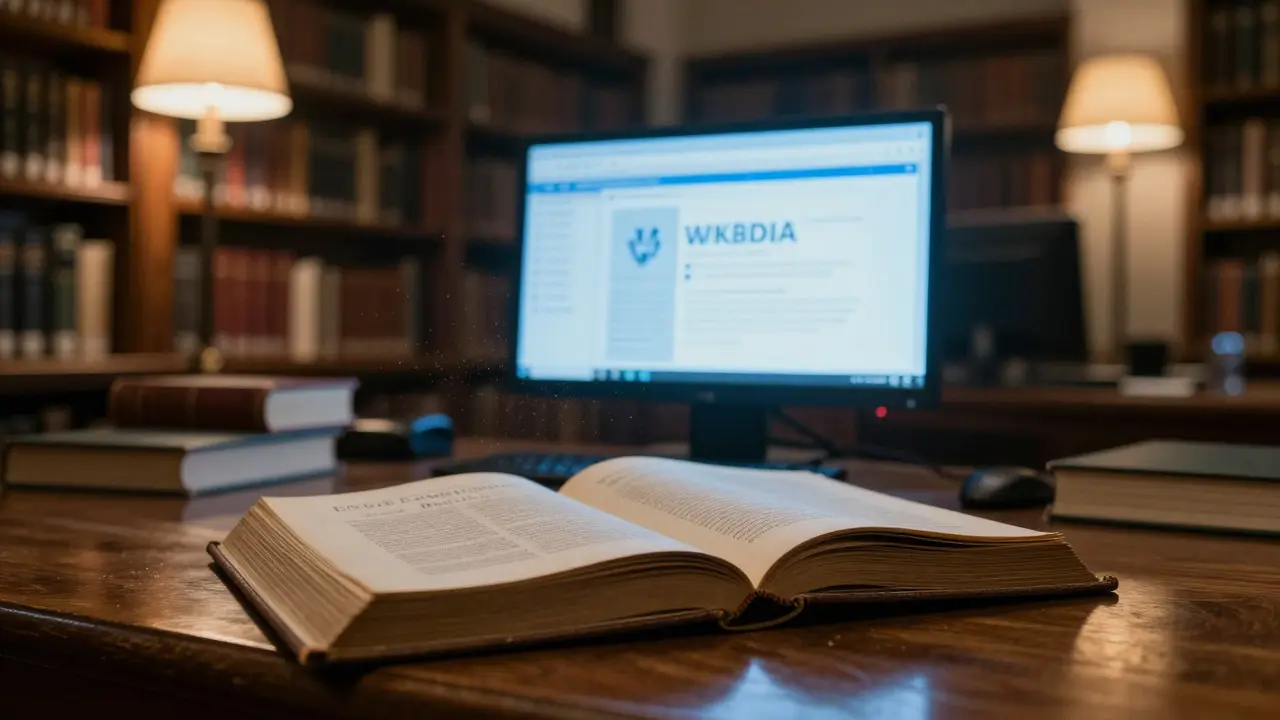
Academic Studies About Wikipedia: A Comprehensive Index
Discover what academic studies reveal about Wikipedia's accuracy, bias, and community dynamics. From the famous Britannica comparison to modern analyses of edit wars, this overview indexes key research findings.
Bias Audits of Wikipedia Content: Gender, Race, and Region
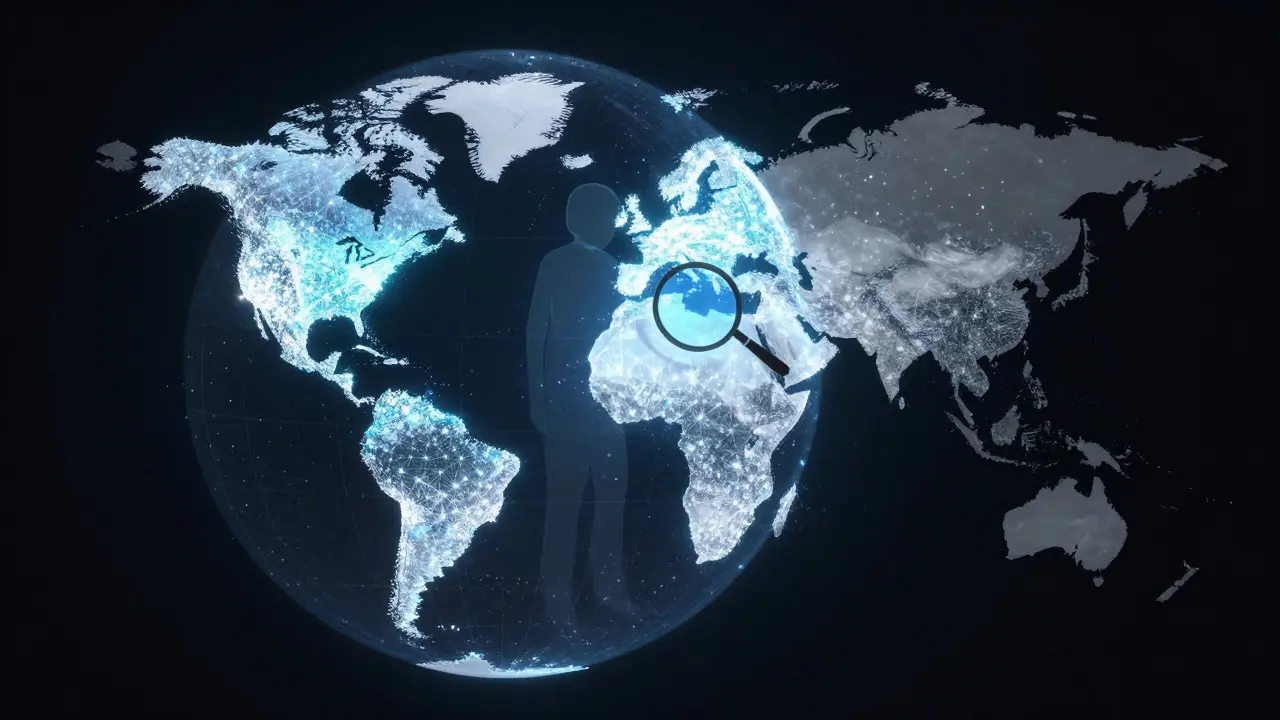
Discover how systematic bias in Wikipedia affects gender, race, and regional representation. Learn practical methods to audit content gaps and improve the neutrality of one of the world's largest knowledge bases.

AI-Generated Content on Wikipedia: Opportunities and Concerns
Explore how AI is reshaping Wikipedia. Learn about the risks of hallucinations, the benefits of faster translation, and practical tips for editors navigating this new era.