Wikimedia Foundation
When you use Wikipedia, you’re relying on the Wikimedia Foundation, a non-profit organization that operates Wikipedia and its sister projects. Also known as WMF, it doesn’t write articles — it keeps the servers running, pays for legal defense, and supports tools that help volunteers edit safely and efficiently. The Foundation’s job is simple in theory: make sure free knowledge stays online, accessible, and free from censorship. But behind that simplicity are complex decisions about money, power, and who gets to shape what the world knows.
The Wikimedia Enterprise, a commercial service launched to sell Wikipedia data to big companies, is one of the biggest shifts in its history. It brings in millions, but many volunteers worry it creates a two-tier system — where corporations get fast, paid access while editors still struggle with outdated tools. Then there’s Wikidata, a structured database that connects facts across all language versions of Wikipedia. It’s the quiet engine that lets you search for a scientist in English and see their birthplace in Hindi, Arabic, or Swahili — all updated in one place. Without Wikidata, Wikipedia would be a collection of isolated pages, not a global knowledge graph.
And then there are the people. The Wikimedia Foundation doesn’t employ most of the editors who fix typos, fight vandalism, or write deep articles on climate science or Indigenous history. Those are volunteers — tens of thousands of them — working in their spare time, often under pressure from harassment, burnout, or legal threats. The Foundation tries to protect them with safety policies and legal aid, but the gap between its resources and the scale of the problem keeps growing. When a journalist uses Wikipedia to fact-check a story, or a student in a rural town finds their hometown’s history documented for the first time, they’re benefiting from a system built by unpaid people, supported by a non-profit that’s always one funding cycle away from hard choices.
What you’ll find in the posts below isn’t just news about the Foundation — it’s the real-world ripple effects of its decisions. From how copyright takedowns erase local history, to how AI tools are changing editing workflows, to how volunteers are fighting bias in coverage of Indigenous communities — every story ties back to who holds power, who gets heard, and what happens when free knowledge meets corporate interests, political pressure, and human limits. This isn’t about corporate press releases. It’s about what happens when a global encyclopedia is run by volunteers, funded by donations, and watched by billions.

The Signpost: How Wikipedia’s Newsletter Drives Transparency and Accountability
Discover how The Wikipedia Signpost drives transparency and accountability in the world's largest encyclopedia. Learn why this volunteer-run newspaper is essential for community governance.

University Labs Focused on Wikipedia: Centers, Grants, and Projects
Discover how university labs transform academic research into public knowledge through Wikipedia editing. Learn about funding models, key projects, and how to get involved.

Wikimania Conference: The Annual Gathering of Wikimedia Communities
Discover Wikimania, the annual gathering of Wikimedia communities. Learn why editors, developers, and activists meet to shape the future of free knowledge.

Wikimedia Foundation Affiliates Program: A Guide to Local Community Support
Discover how the Wikimedia Foundation Affiliates Program empowers local communities to support free knowledge. Learn about chapters, user groups, and funding.

What Is the Wikimedia Foundation? Inside Wikipedia's Nonprofit Engine
Discover what the Wikimedia Foundation really is. Learn how this non-profit powers Wikipedia, funds its operations without ads, and manages global volunteer communities.

Wikimedia Foundation Board Meeting Highlights: Key Decisions for Wikipedia's Future
Discover how the Wikimedia Foundation Board guides Wikipedia's future. From AI integration to global equity, see the key decisions shaping the world's largest free encyclopedia.

Labor Journalism: The Hidden Costs of Wikipedia Volunteerism
Explore the hidden labor dynamics of Wikipedia, where unpaid volunteers drive the world's largest encyclopedia. Discover how burnout, governance issues, and lack of compensation impact content quality and sustainability.

Notable Wikipedia Contributors: Who Are the Most Influential Editors?
Discover who really writes Wikipedia. From teenage enthusiasts to retired experts, explore the demographics and profiles of influential editors shaping the world's largest encyclopedia today.

Wikimedia Strategy Implementation: What’s Changing for Wikipedia in 2026
Discover how the Wikimedia Strategy is transforming Wikipedia in 2026. Learn about regional hubs, governance shifts, and what these changes mean for editors and readers.
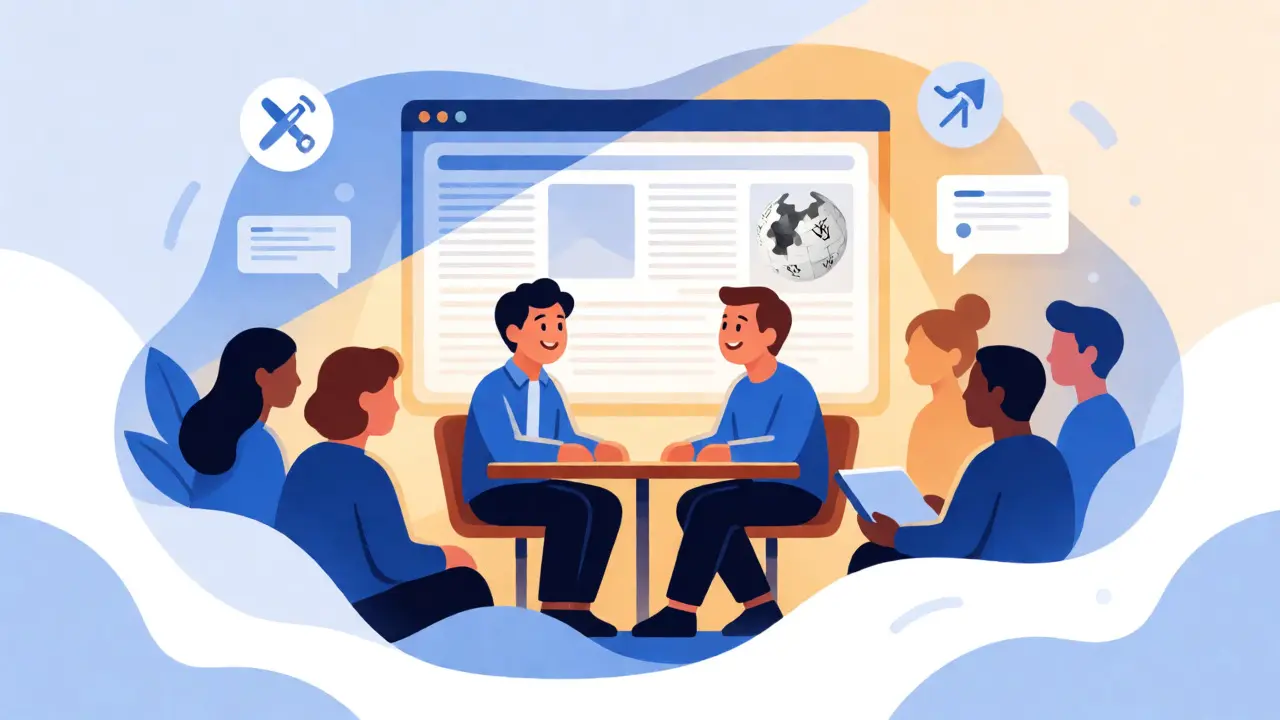
Inside The Signpost: How Wikipedia Interviews Wikipedians and Staff
Discover how The Signpost profiles Wikipedians and Wikimedia Foundation staff. Learn about interview formats, ethical considerations, and community impact.
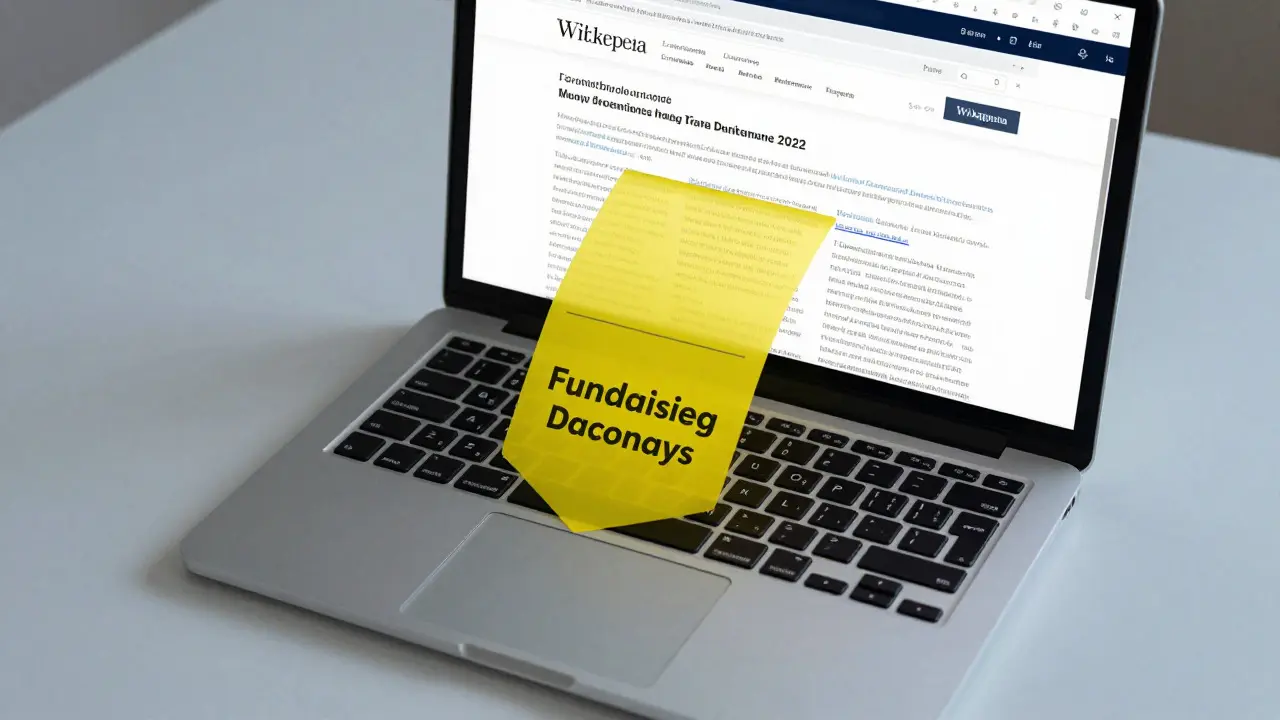
Fundraising Banner Strategies: Testing and Outcomes on Wikipedia
Discover how the Wikimedia Foundation uses A/B testing and data analytics to optimize Wikipedia fundraising banners. Learn why simplicity wins and how segmentation drives donations.

Staff Perspectives: Inside the Teams Building Wikipedia
Discover the hidden teams behind Wikipedia, from engineers maintaining MediaWiki to program officers managing community disputes. Learn how the Wikimedia Foundation keeps the world's largest encyclopedia running smoothly.