Imagine typing your name into a search bar. Instead of your LinkedIn profile or a local news mention, the first result is a paragraph detailing a minor legal dispute from ten years ago. Or worse, an unverified rumor about your health status. This isn't just an invasion of privacy; it’s a permanent digital scar that affects job prospects, relationships, and mental well-being. For millions of people who find themselves on the internet without consent, this scenario is real. It highlights the critical tension at the heart of modern information sharing: the public’s right to know versus an individual’s right to be left alone.
This conflict is most visible in collaborative online encyclopedias like Wikipedia, which operates under a strict set of guidelines known as the Biographies of Living Persons (BLP) policy. The BLP policy is not just a rulebook for editors; it is a global standard for how we handle sensitive information about people who are still alive. As we move through 2026, with AI-generated content flooding the web and deepfakes becoming harder to detect, understanding this balance between privacy and publicity is more important than ever.
The Core Principle: Verifiability Over Truth
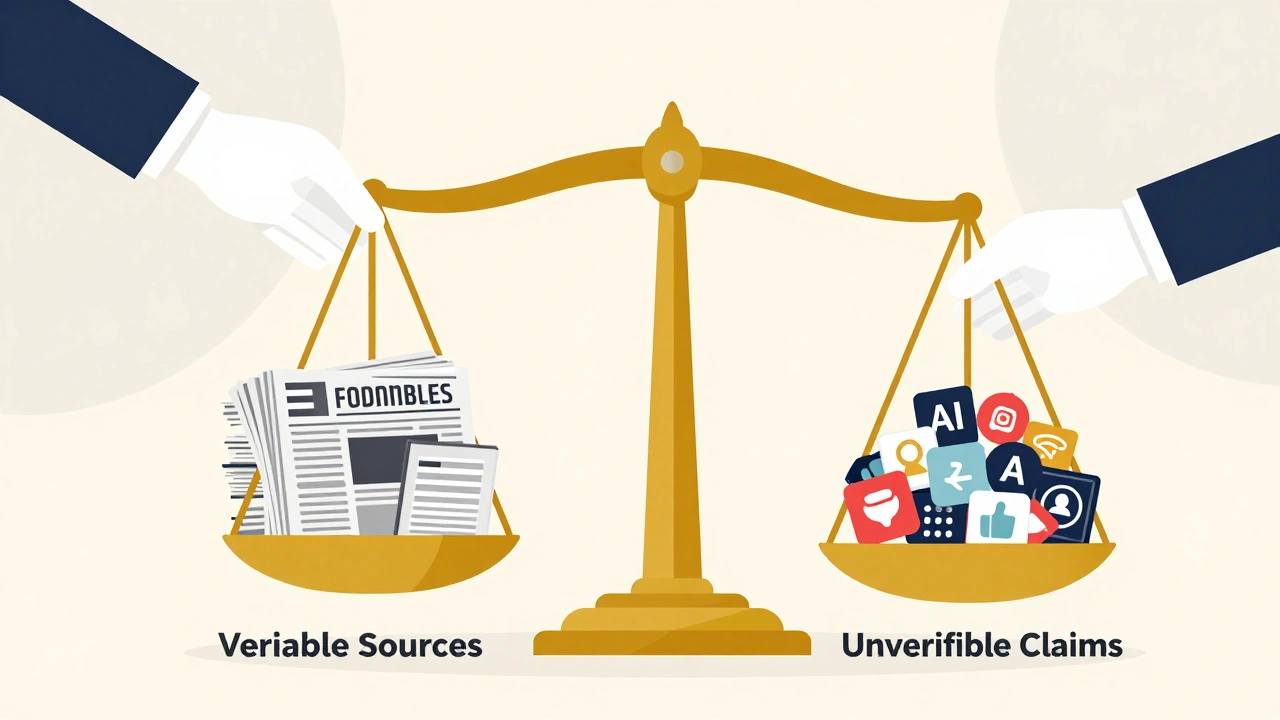
At its foundation, the BLP policy rests on a simple but powerful idea: if you can’t prove it with a reliable source, it doesn’t belong in the article. This might sound obvious, but in the world of open editing, where anyone can add text to any page, it is a radical constraint. The policy does not ask whether a claim is true or false. It asks whether a reputable publication has already said it.
This distinction matters because truth is often subjective or contested. Was a politician’s decision "corrupt" or just "unpopular"? Was a celebrity’s behavior "abusive" or "eccentric"? These are judgments. Reliable sources-such as major newspapers, peer-reviewed journals, or official court records-have already done the work of verifying facts. By relying on them, the encyclopedia avoids becoming a battleground for personal vendettas or unproven gossip.
For example, consider a local business owner accused of fraud. If no court has convicted them and no major news outlet has investigated the claim, including that accusation in their biography would violate the BLP policy. Even if the accusation feels true to some readers, the lack of verifiable evidence means it must be removed. This protects individuals from being defined by rumors while ensuring that only significant, documented events shape their public narrative.
Why Negative Information Gets Extra Scrutiny
You might wonder why positive claims don’t get the same level of skepticism. The answer lies in harm reduction. A false positive claim-like saying someone won an award they didn’t win-is usually harmless. It might make the person feel good temporarily, but it rarely damages their life. A false negative claim, however, can destroy reputations overnight.
The BLP policy treats negative information with extreme caution. This includes allegations of crime, misconduct, or unethical behavior. Editors are instructed to remove such content immediately if it lacks proper sourcing. In many cases, even well-sourced negative information is debated heavily before inclusion. The community weighs the significance of the event against the potential harm to the subject.
This approach reflects a broader ethical shift in digital media. In the early days of the internet, the motto was "information wants to be free." Today, we recognize that unrestricted information flow can cause real-world damage. The BLP policy acknowledges that privacy is not just a legal right but a human need. People deserve control over how their lives are presented to the world, especially when those presentations are permanent and searchable.
The Role of Reliable Sources in Defining Reputation
So, what counts as a reliable source? This is one of the most debated aspects of the policy. Generally, self-published materials like blogs, social media posts, and press releases are considered unreliable. They lack editorial oversight and fact-checking processes. Instead, the policy favors secondary sources that have a reputation for accuracy.
- Mainstream News Outlets: Organizations like The New York Times, BBC, or Reuters undergo rigorous verification before publishing stories about living persons.
- Academic Journals: Peer-reviewed research provides high-quality analysis of public figures’ contributions to science, politics, or culture.
- Official Records: Court documents, government filings, and census data offer factual, non-opinionated information.
However, reliability is contextual. A tabloid magazine might be reliable for reporting on a celebrity’s fashion choices but not for claiming they committed a crime. Similarly, a niche industry blog might be trustworthy for technical achievements but not for personal scandals. Editors must evaluate each source based on its expertise and track record.
In 2025, the rise of AI-generated journalism complicated this further. Some platforms now produce articles using automated tools that scrape existing content. While these pieces may cite original sources, they often lack the nuanced judgment of human journalists. The BLP community has responded by tightening standards, requiring multiple independent sources for controversial claims involving AI-reported events.
When Privacy Clashes with Public Interest
Not all information about living persons should be private. Public officials, celebrities, and influential leaders operate in the spotlight for a reason. Their actions affect society, so the public has a legitimate interest in knowing about them. But where do we draw the line?
The BLP policy uses the concept of "notability" to guide this decision. Notability doesn’t mean fame; it means having received significant coverage in reliable sources. If a person has achieved notability, their biography can include details about their professional life, public statements, and documented controversies. However, purely private matters-like family disputes, medical history, or financial details unrelated to public office-are generally excluded unless they directly impact their public role.
Consider a mayor involved in a zoning controversy. The policy allows discussion of the zoning issue itself, including votes made and public reactions. But it prohibits speculation about the mayor’s personal motivations or private conversations unless those were recorded and published by a reliable source. This balance ensures transparency without turning every public figure into a target for intrusive surveillance.
Legal Risks and Global Variations
The BLP policy also serves as a shield against legal liability. Defamation laws vary widely around the world. In the United States, the First Amendment offers strong protection for speech, making it difficult for public figures to sue for libel unless they can prove actual malice. In contrast, countries like Germany and France have stricter defamation laws that prioritize protecting individual honor.
Because Wikipedia is accessible globally, its policies must account for these differences. The BLP policy errs on the side of caution to avoid violating international laws. This means removing content that might be acceptable in one country but illegal in another. For instance, publishing someone’s home address or phone number is prohibited everywhere due to safety concerns, regardless of local defamation statutes.
Additionally, the policy addresses emerging threats like doxxing-the act of revealing private information online to harass someone. Doxxing violates both the spirit and letter of the BLP policy. Communities actively monitor for such behavior and ban users who engage in it. This proactive stance helps maintain trust among contributors and subjects alike.

Practical Steps for Managing Your Online Biography
If you’re reading this because you found yourself on a wiki-style site, here’s what you should do. First, stay calm. Panic leads to impulsive edits that often backfire. Second, review the content objectively. Is it accurate? Is it sourced? If it’s false or unsourced, you have grounds for removal.
- Document Everything: Take screenshots of the problematic content. Note dates and times.
- Contact Administrators: Use the platform’s official channels to report violations. Explain clearly why the content breaks policy.
- Avoid Edit Wars: Don’t repeatedly delete and re-add content. This escalates conflicts and can get you banned. Let experienced mediators handle disputes.
- Seek Legal Advice if Necessary: If the content causes severe harm, consult a lawyer specializing in internet law. Most platforms cooperate with lawful takedown requests.
Remember, you aren’t fighting against the entire internet. You’re working within a system designed to protect everyone-including you-from misinformation. The BLP policy exists precisely because volunteers believe that dignity matters more than drama.
The Future of Biographical Policies in an AI World
As artificial intelligence becomes more integrated into content creation, the challenges facing biographical policies will grow. AI models can generate plausible-sounding biographies in seconds, sometimes mixing fact with fiction. Without robust safeguards, these synthetic profiles could spread rapidly across the web.
To combat this, organizations are developing new verification technologies. Blockchain-based provenance tracking, for example, could link every piece of biographical data back to its original source. Digital watermarks might indicate whether a photo or quote was verified by humans or generated by machines. These innovations promise greater accountability but also raise questions about accessibility and censorship.
Moreover, the definition of "reliable source" may evolve. Traditional media outlets face declining trust, while citizen journalists gain influence. Will future policies accept curated social media feeds as valid references? Only time will tell. What remains constant is the need for thoughtful governance. Technology changes, but human values endure.
What happens if I write something bad about myself on Wikipedia?
Self-promotion or self-deprecation is discouraged. If you add negative information about yourself without reliable sources, editors will likely remove it. The goal is neutrality, not autobiography. Focus on citing external reports instead of writing your own story.
Can I force Wikipedia to delete my page?
No, you cannot unilaterally delete a page. Deletion requires consensus from the community. If your page meets notability guidelines and contains only verified information, it will remain. However, you can request changes to inaccurate or unsourced sections.
Is it illegal to publish private information about someone online?
It depends on jurisdiction and context. In many places, publishing certain private details like SSNs or medical records is illegal. Other information may fall under defamation or harassment laws. Always check local regulations before sharing sensitive data.
How long does it take to resolve a BLP violation?
Resolution times vary. Simple errors may be fixed within hours. Complex disputes involving legal implications can take weeks or months. Patience and clear communication speed up the process significantly.
Do other websites follow similar privacy rules?
Many platforms adopt comparable standards. Google removes personally identifiable information upon request. Social networks allow users to control visibility settings. Yet few enforce systematic editorial policies like Wikipedia’s BLP framework.