Walk into any university library or tech conference, and you’ll hear the same complaint about Wikipedia: it’s biased. The data backs this up. For years, the platform has struggled with a significant imbalance in both its editor base and the content it produces. But if you think nothing has changed since the early 2010s, you’re missing a massive shift happening right now. In 2025 and early 2026, the Wikimedia Movement has moved beyond simple awareness campaigns. We are seeing structural changes, new funding models, and technology-driven interventions designed to fix the root causes of exclusion.
This isn’t just about adding more women editors. It’s about decolonizing knowledge, supporting indigenous languages, and ensuring that the Global South has a seat at the table. If you rely on Wikipedia for research, education, or business intelligence, these updates matter because they directly impact the reliability and breadth of the information you access every day.
The State of Community Demographics in 2026
To understand where we are going, we have to look at where we stand. The demographic profile of Wikipedia editors remains heavily skewed toward men, white individuals, and residents of North America and Europe. However, recent surveys from the Wikimedia Foundation show slow but steady progress. The percentage of self-identified female editors has crept up to approximately 28%, up from roughly 16% a decade ago. While still far from parity, this represents a tangible shift in recruitment and retention strategies.
More importantly, the geographic distribution is diversifying. Editors from Africa, Southeast Asia, and Latin America are increasingly active, driven by local chapters and affiliate organizations. This matters because local editors bring context that global editors often miss. A topic might be trivial to an editor in San Francisco but culturally vital to an editor in Nairobi. These demographic shifts are beginning to reflect in the content, with noticeable improvements in coverage of non-Western history, literature, and science.
Strategic Pillars: From Awareness to Action
The old approach was "edit-a-thons." Gather people in a room, give them pizza, and ask them to add names to lists. That model had limits. It created spikes in activity but rarely led to long-term retention. The current strategy, outlined in the updated Movement Strategy 2030, focuses on three core pillars: infrastructure, inclusion, and sustainability.
- Infrastructure: Building tools that make editing easier for newcomers. This includes AI-assisted translation tools and simplified interfaces for mobile users, who constitute the majority of readers in many developing regions.
- Inclusion: Targeted support for underrepresented groups, including LGBTQ+ communities, indigenous peoples, and disabled editors. This involves not just recruiting editors but also creating safe spaces within the community culture.
- Sustainability: Ensuring that local affiliates have the financial resources to operate independently. This reduces reliance on Western funding and allows local priorities to drive initiatives.
These pillars are interconnected. You can’t have inclusion without the right infrastructure, and you can’t sustain infrastructure without diverse funding. The movement is learning that diversity isn’t a side project; it’s essential for the survival of the encyclopedia itself.
Technology as an Equalizer
One of the most exciting developments in recent years is the integration of artificial intelligence into the editing workflow. Tools like AI Translate allow editors to contribute in their native language while automatically generating translations for other language editions. This breaks down the barrier of English proficiency, which has historically been a gatekeeper for non-native speakers.
Additionally, new algorithms are being tested to detect bias in article tone and sourcing. These tools don’t replace human judgment, but they flag potential issues before they become entrenched. For example, an article about a political figure might inadvertently rely heavily on sources from one country. The system can prompt editors to seek more balanced perspectives. This technological layer supports the human effort, making it easier for volunteers to maintain neutrality and comprehensiveness.
Focus on Indigenous Knowledge and Languages
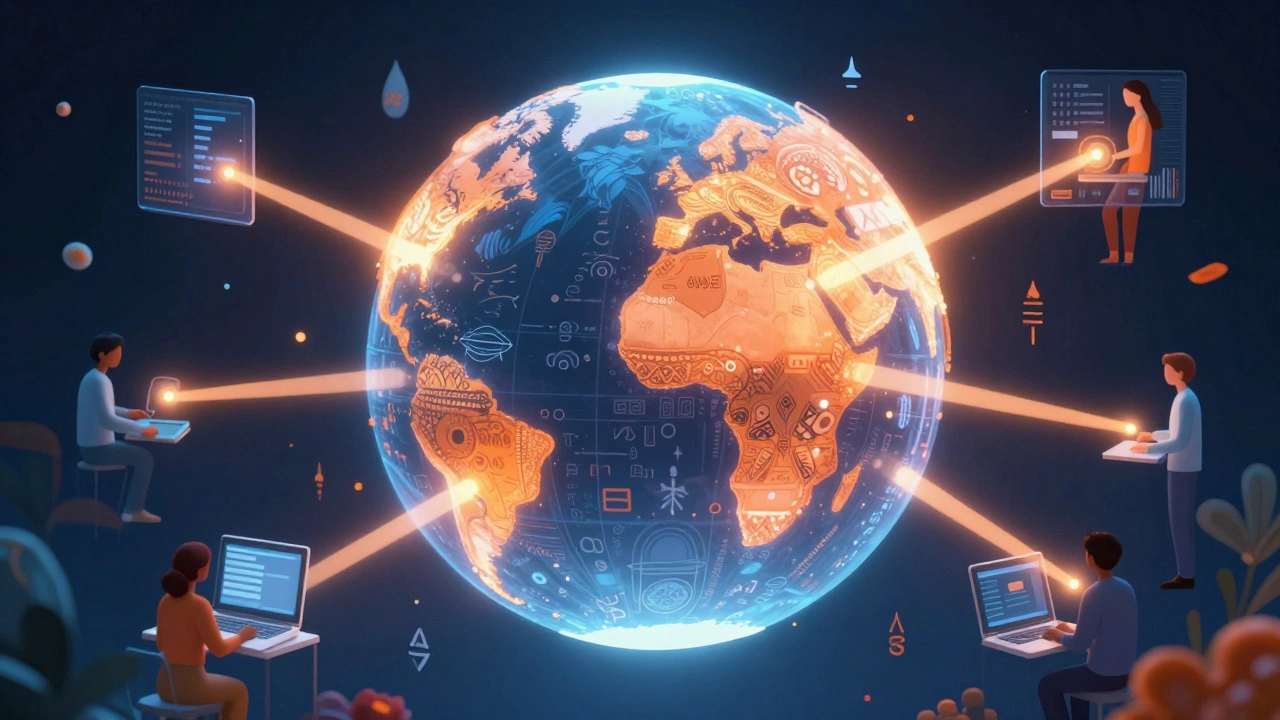
A major priority for the Wikimedia Movement in 2026 is the preservation and promotion of indigenous languages. There are over 7,000 languages spoken worldwide, but only a fraction have active Wikipedia editions. Many of these languages are endangered, with fewer than 1,000 speakers remaining. By supporting these language editions, the movement helps preserve cultural heritage that might otherwise be lost.
Initiatives like the Wiki Loves Earth and Wiki Loves Folklore campaigns have expanded to include specific tracks for indigenous contributions. Local communities are encouraged to upload photos, stories, and historical records. This not only enriches the content but also empowers these communities to tell their own stories on their own terms. It’s a shift from extraction to collaboration.
| Metric | 2020 Value | 2026 Estimate | Impact Area |
|---|---|---|---|
| Female Editors (%) | 16% | 28% | Gender Gap Reduction |
| Editors from Global South (%) | 25% | 40% | Geographic Diversity |
| Active Language Editions | 315 | 340+ | Linguistic Inclusion |
| Articles on Women (English) | ~100,000 | ~180,000 | Content Representation |
Funding Models and Financial Independence
Diversity initiatives require money. Historically, funding flowed primarily from Western donors, which could subtly influence priorities. To counter this, the Wikimedia Foundation has introduced new grant structures that prioritize local fundraising. Affiliates in countries like India, Brazil, and Kenya are now raising significant portions of their budgets locally. This financial independence allows them to focus on issues that matter to their communities, rather than those dictated by external funders.
Moreover, there is a growing emphasis on corporate partnerships that align with diversity goals. Tech companies are sponsoring programs that train marginalized groups in digital literacy and open-source contribution. These partnerships provide not just funds, but also mentorship and technical expertise. However, the movement remains vigilant about maintaining editorial independence, ensuring that sponsors do not influence content.

Challenges and Criticisms
Despite the progress, challenges remain. Some critics argue that the pace of change is too slow. Others point out that internal community conflicts can sometimes derail diversity efforts. The volunteer nature of the project means that enforcement of policies can be inconsistent. Harassment of minority editors is still a concern, although reporting mechanisms have improved significantly.
There is also the issue of "tokenism." Simply increasing numbers without addressing underlying cultural barriers can lead to frustration and burnout among new editors. The movement is working on creating more welcoming onboarding experiences and providing better support for editors who face harassment or discrimination. This requires ongoing training for administrators and community leaders.
What This Means for Users
If you use Wikipedia daily, you might not notice these changes immediately. They happen behind the scenes. But over time, you will see articles becoming more nuanced, covering a wider range of topics, and reflecting diverse perspectives. For students and researchers, this means higher quality and more reliable information. For businesses, it means a better understanding of global markets and cultures.
The Wikimedia Movement’s commitment to diversity is not just a moral imperative; it’s a practical necessity. An encyclopedia that doesn’t represent the world accurately is failing its mission. By investing in diverse voices, the movement ensures that Wikipedia remains a relevant and trusted source of knowledge for generations to come.
How You Can Contribute
You don’t need to be an expert to help. Here are some actionable steps you can take today:
- Edit Locally: If you speak a minority language, consider contributing to that language edition. Even small edits help.
- Support Affiliates: Donate to local Wikimedia chapters in your region. Your support helps them run events and hire staff.
- Advocate for Open Knowledge: Encourage your workplace or school to value open-source contributions. Highlight the importance of diverse perspectives in knowledge creation.
- Report Bias: If you notice biased content, report it through the appropriate channels. Constructive feedback helps improve articles.
Every edit counts. Every voice matters. The future of Wikipedia depends on all of us.
Has the gender gap on Wikipedia actually closed?
Not completely, but it has narrowed. Female editors now make up about 28% of the community, up from 16% in 2016. While parity hasn't been reached, the trend is positive due to targeted recruitment and retention programs.
How does AI help with diversity on Wikipedia?
AI tools assist with translation, allowing editors to contribute in their native languages. They also help detect bias in sourcing and tone, prompting editors to seek more balanced perspectives. This lowers the barrier to entry for non-native English speakers.
Why is funding from the Global South important?
Local funding ensures that priorities are set by the communities themselves, rather than external donors. It promotes financial independence and allows affiliates to focus on issues that are culturally and socially relevant to their regions.
What is the 'Movement Strategy 2030'?
It is a long-term plan developed by the Wikimedia community to guide the movement's growth and direction. Key goals include knowledge equity, technological innovation, and community sustainability, with a strong emphasis on inclusivity.
Can I donate to support diversity initiatives?
Yes. You can donate to the Wikimedia Foundation or specific local chapters. Donations help fund outreach programs, training workshops, and technical tools that support underrepresented editors.