The Wikimedia Foundation Board of Trustees oversees the future of Wikipedia and all its sister projects. In 2025, the board election process is underway, and this year’s vote carries special weight. With Wikipedia now serving over 2 billion people each month, the people who lead the Foundation have real power to shape how knowledge is shared, protected, and expanded - or restricted.
Who Gets to Vote?
This isn’t a corporate board election where shareholders cast ballots. It’s a community vote. Anyone who has made at least 300 edits across any Wikimedia project before December 31, 2024, is eligible to vote. That includes editors on Wikipedia, Wiktionary, Wikimedia Commons, Wikidata, and even smaller projects like Wikisource or Wikivoyage. Over 140,000 editors qualified to vote this year, up from 128,000 in 2023. The increase reflects growing global participation, especially from editors in Africa, Southeast Asia, and Latin America.
The voting system uses a single transferable vote (STV) method. This means voters rank candidates in order of preference, not just pick one. If your top choice doesn’t win, your vote can still count toward your second or third pick. It’s designed to avoid "spoiler" candidates and give minority voices a fair shot. This method has been used since 2017 and has improved representation across gender, geography, and language communities.
Who’s Running?
This year’s slate includes 17 candidates from 12 countries. The board has seven seats total: three elected by the community, three appointed by the Foundation, and one appointed by the Affiliates Committee. The 2025 election is for the three community-elected seats.
Among the candidates:
- A long-time Arabic-language editor from Egypt who has led outreach programs for underrepresented dialects.
- A retired university professor from Brazil who helped build the first Portuguese-language Wikipedia editing workshops in rural schools.
- A software engineer from India who maintains the mobile app for Wikipedia and has pushed for better accessibility tools for low-bandwidth regions.
- A Wikimedia volunteer from Nigeria who runs a nonprofit training young women in digital literacy.
- A former staff member of the Wikimedia Foundation who now leads a global digital rights nonprofit.
For the first time, more than half of the candidates identify as women or non-binary. Two candidates are from countries where Wikipedia is blocked or heavily censored. Their inclusion marks a shift - the community is demanding trustees who understand censorship, not just technology.

What Does the Board Actually Do?
Many people think the Board runs Wikipedia day-to-day. It doesn’t. That’s handled by staff and volunteer administrators. The Board’s job is strategic: setting long-term goals, approving budgets, hiring the Executive Director, and ensuring legal and financial health.
They decide whether to invest in AI tools that help detect vandalism - or whether to ban them over privacy concerns. They choose whether to support new language editions in endangered languages. They approve partnerships - like the one with libraries in Kenya to digitize local archives - or reject them if they risk compromising neutrality.
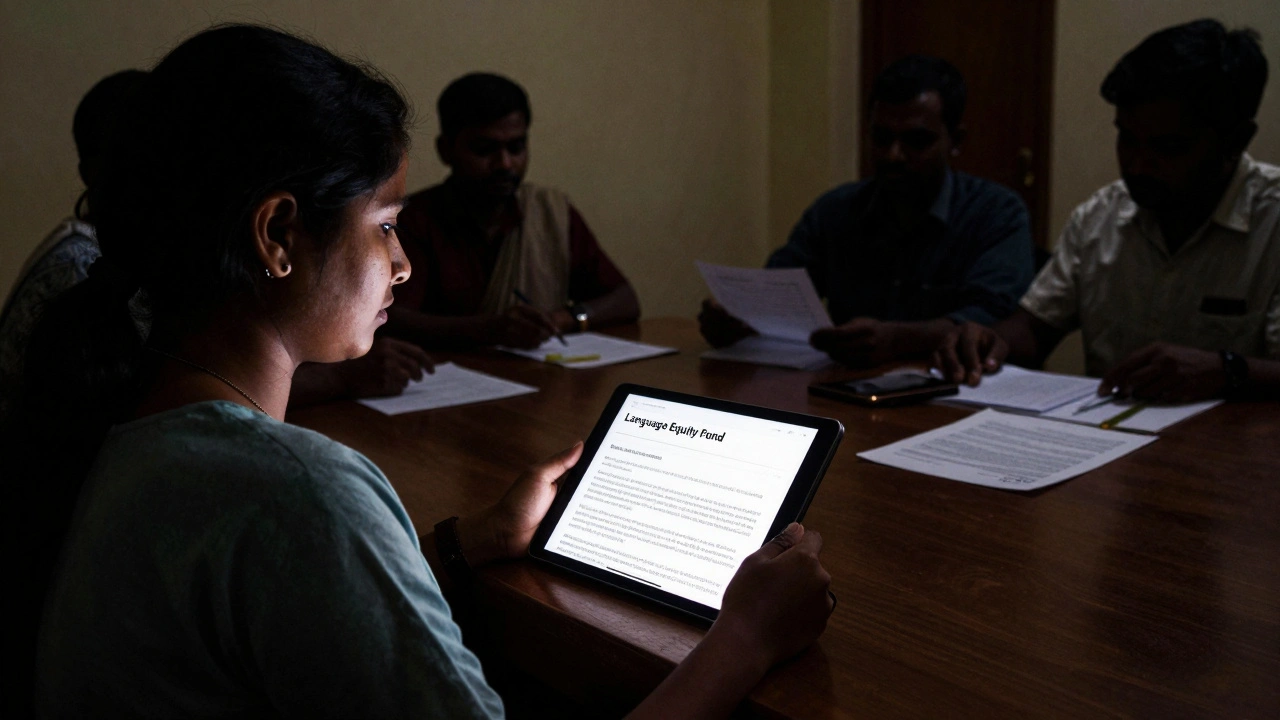
In 2024, the Board approved a $25 million fund to improve content equity. That money is now being used to train editors in the Global South, pay for translation tools for minority languages, and hire regional liaisons. These decisions don’t make headlines. But they determine whether a farmer in rural Bangladesh can find farming tips in her native dialect - or whether she’s locked out of the world’s largest encyclopedia.
Why This Election Matters Now
2025 comes at a turning point. Wikipedia’s traffic has plateaued in North America and Western Europe, but is growing fast in Africa and South Asia. Yet, 80% of content still comes from just 10 countries. The Board has to decide: do we double down on the current model - where English dominates - or shift resources to make non-English editions the priority?
There’s also pressure over AI. Major tech companies are using Wikipedia data to train their models. Some trustees want to partner with them to secure funding. Others fear that could lead to copyright violations, or worse - Wikipedia becoming a training ground for corporate AI without giving back to the community.
And then there’s safety. Harassment of editors, especially women and LGBTQ+ contributors, has risen. The Board controls the budget for trust and safety staff. Last year, only 12 full-time staff were assigned to handle abuse reports across 300+ language editions. That’s less than one person per 25 million users. Voters this year are asking: who will fight for the people who make Wikipedia possible?
How to Participate
If you’re eligible, you can vote between March 1 and March 31, 2025. The ballot is available on Meta-Wiki in over 40 languages. You don’t need to be a tech expert. You just need to care about whether Wikipedia stays open, free, and fair.
Before voting, read the candidate statements. They’re not marketing pitches. They’re detailed plans - some include timelines, budget proposals, and even conflict-of-interest disclosures. One candidate proposed a "global editor council" to give non-English speakers direct input. Another suggested a "transparency dashboard" showing how funds are spent.
Don’t just vote for the name you recognize. Vote for the person who understands your community’s needs. If you speak Swahili, Hindi, Quechua, or any language that’s underrepresented - your vote matters more than ever.
What Happens After the Vote?
Results are announced on April 15, 2025. The new trustees take office on July 1. They’ll serve three-year terms. Their first major task? Reviewing the Foundation’s 2026 budget proposal - which includes funding for AI ethics, language equity, and editor retention programs.
The outcome won’t change Wikipedia overnight. But it will set the direction for the next decade. Will the Foundation become a global knowledge hub, or just a glorified English-language archive? Will it protect its editors - or leave them vulnerable? Will it adapt, or cling to old models?
The answer isn’t in the hands of engineers or executives. It’s in yours.
Who can vote in the Wikimedia Foundation Board elections?
Anyone who has made at least 300 edits across any Wikimedia project (like Wikipedia, Wikidata, or Commons) before December 31, 2024, is eligible. This includes editors from all language versions and project types. Voting is open from March 1 to March 31, 2025, and the ballot is available in over 40 languages on Meta-Wiki.
How are board members selected?
The Wikimedia Foundation Board has seven seats. Three are elected by the community using a single transferable vote system, three are appointed by the Foundation itself, and one is appointed by the Affiliates Committee. The community-elected seats are filled through open elections, where candidates are nominated and voted on by qualified editors. The process is transparent, with public candidate statements and live Q&A sessions.
Why does the Board care about language diversity?
Wikipedia’s mission is to make knowledge accessible to everyone. But over 80% of content comes from just 10 countries, and English dominates the platform. The Board controls funding for language initiatives - like tools to translate articles, train editors in underrepresented languages, and support local communities. Without deliberate investment, languages like Yoruba, Quechua, or Bengali will remain underdeveloped, locking out billions of potential readers.
What’s the role of AI in the 2025 elections?
AI is a major point of debate. Some candidates support using AI to detect vandalism or help editors, while others warn against letting companies use Wikipedia data to train commercial AI without fair compensation or transparency. The Board must decide whether to partner with tech firms - and under what conditions. Voters are looking for trustees who prioritize community control over corporate interests.
How are candidates vetted?
All candidates must submit public statements detailing their experience, goals, and potential conflicts of interest. The Board’s Nominations Committee reviews applications, and community members can ask questions during live sessions. Background checks are conducted for financial and legal compliance. There’s no endorsement from the Foundation - the community decides.