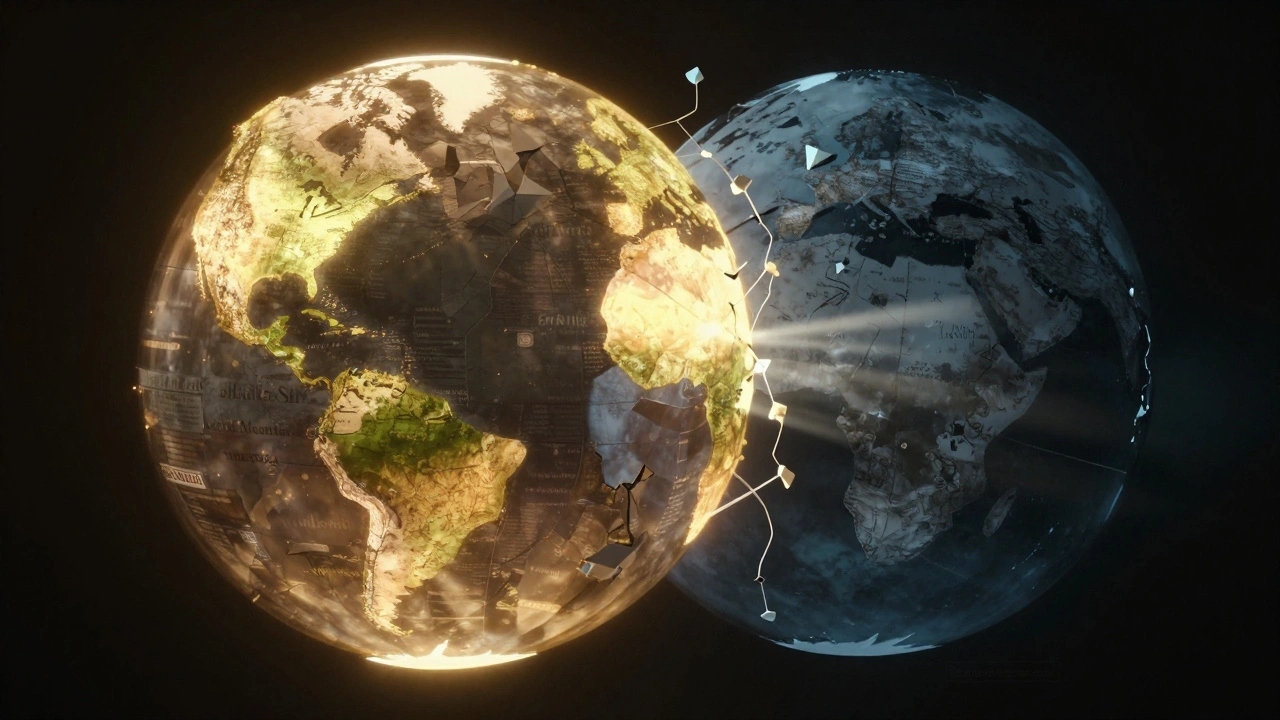
Imagine searching for information about a famous scientist from West Africa. You find a detailed biography in English. You switch to French, and the page exists but is just a stub. You try Portuguese, Spanish, or Swahili, and get nothing. This isn’t an accident. It’s systemic bias, which is a structural imbalance where certain topics, people, and cultures are overrepresented while others are underrepresented due to demographic and technical barriers. In the world of multilingual Wikipedia, this bias creates a fractured reality where truth depends on your language.
We often assume that because Wikipedia is free and open, it is neutral. But neutrality requires balance, and right now, the scale is tipped heavily toward Western, educated, industrialized, rich, and democratic (WEIRD) perspectives. If you only read the English edition, you see one version of history. If you read the Japanese or German editions, you see another. Bridging these gaps isn’t just about translation; it’s about correcting a global information inequality that affects how billions of people understand their own heritage and the world around them.
The Anatomy of the Language Gap
To fix the problem, we first have to understand why it exists. The core issue isn’t malice; it’s demographics and infrastructure. The English Wikipedia has over 6.8 million articles, making it the largest edition by a massive margin. The next largest, like German and Catalan, hover around 2.5 to 3 million. Meanwhile, hundreds of languages have fewer than 10,000 articles.
This disparity stems from three main factors:
- Editor Demographics: Historically, Wikipedia editors have been predominantly male, white, and based in North America or Europe. When the people writing the encyclopedia share similar backgrounds, the topics they care about-local politicians, niche sports teams, regional geography-get covered, while other areas remain blank.
- Source Availability: Reliable sources are the backbone of Wikipedia. However, high-quality, citable literature is disproportionately available in English. An editor in Nairobi might know everything about a local community leader, but if there are no published books or major news articles about them in English, that article gets deleted for lacking references.
- Technical Barriers: Input methods, keyboard layouts, and even the availability of spell-checkers vary wildly across languages. Editing in Arabic or Thai can be technically more challenging than editing in English, creating a friction point that discourages new contributors.
When you combine these factors, you get a system where the "global north" defines what is notable enough to be recorded. This is systemic bias in action.
Why Translation Alone Doesn't Work
A common suggestion is to simply translate the English articles into other languages. While this sounds efficient, it fails for two critical reasons. First, it reinforces the bias. If the English article focuses on a Western perspective, translating it spreads that same skewed viewpoint globally. Second, many topics simply don’t exist in English yet. There are thousands of indigenous plants, local folklore traditions, and regional historical events that are well-documented in local languages but unknown to the English-speaking world.
Consider the concept of Ubuntu in Southern African philosophy. It has deep roots and extensive documentation in Zulu and Xhosa. If we wait for an English academic paper to define it before allowing a Zulu Wikipedia article, we’ve already lost the cultural context. True bridging requires original creation in local languages, not just copy-pasting from English.
Strategies for Community-Led Correction
Fixing systemic bias requires shifting power back to local communities. Here are practical strategies that have shown success in recent years:
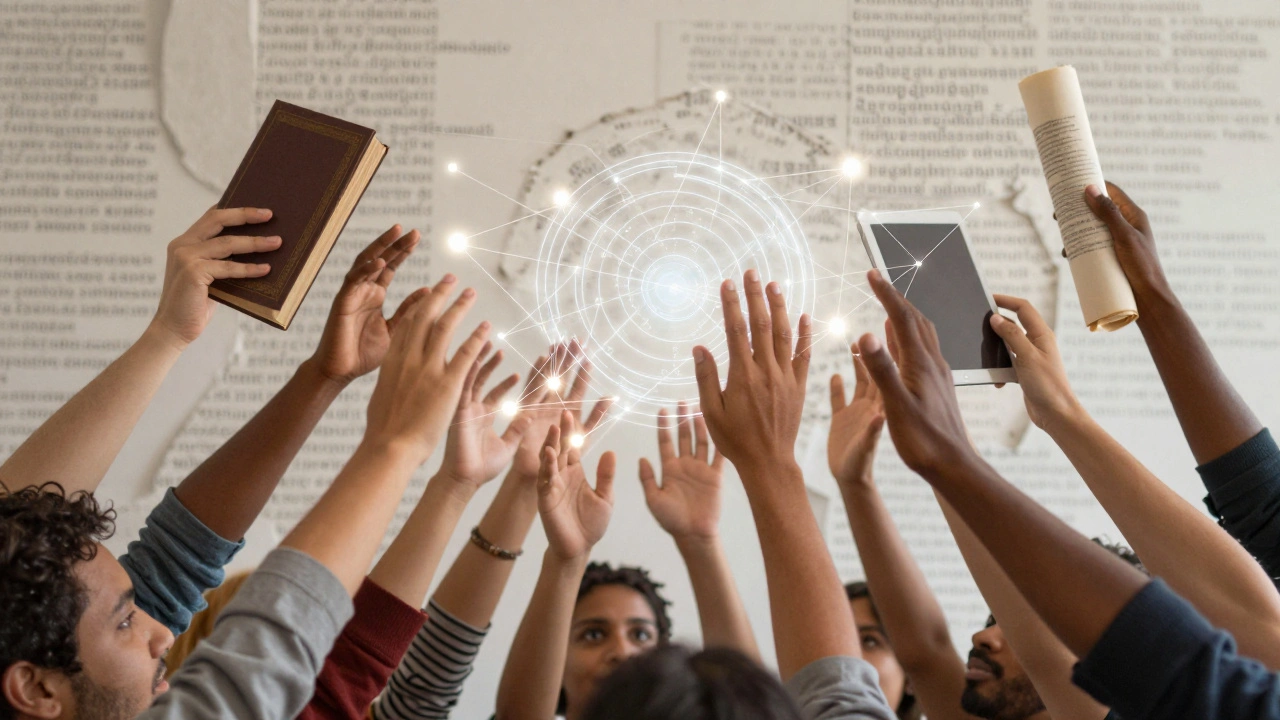
- Local Language Edit-a-thons: Instead of global campaigns, organize events focused on specific regions. For example, a campaign dedicated to adding articles about women scientists in India, written directly in Hindi or Tamil. This ensures the content is culturally relevant and uses locally available sources.
- Partnering with Libraries and Schools: Librarians are trusted gatekeepers of information. By training librarians in rural areas to edit Wikipedia in their native tongues, you tap into a network of knowledgeable locals who have access to physical archives and community histories.
- Improving Source Diversity: Wikipedia relies on secondary sources. We need to encourage the publication of reliable digital media in underrepresented languages. Podcasts, local newspapers, and university journals in non-English languages should be recognized as valid sources for verification.
These approaches treat each language edition as a unique ecosystem rather than a subordinate branch of the English site.
The Role of Technology and AI
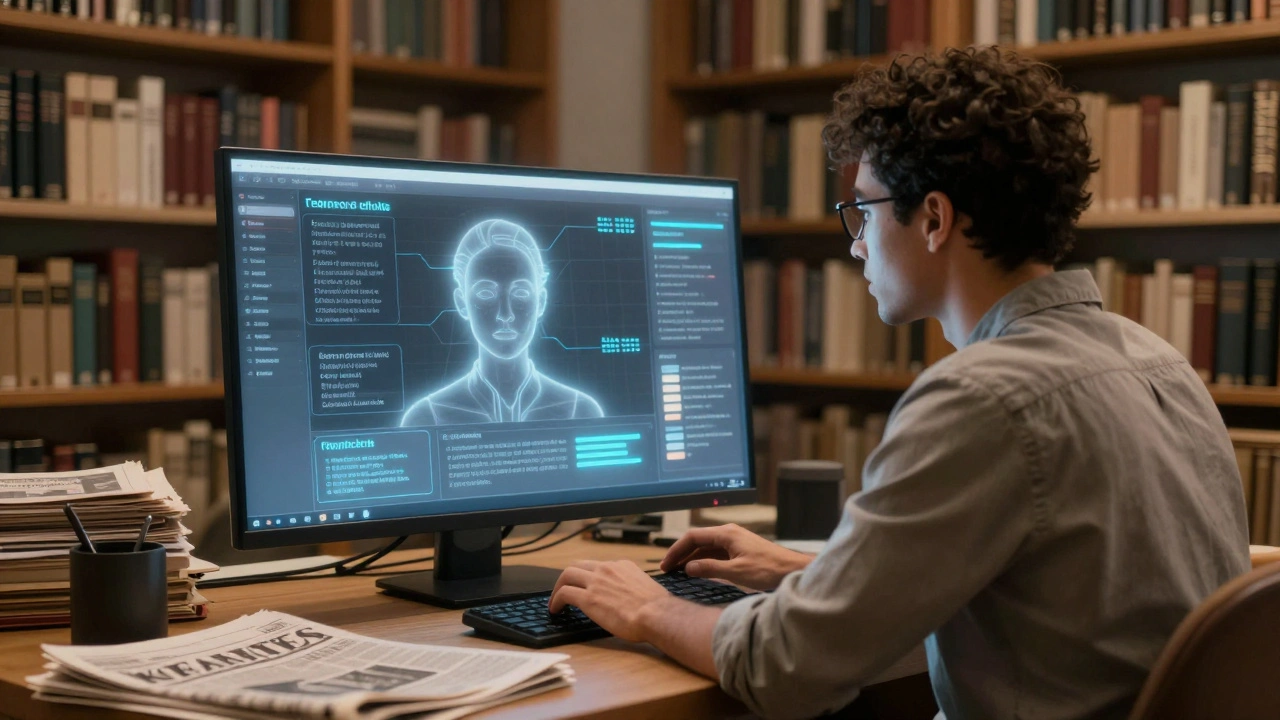
Technology can help, but it must be used carefully. Artificial Intelligence tools, particularly large language models, are being tested to assist with translation and summarization. However, AI models are trained largely on English data, meaning they often hallucinate facts or impose Western structures on non-Western concepts.
Instead of relying on full automation, the focus should be on assistive technology. Tools that suggest citations, check grammar in low-resource languages, or detect potential bias in tone can empower human editors without replacing them. For instance, a tool that alerts an editor when an article lacks representation of women or minority groups could serve as a helpful nudge during the editing process.
| Strategy | Pros | Cons | Best For |
|---|---|---|---|
| Mass Translation | Fast content growth | Reinforces existing bias | Scientific/Universal topics |
| Local Edit-a-thons | Culturally accurate | Requires local coordination | History, Culture, Biography |
| AI Assistance | Reduces technical friction | Risk of hallucination | Grammar/Citation checks |
Measuring Progress Beyond Article Count
How do we know if we’re succeeding? Counting articles is misleading. A language might have 50,000 articles, but if they are all about football players and pop stars, it still suffers from topical bias. We need better metrics.
Researchers at the Wikimedia Foundation have started looking at topic coverage diversity. This involves analyzing the distribution of articles across different categories like science, arts, politics, and geography. Another metric is editor diversity, tracking the geographic and gender distribution of active contributors. These qualitative measures give a clearer picture of health than raw numbers alone.
For example, the Swedish Wikipedia has a relatively small number of editors compared to English, but it has implemented strict policies against biographies of living persons unless they are highly notable. This results in a higher quality-to-quantity ratio, though it may miss some niche local topics. Understanding these trade-offs is essential for setting realistic goals.
Challenges in Policy and Enforcement
One of the biggest hurdles is policy inconsistency. Each language edition of Wikipedia sets its own rules. What is considered "notable" in English might be trivial in Japanese, and vice versa. This fragmentation makes it hard to apply universal anti-bias standards.
Furthermore, enforcement is volunteer-driven. Editors in busy communities like English or German have large bureaucracies to handle disputes. Smaller editions often lack the manpower to moderate vandalism or resolve conflicts, leading to burnout among key contributors. Supporting these smaller communities with mentorship programs and cross-language collaboration tools is crucial for sustainability.
The Path Forward: A Collaborative Ecosystem
Bridging systemic bias isn’t a task for a single organization. It requires a coalition of tech companies, universities, libraries, and local activists. Tech firms can provide better input tools and AI assistance. Universities can integrate Wikipedia editing into research curricula, teaching students to document their findings openly. Libraries can host editing workshops. And individuals can choose to contribute to languages they speak, even if it’s just fixing typos or adding a single paragraph.
The goal isn’t to make every language edition identical. That would be cultural erasure. The goal is to ensure that every language edition provides a comprehensive, accurate, and diverse reflection of the world, including the parts of the world that speak that language. When we bridge these gaps, we don’t just improve an encyclopedia; we validate the existence and importance of countless cultures and histories.
What is systemic bias in Wikipedia?
Systemic bias refers to the structural inequalities in content creation, where certain topics (like Western history or male figures) are overrepresented due to the demographics of editors and the availability of sources in dominant languages like English.
Why is the English Wikipedia so much larger than others?
The English Wikipedia benefits from having the most speakers globally, a high concentration of early adopters and tech-savvy users, and the vast majority of online reliable sources being in English, which lowers the barrier to entry for new editors.
Can AI fix Wikipedia's bias?
AI can assist by automating translations and checking grammar, but it cannot fully fix bias because AI models are trained on existing biased data. Human oversight and local community input are essential to ensure accuracy and cultural sensitivity.
How can I help reduce bias in my language?
You can start by identifying gaps in your local language edition. Look for topics related to your community, culture, or profession that are missing. Use local libraries and news archives to find reliable sources, and create or expand articles in your native tongue.
Is translation a good solution for content gaps?
Translation helps with universal topics like science, but it fails for local culture and history. Relying solely on translation reinforces the dominance of English perspectives. Original content creation in local languages is necessary for true diversity.