Imagine a world where a single person, operating from a bedroom in a different time zone, could rewrite the history of a global leader or a Fortune 500 company, and millions of people would believe it. That is the fragile reality of the world's largest encyclopedia. While most of us use it to settle a quick bet or check a movie's release date, the backend of the site is often a battlefield. The real story isn't just the edits themselves, but how the press coverage shifted from viewing the site as a digital miracle to treating it as a volatile source of misinformation.
Quick Takeaways
- The media often oscillates between praising Wikipedia's democratization of knowledge and criticizing its lack of traditional gatekeeping.
- Major controversies usually center on "edit wars" involving politically sensitive topics or high-profile personalities.
- External reporting tends to highlight the drama of the conflict rather than the technical nuances of the site's governance.
- The relationship between journalists and the site is paradoxical: they use it for research but often report on its unreliability.
The Era of Blind Trust and the First Cracks
In the early 2000s, the mainstream media treated the site like a magic trick. The idea that anyone could contribute to a global knowledge base was revolutionary. However, this honeymoon phase ended when reporters noticed a pattern of systemic bias. Wikipedia is a multilingual, web-based, free-content collaborative project based on a wiki. It operates on a model of open collaboration, which, while efficient, creates a vacuum that is easily filled by motivated partisans.
When the first major controversies broke, the press didn't look at the software; they looked at the people. Early reports focused on the "vandalism" aspect-people adding jokes or insults to pages. But the deeper issue, which journalists later picked up on, was the "silent bias." For years, the media ignored how the demographics of the editor base (predominantly male, Western, and tech-savvy) skewed the presentation of global history. This led to a shift in reporting from "Look at this cool tool" to "Who is actually controlling the narrative?"
The Gender Gap and the Media's Wake-Up Call
One of the most cited controversies in recent years is the systemic underrepresentation of women. For a long time, the press barely mentioned this. It took a concentrated effort by groups like Wikimedia Foundation, the non-profit organization that manages the site's infrastructure, to bring this to light. Once the data became public-showing that a tiny fraction of biographies were about women-the media narrative shifted.
Journalists stopped reporting on the site as a neutral utility and started treating it as a mirror of societal prejudice. The coverage became an indictment of the "bro-culture" of the internet. This specific controversy showed a rare alignment between the site's internal critics and external reporters. Instead of just mocking the errors, the press began discussing "algorithmic bias" and the social dynamics of digital authorship. It wasn't just about a wrong date on a page; it was about whose life was deemed "notable" enough to exist in the digital record.
Warring Narratives: Political Edit Wars and News Cycles
Nothing triggers a media frenzy quite like a political edit war. When a high-profile politician's page is changed every five seconds, it becomes a news story in itself. The press often covers these events as "Internet Drama," but there is a deeper systemic failure at play. These conflicts usually involve Neutral Point of View (NPOV), which is the core policy requiring that articles be written neutrally, regardless of the subject's significance .
When the press reports on these battles, they often simplify the process. A typical headline might read "Chaos on Wikipedia as Political Rivals Fight Over Page." What they omit is the complex machinery of the Administrator, the users who have the power to lock pages or ban disruptive editors . By focusing on the "fight," the media misses the opportunity to explain how consensus is actually reached. They treat the site like a social media comment section rather than a structured knowledge system. This creates a public perception that the site is unstable, even though the vast majority of pages remain untouched and accurate for years.
| Outlet Type | Primary Narrative | Focus Area | Perspective on Reliability |
|---|---|---|---|
| Tech Blogs | Governance & Tools | Bot activity, API abuse | Generally Trustworthy |
| Mainstream News | Conflict & Scandal | Political biases, vandalism | Skeptical/Cautionary |
| Academic Journals | Sociological Impact | Knowledge gaps, demographics | Analytical/Conditional |
The 'Paid Editor' Scandal and the Erosion of Trust
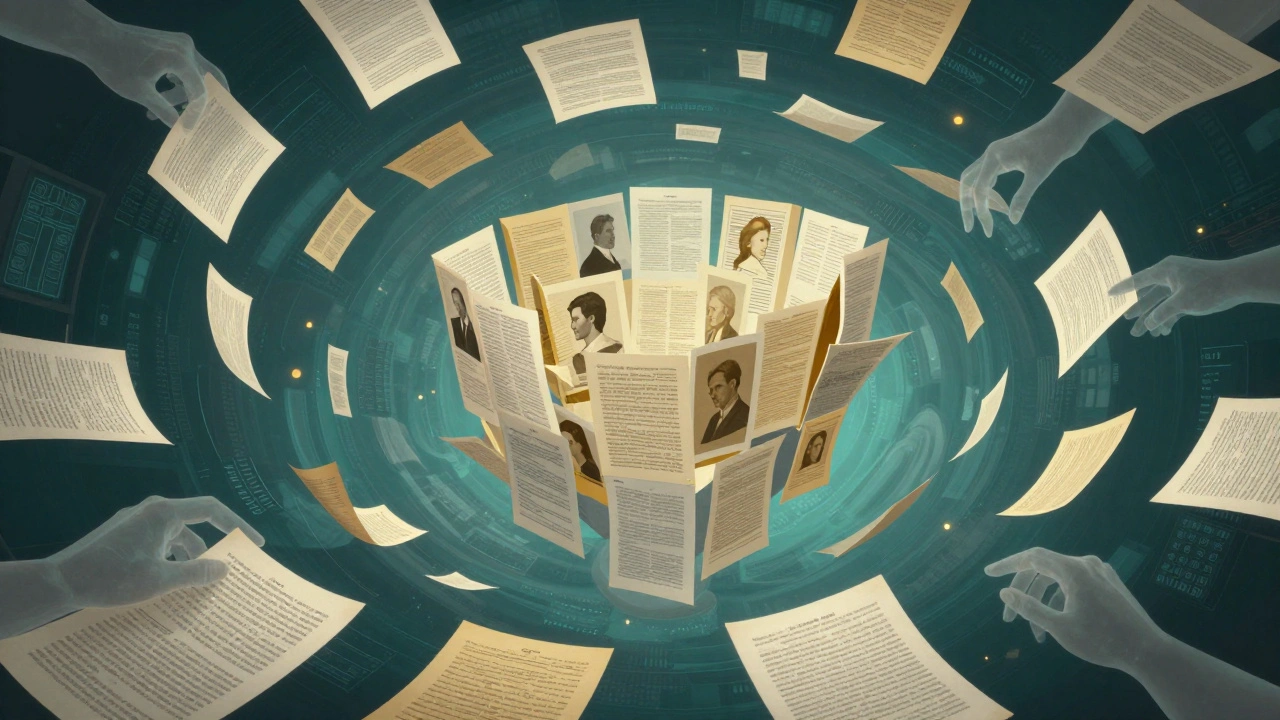
Perhaps the most damaging blow to the site's reputation in the eyes of the press was the revelation of paid editors. When it came out that PR firms and lobbyists were being paid to polish the images of corporate executives or politicians, the media reaction was swift and harsh. This wasn't just a mistake; it was perceived as a corruption of the site's "pure" volunteer spirit.
Reporting on this era focused heavily on the conflict of interest. Journalists loved the irony: a platform built on transparency was being used for covert influence. The coverage moved from the "what" (the edited pages) to the "who" (the agencies hiring the editors). This period marked a transition in how the media views the site. It was no longer a naive experiment; it was a high-stakes piece of digital real estate. The press began to treat a Wikipedia page as a corporate asset that needed to be "managed," which is the exact opposite of the site's original philosophy.
The Role of the 'Wiki-Leak' and Source Circularity
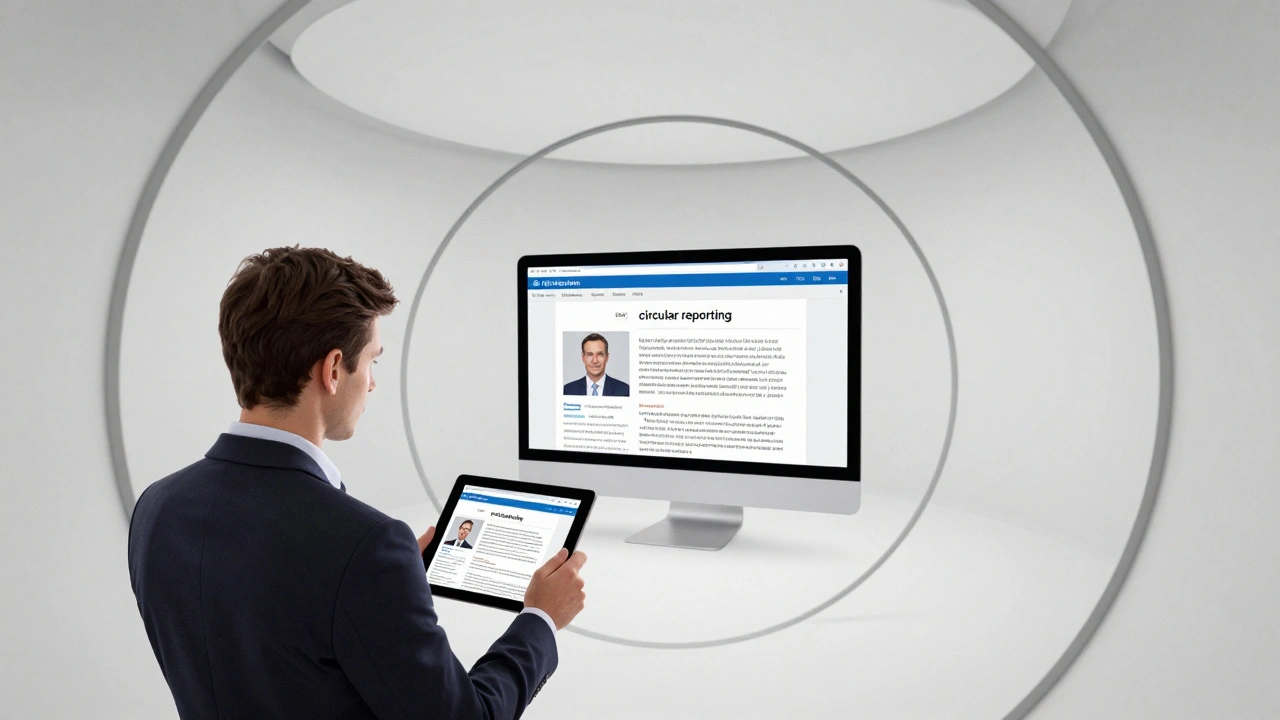
There is a strange phenomenon called "circular reporting" that the press often ignores while inadvertently participating in. A journalist writes a story based on a Wikipedia claim; a Wikipedia editor then adds that journalist's story as a source for the claim. This creates a feedback loop where a falsehood becomes a "fact" because it is cited by a reputable news source, and the news source cited it because it was on the site.
When the media actually reports on this, it's usually in the context of a massive failure. For instance, during breaking news events, the rush to be first often leads reporters to rely on the site for basic background info. If that info is wrong, the error propagates across the entire news ecosystem. The irony is that the very people who write about the site's unreliability are often the ones feeding the cycle. The press reports on the controversies, but they rarely admit their own role in validating the errors through lazy sourcing.
Digital Archives vs. Living Documents
The fundamental tension in all this coverage is the clash between the concept of a "permanent record" and a "living document." Traditional journalism is built on the idea of the record-once a story is printed, it's there. Wiki software, by contrast, allows for infinite revisions . The press struggles to cover a platform where the truth is an ongoing negotiation rather than a fixed point.
When a controversy erupts, the media often treats it as a failure of the site. But from a technical perspective, the "war" is the system working. The friction, the debating, and the constant revisions are how the site filters noise from signal. By framing these events as "scandals," the press ignores the ability of the community to self-correct. They prefer the narrative of a crumbling empire over the narrative of a messy, functioning democracy.
Why does the media focus on the "drama" of edit wars?
Drama sells. Reporting on the technical nuances of the site's consensus-building process is boring. Reporting on two political factions fighting over a single word in a biography creates a relatable human-interest story. It allows journalists to frame the story as a battle of ideologies rather than a debate over citation standards.
Is Wikipedia's content actually biased toward Western perspectives?
Yes, the data suggests a strong Western and English-language bias. This is largely because the majority of the most active editors are from North America and Europe. This leads to more detailed coverage of Western history and celebrities, while non-Western topics often lack the same depth or are written through a Western lens.
How can I tell if a page is currently in the middle of a controversy?
Look for a "Talk" page with hundreds of messages and heated debates. You can also check the "View history" tab; if you see the same paragraph being changed every few minutes by different users, you are witnessing an edit war in real-time.
What is circular reporting?
Circular reporting occurs when a news outlet cites Wikipedia for a fact, and then a Wikipedia editor uses that news article as the primary source to verify that same fact. This creates a loop where a piece of information appears verified by a third party, but it actually has no original, independent source.
Do paid editors still exist on the platform?
Yes, although the site has strict rules requiring users to disclose their conflicts of interest. Many PR firms still attempt to subtly influence pages. The community has become much better at spotting these "sockpuppet" accounts, but it remains a constant game of cat-and-mouse.
What to do when you spot an error
If you find a factual error on a page, you have two choices. You can either edit it yourself-provided you have a reliable, third-party source to back up the change-or you can bring it up on the Talk page. For those who aren't comfortable editing, the best move is to find the primary source the article is citing and check if the editor misinterpreted the data. Most "controversies" are actually just misunderstandings of a source's nuance.
For journalists and researchers, the golden rule is: never use the site as your final source. Use it as a map to find the original documents, books, and interviews. If you see a page with a "Warning: This article is disputed" banner, that is your cue to dive deeper into the Talk page to understand why the experts are fighting. The truth isn't usually in the article itself, but in the arguments happening behind the scenes.