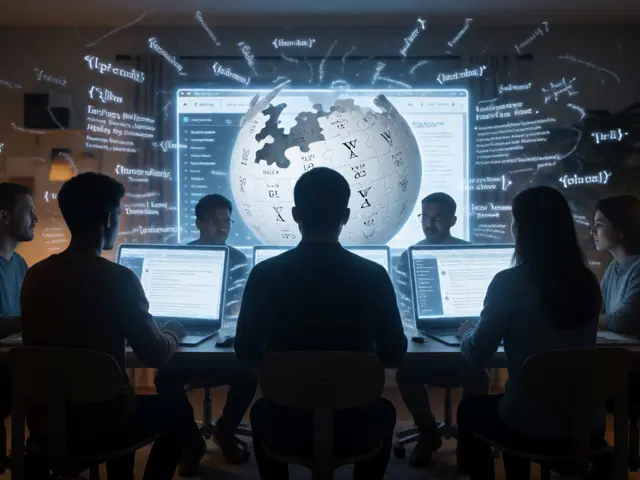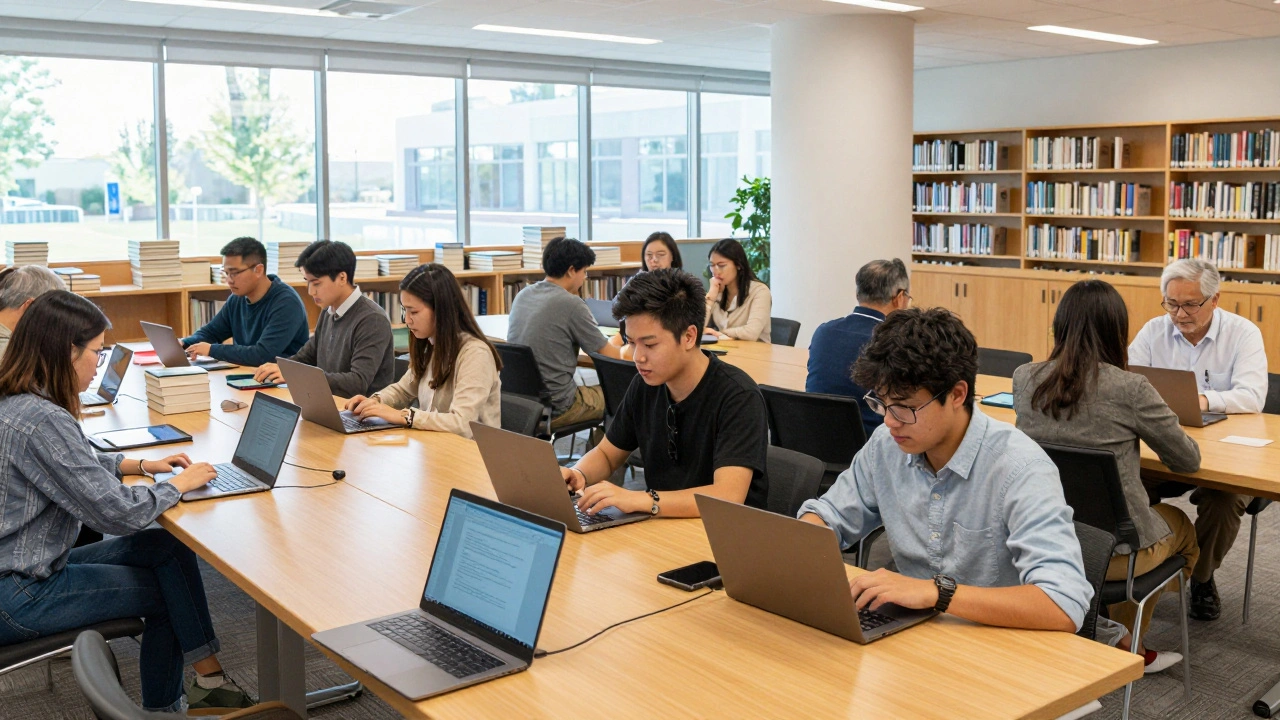
Imagine walking into your local library and finding a room full of people quietly adding citations to the world’s largest encyclopedia. It sounds like a scene from a dystopian novel, but it is actually one of the most productive hours of the year for open knowledge advocates. This is the heartbeat of 1Lib1Ref, an annual global campaign where librarians, students, and volunteers work together to add a single reference to a Wikipedia article that lacks one.
As we move through late May 2026, the excitement around Wikipedia Loves Libraries is building again. This initiative connects the vast resources of public libraries with the editable nature of Wikipedia. If you are wondering how to participate or why this matters, you are not alone. Many people assume Wikipedia is chaotic, but these workshops prove that structured community effort creates reliable information. Here is what you need to know about the upcoming workshops, how they work, and why your local library is likely hosting one soon.
The Core Mission: One Reference, One Librarian
The concept behind 1Lib1Ref is deceptively simple. The goal is not to write new articles or rewrite history. The goal is to find an existing statement on Wikipedia that has no source attached to it and add one. That is it. One librarian (or volunteer), one reference.
Why focus on references? Because verifiability is the bedrock of Wikipedia’s credibility. When you read an article about a historical event, a scientific fact, or a biographical detail, you want to know where that information came from. Unreferenced statements are essentially hearsay. By adding a citation-whether it is a book, a newspaper article, or a peer-reviewed study-you transform a claim into a verified fact.
In previous years, this campaign has added millions of references across thousands of languages. For example, in 2024, participants added over 5 million references. The efficiency comes from the specialization. Librarians are trained to find sources. They know how to navigate databases, verify ISBNs, and distinguish between primary and secondary sources. They are the perfect bridge between raw information and organized knowledge.
How the Workshops Are Structured in 2026
If you have never attended a Wiki Workshop, you might worry about needing advanced technical skills. You do not. The upcoming sessions in 2026 are designed for absolute beginners. Most workshops last between two to four hours and follow a predictable, low-pressure format.
| Phase | Duration | Activity |
|---|---|---|
| Welcome & Setup | 15-30 mins | Creating accounts, installing browser extensions, and understanding basic editing rules. |
| Training | 30-45 mins | Learning how to use the 1Lib1Ref Tool to find unreferenced claims. |
| Editing Sprint | 60-90 mins | Participants actively search for sources and add them to articles. Mentors circulate to help. |
| Celebration | 15 mins | Reviewing the collective impact, sharing snacks, and discussing future participation. |
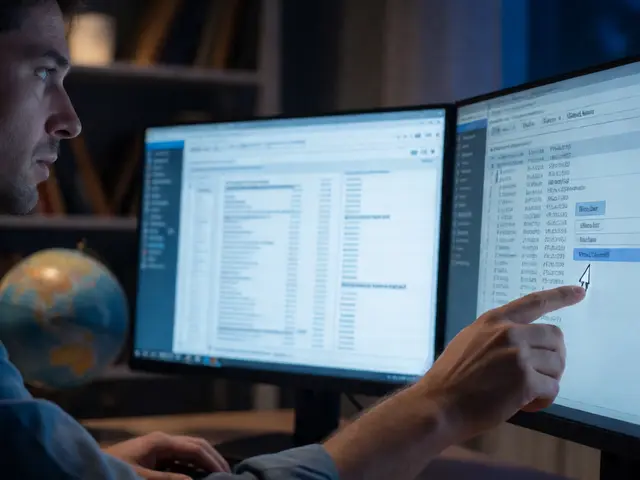
The magic happens during the Editing Sprint. Participants use a specialized interface called the 1Lib1Ref Tool. This tool scans Wikipedia articles and highlights sentences that lack citations. It then suggests potential sources based on keywords, ISBNs, or DOI numbers. You do not need to guess; the tool guides you. Once you find a match, you click a button, and the reference is inserted. It feels almost too easy, which is part of its charm.
In 2026, many libraries are offering hybrid options. While in-person events remain popular for their social aspect and immediate mentorship, virtual workshops allow remote participants to join via video conferencing. This expansion means that even if you live in a rural area without a large academic library, you can still contribute.
Who Should Attend?
You might think this event is only for professional librarians. That is a common misconception. The workshops welcome anyone who cares about accurate information. Here is a breakdown of who typically shows up:
- Students: History, journalism, and computer science students often attend to build their digital literacy and CVs. Learning to edit Wikipedia teaches critical evaluation of sources.
- Retirees: Many retirees enjoy the intellectual challenge and the social environment. It is a great way to spend a Saturday morning while doing something meaningful.
- Teachers: Educators use these workshops to learn how to integrate Wikipedia into their curriculum as a teaching tool rather than just a resource.
- Local Historians: People with deep knowledge of their community often use the event to ensure local landmarks and figures are properly cited.
You do not need to be an expert in any field. You just need to be curious and willing to follow instructions. The mentors at these events are patient and experienced. They have seen every possible mistake a beginner can make, and they will guide you back on track without judgment.

Finding a Workshop Near You
Since today is May 31, 2026, the main global sprint is usually scheduled for early February. However, "Wikipedia Loves Libraries" is an ongoing movement. Many libraries host smaller, local editions throughout the year, especially in the spring and fall.
To find an event, start by checking the website of your local public library. Look for sections labeled "Community Events," "Digital Literacy," or "Open Access." If you cannot find anything, call the reference desk. Librarians are often aware of these initiatives even if they are not heavily advertised online.
If your local library does not host an event, check with nearby universities. Academic libraries frequently partner with public institutions to run these workshops. In Madison, Wisconsin, for instance, the University of Wisconsin-Madison Memorial Library often collaborates with the Madison Public Library system for joint events. Similar partnerships exist in cities like Chicago, New York, and Seattle.
For those unable to attend in person, the Wikimedia Foundation provides online training materials. You can practice using the 1Lib1Ref Tool on your own time. The platform tracks your contributions, so you can see exactly how many references you have added and which articles you have improved.
Why This Matters Beyond Wikipedia
Adding a reference might seem like a tiny act. But consider the scale. Millions of people rely on Wikipedia for quick answers. If a medical student reads an uncited claim about a drug interaction, the consequences could be severe. If a journalist cites an unreferenced statistic, their story loses credibility. By adding that one reference, you are reinforcing the integrity of the entire information ecosystem.
This effort also combats misinformation. False or misleading statements often spread because they lack counter-evidence. When you add a reliable source, you provide a checkpoint. Future editors and readers can verify the claim. If the claim is wrong, the source reveals it. This transparency is essential in an era of AI-generated content and deepfakes.
Furthermore, these workshops strengthen the bond between libraries and the communities they serve. Libraries are no longer just repositories of books; they are hubs of active knowledge creation. By participating, you are helping to redefine the role of the library in the digital age. You are showing that libraries are places where people come together to build truth, not just consume it.
Preparing for Your First Edit
If you decide to sign up, here are a few tips to make the experience smoother:
- Create an Account Early: Do not wait until the workshop starts. Create your Wikipedia account beforehand. Verify your email address. This saves valuable time during the session.
- Choose a Topic You Know: The 1Lib1Ref Tool allows you to filter articles by topic. Pick something you are familiar with, such as sports, literature, or local history. It is easier to evaluate sources when you understand the context.
- Bring Patience: Finding the right source can take time. Sometimes the first link you find is not reliable. Keep searching. Quality matters more than quantity.
- Ask Questions: Mentors are there to help. If you are unsure whether a source is appropriate, ask. It is better to pause and clarify than to add a weak reference.
Remember, the goal is progress, not perfection. Even if you only add one reference, you have made a tangible contribution to human knowledge. That is something to be proud of.
The Future of Open Knowledge
As we look ahead, the importance of initiatives like Wikipedia Loves Libraries will only grow. With the rise of artificial intelligence, the demand for high-quality, verified data is increasing. AI models are trained on web data, including Wikipedia. If Wikipedia contains errors, those errors propagate into AI systems. By ensuring Wikipedia is well-referenced, we are indirectly improving the reliability of AI technologies.
Libraries are adapting to this shift. They are investing in digital infrastructure and training staff to support open knowledge projects. The next generation of librarians will likely include roles dedicated to managing digital collections and facilitating citizen science projects. Participating in these workshops now gives you a head start in understanding this evolving landscape.
Whether you are a lifelong librarian or a curious newcomer, there is a place for you in this movement. The upcoming workshops offer a unique opportunity to connect with your community, sharpen your research skills, and leave a lasting mark on the world’s knowledge base. So, check your local library’s calendar, clear your schedule for a Saturday morning, and get ready to add that one reference. The world needs it.
Do I need to be a librarian to participate in 1Lib1Ref?
No, you do not need to be a professional librarian. While librarians are encouraged to participate due to their expertise in sourcing information, the workshops are open to anyone. Students, teachers, retirees, and general enthusiasts are all welcome. The mentors provide guidance for beginners, so prior experience with Wikipedia editing is not required.
When is the main 1Lib1Ref event held?
The global 1Lib1Ref campaign typically takes place in early February each year. However, many libraries and organizations host local workshops throughout the year under the broader "Wikipedia Loves Libraries" banner. Check with your local library for specific dates in 2026.
Is it free to attend these workshops?
Yes, almost all 1Lib1Ref workshops are free to attend. They are usually funded by library budgets, grants from the Wikimedia Foundation, or local cultural organizations. Some events may offer light refreshments, but there is no registration fee.
What kind of references can I add?
You can add a wide variety of reliable sources. These include books, academic journals, reputable news articles, government reports, and official websites. The key is that the source must be verifiable and authoritative. Personal blogs, social media posts, and self-published materials are generally not accepted.
Can I participate remotely if there is no workshop near me?
Yes. While in-person workshops offer valuable mentorship, you can participate remotely using the 1Lib1Ref Tool online. The Wikimedia Foundation provides tutorials and documentation to help you get started. You can also join virtual workshops hosted by other libraries or community groups.
How does adding references help fight misinformation?
Unreferenced statements on Wikipedia are vulnerable to manipulation. By adding credible sources, you anchor facts to verifiable evidence. This makes it harder for bad actors to insert false information without detection. It also helps readers and researchers trust the content, reducing the spread of unverified claims.
Do I need special software to edit Wikipedia?
No, you do not need to install any special software. All editing is done through a web browser. The 1Lib1Ref Tool is a web-based interface that simplifies the process of finding and adding references. You just need a stable internet connection and a device with a modern browser.
What if I make a mistake while editing?
Mistakes happen, and that is okay. Wikipedia has a robust revision history that allows any change to be undone. During workshops, mentors are present to catch errors before they are saved. If you make a mistake later, other editors or administrators can revert it. The community is supportive of good-faith efforts.