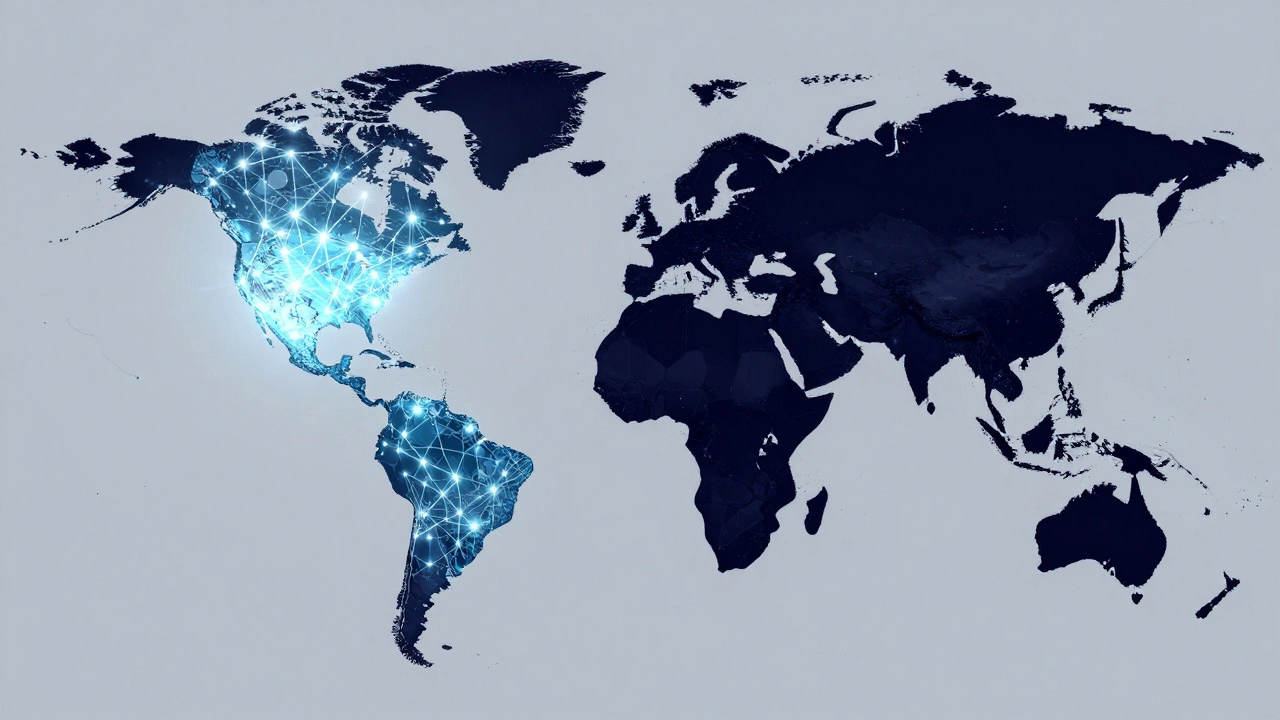
Wikipedia is the world’s most popular encyclopedia, but it has a blind spot. If you look closely at who gets written about and how they are described, a pattern emerges. Western figures dominate the pages. Events in Europe and North America get more coverage than those in Africa, Asia, or Latin America. This isn’t just a coincidence. It’s a structural issue known as Anglophone bias.
This bias happens because most of Wikipedia’s editors speak English. They rely on sources that are easy to find and read-mostly English-language newspapers, books, and academic journals. When an event happens in a remote part of the world, if no major English outlet covers it, it often doesn’t make it into Wikipedia. Or worse, it gets covered through the lens of Western media, which might miss local context entirely.
Fixing this requires more than good intentions. It demands active strategies for finding and using information from around the globe. You need to know where to look, how to verify what you find, and how to present it fairly. Here is how you can shift the balance and help build a truly global knowledge base.
Understanding the Roots of the Bias
To fix a problem, you first have to understand why it exists. The bias on Wikipedia stems from two main factors: language barriers and source availability.
Most contributors are native or fluent English speakers. Even when they want to write about topics outside their own culture, they struggle to access primary materials. Reading a news report in Mandarin, Arabic, or Portuguese takes time and skill. Many editors simply don’t have those skills. So they stick to what they can read easily.
Then there is the issue of source reliability. Wikipedia has strict rules about verifiability. Editors must cite reliable secondary sources. In many regions, digital archives are sparse. Local newspapers might not be online. Academic databases often cost money and block international access. This creates a gap. Important stories go untold because the evidence isn’t visible to the majority of editors.
Consider the difference in coverage between a political scandal in Washington D.C. and one in Jakarta. The former will have hundreds of articles in major English dailies within hours. The latter might only appear in local Indonesian papers. Unless an editor speaks Bahasa Indonesia or uses translation tools effectively, the Jakarta story stays out of Wikipedia.
What causes Anglophone bias on Wikipedia?
Anglophone bias occurs because the majority of Wikipedia editors are English-speaking and rely heavily on English-language sources. This leads to overrepresentation of Western perspectives and underrepresentation of events and figures from non-English speaking regions due to language barriers and limited access to local digital archives.
Expanding Your Source Horizons
The first step in avoiding bias is to stop looking only at English sources. You need to broaden your search habits. Start by identifying key media outlets in other languages. For example, if you are editing an article about Brazil, look beyond Reuters or BBC. Check out Folha de S.Paulo, a major Brazilian newspaper that provides deep local insight.
You don’t need to be fluent to use these sources. Modern technology helps. Browser extensions like DeepL or Google Translate can give you a decent overview of an article. However, always be cautious. Machine translation can miss nuance, tone, and cultural context. Use translated text to understand the gist, but try to cross-reference with multiple sources to ensure accuracy.
Another strategy is to use social listening tools. Platforms like X (formerly Twitter) or Facebook often host real-time discussions in local languages. Searching for hashtags related to a topic in its native language can reveal trending issues before they hit international wires. Just remember to treat social media posts as leads, not final sources. You still need to find reputable news reports or academic papers to back up any claims.
Academic databases are another goldmine. While JSTOR and Project MUSE are great, they lean Western. Try exploring regional repositories. In Europe, you have ERIC. In Latin America, SciELO offers open-access scientific literature. These platforms provide peer-reviewed content that meets Wikipedia’s reliability standards while offering diverse viewpoints.
Using Translation Tools Effectively
Translation tools are powerful allies, but they require careful handling. Relying solely on automatic translation can lead to errors. A direct word-for-word translation might change the meaning of a sentence completely. Context matters.
Here is a practical approach. First, identify the key facts in the foreign language source. Names, dates, locations, and quotes. Then, translate these specific elements. Compare the translation with other available summaries in English. If there is a discrepancy, dig deeper. Look for video interviews or images that might clarify the situation.
Also, pay attention to proper nouns. Translating names incorrectly is a common mistake. Always check official spellings. Some names have standardized transliterations from Cyrillic or Arabic scripts. Using the wrong version can confuse readers and reduce credibility.
If you are unsure about a translation, ask for help. There are communities dedicated to supporting multilingual editing. Projects like WikiProject Multilingualism connect editors who speak different languages. Posting a question in their discussion forums can save you from making a costly error.
Verifying Non-English Sources
One of the biggest hurdles is proving that a non-English source is reliable. Wikipedia’s policy states that sources must be published by experts or reputable organizations. But how do you judge reputation if you don’t know the local media landscape?
Start by checking the history of the publication. Is it established? Does it have a clear editorial board? Look for signs of independence. State-controlled media might have inherent biases, just like corporate-owned media in the West. Balance is key.
Cross-referencing is essential. If a local paper reports a protest, see if other independent outlets in the same country confirm it. Do human rights organizations mention it? Are there photos or videos from the scene? Multiple forms of evidence strengthen your case.
When citing these sources, include both the original URL and a brief description in English. Explain why the source is relevant and credible. This helps other editors, especially those who don’t speak the language, understand your reasoning. Transparency builds trust.
| Source Type | Reliability Level | Accessibility | Best Use Case |
|---|---|---|---|
| Major International News (BBC, Reuters) | High | Easy | Broad overview, verified facts |
| Local National Newspapers | Medium-High | Harder (requires translation) | Local context, detailed reporting |
| Regional Academic Journals | High | Moderate (some paywalls) | In-depth analysis, historical data |
| Social Media Posts | Low | Easy | Lead generation, real-time updates |
Collaborating Across Languages
You don’t have to do this alone. Collaboration is the heart of Wikipedia. Reaching out to editors in other language editions can provide invaluable insights. If you are writing about a Japanese artist, consider contacting editors from the Japanese Wikipedia. They might share links to obscure blogs or fan sites that contain unique information.
Many language editions have active user groups focused on international cooperation. Joining these groups allows you to network with people who care about accurate representation. You can also propose joint projects. For instance, organizing a month-long effort to improve articles about African countries can bring together editors from various backgrounds.
Communication tools like Telegram or Discord are useful for quick coordination. Set up channels dedicated to specific regions or topics. Share resources, discuss translations, and review each other’s work. Building these relationships takes time, but the payoff is higher quality content and reduced bias.
Handling Cultural Nuances
Even with perfect translation, cultural nuances can get lost. What seems neutral in one culture might be offensive in another. Understanding these differences is crucial for maintaining neutrality.
For example, titles and honorifics vary widely. In some cultures, using a person’s full name without a title is disrespectful. In others, it’s standard practice. Research local norms before drafting an article. Misusing titles can undermine the authority of your piece.
Historical narratives also differ. Events that are celebrated in one country might be viewed critically in another. Presenting multiple perspectives ensures a balanced view. Instead of stating one narrative as fact, describe the differing viewpoints clearly. Use phrases like “According to…” or “Critics argue…” to attribute opinions correctly.
Avoid imposing Western frameworks on non-Western topics. Don’t assume that democratic values or individual rights are universal priorities in every context. Respect local definitions of progress, justice, and success. This respect makes your contributions more authentic and less biased.
Practical Steps for Everyday Editing
Incorporating these strategies into your daily routine doesn’t have to be overwhelming. Start small. Pick one region or language you are interested in. Spend ten minutes a day reading news from that area. Bookmark interesting stories. Over time, you’ll build a repository of potential topics.
Create templates for common citations. Having pre-formatted references for major non-English outlets saves time. Include fields for the original title, translated title, date, and archive link. Consistency helps other editors follow your logic.
Finally, advocate for change within the community. Write essays explaining the importance of global sourcing. Propose new guidelines for evaluating non-English sources. Encourage newcomers to explore diverse topics. Change happens slowly, but every small action counts.
How can I verify a non-English source on Wikipedia?
To verify a non-English source, check the publication's reputation and history. Cross-reference the information with other independent sources in the same region. Look for corroboration from international organizations or academic journals. Always provide context in your citation to explain the source's credibility to other editors.
Are machine translations acceptable for Wikipedia citations?
Machine translations can be used to understand the general meaning of a source, but they should not be relied upon for precise quotes or nuanced arguments. Always cross-check critical details with multiple sources. If possible, consult with a native speaker or use professional translation services for important factual claims.
Where can I find reliable academic sources outside the West?
You can find reliable non-Western academic sources through regional repositories like SciELO for Latin America, ERIC for Europe, or CNKI for China. These platforms offer peer-reviewed journals and research papers that meet Wikipedia's reliability standards while providing diverse perspectives.
How do I handle conflicting cultural perspectives in an article?
Present all significant viewpoints fairly and proportionally. Attribute each perspective to its source. Avoid presenting one view as absolute truth unless it is universally accepted. Use neutral language and clearly distinguish between facts and opinions to maintain encyclopedic neutrality.
Can I collaborate with editors from other language Wikipedias?
Yes, collaboration is encouraged. You can reach out to editors in other language editions via their talk pages or join international wiki projects. Sharing resources and insights across language barriers helps improve article quality and reduces bias by incorporating local knowledge.