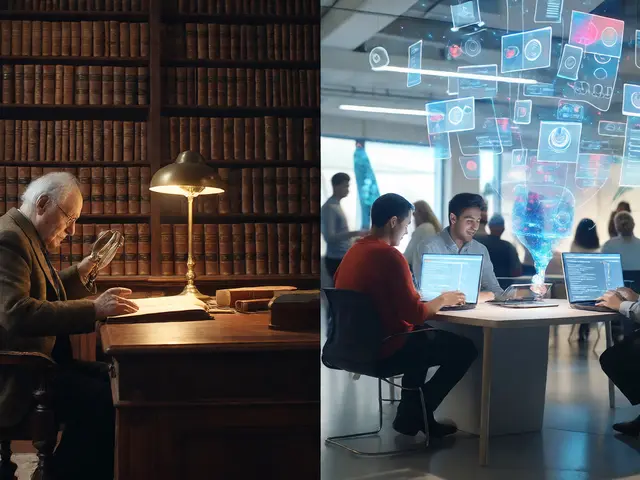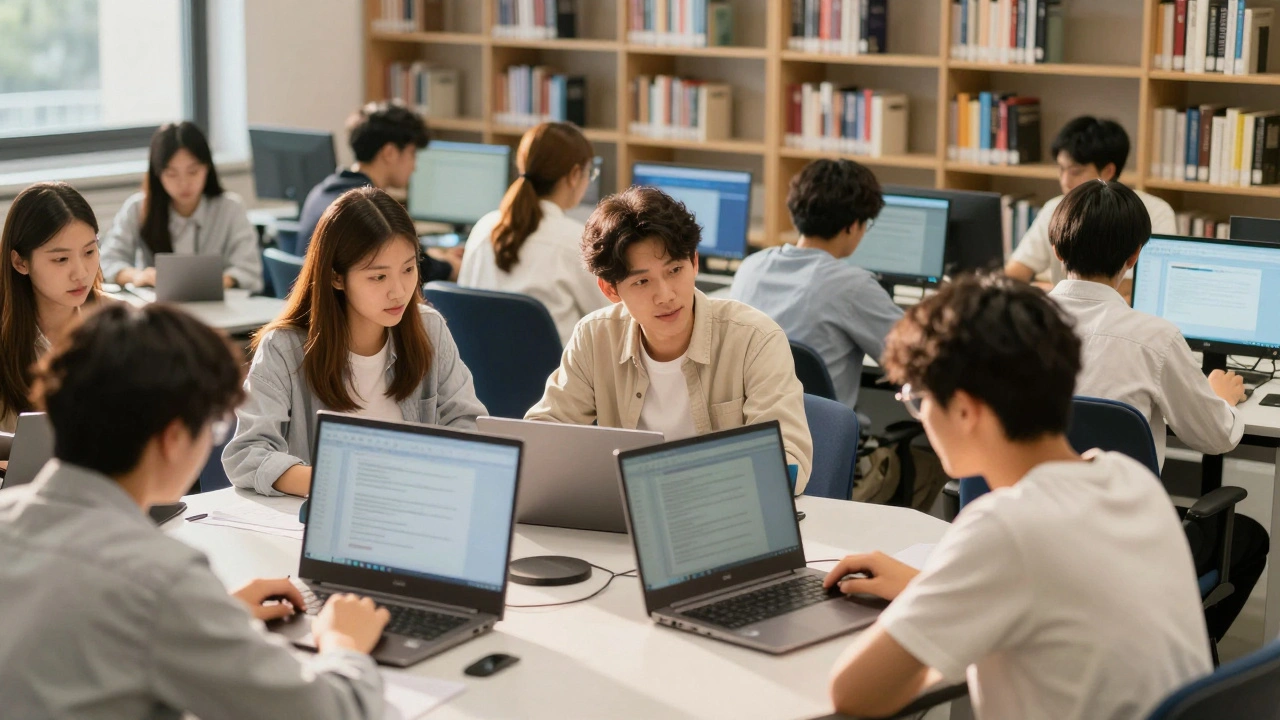
In 2005, most high school teachers told students to never open Wikipediaa free online encyclopedia edited collaboratively by volunteers.Wikimedia. By 2026, that advice has flipped completely. The platform isn't just a starting point anymore; it is becoming a core part of university curriculuma planned course of study designed to help students learn specific skills. Professors now assign tasks where students edit articles directly. This shift changes how we view information literacy in higher education.
The change did not happen overnight. Around 2018, universities noticed a gap between what students learned and what employers needed. They needed researchers who could verify facts quickly. That is where the Wiki Education Foundationan organization supporting wiki projects in classrooms worldwide. stepped in. They built systems so instructors can track student progress without worrying about vandalism. Today, over 1,500 courses globally use this infrastructure. It moves beyond reading summaries to understanding how knowledge is built.
Shifting Perceptions in Higher Education
For years, the biggest complaint about Wikipedia was reliability. Critics argued that open editing allows misinformation. However, recent studies show that factual error rates are comparable to traditional encyclopedias when topics have strong communities. In 2025, major academic institutions stopped treating it strictly as a banned source. Instead, they teach students to analyze the talk pages and revision history.
This teaches digital literacyskills needed to effectively navigate and create information online. rather than blind trust. When a student writes a paper citing a topic on Wikipedia, they are now expected to dig deeper. They check the references behind the claims. This habit creates better researchers overall. It forces them to understand that knowledge is fluid. Textbooks stay static, but human understanding evolves. Learning to track those changes is a vital skill for the modern workforce.
We also see a rise in specialized training for faculty. Tenure tracks now sometimes include open educational work. Faculty members contribute to their subject areas within the platform while teaching. This dual role bridges the gap between professional scholarship and public communication. It helps democratize expertise.
Integrating Editing Assignments
How exactly does this look inside a classroom? Let us break down the common assignment structures used in 2026. Instead of writing a traditional term paper, a student might select an underdeveloped article. Their task is to find peer-reviewed sources. They add citations, fix broken links, or expand sections on specific demographics. This activity takes roughly four weeks of sustained effort.
- Improving Coverage: Students write new paragraphs for entries about overlooked local figures or niche scientific discoveries.
- Cleanup Tasks: Learners remove biased language or update outdated statistics using verified data.
- Reference Checks: Teams audit existing references to ensure the URLs still work and the sources are reliable.
These tasks require real-world consequences. If you make a claim without a source, experienced editors revert your work. This feedback loop teaches accountability instantly. Traditional grading happens after the deadline. Here, the community gives immediate pushback. That pressure builds resilience. You learn to justify your contributions logically. It feels more like joining a professional guild than finishing homework. One study at MIT found that students who participated reported higher engagement scores compared to peers in standard essay courses.
Schools also manage legal concerns through partnerships. Licenses are handled via the Creative Commonsa set of public copyright licenses that allow easy sharing of creative works agreement. Work done in class remains publicly available forever. Some administrators worry about privacy. To solve this, platforms provide accounts that hide student identities in the public ledger. Your contribution stays attached to a pseudonym linked only to your instructor.
AI and Verification Tools
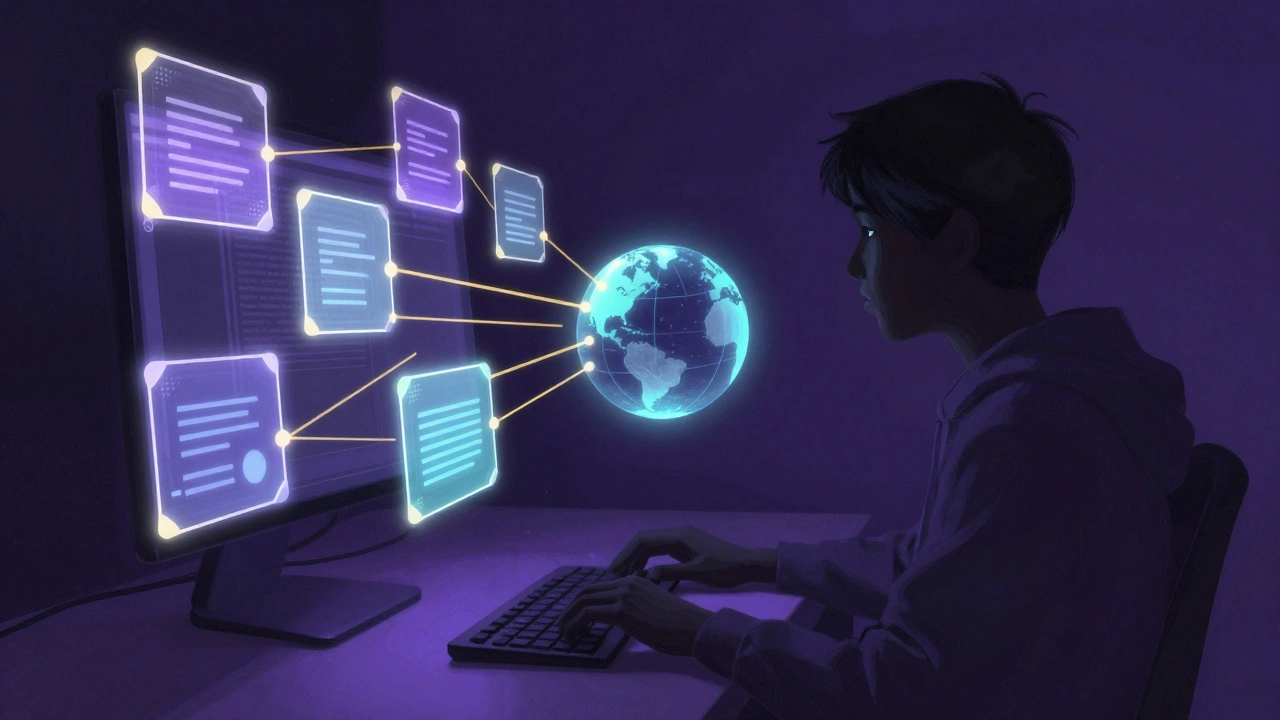
By 2026, artificial intelligence plays a larger role in content verification. Students do not use AI to write articles, which is forbidden by platform policy. However, they use AI assistants to draft checklists. These tools highlight potential bias in wording or flag uncited claims before submission.
This layer adds quality control without removing human judgment. It acts like a grammar checker but for facts. If a tool flags a claim, the student must find proof before proceeding. This prepares them for a world where algorithmic fact-checking is standard. Employers expect graduates to filter signal from noise efficiently. Using these tools in class mimics professional workflows found in journalism and tech sectors.
However, reliance on tools brings its own risks. Over-dependence might dull critical thinking. Instructors monitor the balance carefully. You cannot submit work solely generated by software. The final decision on content accuracy rests with the human editor. We prioritize understanding why a statement is true rather than trusting a black box score. This distinction matters for developing genuine expertise.
Citation Standards and Longevity
Citing dynamic content poses a unique problem for librarians. Traditional footnotes rely on stable pages. Online articles change every day. To address this, educators use specific archival snapshots. When a student cites a version, they link to a permanent URL provided by the archive. This ensures that five years later, a professor can read exactly what the student read.
Likewise, referencing styles adapt to reflect version control. The APA style guidelines now explicitly include provisions for collaborative databases. You note the retrieval date and the specific revision ID. Precision matters here. A sloppy link leads nowhere useful. Teaching this level of detail reduces frustration for everyone involved. It respects the timeline of information creation.
| Feature | Traditional Term Paper | Wikipedia Project |
|---|---|---|
| Audience | Professor only | Public global readership |
| Feedback Loop | Single grading instance | Ongoing community review |
| Output Stability | Static document | Version-controlled living resource |
| Skill Focus | Argumentation | Synthesis and sourcing |
The comparison highlights why the shift makes sense. Public accountability improves quality. Knowing anyone can read your work motivates higher standards. Private assignments often feel temporary. Public ones feel meaningful. This psychological difference drives deeper engagement with the subject matter.

Challenges and Risks in Implementation
Despite the benefits, hurdles remain. Not every topic needs editing. Biased or controversial subjects pose difficulties for inexperienced hands. Safety protocols prevent harassment. Moderation teams step in when conflicts arise. We must ensure the environment remains safe for diverse groups. Some fields resist participation due to proprietary data concerns.
Institutions also face bandwidth issues. Streaming video lectures takes resources. Hosting large-scale editing sessions requires robust server access. Schools need IT support for these activities. Without technical backup, projects stall mid-term. This is why dedicated program managers exist. They handle the logistics while faculty focus on instruction. Coordination ensures smooth operations across different departments.
Academic integrity checks are strict now. Plagiarism detection software scans edits in real-time. Copy-pasting text triggers alerts immediately. Students learn that original contribution is non-negotiable. Honesty becomes a requirement, not just a suggestion. This culture protects the integrity of both the platform and the institution.
Building a Sustainable Ecosystem
For this model to work long-term, funding must be consistent. Grants support teacher training and technical maintenance. Universities treat this as part of institutional outreach. Giving back to society through free knowledge aligns with their missions. It strengthens community ties. Alumni networks participate too. Graduates continue contributing to topics related to their majors years after graduation.
Policy updates keep pace with technology. Licensing laws evolve alongside open data movements. Legal teams review compliance regularly. We anticipate stricter regulations on AI-generated content in the near future. Being prepared prevents costly mistakes. Forward planning ensures the project survives regulatory shifts.
Finally, the human element stays central. Volunteers drive the engine. Recognizing their efforts keeps motivation high. Awards celebrate exceptional contributors. Mentorship programs pair veterans with novices. This social infrastructure supports the technical systems. Knowledge grows best when people connect meaningfully.
Is it safe for high schoolers to edit?
Yes, with oversight. High school projects use sandbox environments first. Teachers monitor interactions closely to prevent bullying or inappropriate content exposure.
Do grades depend on acceptance?
Not exactly. Grades reflect research quality and effort. Editors may reject some changes, but the grade depends on the validity of the work attempted, not just retention.
Can I get published papers out of this?
You cannot sell articles written for class. Copyright law prohibits monetizing assigned schoolwork unless permissions are explicitly granted beforehand.
What subjects work best?
History, science, and sociology benefit most. These fields need broad coverage and regular updates. Fiction-heavy literature often has less room for student improvement.
Does this replace library research?
No, it complements it. Students still visit libraries to gather primary sources. It adds a practical application layer to theoretical knowledge gathering.