Imagine trying to build a house where every brick has to be approved by a committee before it can even touch the foundation. Now imagine that committee changes its mind depending on who is holding the trowel. This is not a dystopian novel; this is often what editing Japanese Wikipedia is like for newcomers.
If you have ever glanced at the English version of Wikipedia and then switched to the Japanese version (ja.wikipedia.org), you might have noticed something odd. The articles feel different. They are longer, more cautious, and sometimes frustratingly vague. Why does the Japanese edition look so distinct from its Western counterparts? The answer lies not in the technology, but in the people. Specifically, it lies in the unique set of unwritten rules, cultural expectations, and strict community norms that govern how knowledge is curated, debated, and ultimately published on the platform.
This case study breaks down why Japanese Wikipedia operates differently. We will look at the specific norms that drive these differences, how they impact the actual content you read, and what this means for the future of multilingual encyclopedias.
The Cultural Weight of Consensus
In many Western languages, particularly English, the dominant editing philosophy is "edit boldly." You make a change, and if it is wrong, someone else fixes it. It is a system built on speed and trust. Japanese Wikipedia, however, leans heavily into a concept known as nemawashi.
Nemawashi is a traditional Japanese business practice that involves laying the groundwork for a decision by consulting with stakeholders beforehand. In the context of Wikipedia, this translates to extensive discussion on talk pages before any significant edit is made to an article. Editors rarely just jump in and rewrite a section. Instead, they propose changes, wait for feedback, and seek a broad consensus. If there is no clear agreement, the status quo usually remains.
This approach creates a high barrier to entry. For a new user, seeing an article that hasn't been updated in three months because the editors couldn't agree on the tone of a single paragraph is common. It results in stability, yes, but also stagnation. The fear of conflict-avoiding meiwaku (trouble or nuisance) for others-is deeply embedded in the community's psyche. This leads to a slower pace of development but often higher accuracy in controversial topics.
The Iron Rule: Reliable Sources Only
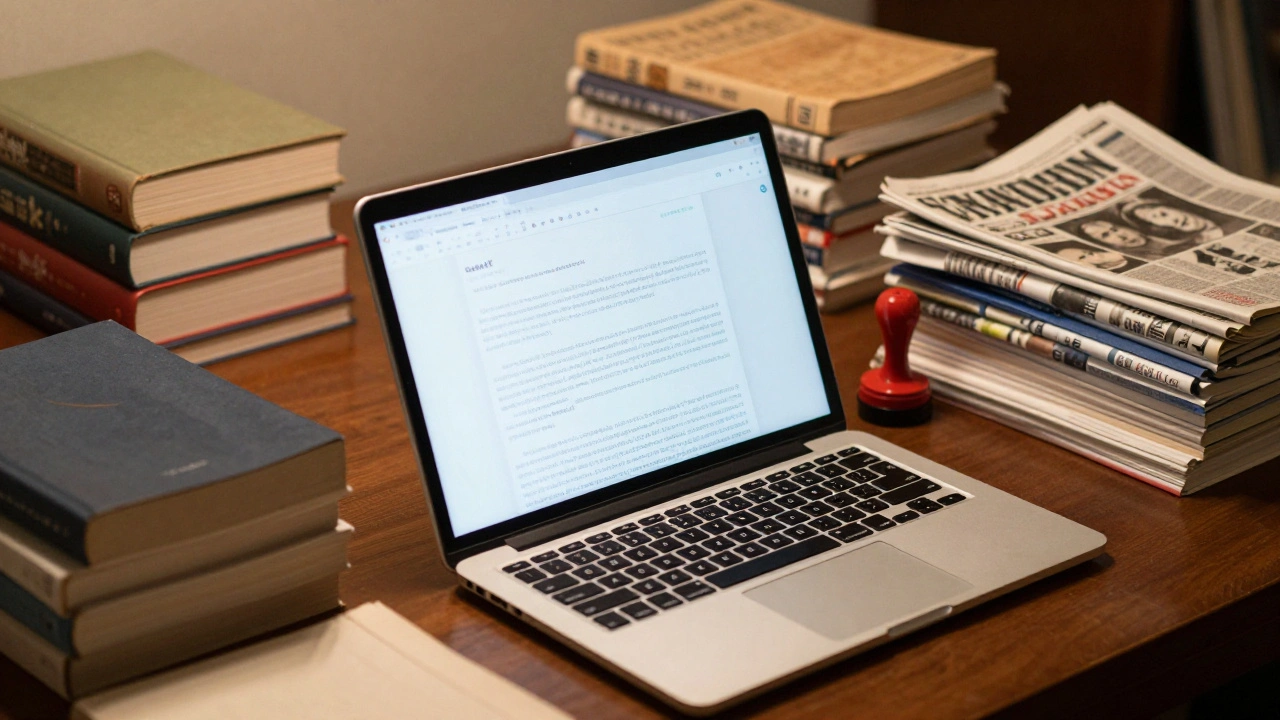
While all Wikipedias require sources, the Japanese community interprets the requirement for Reliable Sources with almost religious fervor. The guideline is simple: if it is not in a reputable secondary source, it does not exist.
In the English Wikipedia, you might see original synthesis allowed if it is logical and well-sourced. In Japanese Wikipedia, original research (OR) is treated as a cardinal sin. Editors are trained to copy-paste facts directly from established media outlets, academic journals, or government publications. They do not connect dots themselves.
This has a direct effect on coverage. Topics that are popular in social media or niche blogs but lack coverage in major newspapers like the Asahi Shimbun or Mainichi Shimbun often fail to get articles. Conversely, topics with dense academic literature are covered in exhaustive detail. You will find incredibly deep dives into obscure historical figures or scientific phenomena, provided there is a paper written about them. If the internet buzzes about a viral meme, but no newspaper wrote a serious analysis of it, you likely won't find a standalone article for it on ja.wikipedia.org.
Structural Differences: The "Lead" Section Paradox
One of the most visible signs of these community norms is the structure of the articles themselves. Look at the lead section-the introductory summary at the top of any page. On English Wikipedia, the lead is designed to be a standalone overview. It summarizes the most important points so you don't have to read the rest.
On Japanese Wikipedia, the lead section is often shorter and less comprehensive. Why? Because the community values neutrality above readability. Summarizing a complex, debated topic risks taking a side or oversimplifying nuances. Therefore, editors often prefer to let the body of the article speak for itself, using the lead only to define the subject briefly. This makes skimming difficult. You cannot get a quick gist; you have to dig into the detailed sections, which are organized hierarchically and meticulously cited.
Furthermore, the use of lists and tables is preferred over narrative prose. This reduces ambiguity. A table of election results is neutral. A paragraph describing the "political climate" of those elections invites subjective interpretation. The community norm favors data presentation over storytelling.
Impact on Content Gaps and Biases
These strict norms create specific patterns in what gets covered and what doesn't. Let's look at three key areas where this plays out:
- Pop Culture vs. Traditional Arts: While English Wikipedia has massive coverage of Western pop culture, Japanese Wikipedia excels in traditional arts, classical music, and regional history. However, it can be surprisingly sparse on modern global trends unless they have penetrated the Japanese mainstream media landscape. K-Pop, for example, has huge coverage, but niche indie scenes in other countries may be ignored unless a Japanese magazine reviewed them.
- Living People: The biographies of living persons (BLP) policy is enforced with extreme caution. Due to defamation laws and cultural sensitivity, negative information about living individuals is often removed unless supported by multiple high-tier sources. This can result in "whitewashed" biographies of controversial figures, where scandals are mentioned only if widely reported in major dailies.
- Local Knowledge: Japanese Wikipedia has incredible depth regarding local geography, train lines, and municipal histories within Japan. This is driven by local enthusiasts who treat their hometowns as subjects worthy of academic rigor. However, coverage of non-Japanese locations drops off sharply unless they are major capitals or tourist destinations.
| Aspect | English Wikipedia | Japanese Wikipedia |
|---|---|---|
| Editing Style | Edit boldly, fix later | Consensus first, edit later |
| Source Preference | Diverse, including blogs/experts | Strictly major media/academic |
| Conflict Resolution | Administrators intervene quickly | Long discussions, avoidance of conflict |
| Article Structure | Narrative-heavy, comprehensive leads | Data-heavy, concise leads, list-based |
| Newcomer Experience | Welcoming but chaotic | Intimidating, high rejection rate |
The Role of Bureaucrats and Administrators
In the Japanese community, the role of administrators (admins) and bureaucrats is more formalized than in many other language editions. These users have technical tools to protect pages, block vandals, and delete articles. But their power is checked by a strong culture of accountability.
An admin who deletes an article without sufficient justification faces intense scrutiny. The deletion review process is rigorous. Often, deleted articles are restored after weeks of debate if the original nominator fails to provide adequate sourcing. This creates a safety net for content, but it also means that getting an article created is a marathon, not a sprint. New users often give up after their first few submissions are declined, leading to a smaller pool of active contributors compared to the English edition.
Challenges for Multilingual Collaboration
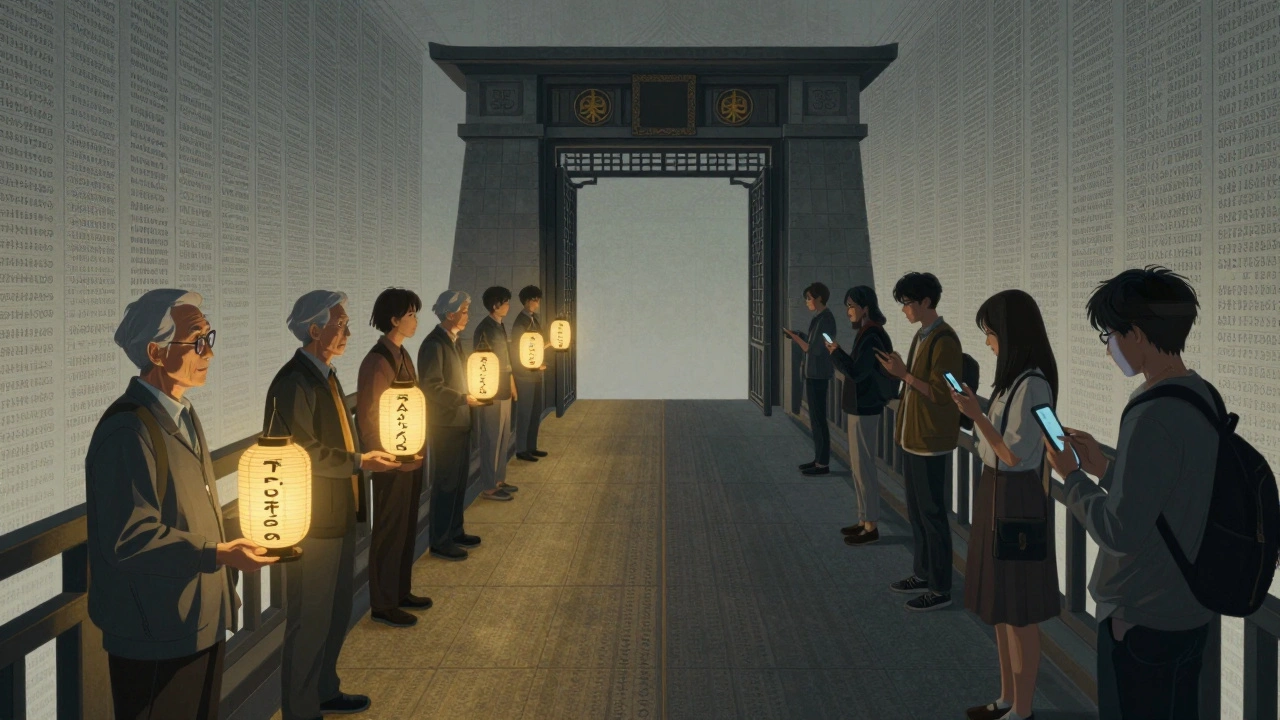
Wikipedia aims to be a universal repository of knowledge, but the Japanese edition's isolationism poses challenges for cross-lingual collaboration. Translating articles from English to Japanese is common, but translating back is rare. When Japanese editors translate an English article, they often strip away the "fluff," removing adjectives and narrative flow to focus on raw facts. This can make the Japanese version seem dry or incomplete to English speakers expecting a rich description.
Moreover, the language barrier is real. Few Japanese editors are fluent enough in English to participate in global Wikimedia projects effectively. This limits the flow of best practices between communities. While the English community moves toward more inclusive sourcing (accepting indigenous knowledge, oral histories), the Japanese community remains anchored in print-based, institutional authority. This divergence highlights a fundamental tension in the multilingual Wikipedia ecosystem: should all editions follow the same philosophical guidelines, or should they adapt to local cultural norms?
Future Outlook: Adaptation or Stagnation?
As digital media evolves, Japanese Wikipedia faces pressure to adapt. The rise of online-only news sources and social media influencers challenges the definition of a "reliable source." Can a highly respected Twitter account be a source? Can a peer-reviewed pre-print server count? The community is currently debating these issues, but progress is slow.
There is also a demographic shift. The core group of veteran editors is aging. Attracting younger users who are used to instant gratification and informal communication is difficult. The rigid norms that once protected the encyclopedia's quality now risk making it irrelevant to a new generation. If the community does not lower the barrier to entry while maintaining standards, the Japanese Wikipedia could face a decline in active contributors, threatening the long-term maintenance of its vast archive.
However, the strength of the Japanese edition remains its depth. For researchers, historians, and anyone seeking verified, neutral facts on topics related to Japan or Asian studies, it is an unparalleled resource. Its commitment to precision over popularity ensures that when you read an article, you are reading something that has been scrutinized by some of the most meticulous volunteers on the internet.
Why is Japanese Wikipedia considered more accurate than English Wikipedia?
It is not necessarily more accurate in all cases, but it is often more conservative. The strict requirement for reliable, secondary sources and the emphasis on consensus mean that unverified claims are less likely to appear. However, this can also lead to gaps in coverage for newer or less mainstream topics.
Can I edit Japanese Wikipedia if I don't speak Japanese fluently?
Technically, yes, but it is very difficult. The community expects high-quality Japanese prose. Edits with poor grammar or unnatural phrasing are often reverted immediately. Additionally, understanding the nuanced community norms requires reading discussions in Japanese, which are often complex and formal.
What happens if two editors disagree on a Japanese Wikipedia article?
Disagreements are taken to the talk page for extended discussion. Unlike English Wikipedia, where admins might step in quickly, Japanese editors prefer to reach a natural consensus through dialogue. If no agreement is reached, the article often remains unchanged until one side provides stronger sourcing or a broader consensus emerges.
Does Japanese Wikipedia allow anonymous editing?
Yes, anonymous editing is allowed, but it is heavily monitored. Anonymous edits are more likely to be scrutinized for vandalism or lack of sourcing. Many experienced editors choose to create accounts to build trust and avoid having their contributions reverted due to IP address fluctuations.
How does the "Nemawashi" culture affect article creation speed?
It significantly slows it down. Before an article is created, editors often discuss the notability and structure of the topic on forums or talk pages. This pre-editing consultation ensures that the final article meets community standards, but it can take weeks or even months for a new article to go live compared to the minutes it might take on other language editions.