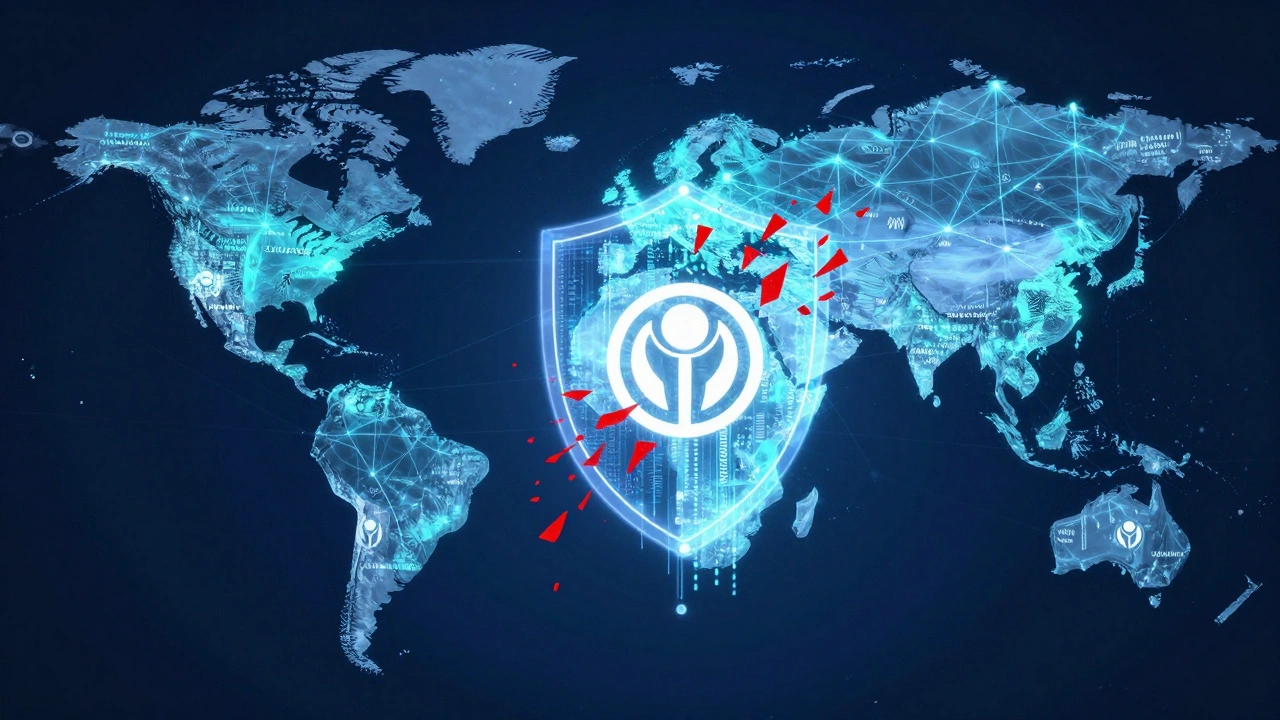
Imagine a user who spams every language version of the encyclopedia with the same malicious content. Do you think each local community needs to handle this separately? No. That’s where Wikipedia stewards are volunteers with global permissions to manage cross-project issues like vandalism and spam. They act as the backbone of global administration, ensuring that harmful behavior doesn’t slip through the cracks between different language editions.
If you’ve ever wondered how the massive ecosystem of Wikimedia projects stays coordinated, you need to look at the steward system. It’s not just about banning bad actors; it’s about maintaining trust across borders and languages. This guide breaks down exactly what stewards do, the policies they follow, and why their role is critical for the health of the entire movement.
The Role of Stewards in the Wikimedia Ecosystem
Stewards are trusted volunteers selected by the community to perform administrative tasks across all Wikimedia wikis. Unlike local administrators who only have power on one specific wiki (like English Wikipedia or German Wikipedia), stewards can act globally. But what does that actually mean in practice?
Think of them as the international police force for the Wikimedia movement. They don’t make content decisions. They don’t decide if an article should exist. Instead, they handle technical and behavioral issues that span multiple projects. Their primary jobs include:
- Banning users who harass editors across many different wikis.
- Blocking IP ranges used for widespread vandalism.
- Removing spam links that appear everywhere simultaneously.
- Handling account merging requests when someone wants to combine identities.
This role requires immense trust. A steward has access to tools that could disrupt communities if misused. That’s why the selection process is rigorous, involving nominations, discussions, and votes from the broader Wikimedia community.
Global Policies: The Rules Stewards Must Follow
You might assume stewards can do whatever they want because they have global powers. In reality, they are bound by strict steward policies are community-agreed guidelines that define the scope and limits of global administrative actions. These policies ensure consistency and fairness.
The most important policy is the Global Ban Policy. A steward cannot ban someone just because they dislike their editing style. There must be clear evidence of harassment, abuse, or severe disruption across multiple projects. Before taking action, stewards usually consult with local administrators to understand the context.
Another key rule is transparency. Every global action taken by a steward is logged publicly. You can see who did what, when, and why. This openness allows anyone to audit their work. If a steward makes a mistake, the community can review the log and request a reversal. This system of checks and balances prevents power from becoming concentrated in too few hands.
There’s also the principle of local primacy. Stewards respect local decisions unless there’s a compelling reason to intervene globally. For example, if a local community decides to keep a controversial article, stewards won’t delete it just because they disagree. They step in only when local mechanisms fail or when the issue transcends one project.

Types of Global Actions Stewards Perform
Let’s get specific about what stewards actually click on their keyboards. Here are the most common global actions:
- Global Bans: When a user consistently violates rules across several wikis, a steward may impose a global ban. This blocks them from editing any Wikimedia project. It’s a last resort, used only after local warnings fail.
- Spam Blacklisting: Stewards maintain a global list of URLs that are automatically blocked. If a link appears in thousands of edits worldwide, stewards add it here to stop the spread instantly.
- Account Merges: Sometimes people create separate accounts for different languages due to technical glitches. Stewards can merge these into one identity so the user’s contributions are unified.
- Oversight Deletion: In rare cases, stewards remove sensitive personal information (doxxing) from history logs. This protects privacy while preserving the integrity of the archive.
Each action serves a distinct purpose. Banning stops human abusers. Blacklisting stops automated bots. Merging fixes technical errors. Oversight protects vulnerable individuals. Together, these tools keep the platform safe and functional.
| Action Type | Local Admin Scope | Steward Scope |
|---|---|---|
| Banning Users | Single Wiki Only | All Wikis Globally |
| Deleting Pages | Yes (Content Decisions) | No (Technical Only) |
| Blocking IPs | Local Network Ranges | Global IP Blocks |
| Merging Accounts | No Permission | Yes (Cross-Project) |
Why Global Coordination Matters
Without stewards, the Wikimedia movement would fragment. Imagine trying to fight a coordinated attack from a single bad actor across 300+ language versions. Local admins would be overwhelmed, reacting piecemeal while the damage spreads. Stewards provide a centralized response mechanism.
Consider the case of “spam farms”-networks of websites designed to manipulate search results by linking to commercial sites. These attacks often target hundreds of wikis at once. A steward can identify the pattern, block the source domains globally, and notify local communities. This saves thousands of hours of manual cleanup.
Moreover, stewards help bridge cultural gaps. A behavior considered acceptable in one culture might be offensive in another. Stewards mediate these conflicts by applying universal standards of conduct. They ensure that no single community feels isolated or unprotected.
Challenges and Controversies
The steward system isn’t perfect. Critics sometimes argue that global powers undermine local autonomy. When a steward bans a user, local editors might feel their judgment was ignored. To address this, stewards engage in extensive consultation before acting. They read local talk pages, ask questions, and wait for consensus.
Another challenge is workload. There are fewer than 50 active stewards worldwide, yet they monitor billions of edits annually. Burnout is real. Some stewards take breaks, leading to temporary gaps in coverage. The community supports them by recognizing their efforts and recruiting new candidates regularly.
Transparency remains the biggest safeguard against abuse. Since all actions are public, any misuse becomes visible quickly. The community holds stewards accountable through feedback channels and elections. If a steward loses trust, they can be removed via a vote. This democratic control ensures the system stays aligned with community values.
How You Can Support Stewards
You don’t need to be a steward to help. As an editor, you can support them by reporting cross-wiki problems clearly. Use templates like {{Globalban}} or {{Spam}} to flag issues. Provide context-explain why you believe something is abusive. The more detail you give, the faster stewards can act.
You can also nominate qualified volunteers. Look for experienced editors who demonstrate neutrality, patience, and strong communication skills. Encourage them to apply. More stewards mean better coverage and less burnout for existing ones.
Finally, respect their decisions. Even if you disagree with a global ban, remember that stewards consider factors beyond your view. Engage constructively through discussion rather than confrontation. Healthy dialogue strengthens the entire ecosystem.
Who appoints Wikipedia stewards?
Stewards are appointed through a community election process. Volunteers nominate themselves, undergo scrutiny, and receive votes from registered users across all Wikimedia projects. Those who meet the threshold gain global permissions.
Can stewards delete articles?
No. Stewards do not make content decisions. Article deletion is handled by local administrators based on community guidelines. Stewards only delete pages for technical reasons, such as removing sensitive personal data.
What happens if I disagree with a global ban?
You can appeal the decision by contacting the stewards directly or raising concerns on relevant noticeboards. Appeals are reviewed carefully, and bans can be lifted if new evidence emerges or if the original ruling was flawed.
Are stewards paid by the Wikimedia Foundation?
No. All stewards are unpaid volunteers. They contribute their time freely to protect the encyclopedia. The Wikimedia Foundation provides infrastructure but does not employ stewards.
How long does a steward serve?
Stewards typically serve one-year terms. At the end of each term, they must reapply or step down. This ensures regular accountability and gives the community a chance to reassess trust levels.