
The Silence in Global Knowledge
In 2026, the digital library is vast, yet significant gaps remain where many voices should be. When you open Wikipedia, you see thousands of articles in English, French, and Spanish. However, hundreds of spoken languages lack even basic pages about their own history, culture, or geography. This isn't just a missing link; it's a gap in global representation. Many communities feel ignored when their language doesn't appear in the top search results.
Organizations face a hard reality: asking people to edit is easy, but asking them to edit consistently is difficult. The core challenge involves finding individuals who speak these tongues and convincing them to contribute their time. We need practical ways to recruit editors without draining existing resources. If we want a truly universal encyclopedia, the approach to growing these communities must differ from how we handle established ones.
Defining the Target: What Makes a Language "Underrepresented"?
Before launching a campaign, we must clarify what we mean by underrepresented. In the context of the
Characteristic
Magnitude
Typical Issues
Active Editors
Low (< 10)
Reliance on few power users
Article Count
Low (< 5k)
Lack of foundational topics
Digital Literacy
Varying
Barriers to editing interface
project ecosystem, this means languages with fewer than 10 active monthly contributors. Often, these communities consist of just two or three dedicated veterans. They burn out quickly because the workload is too heavy for so few people.
We also need to consider the demographic of the speakers. For instance, indigenous languages often have elders who speak fluently but may not possess the technical skills required to navigate a wiki interface. Conversely, younger generations might know the technology but struggle with deep grammatical nuance due to language shift. A strategy works differently for a high-resource language like German compared to a low-resource language facing revitalization efforts.
Sourcing Talent: Where Potential Volunteers Hide
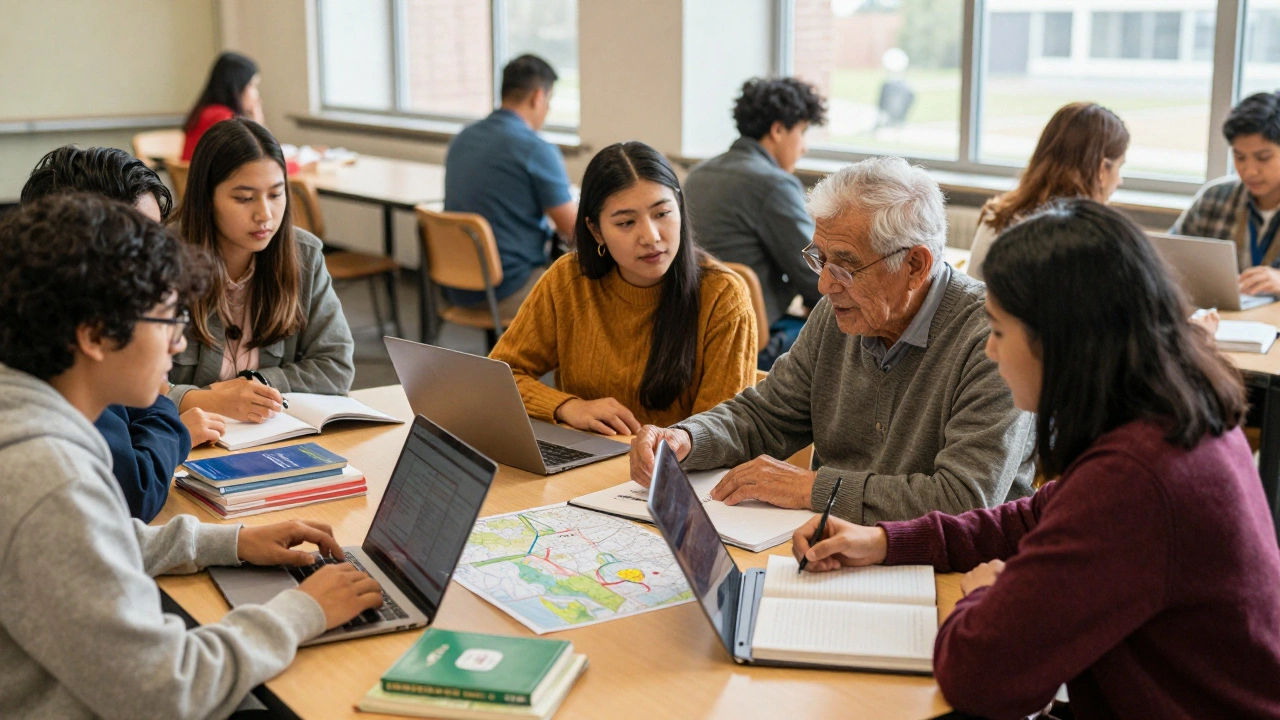
Finding candidates starts where the language lives naturally. You won't find them on general forums alone. You need to look into specialized groups where the language is used socially or educationally. University departments are a goldmine. Students majoring in Linguistics or Regional History are trained to research and verify facts, which aligns perfectly with editorial work.
Social media platforms act as modern town squares. Look for Facebook groups or Telegram channels dedicated to the specific language. These digital hubs often discuss cultural preservation. Engaging admins there can introduce them to the platform as a tool for archiving folklore or documenting local events. Another angle is partnering with non-profits that support literacy. These organizations already trust the community and can vouch for the legitimacy of the project.
Lowering Technical Barriers
Even if someone wants to help, the barrier of entry is often the biggest killer. Older interfaces relying on complex markup syntax are intimidating. Fortunately, the VisualEditor has matured significantly by 2026, offering a more familiar word-processing experience. For new recruits, the ability to edit visually without typing code is non-negotiable.
Beyond the editor itself, source material is a hurdle. If a topic lacks citations in that language, writing an article becomes impossible. Communities need access to digitized books, newspapers, and academic papers. Partnerships with national libraries can unlock these archives. When volunteers know they have verified references nearby, they feel confident adding content rather than worrying about accuracy policies.
The Role of Events in Building Momentum
One-off events like Edit-a-thons serve as excellent starting points. They offer safety in numbers. People show up for a day, learn the ropes, and leave with small achievements. However, reliance solely on events creates a feast-or-famine cycle. The goal of an event must be retention.
To achieve this, pair events with follow-up programs. An alumni group helps those who attended stay engaged. Assign mentors from existing staff to onboard newcomers immediately after the session. Without a buddy system, fresh faces drift away when they encounter their first conflict or revert notice. Mentorship provides emotional support and navigational guidance through community norms.

Incentivizing Contribution Through Recognition
Volunteers do not need money, but they crave impact. Public recognition reinforces behavior. Features in newsletters or badges on profiles can validate effort. For underrepresented projects, awards focusing on quality over quantity are vital. A single well-sourced biography in a minority language is worth ten shallow stubs.
Connect editing to broader life goals. For example, allow students to earn community service hours for their edits. Work with schools to integrate Wikipedia assignments into curriculums. This creates a pipeline of young contributors who return years later as experienced editors. When institutional rewards align with community contributions, the recruitment channel widens significantly.
Retention: Keeping the New Blood Active
Bringing someone in is step one; keeping them is step two. New users leave mostly because of friction or feeling undervalued. Aggressive reverts by bots or veterans signal hostility. Establishing clear guidelines for welcome messages ensures newbies get encouragement before correction.
Culture plays a massive role here. A toxic environment drives talent away instantly. Promote constructive criticism and empathy. Regular check-ins by community leaders help identify users at risk of quitting. If an editor hasn't logged in for a month, a personal message asking how things are going works better than automated spam. This human touch reminds them that the community values their presence.
How do I start recruiting if I have zero budget?
You don't need funding to begin. Use free communication tools like email mailing lists and social media. Connect with local university departments or cultural clubs. Volunteering your time as a mentor to explain basics is often more valuable than paid ads.
What is the best age group for language editors?
There is no single ideal age. Students bring energy and time, while older contributors bring domain expertise and language proficiency. A balanced mix of both creates stability, preventing the community from aging out.
Can AI tools help with recruiting editors?
Yes, AI assistants can lower the writing barrier by helping with grammar checks or summarizing sources. However, always require human verification to maintain quality standards and prevent hallucinated content from polluting the encyclopedia.
Why do some language editions fail to grow?
Failure often stems from internal conflict, outdated tools, or lack of outreach. If power users gatekeep content aggressively, newcomers leave. Successful editions prioritize inclusivity and provide clear pathways for improvement.
Is it necessary to hold physical events?
Physical meetings build strong bonds but aren't strictly necessary. Virtual workshops and webinars can reach geographically scattered speakers. Hybrid models work best, allowing remote participation while maintaining an option for local meetups.