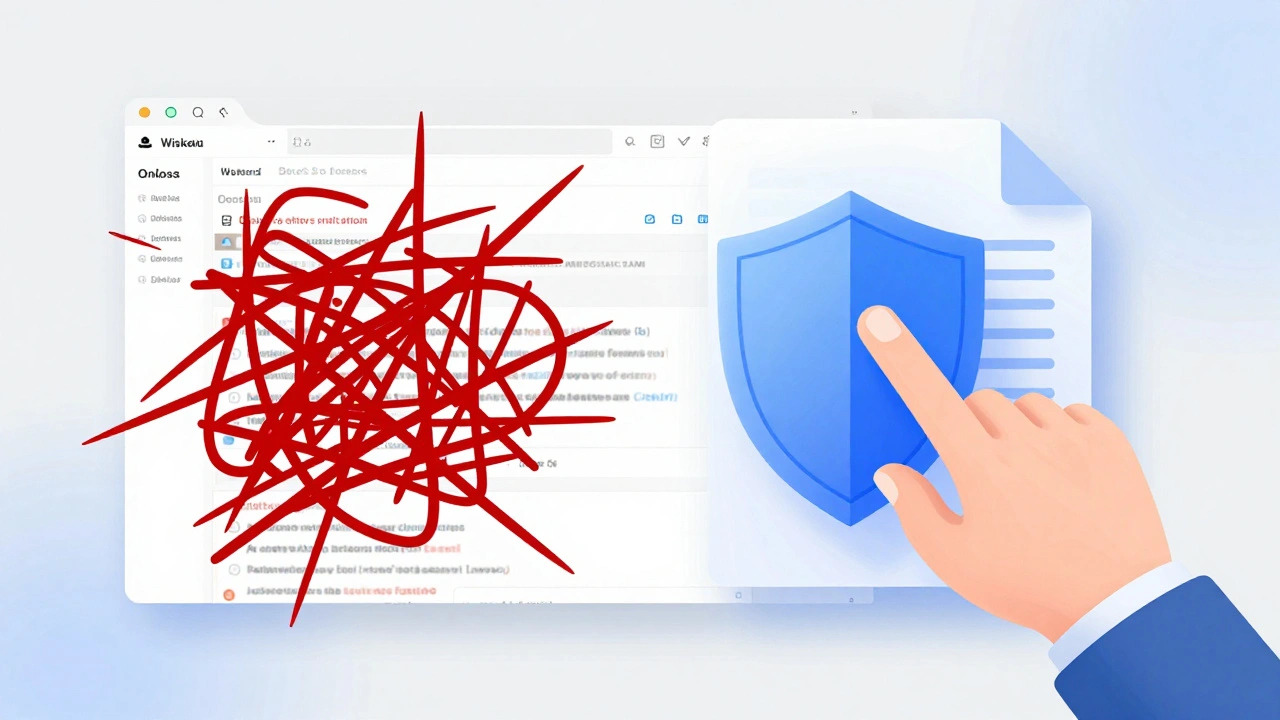
Imagine you are editing a high-profile article about a current political figure. Suddenly, an anonymous user deletes half the content and replaces it with insults. You revert the change. They revert it back. This cycle repeats ten times in an hour. If you are just a regular editor, you are stuck in a loop. But if you are a Wikipedia administrator, also known as admin, who has access to technical tools like page protection and blocking, you have a specific set of rules to follow before locking that page down.
Page protection is not a punishment. It is a temporary traffic control measure. Using it incorrectly can shut down legitimate discussion or alienate new contributors. Using it correctly keeps the encyclopedia stable during crises. The difference between a good admin and a bad one often comes down to how they apply the Protection Policy is a set of guidelines on Wikipedia that dictate when and how editors should restrict access to pages.
The Hierarchy of Protection Levels
Before you click any buttons, you need to understand the three main tiers of protection available to administrators. Each level serves a different purpose and requires a different justification.
- Semi-protection: This restricts editing to only registered users who have had their accounts for at least four days and made at least ten edits. This is the most common tool. It stops sock puppets and brand-new accounts created solely for disruption. It does not stop experienced vandals, but it raises the barrier to entry enough to slow them down significantly.
- Full protection: Only administrators can edit fully protected pages. This is reserved for extreme cases, such as intense edit wars on controversial topics, pages that are targets of massive coordinated attacks, or articles where non-admins cannot reach consensus on content.
- Moderator protection: This is the highest level, used rarely. Only Oversighters are trusted volunteers with the ability to hide sensitive information from public view and other privileged users can edit these pages. This is typically used for legal threats, privacy violations, or extremely sensitive biographical data.
A common mistake new admins make is jumping straight to full protection. Always start with the least restrictive option that solves the immediate problem. If semi-protection stops the vandalism, do not escalate to full protection unless the vandals start using established accounts to bypass the semi-protect.
When to Protect: The Edit War Rule
The clearest trigger for protection is the "three-revert rule" (3RR). If a single user reverts the same change three times within 24 hours without gaining consensus, they are violating policy. However, protection is usually applied when the *page* becomes unstable, not just when one person breaks the rule.
You should consider protecting a page when:
- Consensus cannot be reached: Two groups of editors are deadlocked on a specific paragraph. Neither side is listening. The talk page is filled with circular arguments. At this point, locking the content prevents further damage while the community debates on the talk page.
- Vandalism is persistent: A page is being vandalized repeatedly by different IPs. Semi-protection is the first line of defense here.
- Disputed deletion: An article is nominated for deletion, but supporters keep adding content to save it while opponents keep removing it. Protecting the page freezes the state so the deletion discussion can happen without interference.
Do not protect a page simply because you disagree with the content. That is editorial bias, not administration. Your job is to facilitate the process, not decide the outcome.
Duration Matters: Short vs. Long Locks
One of the biggest sources of friction among editors is indefinite protection. Admins often feel safer leaving a page locked forever to prevent future issues. Editors hate this because it stifles growth.
As a general rule, protection should be temporary. Think of it like a cast on a broken bone. Once the bone heals, you remove the cast. If you leave the cast on too long, the muscle atrophies.
| Scenario | Recommended Duration | Reasoning |
|---|---|---|
| Minor vandalism spike | 1-3 days | Usually a one-off event by bots or trolls. Short lock clears the queue. |
| Edit war between two users | 1 week | Gives time for cooling off and for others to weigh in on the talk page. |
| High-profile controversy | 1 month | Allows for broader community input and consensus building. |
| Indefinite | Rarely | Only for pages with permanent structural issues or legal risks. |
If you must protect a page indefinitely, you need a very strong reason. For example, a biography of a living person that has been targeted by malicious actors for years might stay semi-protected permanently. But even then, review it every six months. Ask yourself: "Is this still necessary?" If the answer is no, unlock it.
The Talk Page Is Not Protected
This is a critical nuance. When you protect an article's content, you are freezing the *encyclopedic text*. You are not freezing the *discussion*. In fact, you should encourage discussion.
If you lock a page because of an edit war, you must direct the warring parties to the talk page. Tell them: "The article is protected. Please discuss your changes here." If the talk page itself becomes a battleground, you may need to protect the talk page separately. But never assume that locking the article silences the debate. It should channel the debate into a more productive format.
Also, remember that protection does not solve content disputes. It only pauses them. If you protect a page and ignore the underlying disagreement, the problem will explode when the protection expires. Use the protected period to mediate. Summarize the arguments. Look for compromise. If you cannot find consensus, propose a neutral phrasing and ask the community to vote or comment.
Communication Is Key
Never protect a page silently. Every protection action must be accompanied by a clear, concise reason in the protection log. Vague reasons like "vandalism" or "edit war" are insufficient. Be specific.
Good examples of protection reasons:
- "Semi-protected due to repeated IP vandalism over the last 24 hours. See talk page for details."
- "Fully protected for one week due to ongoing edit war between User A and User B regarding the 'Early Life' section. Consensus needed on talk page."
Bad examples:
- "Locked."
- "Too many edits."
- "I don't like this version."
Additionally, notify the involved editors. Leave a message on their user talk pages explaining why the page was protected and what they should do next. This reduces frustration and shows that you are acting fairly, not arbitrarily.

Common Pitfalls to Avoid
Even experienced admins make mistakes. Here are the most common traps:
Protecting against new editors: Sometimes, a surge of new editors improving an article looks like vandalism. Check the quality of their edits. If they are adding references and fixing grammar, do not protect the page. Instead, welcome them. Protection should target bad faith, not inexperience.
Ignoring the Talk Page History: Before protecting, scroll through the talk page. Has this issue been discussed before? Was there a previous consensus? Ignoring past discussions leads to repeating the same mistakes.
Overusing Full Protection: Full protection is a nuclear option. It removes the ability of the majority of the community to contribute. Use it sparingly. If you find yourself full-protecting multiple pages a day, step back and assess whether you are reacting emotionally to conflict.
Reviewing Existing Protections
Part of an admin's duty is maintenance. Pages get protected and forgotten. You can help by reviewing old protections. Look for pages that have been semi-protected for six months or more. Check the recent history. Has there been any vandalism since the protection was applied? If not, consider reducing the duration or removing the protection entirely.
This proactive approach builds trust. Editors appreciate admins who unlock pages when they are no longer needed. It shows that you value open collaboration and only restrict access when absolutely necessary.
Handling Appeals
Editors will appeal your protection decisions. They might think you were biased, too harsh, or wrong about the situation. Take these appeals seriously. Review the evidence again. If you realize you made a mistake, admit it, adjust the protection, and apologize. If you stand by your decision, explain your reasoning clearly and politely. Do not get defensive. Your goal is to uphold the policy, not to win an argument.
If an appeal cannot be resolved between you and the editor, suggest they take the issue to the Administrators' Noticeboard is a forum where Wikipedia administrators discuss administrative actions and seek peer review. Peer review helps ensure consistency and fairness across the platform.
Can I protect a page if I am involved in the edit war?
No. You should not protect a page if you are personally involved in the dispute. This creates a conflict of interest. Ask another administrator to handle the protection. Your involvement compromises your neutrality, and other editors will likely challenge your action.
What is the difference between semi-protection and full protection?
Semi-protection allows any registered user with an account older than four days and at least ten edits to edit the page. Full protection restricts editing to administrators only. Semi-protection is used for stopping casual vandalism and sock puppets. Full protection is used for severe edit wars or when consensus cannot be reached among experienced editors.
How long should a page remain protected?
Protection should be temporary whenever possible. Start with short durations (1-3 days) for minor issues. Extend to weeks or months for serious disputes. Indefinite protection should be rare and regularly reviewed. The goal is to remove protection as soon as stability returns.
Should I protect the talk page along with the article?
Usually, no. The talk page is where consensus is built. Protecting the article freezes the content, but the talk page should remain open for discussion. Only protect the talk page if it becomes a target for vandalism or harassment unrelated to the article's content dispute.
What if an editor appeals my protection decision?
Take the appeal seriously. Re-evaluate the situation objectively. If you were wrong, correct it. If you were right, explain your reasoning clearly. If the dispute continues, refer the matter to the Administrators' Noticeboard for peer review. Never ignore or dismiss appeals rudely.