
Most people assume that if you can't cite a tweet or an Instagram post on Wikipedia, the platform is stuck in the past. It’s easy to think that because news breaks on X (formerly Twitter) first, it should count as proof. But Wikipedia editors have spent years drawing hard lines around what counts as evidence. The short answer? You generally can’t use social media posts to prove facts. However, there are specific, limited cases where those very same posts become critical historical records.
This isn't about being old-fashioned. It’s about preventing vandalism and misinformation. If anyone could edit a page by linking to their own blog or Facebook status, the encyclopedia would collapse into chaos. So, how does Wikipedia actually handle this? Let's look at the rules that keep the site reliable while still capturing modern history.
The Core Rule: Verifiability Over Truth
To understand why social media is usually banned, you have to understand Wikipedia’s most important policy: Verifiability. This policy states that readers must be able to check that information comes from a reliable source. It doesn't mean the editor has to believe the fact is true; it means a third party can verify it using published material.
Social media platforms fail this test for several reasons:
- Lack of Editorial Oversight: Anyone with an account can post anything. There is no fact-checking team, no editor-in-chief, and no correction process like traditional newspapers have.
- Ephemeral Nature: Posts get deleted, accounts get suspended, and links break. A citation needs to last forever, not just until the user changes their mind.
- Conflict of Interest: Politicians, celebrities, and companies often run their own social media channels. Citing them is like letting someone write their own biography.
Because of these issues, Wikipedia classifies most social media content as unreliable self-published sources. This means they cannot be used to support claims about events, statistics, or biographical details.
When Social Media Becomes a Primary Source
Here is where it gets interesting. While you can’t use a tweet to prove that "Company X made $1 billion in profit," you might be able to use it to prove that "Company X announced a new product via a tweet." In these cases, the social media post shifts from being a secondary source (reporting on a fact) to a primary source (the event itself).
Wikipedia allows social media as a primary source when the post is the subject of the article or a significant part of the narrative. For example:
- Viral Moments: If a specific meme started on TikTok and changed internet culture, the original TikTok video is the primary source for that story.
- Official Announcements: If a government agency only releases emergency alerts via their verified X account, that alert can be cited as the official record of the announcement.
- Historical Documentation: During major crises, eyewitness videos posted to YouTube or Instagram serve as primary documentation of what happened, even if they aren't "verified" by a news outlet immediately.
The key difference is context. You are not citing the post to prove the *content* is objectively true (e.g., "The sky is green"). You are citing it to prove the *act* occurred (e.g., "The mayor claimed the sky was green").
The Role of Secondary Verification
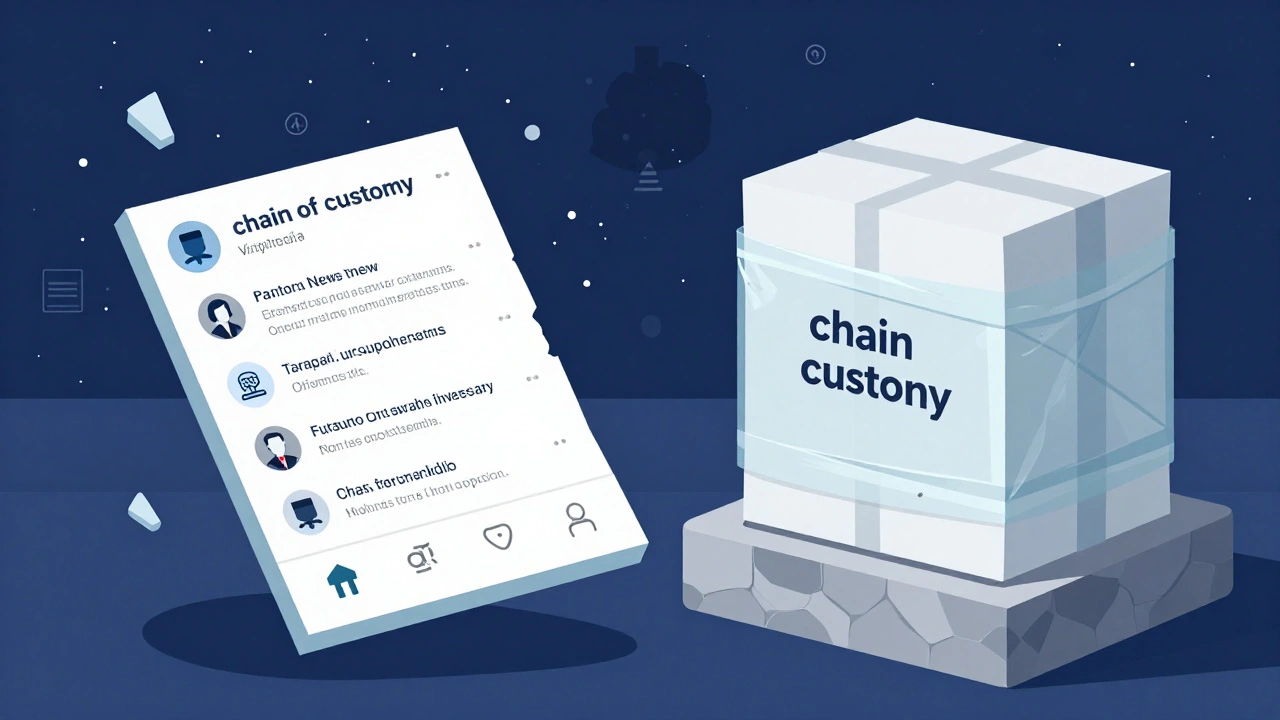
Even when a social media post is newsworthy, Wikipedia rarely cites the post alone. Editors prefer a "chain of custody" for information. Ideally, a reliable secondary source-like a newspaper, academic journal, or broadcast network-should report on the social media activity.
For instance, if a celebrity breaks up via Instagram, a Wikipedia editor won't just link to the Instagram photo. They will look for a reputable news article that says, "Celebrity X announced their breakup on Instagram." That news article becomes the citation. The social media post is the raw data; the news report is the verified wrapper.
This approach protects against deepfakes, edited screenshots, and out-of-context clips. By requiring a second layer of verification from established media organizations, Wikipedia ensures that the social media trend is real and significant enough to include in an encyclopedia.
| Source Type | Reliability Status | Allowed Use Cases | Risk Factors |
|---|---|---|---|
| Traditional Newspapers | Highly Reliable | Almost all factual claims | Bias, editorial errors |
| Academic Journals | Highly Reliable | Scientific, medical, historical claims | Jargon, access barriers |
| Social Media (General) | Unreliable | Never for factual claims | Fake news, anonymity |
| Social Media (Primary) | Conditionally Reliable | As the subject of the article | Deletion, lack of context |
Platform-Specific Nuances
Not all social media is treated equally. Wikipedia editors look at the structure and permanence of the platform.
X (Twitter): Often cited for political statements because politicians use it as a direct line to the public. However, threads are messy, and replies can be misleading. Editors prefer archived versions of tweets to prevent link rot.
YouTube: Video content is tricky. A vlog is generally considered self-published and unreliable. However, official channels of museums, universities, or government bodies are sometimes treated more leniently if the content is educational and verifiable through other means.
Reddit: Almost never accepted as a source. Reddit is anonymous and lacks any editorial standard. Even highly upvoted comments are viewed as hearsay unless a recognized expert uses their real name and provides verifiable credentials.
LinkedIn: Professional profiles are seen as promotional material. They are useful for confirming employment dates if corroborated by company press releases, but they cannot be used to claim achievements or awards without independent verification.
Handling Link Rot and Archiving
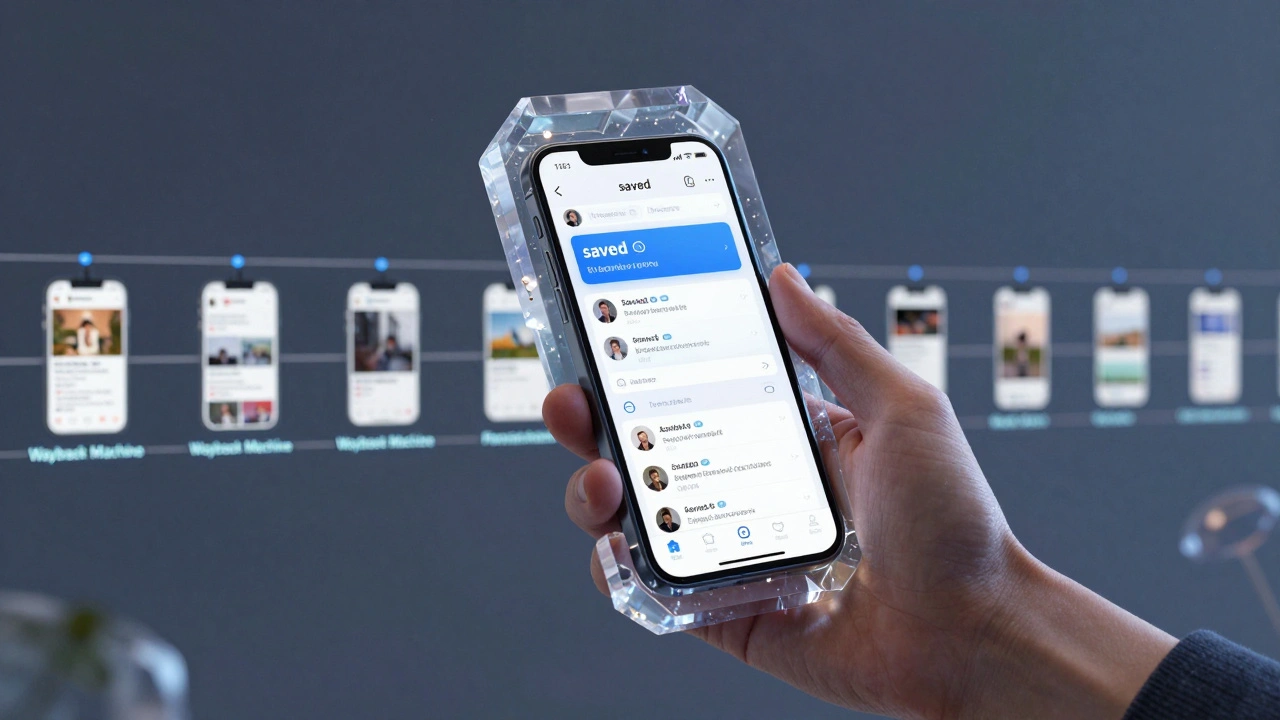
One of the biggest practical problems with citing social media is that links die. A tweet from 2015 might be gone today. To combat this, Wikipedia encourages the use of web archiving tools like the Wayback Machine or specialized social media archivists.
If you are editing a page and want to include a social media reference, you must ensure the link is stable. Using a tool like Perma.cc or Archive.today creates a permanent snapshot of the post. This snapshot then becomes the citable URL, not the live social media link. This practice is essential for maintaining the long-term integrity of the encyclopedia.
Common Misconceptions About Sourcing
New editors often make mistakes when trying to incorporate modern digital culture. Here are three common pitfalls:
- "It went viral, so it must be true." Virality is not a metric of truth. Millions of people shared false health advice during the pandemic. Wikipedia ignores the share count and looks for scientific consensus.
- "The influencer has millions of followers." Popularity does not equal expertise. An influencer with 10 million followers is still a self-published source unless they are also a credentialed professional in the field being discussed.
- "I saw it on TV, so I can cite the tweet." If a news program reports on a tweet, cite the news program. Do not cite the tweet directly unless the tweet itself is the historical artifact you are discussing.
Understanding these distinctions helps keep Wikipedia accurate. It’s not about dismissing the importance of social media; it’s about recognizing its limitations as a tool for establishing objective reality.
Future Challenges: AI and Deepfakes
As we move further into 2026, the line between real and fabricated social media content is blurring. AI-generated images and deepfake audio clips can appear on any platform. This makes Wikipedia’s strict reliance on secondary, reputable sources even more crucial.
In the future, we may see even stricter guidelines. Editors might require cryptographic verification or blockchain-backed timestamps for digital media citations. For now, the rule remains simple: if a reliable, independent organization hasn't confirmed it, it doesn't belong in the encyclopedia.
Can I cite a personal blog on Wikipedia?
Generally, no. Personal blogs are considered self-published sources, similar to social media. They lack editorial oversight and are prone to bias. You can only cite a blog if the author is a recognized expert in the field and the blog is widely recognized as a reliable publication in that niche, which is rare.
Why doesn't Wikipedia accept anonymous sources?
Anonymous sources cannot be verified for credibility. Wikipedia requires that sources have a reputation for accuracy. Without a known identity or institutional backing, there is no way to assess the source's reliability or potential conflicts of interest.
Is a verified blue checkmark on X enough to make a source reliable?
No. A verification badge confirms identity, not accuracy. A verified politician can still lie, and a verified company can still exaggerate. Wikipedia treats verified accounts as primary sources for their own statements, but not as reliable secondary sources for general facts.
What should I do if a social media post is the only source of information?
If a social media post is the only source, the information likely does not meet Wikipedia's notability or verifiability standards. You should wait for a reliable secondary source, such as a news article, to cover the event before adding it to an article.
Can I use YouTube comments as a source?
No. YouTube comments are anonymous, unmoderated, and ephemeral. They provide no value for verifying facts and are strictly prohibited as sources on Wikipedia.