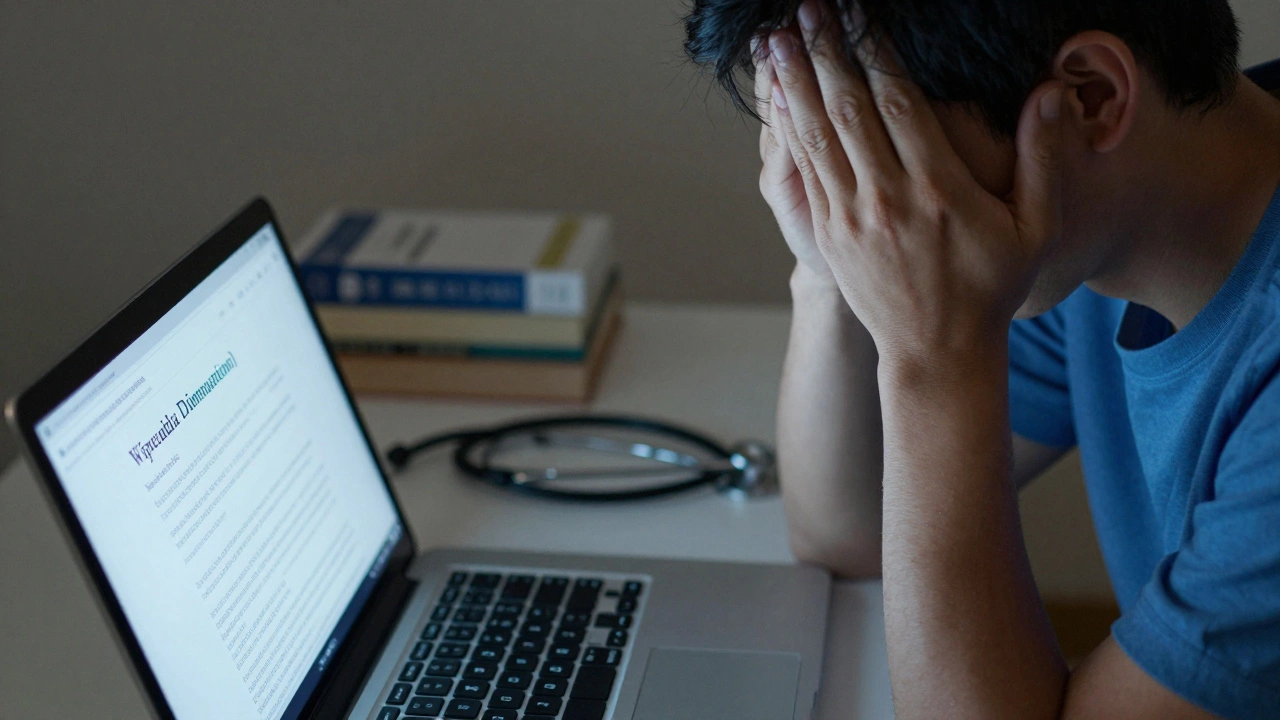
Imagine you have a headache that won't go away. You search for it online and land on a Wikipedia article about migraines. Do you trust what you read? For millions of people, the answer is yes. But Wikipedia is not written by doctors. It is written by volunteers. Some are medical students. Some are patients. Some know nothing about medicine at all. This creates a unique challenge for medical journalism within this platform. How do we ensure that life-saving information remains accurate when anyone can edit it?
The stakes are incredibly high. Inaccurate health information can lead to wrong diagnoses, dangerous self-medication, or delayed treatment. Unlike a blog post where an opinion might just be annoying, a mistake in a health article can be harmful. This is why the intersection of volunteer editing and medical science requires strict rules, careful monitoring, and a deep understanding of how knowledge is verified on the web.
The Core Problem: Volunteer Editors vs. Medical Expertise
Wikipedia operates on a model of open collaboration. The idea is that many eyes catch errors faster than a few experts. This works well for topics like history or geography. If someone writes that Paris is the capital of Germany, thousands of users will correct it quickly. Medicine is different. Medical knowledge is complex, nuanced, and constantly changing. A layperson cannot easily spot a subtle error in a description of chemotherapy protocols or drug interactions.
This gap between general knowledge and specialized expertise is the central tension in medical journalism on Wikipedia. The platform relies on reliable sources, but editors must interpret these sources. If an editor misunderstands a study, that misunderstanding becomes part of the encyclopedia. To combat this, Wikipedia has developed specific policies and communities dedicated to health topics.
| Feature | Traditional Medical Journals | Wikipedia Health Articles |
|---|---|---|
| Authorship | Peer-reviewed experts | Volunteer community |
| Update Speed | Slow (months to years) | Fast (minutes to hours) |
| Access | Often behind paywalls | Free and open |
| Verification | Pre-publication peer review | Post-publication community review |
Key Policies That Protect Health Information
Wikipedia does not leave health information to chance. It has several core policies that act as guardrails. Understanding these policies is essential for anyone contributing to or relying on medical content.
- No Original Research: Editors cannot add their own ideas, theories, or interpretations. Every claim must be backed by a published source. This prevents personal anecdotes from becoming "facts."
- Neutral Point of View (NPOV): Medical treatments often have competing schools of thought. An article on dieting must represent low-carb, keto, Mediterranean, and other diets fairly, citing evidence for each without favoring one.
- Reliable Sources: Not all websites are equal. Wikipedia prioritizes peer-reviewed journals, government health agencies (like the CDC or WHO), and reputable news outlets over blogs or social media posts.
- Medicine Manual: This is a specific guideline for health articles. It states that articles should not give medical advice. They should describe conditions and treatments based on consensus in the literature, not tell readers what to do.
These policies create a framework for accuracy in health information. However, policies are only as good as their enforcement. This brings us to the role of the community.
The Role of WikiProjects and Specialist Communities
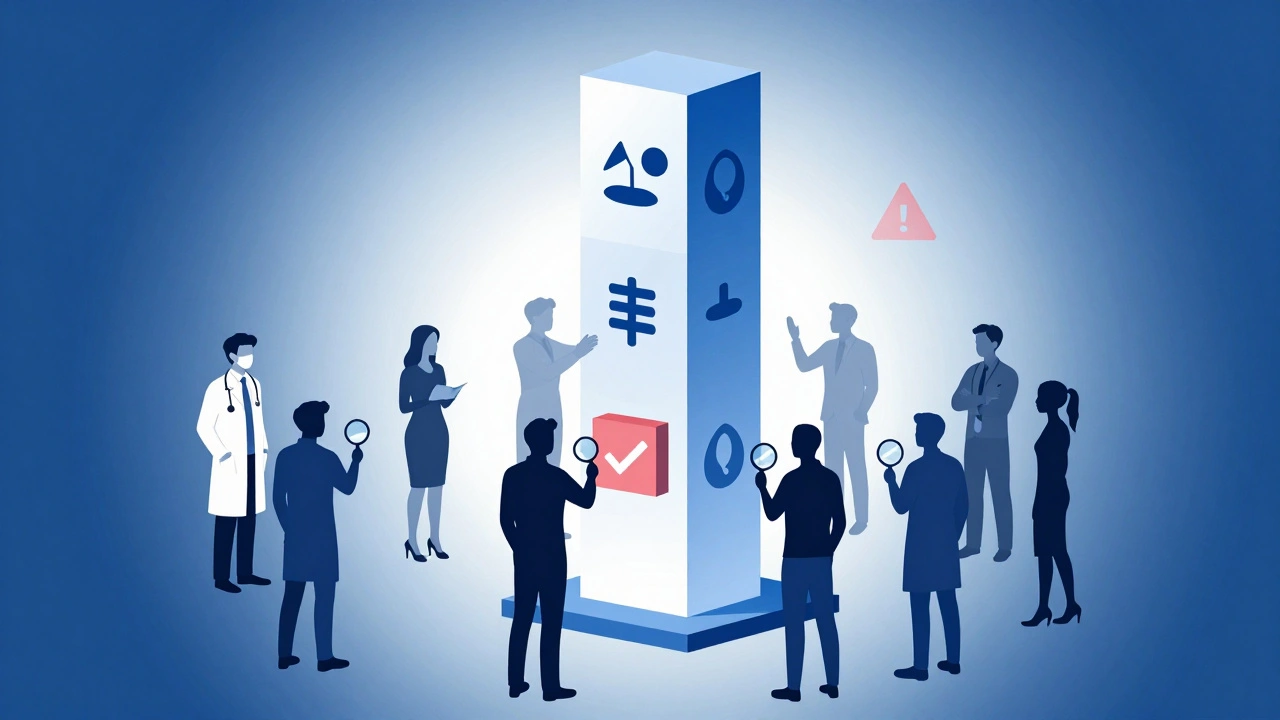
Wikipedia organizes its work through WikiProjects. These are groups of volunteers who focus on specific topics. For health, there are projects like WikiProject Medicine, WikiProject Psychiatry, and WikiProject Cancer. These groups monitor changes, assess article quality, and guide new editors.
WikiProject Medicine is particularly important. It was founded in partnership with the American Medical Association. Members include doctors, nurses, pharmacists, and experienced editors. They tag articles with quality ratings, from "Stub" to "Featured Article." A Featured Article has undergone rigorous review and meets the highest standards of completeness and neutrality.
When a major health event occurs, such as a pandemic, these communities ramp up their efforts. During the COVID-19 outbreak, Wikipedia editors worked around the clock to update articles on the virus, vaccines, and treatments. They relied on preprints and official health agency updates, carefully distinguishing between confirmed facts and emerging research.
Challenges in Maintaining Neutrality
One of the biggest challenges in medical journalism on Wikipedia is bias. Doctors may want to promote their specialty. Patients may want to share their success stories. Pharmaceutical companies may try to highlight benefits while downplaying side effects. Wikipedia calls this conflict of interest editing.
Editors are required to disclose any conflicts of interest. If you work for a hospital or a drug company, you must say so. Even then, editing your own employer's page is discouraged. Instead, neutral third parties should write the content using independent sources. This helps maintain the integrity of the information.
Bias can also be subtle. An article might use language that favors one treatment over another without realizing it. Words like "miracle cure" or "failed experiment" carry emotional weight. Neutral language describes the evidence: "Study X showed a 50% improvement," rather than "Treatment Y is amazing." Editors must constantly check their tone to ensure they are reporting facts, not opinions.

How Readers Can Verify Information
As a reader, you have tools to verify what you see on Wikipedia. The most important tool is the citation list at the bottom of every article. Click on the numbers next to claims. See where the information comes from. Is it a peer-reviewed journal? A government website? Or a random blog?
If a claim lacks a citation, it may be challenged and removed. Wikipedia encourages readers to add citations if they find them. This collaborative verification process makes the platform more robust over time. You can also check the "Talk" page for every article. This is where editors discuss changes, debate sources, and resolve disputes. Reading the talk page gives you insight into the reliability of the article. If there is ongoing disagreement about a fact, it may not be settled yet.
Another tip is to look at the revision history. You can see who edited the article and when. Frequent edits by anonymous users might indicate vandalism or confusion. Edits by established accounts with a history of constructive contributions are generally more trustworthy.
The Future of Health Information on Wikipedia
Technology is changing how we access and verify information. Artificial intelligence could help detect bias or flag unreliable sources automatically. Machine learning models might analyze large volumes of medical literature to suggest updates to Wikipedia articles. However, human judgment remains crucial. AI can identify patterns, but it cannot understand context or nuance like a trained editor can.
Partnerships with medical institutions are also growing. More hospitals and universities are encouraging their staff to contribute to Wikipedia. This brings expert knowledge directly into the editing process. Initiatives like GLAM (Galleries, Libraries, Archives, Museums) programs extend to healthcare, training professionals in how to write neutrally and cite properly.
Despite these advances, the core principle remains the same: transparency. Wikipedia shows its work. You can see every change, every discussion, and every source. This openness allows for continuous improvement. As long as the community stays vigilant, Wikipedia can remain a trusted resource for health information.
Is Wikipedia a reliable source for medical advice?
No. Wikipedia provides general information about conditions and treatments, but it is not a substitute for professional medical advice. Always consult a doctor for diagnosis and treatment plans. Wikipedia articles should be used for educational purposes only.
Who writes the medical articles on Wikipedia?
Medical articles are written by a mix of volunteers, including doctors, nurses, medical students, patients, and interested laypeople. Experienced editors and specialists in WikiProject Medicine review and refine the content to ensure accuracy and neutrality.
How does Wikipedia handle conflicting medical studies?
Wikipedia follows the Neutral Point of View policy. When studies conflict, the article presents all significant viewpoints proportionally, citing the best available evidence for each. It avoids declaring one side "correct" unless there is a strong scientific consensus.
Can I edit a medical article on Wikipedia?
Yes, anyone can edit, but you must follow strict guidelines. You need reliable sources for every claim, avoid original research, and maintain a neutral tone. If you have a conflict of interest, such as working for a related company, you must disclose it and consider letting a neutral editor make the changes.
What is WikiProject Medicine?
WikiProject Medicine is a group of Wikipedia volunteers focused on improving health-related articles. Founded with support from the American Medical Association, it includes medical professionals who review content, set standards, and mentor new editors to ensure high-quality information.