Key Takeaways
- New editors often face a "culture shock" due to aggressive policing of rules.
- The learning curve for Wiki markup and policy is steep and intimidating.
- Retention improves when newcomers receive positive reinforcement rather than just corrections.
- Diversifying the editor base requires moving away from "gatekeeping" behaviors.
The Brutal Reality of the First Edit
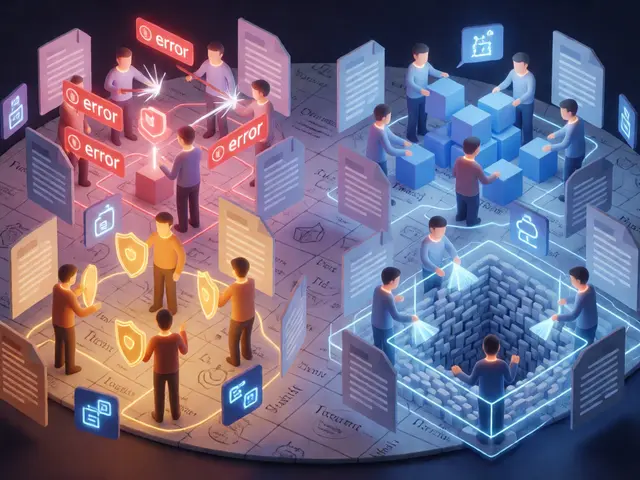
Most people come to Wikipedia with an itch to share knowledge. They see a gap in a page or a factual error and think, "I can fix that." However, the transition from reader to editor is a minefield. The Wikipedia editor retention rate has historically been low, with a huge percentage of users making one or two edits and never returning. This isn't because they lack interest; it's because the community's immune system is too aggressive.
When a new user makes a mistake, they often encounter Welcome Templates. While designed to be helpful, these can feel like a generic automated reprimand. If a user's first interaction is a warning about "No Original Research" or a request to provide a source for a claim they know to be true, they feel unwelcome. It creates a psychological barrier where the cost of participating outweighs the joy of contributing.
The Friction of Technical and Social Barriers
Wikipedia isn't just a website; it's a complex social ecosystem with its own legal-style bureaucracy. To survive, a new editor needs to master several things at once. First, there is the VisualEditor, which simplifies the process, but many advanced users still insist on Wiki Markup, the raw code used to format pages. When a newcomer is told their formatting is wrong, they aren't just fighting a software interface-they are fighting a legacy of how the site was built twenty years ago.
Then there are the policies. Understanding the difference between Notability (whether a subject is important enough to have its own page) and Verifiability (whether a claim can be backed by a reliable source) is a hurdle. For a professional academic, these concepts are intuitive. For a passionate hobbyist, they feel like arbitrary rules designed to keep people out.
| Rule/Concept | New Editor's View | Veteran's View |
|---|---|---|
| Reversions | "My work was stolen or deleted." | "I'm protecting the page from vandalism." |
| Citations | "Why do I need a source for a fact?" | "Without a source, it's just an opinion." |
| Talk Pages | "This is a confusing, argumentative forum." | "This is where we reach a consensus." |
| Guidelines | "Too many rules to possibly learn." | "Essential guardrails for quality control." |
The Problem with Gatekeeping and Elitism
There is an unspoken hierarchy in the Wikimedia Community. Long-term editors, often called "power users," have a deep understanding of the site's inner workings. While many are helpful, some develop a habit of gatekeeping. This happens when the focus shifts from "How can we help this person improve the article?" to "How quickly can I remove this error?"
This behavior disproportionately affects people from underrepresented backgrounds. If a new editor from a marginalized community writes about their own culture and is told the sources aren't "reliable enough" (despite those sources being the only existing records of that culture), they don't just quit the page-they quit the platform. This reinforces a demographic imbalance where the people writing the world's knowledge are mostly from a narrow slice of the global population.
Strategies for a More Welcoming Onboarding
How do we fix the leak? The secret isn't in better software, but in better social engineering. One of the most effective strategies is the "Positive Reinforcement" model. Instead of a template that says "Your edit was reverted because X," a human editor should leave a note saying, "I see what you were trying to do here, and it's a great addition! However, we need a source for this specific claim. If you can find one, I'd be happy to help you add it back."
Another approach is the use of Mentorship Programs. By pairing a novice with a guide, the learning curve becomes a conversation rather than a confrontation. When a new user feels they have a "person" in the community, they are far more likely to stick around. We also need to move away from the "deletion-first" mentality. Instead of deleting a page that doesn't meet notability standards, experienced editors can help the creator move the information to a more appropriate existing page.
Changing the Culture of Consensus
The way Wikipedia handles disagreements is through Consensus. But the process of reaching that consensus often takes place on "Talk Pages," which can feel like a digital battlefield. For a new user, jumping into a debate where people use complex acronyms and cite obscure policies is terrifying.
To make this more accessible, the community needs to simplify its communication. Using plain language and avoiding the "insider baseball" jargon of the Wikimedia Foundation ecosystem can lower the barrier to entry. When the goal is to make a person feel like a peer rather than a student being graded, the retention numbers naturally climb.
The Long-Term Impact of Diversifying Editors
When we keep new editors, we don't just get more hours of labor; we get better content. A diverse set of editors brings different perspectives on what is "notable." A scientist might think a discovery is important because of its technical merit, while a local historian might know that the same discovery changed a whole town's economy. Both are valuable.
If the community can shift from a culture of policing to a culture of gardening, the encyclopedia will grow organically. Gardening involves nurturing the small plants (new edits) and giving them the space to grow, rather than pulling them out the moment they look a bit messy. The future of the site depends on whether it can stop treating newcomers as potential vandals and start treating them as future experts.
Why is the retention rate for new Wikipedia editors so low?
The primary reason is a combination of "culture shock" and a steep learning curve. New users often face immediate corrections or reversions from veteran editors, which can feel discouraging. Additionally, the complex set of rules regarding notability and sourcing can be overwhelming for someone who just wants to share a fact.
What is "edit warring" and how does it affect newcomers?
Edit warring occurs when two or more editors repeatedly undo each other's changes. For a newcomer, being caught in an edit war is incredibly stressful. It often makes the environment feel toxic and argumentative, leading many to believe that the community is too hostile for them to participate in.
How can experienced editors help improve retention?
Experienced editors can help by using a "support-first" approach. Instead of just reverting a mistake, they can leave a kind, personalized note explaining why the change was made and how the new editor can successfully make the edit. Providing guidance and positive reinforcement helps the user feel valued.
Does the VisualEditor actually help with retention?
Yes, it significantly lowers the technical barrier. By allowing users to edit pages like a word processor instead of using complex Wiki Markup, it removes the frustration of formatting errors. However, the social barriers (like aggressive policing) still exist even if the technical ones are lowered.
What is the "leaky bucket" problem in the context of Wikimedia?
The "leaky bucket" refers to a situation where the platform successfully attracts new users (the water filling the bucket), but loses them almost as quickly due to poor onboarding and a hostile environment (the leaks in the bottom). This means the total number of active, experienced editors doesn't grow as fast as it should.
Next Steps for New Contributors
If you are new to editing and feel overwhelmed, don't give up. Start with small changes-fixing typos or adding a missing reference-rather than creating entire pages. This helps you get a feel for the community's expectations without risking a massive reversion. If you do get corrected, try to view the feedback as a learning opportunity rather than a personal attack. Most veterans actually care deeply about the quality of the site, and once you find your footing, you'll realize that the community is actually quite supportive of those who are willing to learn the ropes.