
Imagine trying to organize a library with millions of books, but instead of a few professional librarians, you have thousands of volunteers from every corner of the globe. Without a system, the place would be a disaster. You'd have three different books on the same topic in different sections, and some shelves would be completely empty. This is exactly why WikiProjects is the organizational backbone of Wikipedia, allowing editors to group together around specific topics to ensure content is accurate, consistent, and complete. They aren't official departments with bosses; they are organic, community-driven hubs where people who care about the same things-be it 18th-century poetry or quantum mechanics-work together to polish the encyclopedia.
The Core Logic of Topic-Based Groups
If you've ever edited a page and noticed a small colorful box at the top of the talk page saying "This article is part of WikiProject Medicine," you've seen a WikiProject in action. These groups exist because editing a single page is easy, but managing a whole WikiProjects ecosystem is hard. If someone writes a page on "Heart Failure" and another person writes one on "Cardiology," those two editors need to talk. They need to agree on which medical terminology to use and how to structure the citations so the reader doesn't get confused.
Essentially, these projects act as a quality control layer. Instead of waiting for a random passerby to fix a typo, a dedicated group of enthusiasts monitors the topic. They create guidelines-like a style guide for a specific subject-to make sure that every article in that niche feels like it was written by the same professional hand, even though it was actually written by fifty different people across three continents.
How WikiProjects Actually Function
A WikiProject isn't a piece of software; it's a social agreement. It starts with a project page, which serves as a headquarters. Here, editors list their goals, such as "Improving the coverage of Southeast Asian cinema" or "Standardizing the dates in all aviation articles." They use task lists to identify "stubs"-those tiny articles that only have one or two sentences-and turn them into comprehensive guides.
The real magic happens through the use of Article Quality Scales. This is a system where editors rate an article from "Stub" all the way up to "Featured Article-class." By tagging articles this way, the project can see exactly where the gaps are. If a project has 500 articles but only two are "Good Articles," the community knows they have a lot of work to do. This data-driven approach prevents editors from just polishing the same three popular pages while ignoring the obscure but important ones.
| Role | Primary Focus | Key Action |
|---|---|---|
| The Curator | Maintenance | Cleaning up categories and fixing broken links. |
| The Subject Expert | Accuracy | Adding cited sources from academic journals. |
| The Stylist | Consistency | Ensuring all articles follow the project's layout rules. |
| The Scout | Expansion | Finding missing topics that need new articles. |
The Tools of the Trade
To keep things organized, these groups rely on a few specific tools. First is the Talk Page, where the actual debating happens. You'll find intense discussions here about whether a specific historical figure should be categorized as a "revolutionary" or a "politician." These debates are the heartbeat of the project, ensuring that the final version of the page is neutral and evidence-based.
Then there are Categories. WikiProjects spend a huge amount of time refining categories. If you've ever clicked a category link at the bottom of a page and found a perfectly organized tree of related topics, that's the result of a WikiProject. They prevent the "category bloat" that happens when people create five different names for the same thing (e.g., "Cats," "Felines," and "Domestic Cats").
Many projects also use Templates. These are pre-formatted blocks of code that can be inserted into many pages. If a project decides that every chemistry article needs a specific data box for molecular weight and boiling points, they create one template. When they update that template once, every single chemistry page on the site updates automatically. This is the only way to maintain a site of this scale without losing your mind.
Why This Matters for the Average Reader
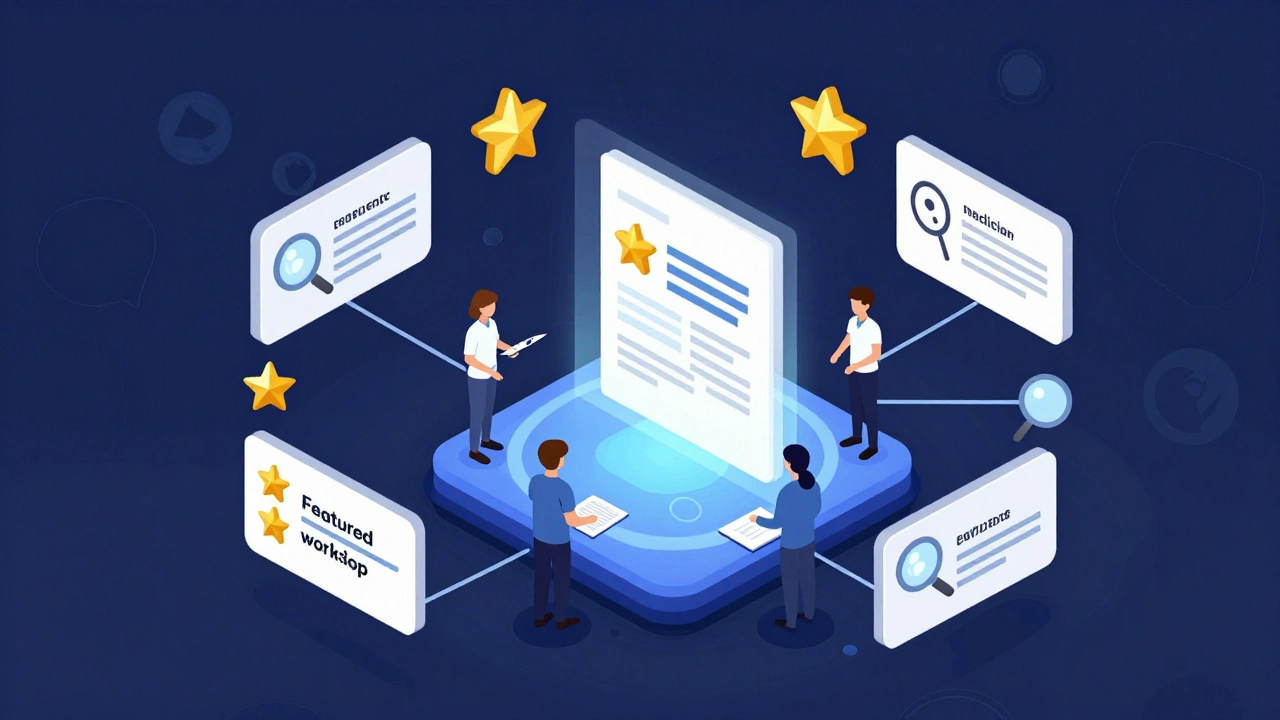
You might be wondering why a reader should care about the internal plumbing of Wikipedia. The truth is, you benefit from WikiProjects every time you search for something. When you find a "Featured Article"-one with a small gold star in the top right corner-you are seeing the peak of WikiProject collaboration. That star means the article has been vetted by experts, cross-referenced for accuracy, and polished for readability.
Without this structure, Wikipedia would likely devolve into a collection of random blogs. The projects provide a bridge between the chaos of open editing and the rigor of a traditional encyclopedia. They ensure that the information on Wikipedia isn't just "someone's opinion," but a consensus based on the best available sources.
Common Pitfalls and "Edit Wars"
It's not all harmonious collaboration. Because these projects are run by passionate people, they can sometimes fall into "silos." This happens when a group becomes so focused on their own specific rules that they forget the bigger picture of the site. For example, a project on a specific niche of military history might create such complex formatting rules that a new editor feels intimidated and quits.
Then there are the edit wars. These occur when two editors have fundamentally different views on a topic. A WikiProject helps resolve this by moving the fight from the article page to the talk page. Instead of just deleting each other's work in a loop, they are encouraged to bring in third-party sources. The rule is simple: the person with the best source wins. This shifts the conflict from a battle of wills to a battle of evidence.

How to Get Involved in a Project
If you're a new editor, jumping straight into a massive page can be scary. The best way to start is by finding a project that matches your hobbies. If you love baking, find the WikiProject on Food. If you're a movie buff, look for the Cinema project. These groups usually have "Newcomer" guides and a list of easy tasks to help you get your feet wet.
Start by looking for articles tagged as "stubs." Adding a few well-cited sentences to a tiny article is the fastest way to provide value. Once you've done that a few times, you can start participating in the talk page discussions. Don't be afraid to ask questions; most project members are eager to help anyone who is genuinely trying to improve the quality of the site.
Are WikiProjects official parts of the Wikimedia Foundation?
No, they are not. The Wikimedia Foundation manages the servers and the legal side of things, but the content and organization are entirely handled by the community. WikiProjects are volunteer-led initiatives, not corporate departments.
Can anyone start a new WikiProject?
Yes, technically anyone can. However, a project only becomes successful if other editors join in. Most people start by suggesting a project on an existing talk page to see if there is enough interest before creating a dedicated project space.
What is the difference between a Category and a WikiProject?
A Category is a way to group articles for the reader (e.g., a list of all "Electric Cars"). A WikiProject is a way to group editors for the purpose of improving those articles. One is a filing system; the other is a working group.
Do I need to be an expert to join a WikiProject?
Not at all. While subject experts are valued, projects always need people who are good at formatting, fixing grammar, or finding reliable sources. Your ability to follow a style guide is often just as valuable as deep academic knowledge.
How do WikiProjects handle disagreements?
They use a consensus-based model. If editors can't agree, they bring in more sources or ask for a vote from the wider community. The goal is always to reach a neutral point of view based on verifiable facts rather than a personal majority vote.
Next Steps for Aspiring Editors
If you're ready to move beyond basic edits, try these three things. First, search for a topic you love and see if it has a project page; if it does, read their "Guidelines" section to see how they prefer articles to be written. Second, find an article with a "cleanup" tag and see if you can resolve the issues using the project's standards. Finally, introduce yourself on a project talk page. The community is generally welcoming to those who show they've done their homework and are eager to contribute to the collective knowledge of the world.