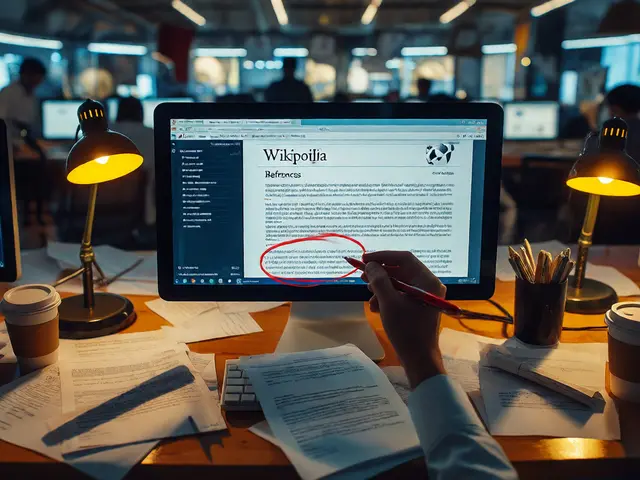
Imagine spending years building a reputation as a trusted editor on Wikipedia, the world's largest free encyclopedia. You know the rules. You cite your sources. Then, one day, you try to save an article about a political figure or a local museum, and the system blocks you. Not for vandalism. Not for spam. But because you are banned from that specific topic forever. This is not a glitch; it is a deliberate enforcement mechanism known as a topic ban or sanction.
For most readers, Wikipedia feels like a static repository of facts. For editors, it is a volatile battlefield of consensus, ego, and policy. When disputes over content become unresolvable through normal discussion, the community turns to formal sanctions. These measures restrict who can edit what, effectively removing individual agency in favor of group stability. Understanding how these bans work reveals the hidden machinery of online governance.
The Escalation Ladder: From Warning to Ban
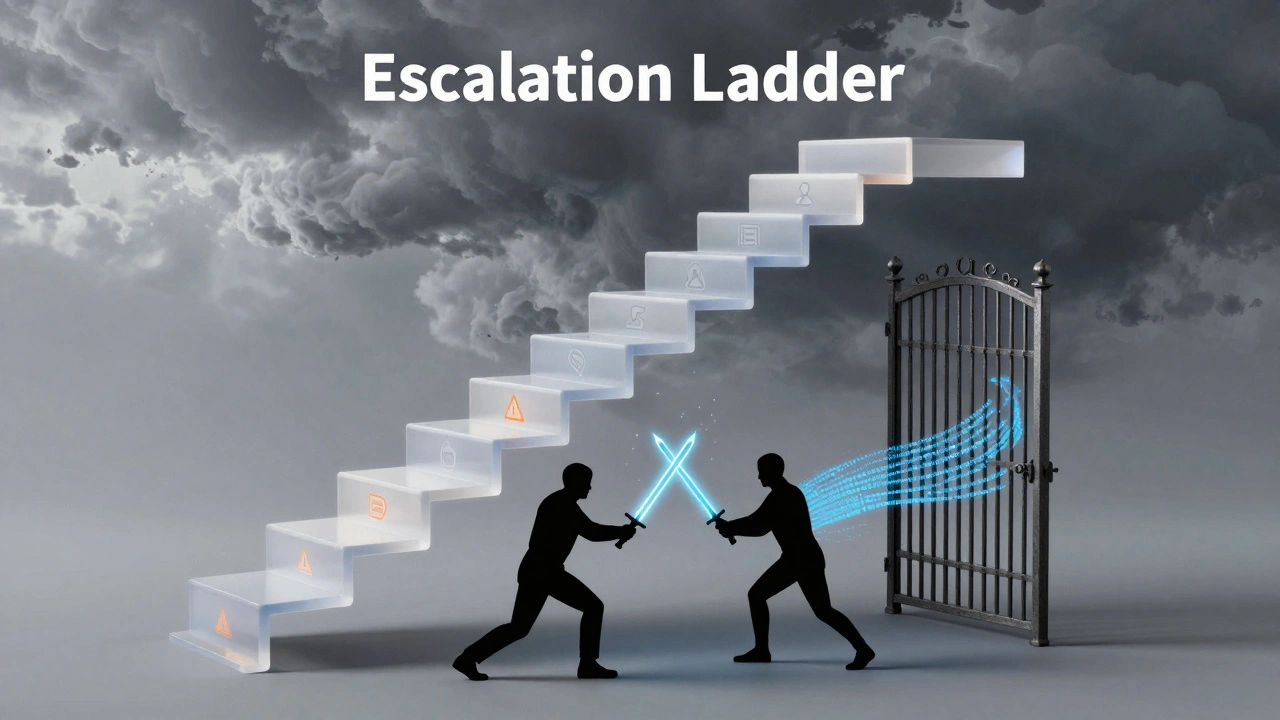
Sanctions do not appear out of nowhere. They are the final step in a long, often painful process of conflict resolution. The culture of Wikipedia governance relies heavily on informal norms first. If an editor repeatedly ignores advice or engages in edit warring-reverting changes back and forth without discussing them-they receive warnings. These range from mild suggestions to formal "blocks" that prevent all editing for a set period.
If the behavior continues, the issue moves to formal dispute resolution. This might involve mediation by experienced volunteers or a request for comment (RFC) where the broader community weighs in. However, when two sides dig in their heels and refuse to compromise, the community faces a choice: let the article degrade into a war zone, or remove the combatants from the field. The latter option leads to sanctions.
- Informal warnings: Messages on user talk pages advising better conduct.
- Temporary blocks: Account-wide restrictions ranging from hours to months.
- Mediation: Voluntary processes to resolve underlying disagreements.
- Topic bans: Prohibition from editing specific articles or categories.
- Account-wide bans: Complete removal from the project due to severe misconduct.
This ladder ensures that sanctions are reserved for cases where normal collaboration has completely broken down. It protects the encyclopedia’s integrity while giving editors multiple chances to correct course before facing permanent restrictions.
What Exactly Is a Topic Ban?
A topic ban is a restriction that prevents an editor from contributing to specific subjects. Unlike a global block, which stops someone from editing anywhere, a topic ban allows continued participation in unrelated areas. For example, an editor passionate about music history might be banned from editing articles about contemporary pop stars if they consistently push unsourced promotional content in that niche.
These bans can take several forms. A "hard ban" means the editor cannot touch the page at all-not even to fix typos. A "soft ban" might allow minor edits but prohibit substantial changes or additions. Some bans extend beyond single articles to entire categories, such as "all biographies of living politicians" or "all articles related to a specific video game franchise."
The scope depends on the nature of the conflict. If the problem stems from a single contentious article, the ban targets that page. If the editor demonstrates a pattern of bias across multiple related topics, the restriction widens accordingly. The goal is always containment: isolating the disruptive behavior while preserving the editor’s ability to contribute elsewhere.
| Sanction Type | Scope | Duration | Typical Trigger |
|---|---|---|---|
| Warning | Advisory only | N/A | Minor policy violations |
| Block | Account-wide | Hours to indefinite | Vandalism, harassment, edit warring |
| Topic Ban | Specific articles/categories | Often indefinite | Unresolvable content disputes |
| Account Ban | Project-wide | Indefinite | Severe abuse, sockpuppetry |
Who Decides? The Role of Arbitration
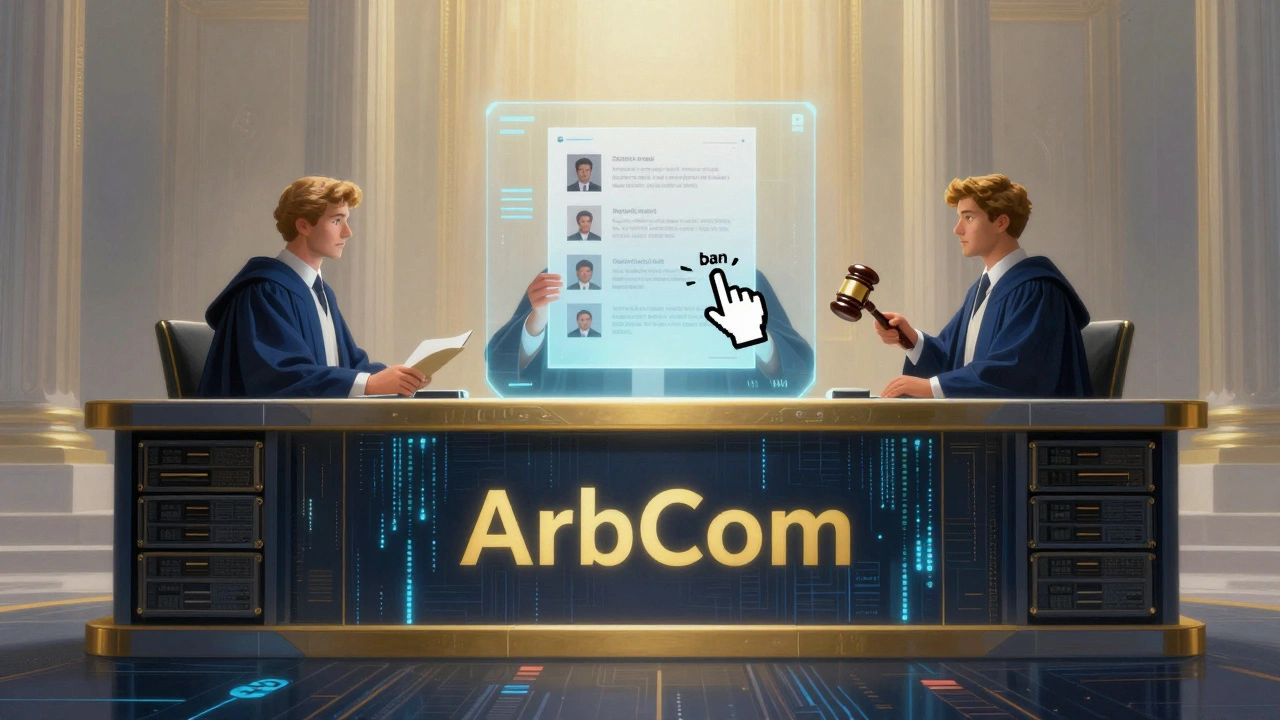
Deciding on sanctions is not left to random administrators. In complex cases, especially those involving high-profile topics or entrenched communities, the decision goes to the Arbitration Committee (ArbCom). This elected body serves as Wikipedia’s highest court. Members volunteer their time to review evidence, hear arguments from both sides, and issue binding rulings.
ArbCom does not judge whether an editor’s viewpoint is correct. Instead, it evaluates whether the editor follows established policies like Neutral Point of View (NPOV) and Verifiability. If an editor consistently fails to adhere to these standards despite repeated feedback, ArbCom may impose sanctions. Their decisions are final within the English-language Wikipedia ecosystem, though appeals are possible under strict conditions.
Administrators also play a crucial role. These trusted users have technical tools to enforce blocks and bans. While they cannot initiate major sanctions independently, they execute the decisions made by ArbCom or community consensus. This separation of powers prevents any single individual from wielding unchecked authority over content.
Why Bans Are Necessary for Encyclopedia Integrity
Critics sometimes argue that banning editors stifles free speech or creates an elitist club. However, Wikipedia operates under a different mandate: producing reliable, neutral information. Without sanctions, the platform would succumb to mob rule or partisan dominance. Consider controversial topics like elections, religious controversies, or historical wars. These attract highly motivated editors with strong opinions.
When consensus cannot be reached, the alternative to banning is chaos. Articles become unreadable messes of conflicting claims, each backed by cherry-picked sources. Readers lose trust. Contributors burn out. Sanctions act as circuit breakers, stopping destructive cycles before they damage the entire project. They force problematic behaviors underground or redirect energy toward constructive contributions in safer areas.
Moreover, bans protect vulnerable groups. Harassment campaigns often target specific demographics or viewpoints. By sanctioning aggressors, the community signals zero tolerance for abuse. This fosters a more inclusive environment where diverse voices feel safe participating. Ultimately, sanctions serve the mission, not the individuals involved.
Life After a Ban: Appeals and Adaptation
Receiving a ban is rarely the end of the story. Many editors accept their punishment gracefully, focusing on other interests. Others challenge the decision. The appeal process requires demonstrating significant change in behavior or providing new evidence that undermines the original ruling. Success rates vary, but genuine reform can lead to lifted restrictions.
Some banned editors find creative ways to remain involved. They might write drafts in their sandbox, collaborate with others via email, or shift focus to Wikimedia Commons, the repository for media files. Others leave entirely, taking their expertise elsewhere. Each outcome reflects personal choices shaped by the ban’s impact.
For the community, managing post-ban dynamics is ongoing. Administrators monitor compliance, ensuring banned editors respect boundaries. Disputes arise when interpretations differ-for instance, whether a minor typo correction violates a hard ban. Clear communication and consistent enforcement help minimize friction.
Lessons for Online Communities Beyond Wikipedia
Wikipedia’s approach to sanctions offers valuable insights for other digital platforms. Social networks struggle with moderation at scale, often resorting to automated filters that miss nuance. Wikipedia combines human judgment with structured processes, balancing flexibility with accountability. Its reliance on peer review and transparent documentation sets a benchmark for self-governing communities.
Key takeaways include:
- Graduated responses: Start small, escalate only when necessary.
- Clear criteria: Base decisions on observable actions, not beliefs.
- Independent adjudication: Remove direct stakeholders from judging their peers.
- Transparency: Publish reasoning so others learn from past cases.
As online interactions grow more complex, adopting similar frameworks could reduce toxicity and improve cooperation. Whether in forums, open-source projects, or virtual worlds, effective governance requires tough choices. Banning someone is never ideal, but sometimes it is the only way to preserve the space for everyone else.
Conclusion: Balancing Freedom and Order
Sanctions and topic bans represent the dark side of Wikipedia’s success. They highlight the tensions inherent in large-scale collaboration: freedom versus order, diversity versus consistency, passion versus professionalism. Yet they also demonstrate resilience. By establishing mechanisms to handle conflict, the community sustains itself against internal pressures.
For editors, understanding these rules is essential. Ignorance excuses no one. For readers, recognizing the effort behind every article adds depth to appreciation. Every line of text survives scrutiny, debate, and occasional censorship. That survival speaks volumes about the collective commitment to knowledge. In the end, sanctions aren’t just about punishing bad actors-they’re about protecting the commons we all share.
Can I appeal a topic ban on Wikipedia?
Yes, you can appeal a topic ban by submitting a request to the Arbitration Committee or relevant administrators. Your appeal must show clear evidence of changed behavior or provide new information that contradicts the basis of the ban. Simple disagreement with the decision is insufficient; you need to demonstrate why the restriction is no longer warranted.
How long do topic bans last?
Most topic bans are indefinite unless specified otherwise. Temporary bans exist but are rare for serious issues. Even if a ban is temporary, lifting it usually requires active engagement with the community and proof of improved conduct. Indefinite bans remain until successfully appealed or voluntarily relinquished.
What happens if I violate a topic ban?
Violating a topic ban typically results in immediate account-wide blocking. Repeated violations may lead to permanent exclusion from the project. Administrators enforce these penalties strictly to maintain credibility. Ignoring a ban signals disregard for community norms, making future reinstatement unlikely.
Are topic bans public record?
Yes, topic bans are documented publicly on Wikipedia’s arbitration pages or administrator logs. Transparency is key to maintaining trust. Anyone can view the reasons behind a ban, including supporting discussions and votes. This openness allows the community to hold enforcers accountable and learn from precedents.
Do topic bans apply to sockpuppet accounts?
Absolutely. Creating alternate accounts to bypass a topic ban constitutes a severe violation known as circumvention. Such actions result in swift blocks for all associated accounts and potential global bans. Detection tools and vigilant editors make hiding difficult, so attempting evasion carries high risks with little reward.