Wikipedia isn’t just a website. It’s the largest collection of human knowledge ever built by volunteers - over 60 million articles in more than 300 languages. But every year, governments, corporations, and powerful individuals try to erase parts of it. Not because the content is false, but because it’s inconvenient. And every time that happens, the Wikimedia Foundation fights back - not with lobbyists, but with lawyers.
Why Wikipedia Gets Targeted
Wikipedia doesn’t take sides. It doesn’t have an editorial board that decides what’s politically correct. It has rules: verifiable sources, neutral tone, no original research. That’s why it’s trusted. But that same neutrality makes it a target.
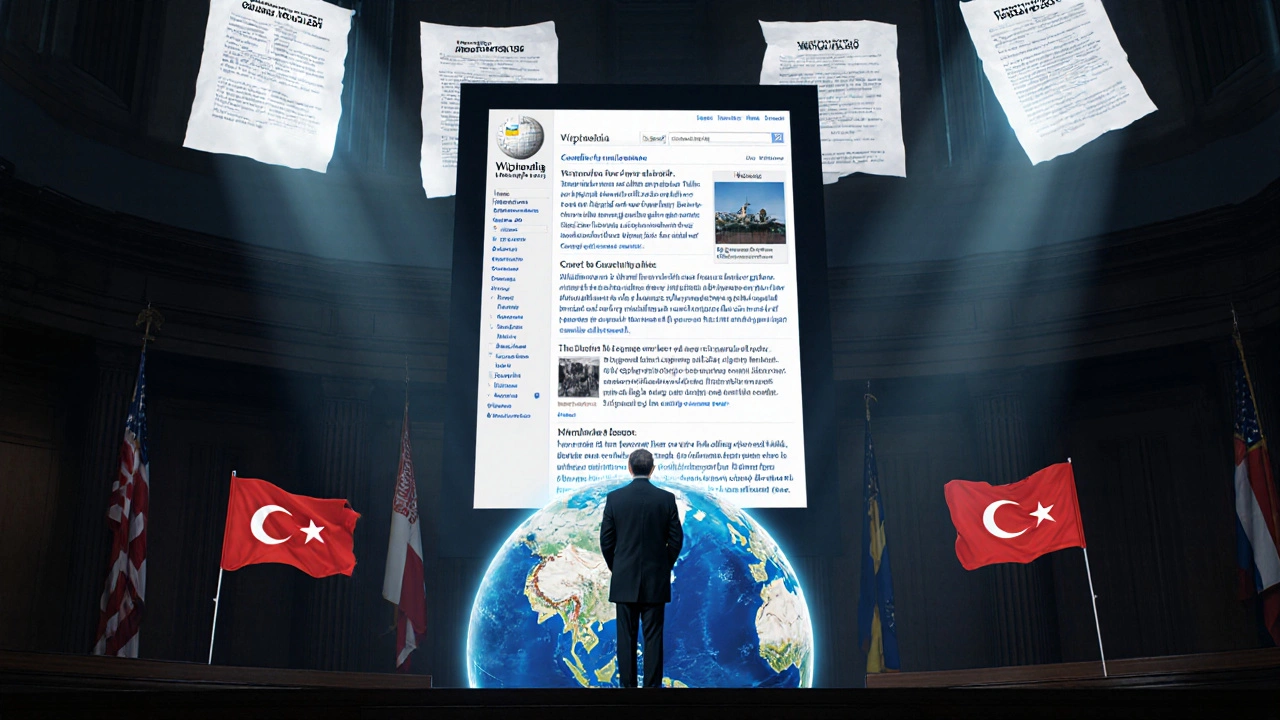
In 2023, Turkey blocked Wikipedia for over two years because an article about a political figure was deemed "insulting." In Russia, articles on the war in Ukraine were removed under pressure. In India, court orders forced Wikipedia to take down entries about local politicians accused of corruption - even when those claims were backed by official reports. These aren’t isolated cases. They’re part of a global pattern: if you can’t control the narrative, delete the source.
Wikipedia doesn’t publish opinion. It publishes facts - and facts often hurt the powerful. That’s why it’s under constant legal threat.
The Legal Framework: How Wikipedia Stays Online
Wikipedia survives because of legal protections that most websites don’t have. In the U.S., Section 230 of the Communications Decency Act shields platforms from liability for user-generated content. In the EU, the Digital Services Act gives Wikipedia special status as a "very large online platform," requiring transparency but not content censorship.
But those protections aren’t automatic. They have to be defended. When a government issues a takedown order, the Wikimedia Foundation doesn’t comply blindly. They review each request. If the request violates free expression principles, they challenge it.
In 2022, Egypt demanded the removal of an article on a jailed activist. The Foundation responded with a public transparency report, published the legal notice, and kept the article live. The article stayed up. The government didn’t escalate. That’s how you win: by making the censorship visible.
How the Wikimedia Foundation Fights Back
The Foundation doesn’t have a huge legal team. But it’s smart about who it hires. They work with human rights lawyers, digital rights NGOs, and pro bono attorneys from firms like Mozilla and Electronic Frontier Foundation. When a takedown order comes in, they follow a clear process:
- Verify the legal basis - is it a court order, or just a demand?
- Check if the request meets Wikipedia’s content policies - is the article accurate and sourced?
- Assess the risk - will compliance set a dangerous precedent?
- Respond publicly - transparency is their strongest tool.
They’ve filed amicus briefs in U.S. courts defending free speech online. They’ve supported lawsuits in Brazil against internet shutdowns. In 2024, they joined a coalition that successfully overturned a court order in Argentina that tried to remove an article about a pharmaceutical company’s misconduct.
They don’t just defend Wikipedia. They defend the principle that knowledge shouldn’t be controlled by those in power.
Real Cases: What Got Removed - and What Didn’t
Here’s what happened in three recent battles:
- Germany, 2023: A far-right group sued to remove a Wikipedia article about their leader, claiming defamation. The court ruled in favor of Wikipedia - the article was factual, cited news reports, and included counterpoints. The article stayed.
- China, 2024: Chinese authorities demanded removal of all articles related to Tibet’s political status. The Foundation refused. The articles remain accessible outside China. The Chinese government now blocks the entire site.
- India, 2025: A high-profile politician filed a defamation suit over a section on his past financial dealings. The Foundation reviewed the sources - they were from official audit reports and major newspapers. They refused to remove the content. The case is ongoing, but the article remains live with a note: "This content is under legal review."
These aren’t random wins. They’re the result of consistent strategy: document everything, cite everything, and never back down when the truth is on the line.
What Happens When Wikipedia Loses
When Wikipedia goes dark, people don’t just lose an article. They lose access to verified facts. In 2021, Iran blocked Wikipedia during nationwide protests. Citizens turned to encrypted messaging apps and underground forums. Rumors spread. False claims about deaths and arrests went unchallenged. No one could verify what was real.
Wikipedia isn’t just a reference site. It’s a public good - like clean water or public schools. When it’s censored, society loses its ability to agree on basic facts.
That’s why the Foundation doesn’t just defend articles. They defend the idea that truth can’t be owned.
How You Can Help
You don’t need to be a lawyer to protect Wikipedia. Here’s what actually works:
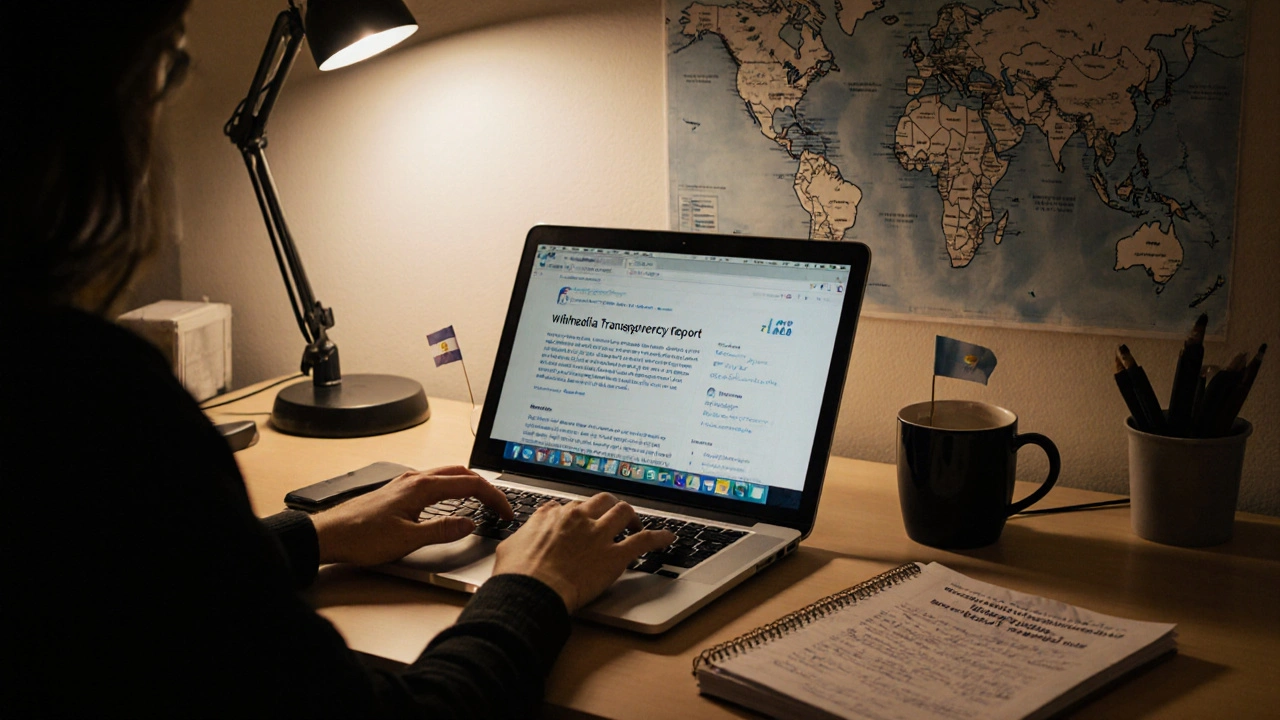
- Report censorship attempts to the Wikimedia Foundation’s Transparency Report - they track every request.
- Don’t delete or edit articles under pressure. If you see a takedown notice, share it publicly. Visibility deters abuse.
- Support organizations like Access Now, EFF, and Reporters Without Borders. They fight the same battles.
- Donate to the Wikimedia Foundation. Their legal defense fund is funded almost entirely by small donations.
Every edit you make, every donation you give, every tweet you post about censorship - it adds up. The Foundation doesn’t have armies. It has millions of people who believe knowledge belongs to everyone.
What’s Next
More countries are passing laws that force platforms to remove content on demand. The EU’s AI Act, Brazil’s Fake News Bill, and proposed laws in Turkey and Nigeria all threaten Wikipedia’s ability to operate freely.
The Foundation is preparing for a new wave of legal challenges. They’re building tools to automatically flag suspicious takedown requests. They’re training volunteers to respond to legal notices. And they’re working with universities to study how censorship affects public knowledge.
Wikipedia’s survival isn’t guaranteed. It depends on people who care - not just editors, but readers, donors, and citizens who refuse to let truth be erased.
If you’ve ever looked up how a law works, how a disease spreads, or who a politician really is - you’ve used Wikipedia. And if you value that, you’re already part of the defense.
Can governments legally force Wikipedia to remove content?
Yes, but only if they follow legal procedures - like court orders - and even then, the Wikimedia Foundation often challenges them. They don’t comply with vague demands or political pressure. If a request violates free speech principles, they fight it in court or publish it publicly to expose the attempt.
Why doesn’t Wikipedia just remove false information instead of fighting takedowns?
Wikipedia doesn’t remove content just because someone says it’s false. It removes content only if it violates its own policies: no reliable sources, no neutrality, or original research. Governments often claim articles are "false" when they’re actually well-sourced. That’s why the Foundation checks every claim against the evidence - not the complaints.
How often does Wikipedia get targeted for removal?
Over 1,500 legal requests were made in 2024 alone. About 30% were from governments. Most were rejected or partially complied with. The Foundation publishes all requests in its Transparency Report - every one, every month.
Does Wikipedia ever remove content voluntarily?
Only in rare cases - like when an article contains private personal data (like home addresses or medical records) that violates privacy policies. Even then, they notify the community and often replace the content with a summary. They never remove content just because it’s controversial or politically inconvenient.
What happens if Wikipedia shuts down in a country?
If a government blocks Wikipedia, the site becomes inaccessible within that country. But the content still exists on servers elsewhere. People can still access it using VPNs or mirror sites. The Foundation also works with local partners to distribute archived versions offline - like through USB drives in schools and libraries.