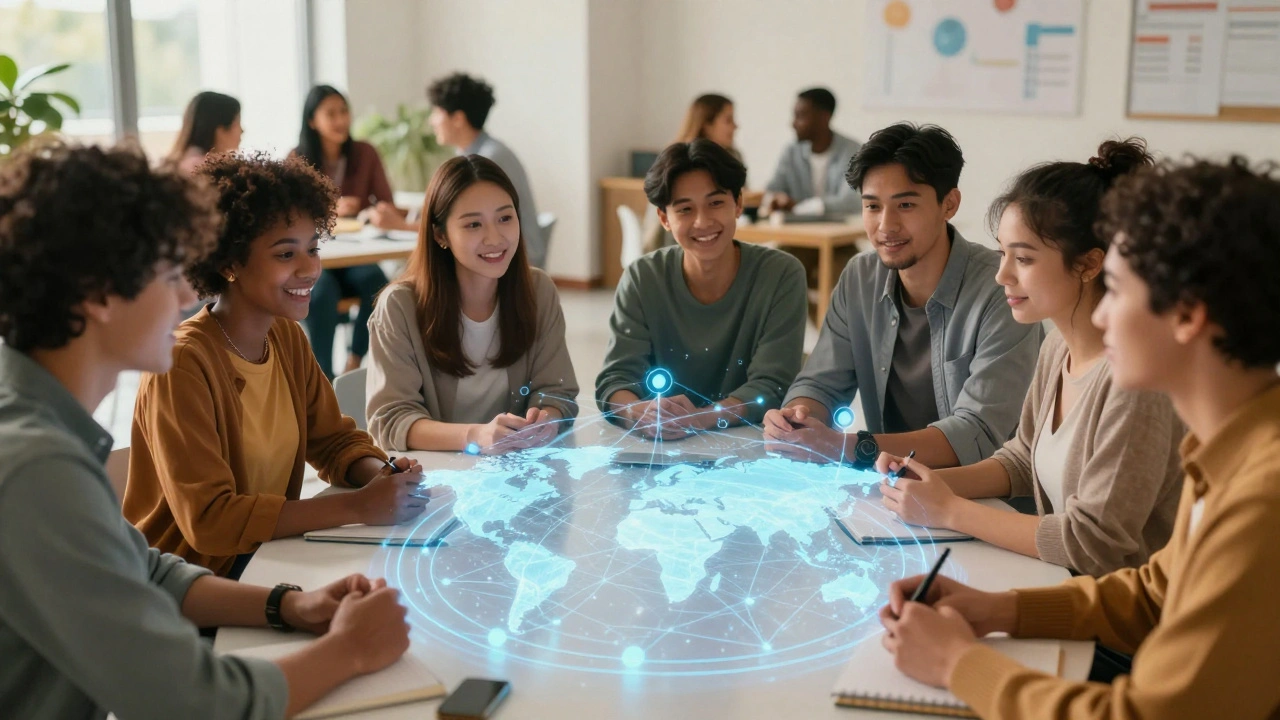
Have you ever wondered who actually keeps the lights on at Wikipedia? It isn’t a board of wealthy CEOs or a tech giant with endless resources. It is the Wikimedia Foundation, a non-profit organization that hosts Wikipedia and other free knowledge projects. The foundation relies on donations from millions of people worldwide. But money alone doesn’t keep the project running smoothly. The real challenge lies in keeping the community safe and inclusive.
In recent years, the pressure has mounted. Harassment, bias, and exclusion have threatened the very core of the mission: free knowledge for everyone. As we move through 2026, the Wikimedia Foundation has rolled out significant updates to its diversity and safety programs. These aren't just minor tweaks; they are structural changes designed to protect contributors and broaden the scope of what gets documented. If you use Wikipedia, donate to it, or edit it, these changes affect you directly.
The Shift from Passive Neutrality to Active Safety
For decades, the guiding principle was "neutral point of view." This meant staying out of fights and letting editors debate until a consensus emerged. While noble in theory, this approach often left vulnerable groups exposed to abuse. The new strategy shifts focus toward proactive protection. The foundation now recognizes that neutrality cannot exist without safety. You cannot have a neutral discussion if half the participants are being harassed into silence.
This shift involves better tools for detecting harassment before it escalates. In 2025, the foundation launched an updated version of their AI-assisted moderation tools. These systems flag patterns of coordinated attacks rather than just individual rude comments. This helps human reviewers prioritize serious cases. It reduces the burnout rate among volunteer administrators who used to spend hours reviewing petty insults.
The goal is simple: make editing feel safe enough that more people want to join. When users feel protected, they contribute more. More contributors mean more articles, more languages, and a richer repository of human knowledge. It creates a positive feedback loop where safety leads to diversity, which leads to better content.
Bridging the Gender and Geographic Gap
Despite its global reach, Wikipedia suffers from glaring gaps in coverage. Who writes the articles? Mostly men, mostly from North America and Europe. This demographic skew affects what topics get covered and how they are written. A study by the Open Knowledge Foundation, an international network advocating for open data and culture showed that less than 20% of biographical articles are about women. Even fewer cover figures from Africa, Latin America, and Southeast Asia.
To fix this, the Wikimedia Foundation has doubled down on outreach programs. They are funding local chapters to host edit-a-thons specifically targeting underrepresented groups. These events are not just about writing; they are about building confidence. Participants learn how to cite sources, handle disagreements, and navigate the complex rules of the platform.
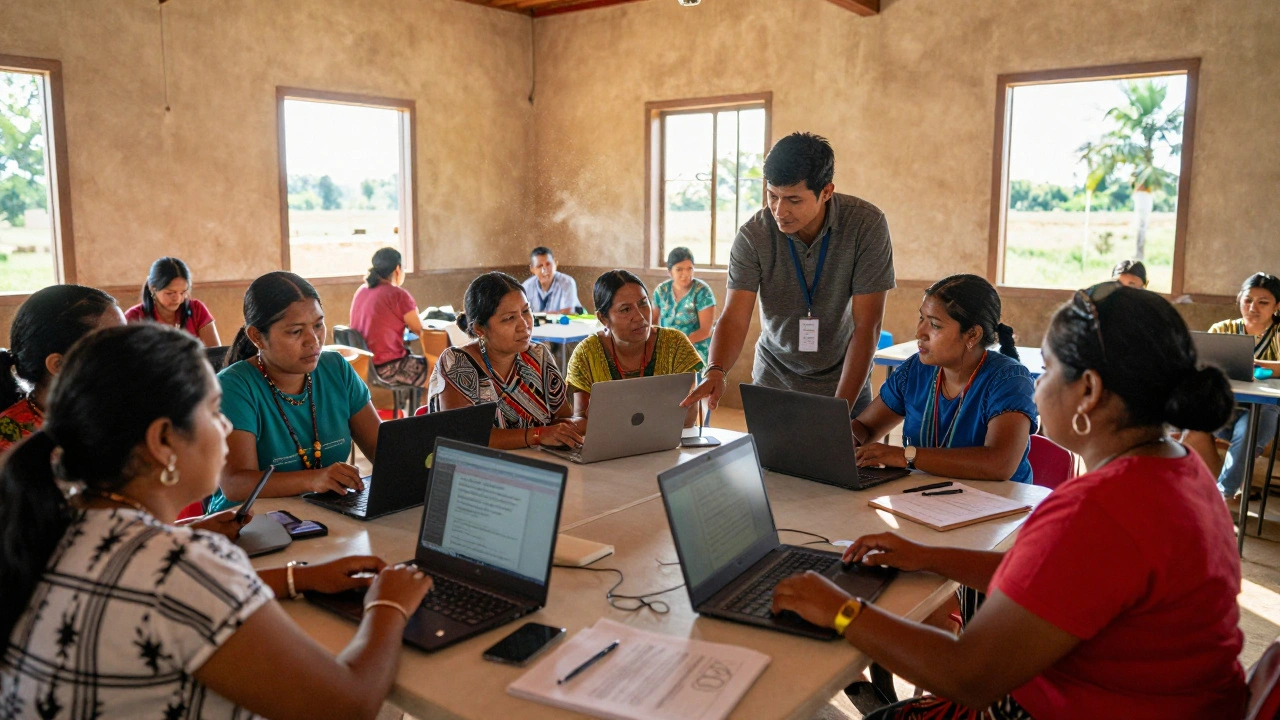
Consider the impact on local history. Before these targeted efforts, small towns in rural India or indigenous communities in the Amazon might have had zero presence on the encyclopedia. Now, with dedicated support and training, locals are documenting their own heritage. This decentralization of authority is crucial. It moves away from a model where experts in London or New York decide what matters, toward one where communities define their own significance.
New Tools for Community Moderation
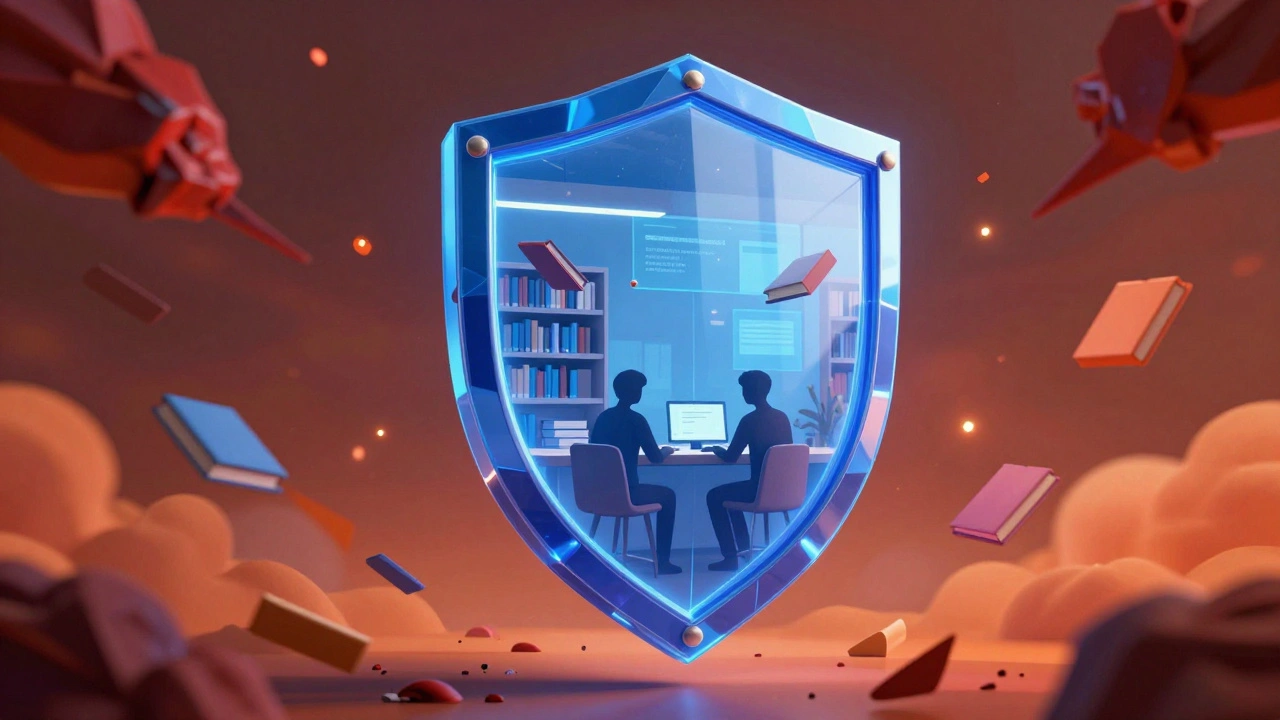
Safety isn't just about policy; it's about technology. The foundation has introduced several new features aimed at empowering regular users to maintain order. One key addition is the enhanced block interface. Previously, blocking a disruptive user required navigating multiple pages and filling out detailed forms. Now, it can be done in two clicks with pre-filled templates explaining the reason.
Another major update is the introduction of "soft blocks" for new users. Instead of banning someone immediately for a mistake, the system places them in a sandbox environment. Here, they can practice editing without affecting live articles. Mentors can then review their work and provide guidance. This approach treats newcomers as potential assets rather than potential threats. It reduces friction and encourages long-term participation.
These tools also help combat vandalism. With machine learning models trained on years of edit history, the system can identify suspicious patterns instantly. If a bot tries to spam political propaganda or hate speech, it gets flagged and quarantined within seconds. Human moderators only step in when the AI is unsure. This efficiency allows the small team of paid staff to focus on complex disputes and policy development.
Funding Transparency and Grant Updates
How does the foundation pay for all this? Through grants. The Wikimedia Foundation manages a substantial budget, much of which goes to smaller organizations and individuals working on specific projects. In 2026, there has been a push for greater transparency in how these funds are allocated. Donors want to know their money is making a difference, not just keeping servers running.
The new grant guidelines emphasize measurable outcomes related to diversity and safety. Applicants must demonstrate how their project will increase representation or improve user experience. For example, a group creating audio versions of articles for visually impaired users would score higher than one simply adding more text to existing topics. This prioritization ensures that limited resources go toward high-impact initiatives.
There is also a new micro-grant program for individual editors. Anyone can apply for up to $500 to attend a conference or buy equipment needed for documentation. This lowers the barrier to entry for passionate volunteers who lack financial backing. It acknowledges that expertise exists everywhere, not just in well-funded institutions.
| Feature | Previous Approach | Current 2026 Approach |
|---|---|---|
| Harassment Detection | Manual reporting by users | AI-assisted pattern recognition |
| New User Onboarding | Direct access to live articles | Sandbox environment with mentorship |
| Blocking Process | Complex multi-step form | Two-click interface with templates |
| Grant Priorities | Content volume metrics | Diversity and safety impact metrics |
Challenges in Global Implementation
Implementing these changes globally is no small feat. Laws vary wildly between countries. What constitutes harassment in Sweden might be considered free speech in another jurisdiction. The foundation has to balance universal principles with local legal realities. This requires constant dialogue with legal experts and local chapters.
Cultural sensitivity is another hurdle. An initiative designed to empower women in one region might inadvertently offend traditional values in another. The foundation addresses this by empowering local leaders to adapt global guidelines to fit their context. There is no one-size-fits-all solution. Flexibility is key to maintaining trust across diverse cultures.
Resource constraints also play a role. While the foundation has grown, it still operates on a shoestring budget compared to commercial platforms. Every dollar spent on safety tools is a dollar not spent on server upgrades. Finding the right balance requires tough decisions and clear prioritization. The leadership team must constantly evaluate trade-offs to ensure sustainable growth.
The Role of Artificial Intelligence in Editing
Artificial intelligence is changing how we create and consume information. At Wikipedia, AI is being used to assist editors, not replace them. Tools like Article Feedback V5, a system that collects reader ratings on article quality help identify areas needing improvement. AI can suggest sources, check for copyright violations, and even draft initial summaries based on reliable references.
However, reliance on AI brings risks. Algorithms can inherit biases present in training data. If an AI tool is trained primarily on English-language sources, it may overlook important perspectives from other languages. The foundation is actively working to diversify its training datasets. They are partnering with universities and libraries worldwide to gather multilingual content.
Transparency is crucial here. Readers should know when an article section was assisted by AI. The foundation plans to introduce subtle markers indicating AI involvement. This maintains trust while leveraging technological efficiency. It ensures that human judgment remains the final arbiter of truth.
Looking Ahead: The Future of Free Knowledge
The journey toward a truly inclusive and safe Wikipedia is ongoing. The updates in 2026 represent significant progress, but challenges remain. Harassment evolves, new technologies emerge, and societal norms shift. The foundation must remain agile and responsive to these changes.
Community engagement is vital. Policies imposed from the top down rarely succeed. Real change comes from grassroots movements. By supporting local chapters and individual editors, the foundation fosters a sense of ownership and responsibility. When people feel invested in the platform, they become its strongest defenders.
Ultimately, the success of these programs depends on participation. Whether you are a seasoned editor or a curious reader, your voice matters. Reporting abuse, suggesting improvements, and contributing content all help shape the future of free knowledge. Together, we can build a resource that truly reflects the diversity of our world.
How does the Wikimedia Foundation fund its diversity programs?
The foundation funds these programs through annual budgets derived from public donations, corporate sponsorships, and large grants from philanthropic organizations. Specific diversity initiatives are often supported by targeted grants from foundations focused on civil rights and education.
Can I report harassment on Wikipedia?
Yes, you can report harassment using the special "Report Abuse" link found on user talk pages. Additionally, the new AI tools automatically flag severe cases for immediate review by human administrators.
What is the "sandbox" for new users?
The sandbox is a safe testing environment where new editors can practice formatting and editing without affecting live articles. It allows mentors to guide beginners before they contribute to the main encyclopedia.
Does AI write Wikipedia articles?
AI assists in drafting and checking facts, but humans always review and approve final content. The foundation emphasizes that human oversight is essential to maintain accuracy and neutrality.
How can I participate in local edit-a-thons?
You can find upcoming events on the Wikimedia Event Calendar. Many local chapters also promote activities through social media and community newsletters. Participation is open to anyone interested in improving knowledge sharing.