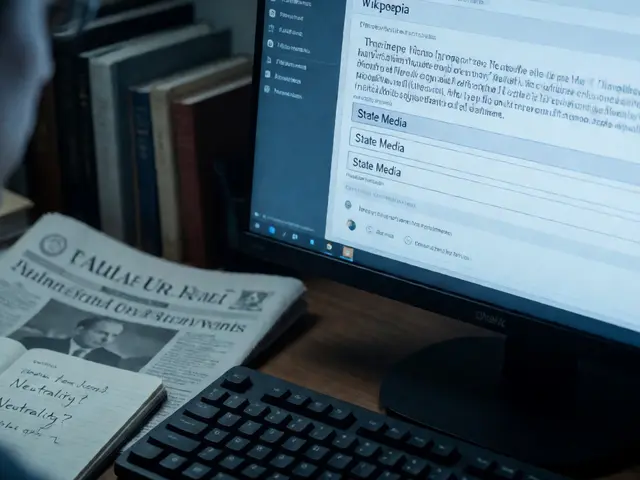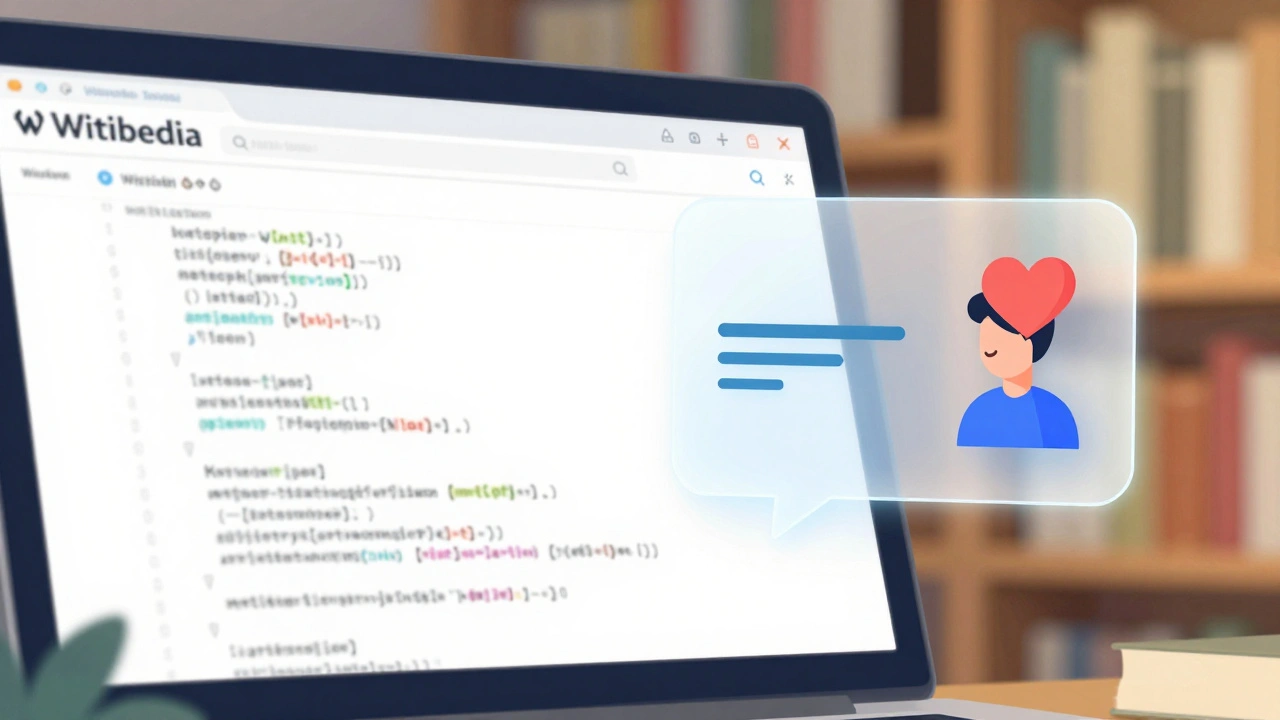
Have you ever clicked "Edit" on a Wikipedia page, only to feel completely lost? You stare at the wikitext, unsure of where to put your citation or how to keep things neutral. Then, a helpful comment appears in your talk box. A veteran editor explains the rules gently and shows you exactly what to fix. That moment is the heartbeat of WikiProject Mentor Relationships, which are structured support systems within Wikipedia that pair experienced editors with newcomers to facilitate knowledge transfer and community integration.
These relationships are not just about being nice. They are the engine behind the encyclopedia's survival. Without them, new contributors bounce off after their first edit gets reverted. With them, casual browsers become long-term stewards of free knowledge. This article breaks down how these mentorships work, why they matter for the health of online communities, and how you can start one today.
The Mechanics of WikiProject Mentoring
Wikipedia is massive. It has millions of articles covering everything from quantum physics to local history. To manage this chaos, volunteers organize into WikiProjects, which are collaborative groups of editors who focus on specific topics, such as medicine, history, or biographies. Each WikiProject acts like a specialized department within a larger company. They set quality standards, tag articles for improvement, and coordinate efforts during editing drives.
Mentoring happens inside these projects because the subject matter matters. A general editor might know how to cite sources, but a member of WikiProject Medicine knows the strict guidelines for medical claims. When a newbie joins a WikiProject, they aren't just learning how to use the software; they are learning the culture and standards of that specific field.
The process usually starts with a simple invitation. An experienced editor notices a new user making good-faith edits. Instead of leaving a cold reversion notice, they send a friendly message: "Welcome! I see you're interested in [Topic]. Have you joined our WikiProject? We'd love your help." From there, the relationship deepens through shared tasks.
- Initial Contact: A warm welcome on the user's talk page.
- Project Joining: The mentee adds their username to the WikiProject's membership list.
- Task Assignment: The mentor suggests a low-risk task, like fixing broken links or adding categories.
- Feedback Loop: Regular, constructive comments on the mentee's contributions.
Why Knowledge Transfer Is Critical
You might think Wikipedia runs itself. After all, anyone can edit. But the reality is harsher. Data from Wikimedia Foundation reports consistently shows that a large percentage of new editors leave after their first few days. Why? Because they feel attacked or confused. Reversions without explanation look like censorship. Complex formatting rules look like gatekeeping.
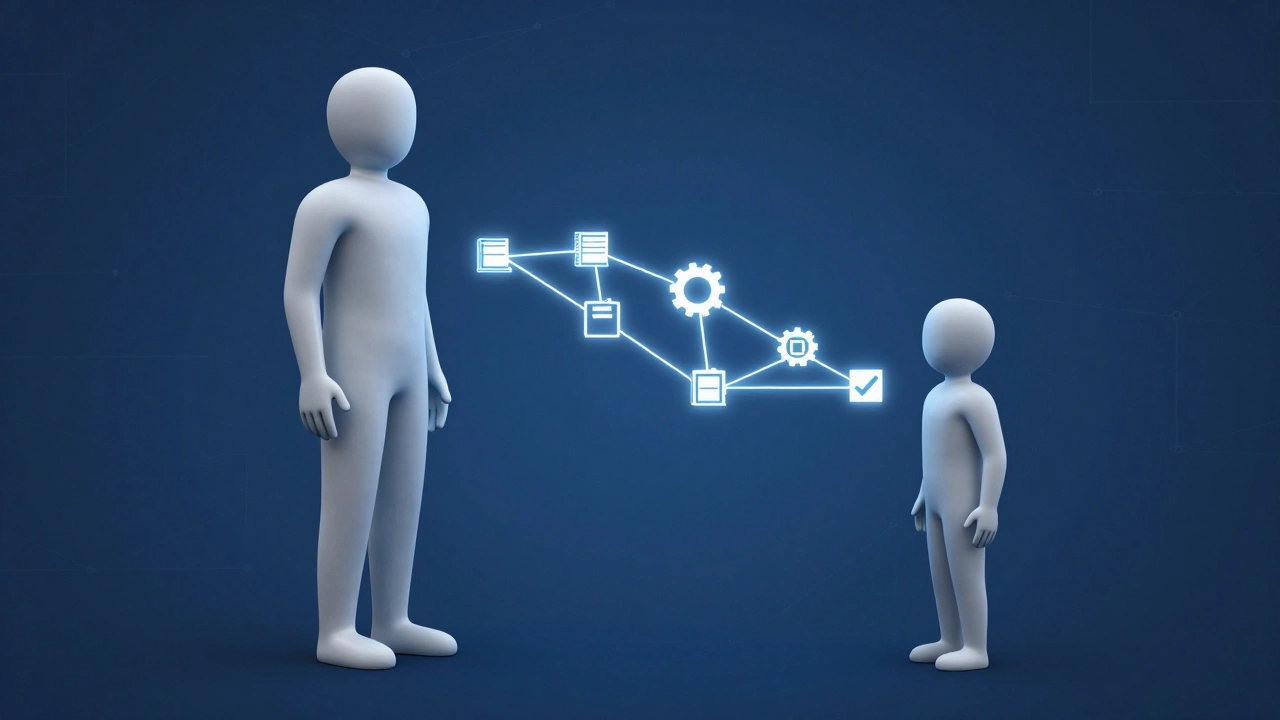
This is where Knowledge Transfer, defined as the systematic sharing of skills, norms, and technical know-how from experienced members to novices, becomes vital. It bridges the gap between policy manuals (which are often dry and legalistic) and actual practice (which is fluid and social).
Consider the concept of "Neutral Point of View" (NPOV). The rule says "present all views fairly." But what does that look like in a controversial political article? A manual won't tell you. A mentor will. They might say, "Try moving that sentence to the second paragraph and add a source that supports the opposing view." This tacit knowledge-the unwritten rules of thumb-is transferred through direct interaction.
Without this transfer, the community suffers from brain drain. Veterans burn out trying to police every edit. Newcomers quit feeling unwelcome. The encyclopedia stagnates. With effective mentoring, the burden is shared. New editors take on routine maintenance tasks, freeing up veterans to tackle complex disputes and high-quality writing.
Building Trust in Anonymous Spaces
One of the biggest hurdles in online collaboration is trust. On Wikipedia, everyone is anonymous. You don't know if your mentor is a student, a professor, or a bot. Yet, successful WikiProject relationships thrive on personal connection despite this anonymity.
Trust is built through consistency and transparency. A good mentor doesn't just give orders; they explain the "why." When they ask a mentee to remove a paragraph, they link to the relevant policy and explain how it applies. This teaches the mentee to fish, rather than just giving them a fish. Over time, the mentee internalizes these values. They start self-correcting before even hitting "Publish."
This dynamic creates a sense of belonging. Humans are social creatures. Even in digital spaces, we crave recognition. When a mentor thanks a newcomer for a well-sourced addition, it validates their effort. This positive reinforcement encourages them to stay. Studies in online community management show that personalized feedback increases retention rates significantly more than generic welcome messages.
| Style | Approach | Best For | Risks |
|---|---|---|---|
| Direct Instruction | Mentor corrects errors immediately with detailed explanations. | Technical tasks like citation formatting. | Can overwhelm beginners; may stifle creativity. |
| Scaffolding | Mentor provides templates and guides, letting mentee fill in gaps. | New article creation and structuring. | Requires upfront effort from mentor to create resources. |
| Peer Coaching | Mentor and mentee work side-by-side on the same article. | Complex topic research and dispute resolution. | Time-intensive; requires high availability. |
Challenges in Maintaining Relationships
It’s not all smooth sailing. WikiProject mentoring faces unique challenges. First, there is the issue of time. Volunteers donate their spare hours. If a mentor gets busy with real life, the relationship can stall. A mentee left hanging for weeks might assume they did something wrong and quit.
Second, there is the risk of echo chambers. If a WikiProject becomes too insular, mentors might teach biases rather than neutrality. For example, a group focused on a specific region might unconsciously prioritize local sources over global ones. Good mentors must actively check their own blind spots and encourage diverse perspectives.
Third, conflict resolution is tricky. What happens when a mentee disagrees with a mentor? In healthy relationships, this is an opportunity for growth. The mentee learns to argue based on evidence and policy, not emotion. However, if power dynamics are abused, it can lead to harassment. Clear boundaries and adherence to the site-wide "Assume Good Faith" policy are essential safeguards.

How to Start Your Own Mentorship Journey
Whether you want to be a mentor or a mentee, the steps are straightforward. You don't need special permissions. You just need willingness.
If you are new:
- Find a topic you care about. Passion fuels persistence.
- Join the corresponding WikiProject. Look for the banner at the top of articles.
- Introduce yourself on the project's talk page. Mention what you hope to learn.
- Be patient. Ask questions. Accept feedback gracefully.
If you are experienced:
- Identify recurring issues in your area of interest. Are new users struggling with citations?
- Create a "Help Wanted" list on the WikiProject page.
- Reach out personally to active newcomers. Use their name. Be specific about what you liked in their edit.
- Set realistic expectations. You can't teach everything in one conversation.
Remember, the goal isn't to create clones of yourself. It's to cultivate independent thinkers who can uphold the encyclopedia's standards while bringing fresh energy and diverse viewpoints. Every great editor was once a beginner who needed someone to say, "You've got this."
The Future of Community Knowledge Sharing
As Wikipedia evolves, so do its mentoring practices. Tools like the "Teahouse" offer automated assistance, but human connection remains irreplaceable. AI can suggest grammar fixes, but it cannot explain the nuance of a cultural controversy. The future lies in hybrid models where technology handles the mundane, allowing humans to focus on high-value interactions.
WikiProject Mentor Relationships represent more than just training. They are the social fabric that holds the world's largest collaborative project together. By investing in these connections, we ensure that knowledge remains free, accurate, and accessible for generations to come. So, the next time you see a new user editing, consider leaving a kind word. You might just be starting a lifelong contributor.
What is a WikiProject on Wikipedia?
A WikiProject is a group of volunteer editors who collaborate to improve articles within a specific subject area, such as history, science, or geography. They establish guidelines, track progress, and provide support to other editors working on related topics.
How do I find a mentor on Wikipedia?
You can find a mentor by joining a WikiProject related to your interests. Once joined, introduce yourself on the project's discussion page or visit the "Teahouse," a dedicated space for asking questions. Experienced editors often monitor these areas and are happy to guide newcomers.
Is Wikipedia mentoring formal or informal?
Mentoring on Wikipedia is primarily informal. There is no official certification or rigid curriculum. Relationships develop organically through interactions on talk pages, chat rooms, and collaborative editing sessions. However, some structured programs exist under the umbrella of the Wikimedia Foundation.
Why is knowledge transfer important for Wikipedia?
Knowledge transfer ensures that new editors understand community norms, policies, and technical skills. This reduces friction, improves article quality, and helps retain new contributors who might otherwise leave due to confusion or negative experiences.
Can I be a mentor if I am not an expert?
Yes. You don't need to be a subject-matter expert to mentor. Basic knowledge of Wikipedia's editing tools, citation formats, and core policies is sufficient. Many mentors specialize in teaching navigation and etiquette rather than specific content areas.