The Signpost isn’t just another news site. It’s the only independent newspaper covering the inner workings of Wikipedia and the wider Wikimedia movement. If you care about how knowledge gets made, edited, and sometimes fought over online, you need to know where to find it.
Most people think Wikipedia is a quiet library. It’s not. Behind the scenes, there are heated debates, policy changes, bot wars, vandalism sprees, and volunteer burnout. The Signpost reports on all of it - without fluff, without ads, and without corporate backing. And if you want to stay updated, you can’t rely on its website alone. You need to follow it where the conversation is happening.
Twitter (X): The Real-Time Pulse
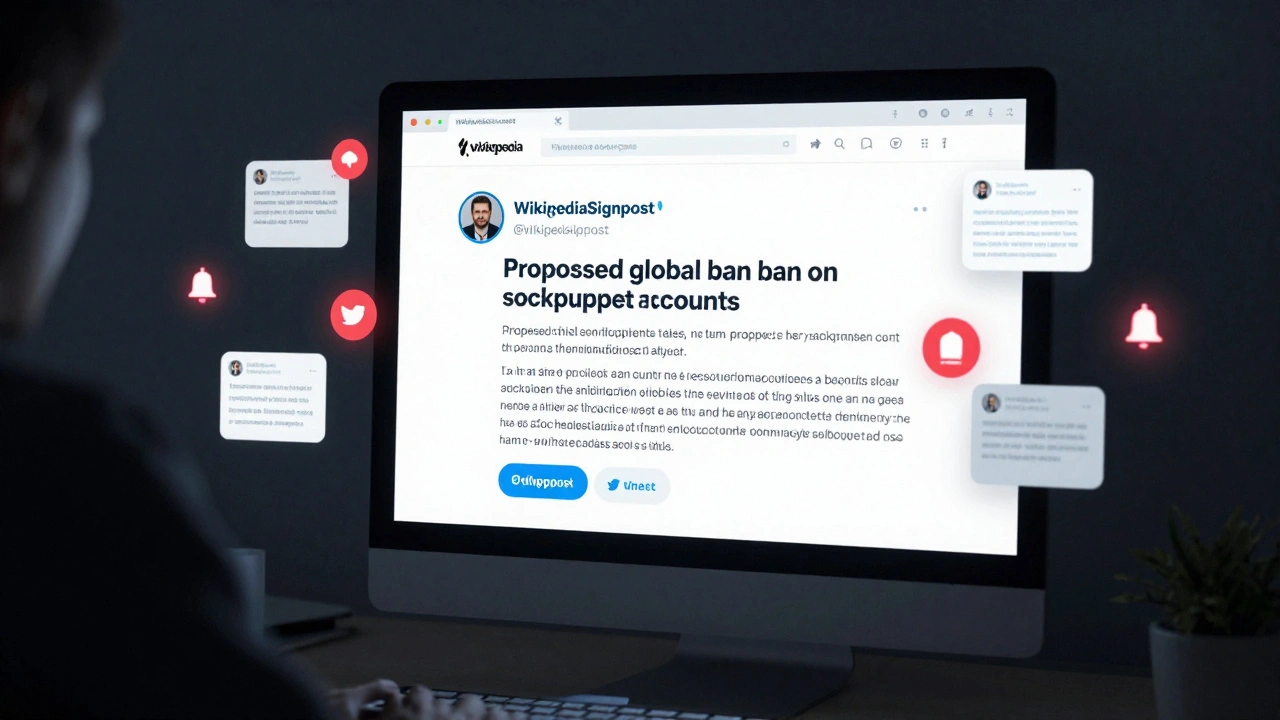
If you want to know what’s breaking in the Wikimedia world right now, follow The Signpost on Twitter (X). That’s where they drop headlines as they happen. A major edit war? A new administrator ban? A controversial policy vote? It shows up here first - often within minutes of being published.
Their handle is @WikipediaSignpost. They don’t post every article, but they highlight the most urgent ones. You’ll also see direct replies from editors, admins, and even Wikimedia Foundation staff engaging in real time. It’s the closest thing to eavesdropping on a meeting of the Wikimedia Board.
Don’t just follow them - turn on notifications. The Signpost doesn’t tweet often, but when they do, it’s usually something important. In 2024, a single tweet about a proposed global ban on sockpuppet accounts triggered a 72-hour community debate that ended in a policy rewrite.
Facebook: For the Quiet Readers
Not everyone lives on Twitter. Some people prefer Facebook. That’s where The Signpost also posts links to each weekly issue. The audience here is older, more likely to be long-time Wikipedia editors who don’t use other platforms.
The Facebook page isn’t as active as Twitter, but it’s where you’ll find thoughtful comments from editors in Europe, Asia, and Latin America. You’ll see people sharing stories from their own language Wikipedias - like how the Arabic Wikipedia handled a major copyright dispute, or how the Japanese community dealt with edit throttling.
If you’re not on Twitter, or if you want to read deeper analysis without the noise, this is your spot. The posts here often include full article summaries and links to archived issues going back over a decade.
Reddit: The Debate Hub
There’s no official The Signpost subreddit - but that doesn’t mean it’s not talked about. The r/Wikipedia community, with over 1.2 million members, is where most of the discussion happens after a new issue drops.
Every Wednesday, someone posts a link to the latest Signpost article. The thread fills up fast. You’ll see editors dissecting headlines, defending their edits, calling out bias, and sometimes apologizing for past mistakes. One post about a bot that accidentally deleted 12,000 citations sparked over 400 comments - including a detailed breakdown from the bot’s creator.
If you want to understand how real editors react to The Signpost’s reporting, this is where you go. It’s not curated. It’s messy. But it’s honest.
Mastodon: The Alternative Feed
As more people leave Twitter, The Signpost has a presence on Mastodon - the decentralized social network. They’re active on the instance @[email protected].
This isn’t just a backup. It’s a deliberate choice. Mastodon’s community is full of Wikimedia contributors who value open protocols, privacy, and long-form discussion. You’ll find links to articles, snippets of editor interviews, and even audio clips from community meetings.
Unlike Twitter, replies here aren’t drowned in ads or algorithms. You can follow threads for days. One thread from late 2024 tracked how a single article on gender representation in biographies led to a volunteer-led editing drive across 17 language versions of Wikipedia.
YouTube: Behind the Headlines
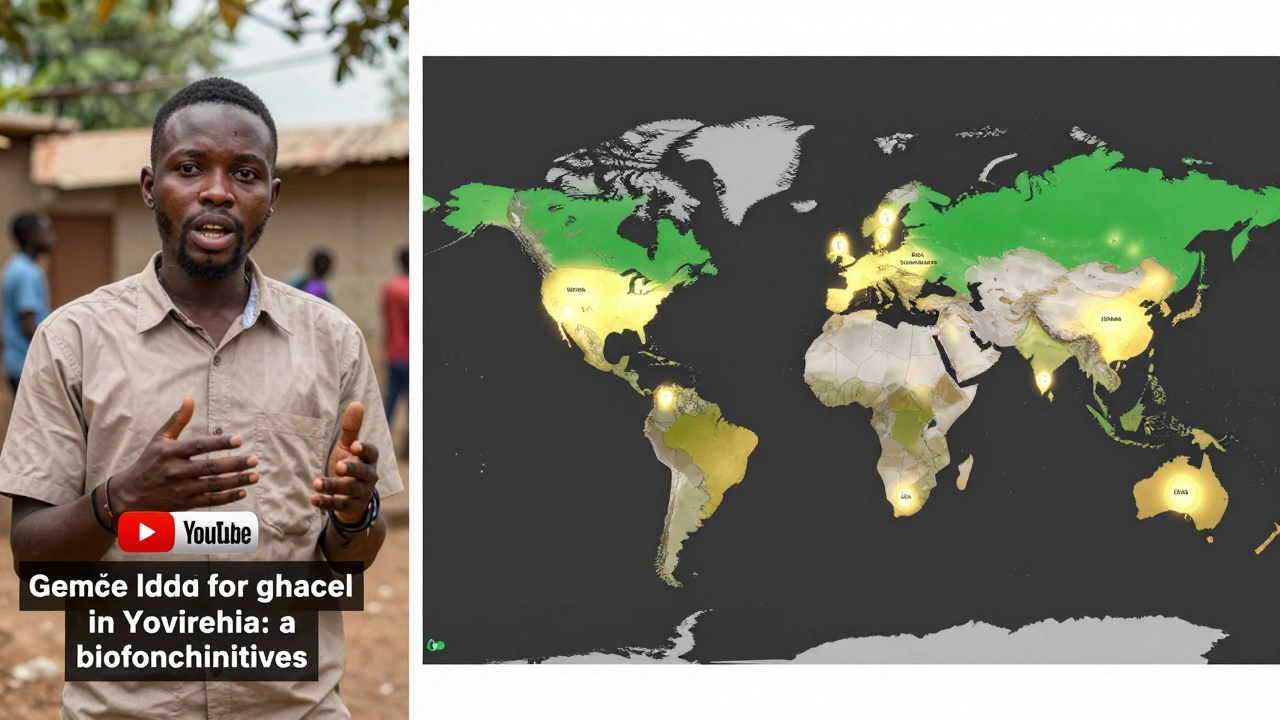
Yes, The Signpost has a YouTube channel - and it’s quietly growing. They don’t post videos every week. But when they do, it’s worth watching.
Recent videos include:
- A 20-minute interview with a former Wikimedia Foundation trustee who resigned over transparency concerns
- A walkthrough of how they fact-check a story about a banned editor
- A live Q&A from Wikimania 2025 with three editors from Nigeria, Brazil, and India
The videos are low-budget, no fancy editing. But they’re raw. You hear the pauses, the hesitations, the passion. That’s what makes them powerful.
If you’ve ever wondered how someone decides what’s newsworthy in a project with 60 million articles, these videos show you the process - not just the result.
Newsletter: The Slow Burn
Not everyone wants to check five platforms. The Signpost’s email newsletter is the cleanest way to get everything in one place. It arrives every Thursday morning, Pacific Time. No ads. No tracking. Just the latest issue, a summary of top comments, and links to archived articles.
You can sign up at thesignpost.wikimedia.org. Subscribers get early access to breaking stories and sometimes exclusive content - like internal memos from Wikimedia staff or anonymized quotes from closed arbitration cases.
Over 14,000 people get this newsletter. Most of them are editors who’ve been contributing for five years or more. They don’t just read it - they cite it in Wikipedia talk pages, use it in training new volunteers, and even reference it in academic papers.
Why This Matters
The Signpost doesn’t just report on Wikipedia. It helps shape it. When they write about biased sourcing, editors fix articles. When they highlight gender gaps in biographies, volunteers start editing marathons. When they call out systemic problems in moderation, the Foundation listens.
It’s not a news site in the traditional sense. There’s no corporate owner. No paywall. No clickbait. Just a group of volunteers who believe that if knowledge is supposed to be free, then the process of making it should be visible too.
Following them isn’t about staying trendy. It’s about staying informed - on how the world’s largest encyclopedia really works, warts and all.
Where to Start
If you’re new to The Signpost, here’s how to begin:
- Sign up for the newsletter - it’s the easiest way to get started.
- Follow @WikipediaSignpost on Twitter for real-time updates.
- Check out the r/Wikipedia subreddit every Wednesday to see how the community reacts.
- Subscribe to their Mastodon instance if you prefer decentralized platforms.
- Watch their YouTube videos if you want to hear directly from editors.
You don’t need to follow them everywhere. Pick one. But make sure you follow somewhere. Because if you care about Wikipedia - the real one, not the polished version you see on your phone - then you need to know what’s happening behind the scenes.
Is The Signpost affiliated with Wikipedia or the Wikimedia Foundation?
No. The Signpost is an independent publication run by volunteer editors. It is not funded or controlled by the Wikimedia Foundation, though it covers its activities. The Foundation does not review articles before publication, and The Signpost has published critical pieces about the Foundation’s decisions.
Can I write for The Signpost?
Yes. The Signpost welcomes submissions from any active Wikipedia editor. You don’t need to be a journalist. They’ve published pieces from students, retirees, librarians, and even former Wikipedia admins. Guidelines and submission forms are available on their website. Most articles are written in free time, on weekends, or during late-night editing sessions.
How often does The Signpost publish?
Every Thursday. They’ve maintained this weekly schedule since 2005, even during staff shortages and technical outages. The only exceptions were during major Wikimedia events like Wikimania, when they sometimes publish special editions.
Are The Signpost articles archived?
Yes. Every article since 2005 is archived and searchable on their website. The archive includes over 1,000 issues. Researchers, journalists, and students regularly cite these archives as primary sources on Wikipedia’s history and governance.
Why doesn’t The Signpost have more social media accounts?
Because the team is made up of volunteers who already spend hours editing Wikipedia. They don’t have staff to manage TikTok, Instagram, or LinkedIn. They focus on platforms where their core audience - active Wikipedia editors - actually are. Quality over quantity is their rule.