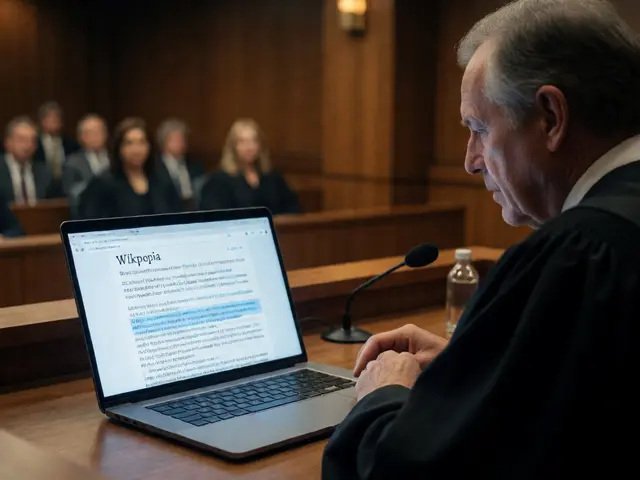
Have you ever wondered why your favorite celebrity has a detailed encyclopedic entry on Wikipedia documenting their career, awards, and personal life? It’s not just random fans typing away. Behind every well-written biography of a pop culture icon is a complex system of rules, debates, and editorial standards that define what counts as "news" in the world of entertainment.
Writing about entertainment journalism is the practice of reporting on movies, music, celebrities, and cultural trends for public consumption on Wikipedia is a free online encyclopedia written by volunteers that serves billions of views monthly is tricky. Unlike hard news or science, entertainment topics are often fleeting, subjective, and heavily commercialized. This creates tension between the desire to document current trends and the need to maintain encyclopedic neutrality. If you’ve ever tried editing a page about a viral TikTok star or a new Netflix series, you know how quickly these articles can become battlegrounds for fan edits, promotional content, and disputes over significance.
The Challenge of Defining Notability in Pop Culture
The biggest hurdle in Wikipedia entertainment coverage is determining who or what deserves an article at all. Wikipedia has strict notability guidelines are rules that determine whether a topic has received significant coverage in independent reliable sources. For actors, musicians, and directors, this usually means they need substantial coverage in major media outlets like The New York Times, Variety, or Rolling Stone. But what about influencers, reality TV stars, or indie artists?
This is where things get messy. A viral moment doesn’t automatically grant notability. An artist might have millions of streams on Spotify but lack the kind of critical analysis found in reputable publications. Editors often debate whether social media metrics count as "significant coverage." The consensus generally leans toward traditional media validation. This ensures that Wikipedia remains an encyclopedia of established cultural figures rather than a leaderboard of internet fame. However, this standard evolves. As digital media gains credibility, the definition of "reliable source" is slowly expanding to include high-quality online journalism from platforms like Pitchfork or The Verge.
WikiProject Entertainment: The Guardians of Quality
To manage this vast and volatile subject area, Wikipedia relies on WikiProject Entertainment is a collaborative group of editors dedicated to improving and maintaining articles related to film, television, music, and performing arts. This isn’t a formal staff team; it’s a community of volunteer editors who specialize in specific areas like film criticism, music history, or television production.
These editors act as quality control. They review new articles, check citations, and enforce style guides. For example, they ensure that plot summaries don’t spoil key twists unnecessarily and that discographies are formatted consistently. They also handle conflict of interest issues. Many people try to edit pages about themselves, their bands, or their favorite shows to make them look better. WikiProject Entertainment members are trained to spot promotional language and revert changes that violate Wikipedia’s neutral point of view policy requires articles to represent all significant viewpoints fairly without bias.
Without this structure, entertainment articles would quickly devolve into fan wikis. The difference between a Wikipedia article and a fandom wiki is crucial. Fandom sites allow speculation, headcanons, and informal tone. Wikipedia demands verifiable facts, cited sources, and an encyclopedic tone. WikiProject Entertainment bridges the gap by providing templates, guidelines, and mentorship for new contributors.
Navigating Reliable Sources in Entertainment News
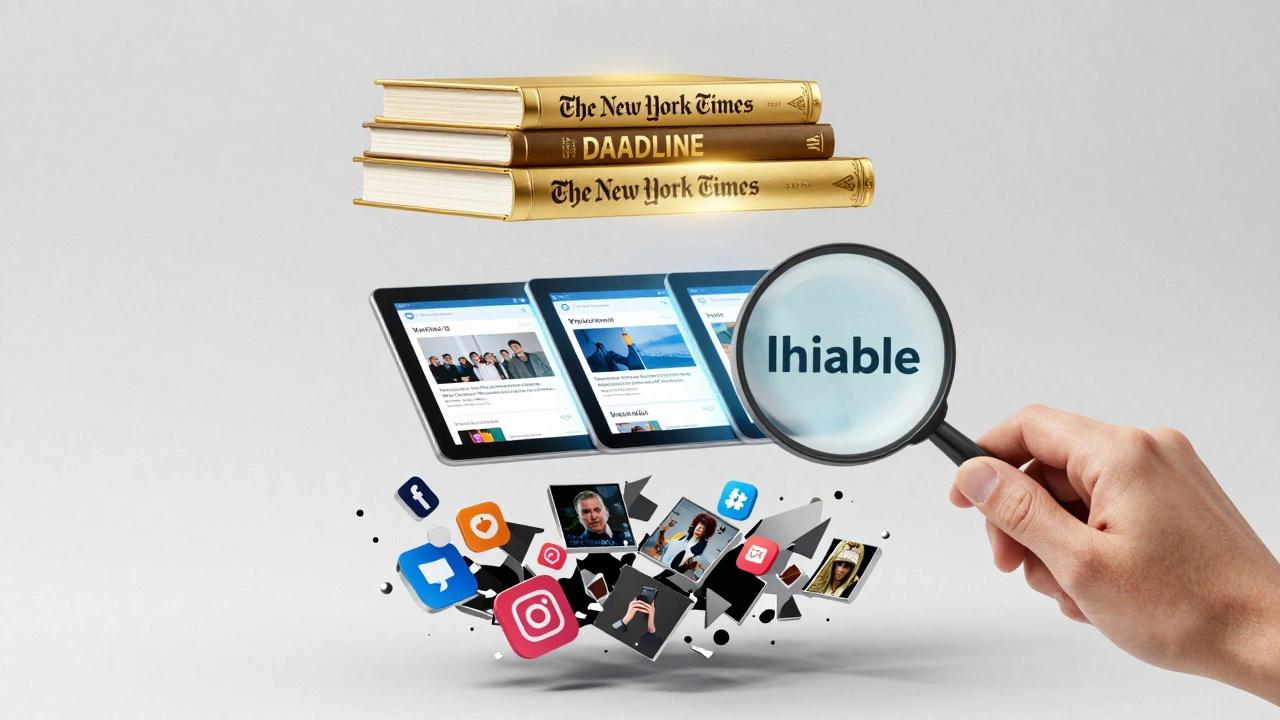
In any journalistic field, sources are everything. On Wikipedia, the concept of reliable sources is even more rigid. You can’t just cite a tweet, a press release, or a blog post. Entertainment journalism presents unique challenges here because much of the industry runs on hype, leaks, and unofficial announcements.
Consider a rumor about a movie casting change. Hundreds of blogs might pick it up within hours. But unless a major outlet like Deadline or Hollywood Reporter confirms it with insider knowledge, it doesn’t go on Wikipedia. Editors must distinguish between primary sources (like the studio’s official statement) and secondary sources (like a critic’s analysis of the casting choice). Only secondary sources that provide independent commentary are typically acceptable for establishing notability or adding context.
This rule protects against misinformation. In the age of deepfakes and AI-generated news, verifying the origin of information is harder than ever. Wikipedia’s reliance on established journalistic institutions acts as a filter. It may mean some stories are delayed until they’re confirmed, but it prevents the encyclopedia from becoming a vehicle for hoaxes.
Common Pitfalls: Fan Edits and Promotional Content
If you browse recent changes on popular entertainment pages, you’ll see a pattern. New users often add unsourced claims, update box office numbers without citations, or insert overly glowing language like "groundbreaking performance" or "beloved by fans." These edits stem from good intentions but violate core principles.
- Original Research: Synthesizing multiple sources to create a new conclusion is forbidden. If three critics say an actor is talented, you can list their quotes, but you can’t write "Critics agree he is the best actor of his generation."
- Biased Language: Words like "iconic," "masterpiece," or "disaster" are subjective. Instead, use neutral terms like "acclaimed," "critically successful," or "controversial," backed by specific reviews.
- Over-reliance on Social Media: Instagram posts and Twitter threads are rarely considered reliable sources for factual claims about careers or histories.
Experienced editors gently guide newcomers through these pitfalls. They leave comments on talk pages explaining why certain edits were reverted and suggesting alternative phrasing. This mentorship is vital for building a sustainable community of contributors who understand the nuance of encyclopedic writing.
Comparing Entertainment Coverage Across Platforms
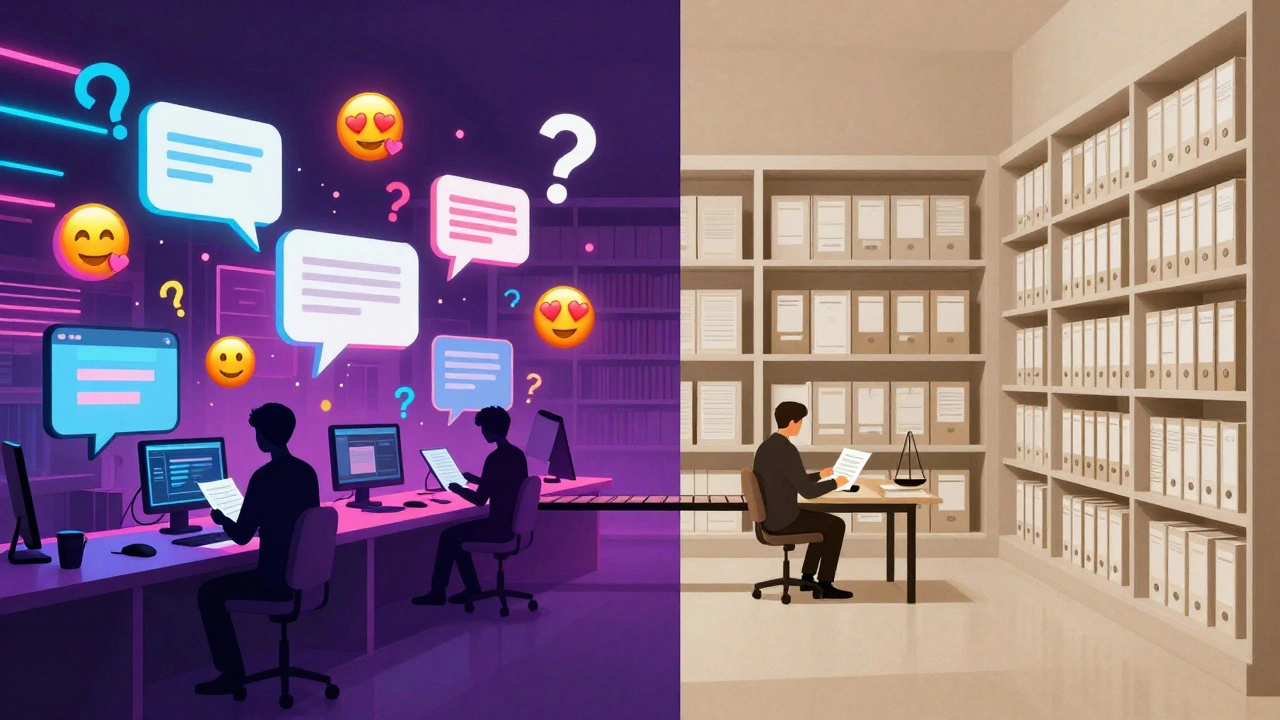
| Platform | Primary Goal | Source Reliability | Update Speed |
|---|---|---|---|
| Wikipedia | Encyclopedic reference | High (requires independent verification) | Moderate (deliberate process) |
| IMDb | Industry database | Medium (user-submitted, moderated) | Fast (real-time updates) |
| Fandom Wikis | Fan community hub | Low (speculation allowed) | Instant (community-driven) |
| Traditional Media | News reporting | High (professional journalists) | Fast (breaking news) |
Understanding these differences helps readers choose the right tool for their needs. Use IMDb for quick cast lists, Fandom for deep lore discussions, and Wikipedia for verified historical context and biographical details.
The Future of Celebrity Documentation
As pop culture accelerates, so does the pressure on documentation. Short-form video content, influencer marketing, and algorithmic trends create micro-celebrities who rise and fall in weeks. Should Wikipedia cover them? Currently, the answer is mostly no, unless they achieve lasting cultural impact. But this stance is constantly reviewed.
Emerging technologies like artificial intelligence could assist in monitoring vandalism or summarizing large volumes of sources. However, AI cannot replace human judgment in assessing notability or interpreting nuanced criticism. The human element remains essential. Editors bring diverse perspectives, ensuring that underrepresented voices in entertainment-such as indie filmmakers or non-Western artists-are given fair consideration.
Moreover, the line between entertainment and politics blurs. Celebrities increasingly engage in activism, making their profiles more complex. Wikipedia must navigate these intersections carefully, separating artistic work from political advocacy while acknowledging both as part of the public record.
Can I write a Wikipedia article about my own band?
Technically yes, but it’s strongly discouraged due to conflict of interest. Wikipedia requires neutrality, and it’s nearly impossible to be objective about your own work. If your band meets notability guidelines through independent media coverage, consider asking a neutral editor to create the page or submit it via the Articles for Creation process.
What makes a celebrity notable enough for Wikipedia?
Notability comes from significant coverage in reliable, independent sources. This usually means multiple features in major newspapers, magazines, or reputable online journals. Social media following alone is not sufficient. The focus is on sustained attention from third-party commentators, not self-promotion.
Why are some entertainment articles deleted?
Articles are deleted if they fail to meet notability criteria, contain only original research, or consist entirely of promotional material. Sometimes, a topic becomes notable later, and the article can be recreated with proper sources. Deletion is not always permanent.
How do I find reliable sources for a niche musician?
Look for interviews, reviews, or feature articles in specialized music publications like Pitchfork, NME, or local arts magazines. University libraries and academic databases can also yield scholarly analyses. Avoid blogs, forums, or self-published content unless they are recognized authorities in the field.
Is Wikipedia biased towards Hollywood stars?
Historically, yes, due to the availability of English-language sources. However, efforts by global editors are diversifying content to include international cinema, K-pop, Bollywood, and other regional industries. Bias exists but is actively challenged through community initiatives and translation projects.