Fact-Checking on Wikipedia: How Reliable Sources and Human Editors Keep Truth Alive
When you need to verify a claim, fact-checking, the process of verifying the accuracy of information against trusted evidence. Also known as source verification, it’s what keeps Wikipedia from becoming just another collection of rumors. Unlike social media or AI-generated summaries, Wikipedia doesn’t guess. It requires every statement to be backed by a published, reliable source—books, peer-reviewed journals, reputable news outlets. This isn’t optional. It’s the rule. And it’s why millions still turn to Wikipedia when they need to know what’s real.
Behind every accurate article are volunteers who act like digital detectives. They check citations, track down original studies, and flag claims that don’t hold up. Tools like the watchlist, a feature that lets editors monitor changes to specific articles help them catch errors fast. When someone adds a false date, a misquoted statistic, or a made-up fact, these editors revert it—and often leave a note explaining why. This isn’t about being strict. It’s about being honest. The reliable sources, published materials with editorial oversight that can be independently verified policy is the backbone of this system. Primary sources like personal blogs or press releases? They’re rarely enough. Secondary sources—like news reports that analyze events or academic papers that review multiple studies—are preferred because they add context and reduce bias.
What makes Wikipedia’s fact-checking different from AI tools? AI can spit out citations that look real but don’t actually support the claim. Wikipedia’s editors don’t just copy-paste—they read. They check if the source says what it’s supposed to. They know the difference between a study that’s been peer-reviewed and one that’s just posted online. And when there’s disagreement? They don’t fight. They discuss. Using policies like due weight, the rule that ensures all significant viewpoints are represented in proportion to their presence in reliable sources, they balance competing claims without giving equal space to fringe ideas. This is how Wikipedia stays ahead of AI encyclopedias that rely on patterns, not proof.
Journalists use Wikipedia not as a source—but as a starting point. They look at the citations, follow the links, and find the real documents. That’s fact-checking in action: turning a Wikipedia page into a trail of evidence. And when misinformation spreads? The community reacts. Whether it’s a false rumor about a public figure or a misleading claim about science, volunteers jump in. They update, they cite, they explain. It’s slow. It’s quiet. But it works.
Below, you’ll find real stories from the front lines of this effort—how editors track down sources, how the community handles false claims, and why human judgment still beats algorithms when it comes to truth.
When Wikipedia Gets It Wrong: Real Corrections and Controversies
Discover why Wikipedia makes mistakes and how 'reliable sources' can fail. Learn to spot errors, understand the correction process, and use the encyclopedia wisely.
Using Wikipedia Page Histories to Track Narrative Changes in News Subjects
Discover how to use Wikipedia page histories to uncover narrative shifts in news subjects. Learn to detect bias, track media influence, and verify facts using digital forensics.
Wikipedia Accuracy vs Britannica: Which Encyclopedia Holds Up?
Discover how Wikipedia accuracy stacks up against Britannica. We analyze studies, compare editing models, and help you choose the right source for your needs.

Why Journalists Rely on Wikipedia for Breaking News
Discover why professional journalists rely on Wikipedia during breaking news despite its reputation. Learn how to use it for context, speed, and source discovery.
Wikipedia Reliable Sources: How Editors Judge Information Authority
Discover how Wikipedia defines reliable sources and why citation standards matter for accurate information. Learn to evaluate credibility in the digital age.
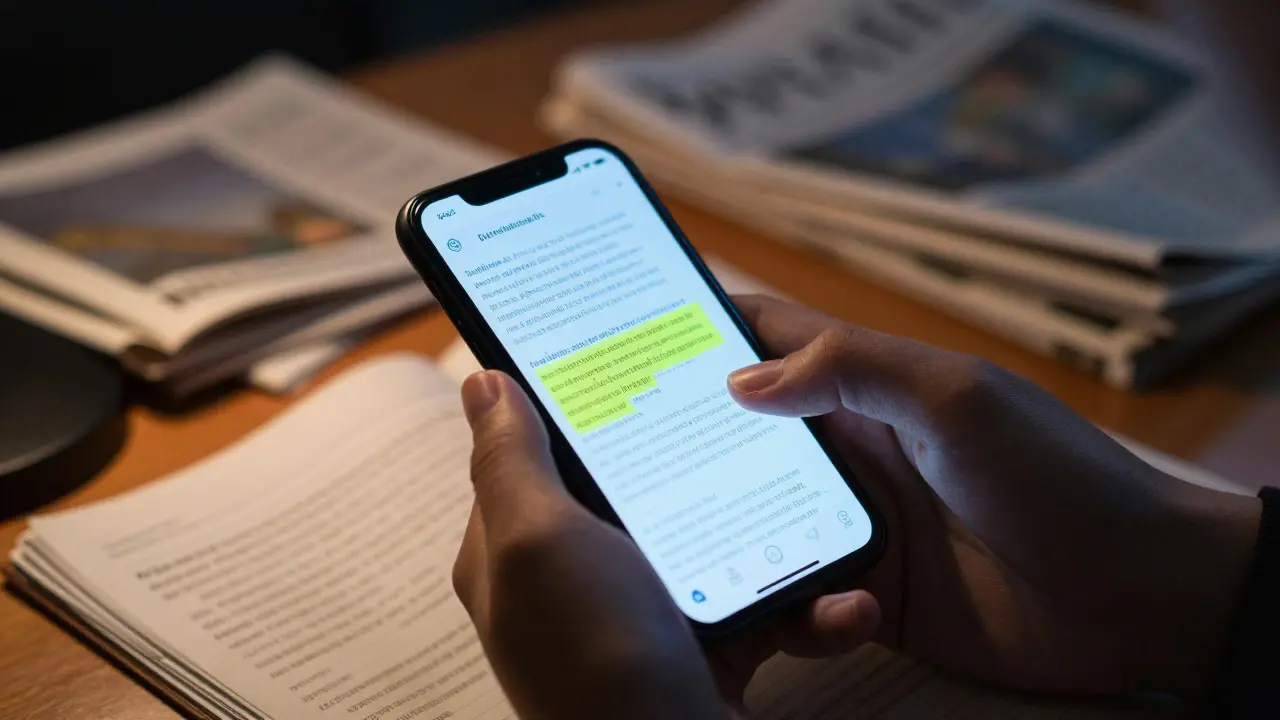
Teaching Journalism Students Responsible Wikipedia Use: A Practical Guide
Learn how to teach journalism students to use Wikipedia responsibly. This guide covers verification techniques, avoiding bias, and practical classroom exercises for better media literacy.
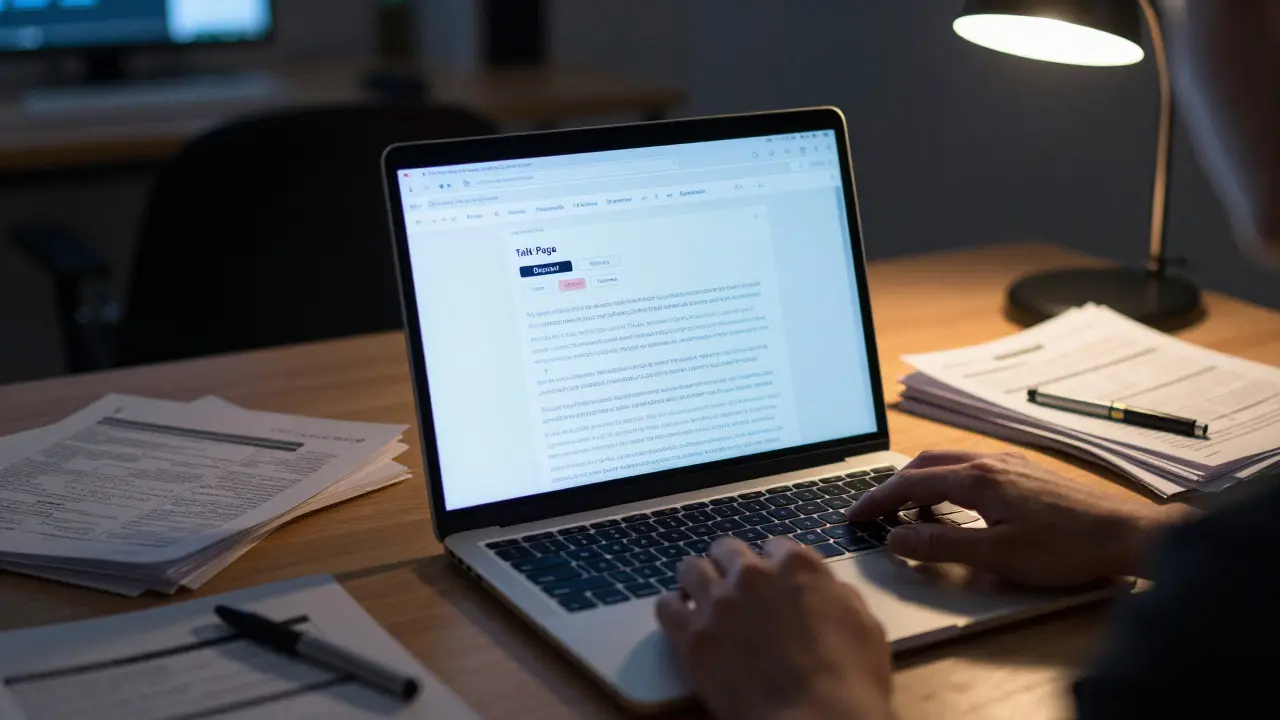
Wikipedia Quality Assessment Tools for Journalists: A Practical Guide
Learn how to use Wikipedia's internal tools like article ratings, talk pages, and edit history to evaluate reliability. A practical guide for journalists seeking accurate sources.

Case Study: Comparing Election News Coverage vs Wikipedia Edit Histories
Compare how newsrooms and Wikipedia cover elections. Learn how narrative journalism differs from collaborative editing, and use both for better fact-checking.
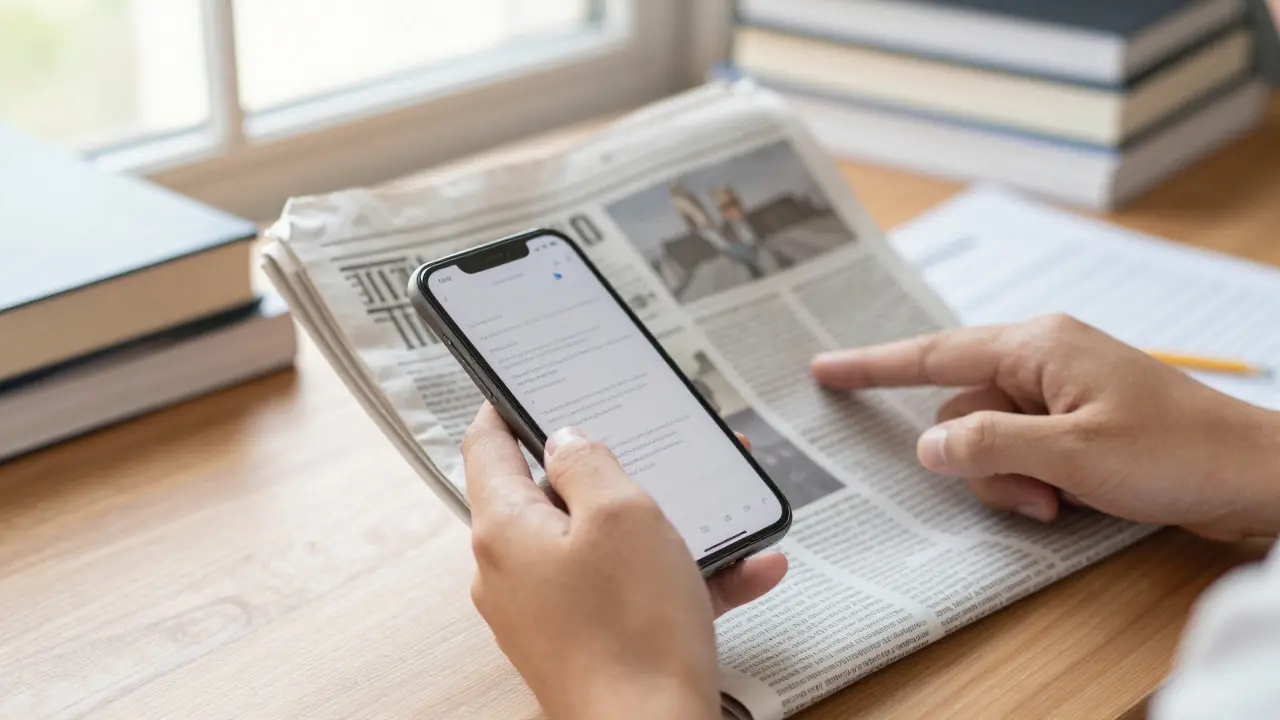
Wikipedia vs News: Why Reference Articles Are Not Journalism
Learn the key differences between Wikipedia and news media. Discover why reference articles aren't journalism and how to use both effectively for accurate information.

When Wikipedia Made the Headlines: Notable News References
Explore how Wikipedia has become a pivotal tool in modern journalism. From breaking news verification to deep-dive investigations, see how editors use this platform to navigate complex stories.
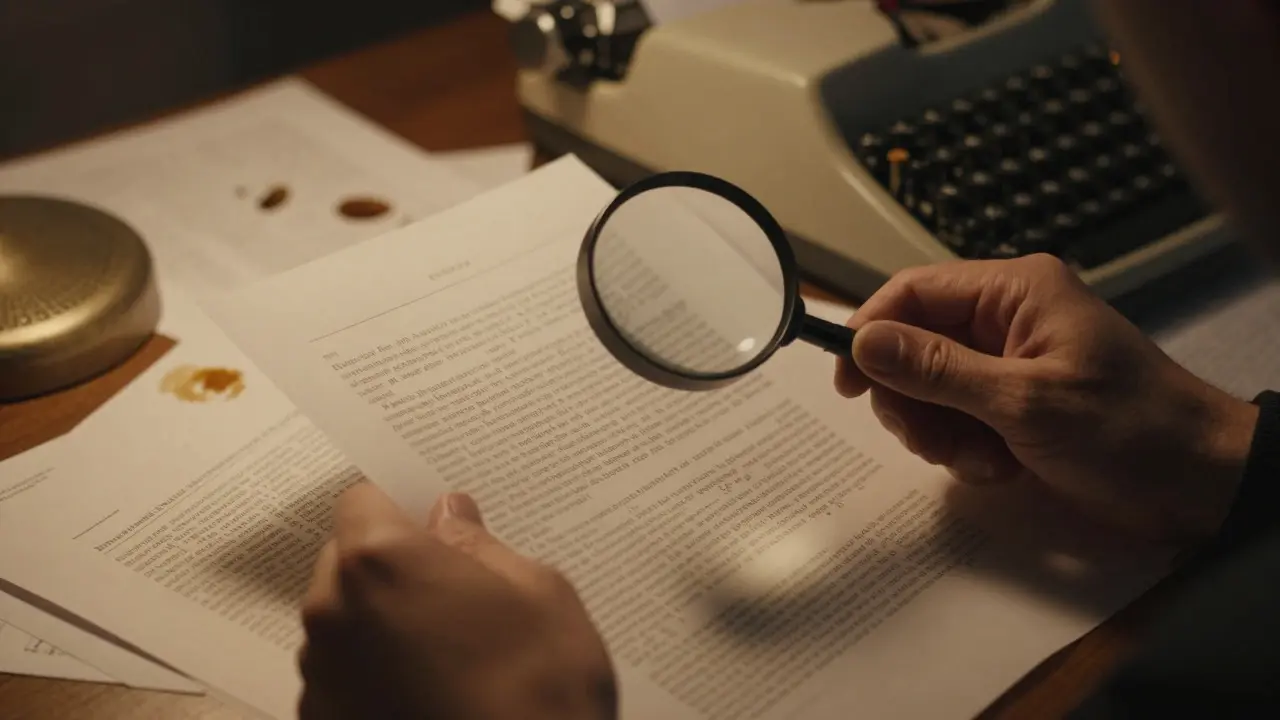
How Wikipedia Leads Spark Major Investigative Reports
Discover how investigative journalists use Wikipedia's edit history and citation gaps to uncover hidden stories. Learn practical techniques for verifying sources and finding leads in the public record.
How Vandalized Wikipedia Articles Affect News Coverage Quality
Discover how subtle Wikipedia vandalism can distort news reports. Learn practical strategies for journalists to verify facts and protect media credibility in the digital age.