Imagine trying to learn about quantum physics or local history in a language you barely speak. For billions of people in the Global South, this isn't a hypothetical-it's their daily reality on the internet. While English dominates online content, it represents only a fraction of human linguistic diversity. The challenge isn't just about translating words; it's about building bridges between knowledge systems that have historically been separated by colonial borders and economic barriers.
The Wikimedia Foundation has long recognized that true universal access requires more than just an English encyclopedia. It demands robust ecosystems in Swahili, Hindi, Yoruba, Bengali, and hundreds of other languages. But how do you grow these communities when infrastructure is scarce? How do you ensure that a farmer in rural India has the same access to verified information as a student in Boston? This article breaks down the concrete strategies driving Wikipedia Global South growth, moving beyond vague ideals to actionable tactics that are reshaping the digital landscape right now.
The Digital Divide Is a Language Divide
We often talk about the digital divide in terms of hardware-who has smartphones and who doesn't. But there's a deeper layer: the linguistic divide. According to recent data from UNESCO, over 40% of the world's population lacks access to education in a language they speak fluently. When we look at multilingual Wikipedia statistics, the gap becomes stark. The English Wikipedia boasts over six million articles, while many African languages with millions of speakers have fewer than a thousand. This isn't because those cultures lack knowledge; it's because the tools and incentives haven't matched the need.
This imbalance creates a feedback loop. If users can't find relevant content in their native tongue, they don't visit. If they don't visit, editors don't feel motivated to contribute. If editors don't contribute, the content remains sparse. Breaking this cycle requires targeted interventions that address both supply (content creation) and demand (user engagement). We're not just talking about adding translations; we're talking about creating original, culturally relevant content that resonates with local realities.
Mobile-First Strategies for Low-Bandwidth Regions
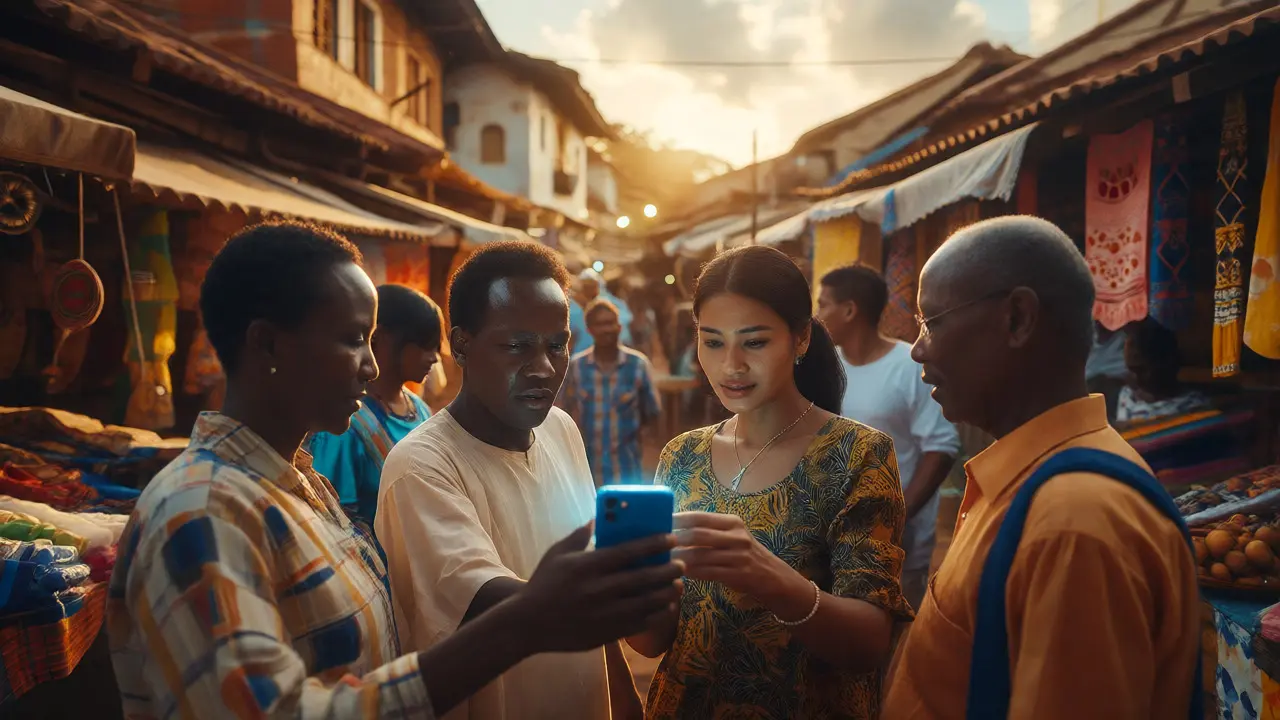
In many parts of Latin America, Southeast Asia, and Sub-Saharan Africa, the primary gateway to the internet is a mobile device, often with limited data plans. Traditional desktop-centric web designs fail here. The solution lies in optimizing for low-bandwidth environments. The Wikipedia Zero initiative, though evolved since its peak, set a precedent by partnering with mobile carriers to offer free access to Wikipedia. Today, the focus has shifted to technical efficiency.
- Lightweight Interfaces: Developing stripped-down versions of the site that load quickly even on 2G networks.
- Offline Access: Tools like Kiwix allow users to download entire language editions of Wikipedia for offline reading, crucial for areas with intermittent connectivity.
- Data Saver Modes: Implementing aggressive compression algorithms for images and text to reduce data consumption without sacrificing readability.
These aren't just nice-to-have features; they are essential infrastructure. When a user in Lagos can read a medical article in Yoruba without burning through their monthly data cap, the barrier to entry drops significantly. This approach respects the economic constraints of the audience while delivering high-value information.
Community-Led Content Creation
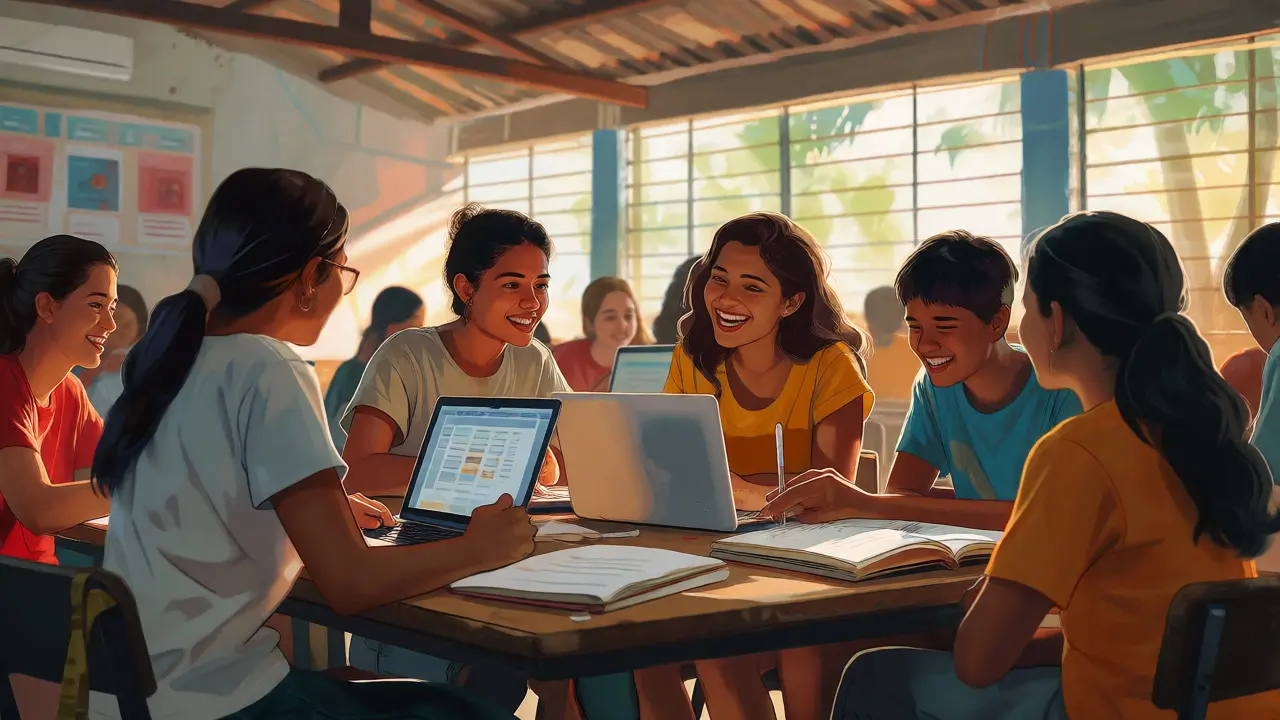
You cannot impose knowledge from the top down. Successful expansion relies on grassroots community engagement. In countries like Nigeria and Indonesia, local chapters of the Wikimedia movement have taken charge. They organize edit-a-thons, train local teachers, and partner with universities to integrate Wikipedia editing into curricula. This turns passive readers into active contributors.
Consider the case of the Swahili Wikipedia. Through coordinated efforts with regional educational institutions, the number of active editors has grown steadily. These editors aren't just copying English articles; they are writing new entries about local flora, fauna, historical figures, and legal systems that have no equivalent in Western encyclopedias. This localized content increases relevance, which in turn drives traffic and attracts more editors.
However, community-led models face challenges. Burnout is common among volunteer editors who juggle full-time jobs with unpaid wiki work. Sustainable models often involve micro-grants or partnerships with NGOs that provide stipends for key organizers. Recognizing the labor involved is critical to retaining talent in these emerging digital spaces.
Bridging the Gender Gap in Editing
Growth isn't just about volume; it's about representation. Studies consistently show that women make up less than 20% of Wikipedia editors globally, a figure that is often lower in conservative regions of the Global South. This bias skews the content, leaving out perspectives on health, family law, and cultural practices that disproportionately affect women.
| Language Edition | Estimated % Female Editors | Primary Focus Areas for Improvement |
|---|---|---|
| English | 15-18% | Biographies, Science |
| Spanish | 12-15% | Latin American History, Culture |
| Hindi | <10% | Women's Health, Local Folklore |
| Arabic | <10% | Regional Politics, Education |
To combat this, initiatives like Art+Feminism have expanded their reach into non-Western contexts. By hosting workshops specifically for women and gender minorities, these programs create safe spaces for collaboration. The goal is to diversify the editor base so that the encyclopedia reflects the full spectrum of human experience, not just the viewpoints of a privileged few.
Leveraging Technology for Translation and Quality
Manual translation is slow and error-prone. Enter machine learning. Modern natural language processing (NLP) tools have made significant strides in supporting low-resource languages. Projects like Translatewiki.net use collaborative platforms where humans review and refine machine-generated suggestions. This hybrid model accelerates the process while maintaining quality.
For example, in the Bengali Wikipedia, automated tools help identify broken links and suggest citations. This reduces the administrative burden on editors, allowing them to focus on content accuracy rather than formatting. Furthermore, AI-driven bots can monitor recent changes for vandalism, a critical function in communities with smaller moderator pools.
Yet, technology must be used carefully. Algorithms trained primarily on English data may misinterpret nuances in tonal languages or dialects. Continuous feedback loops from native speakers are essential to fine-tune these tools. The aim is augmentation, not replacement, of human judgment.
Sustainable Funding and Institutional Partnerships
Volunteer energy is finite. To sustain growth, financial support is necessary. Grants from foundations like the Ford Foundation or the Bill & Melinda Gates Foundation have funded specific projects aimed at increasing access in developing nations. These funds cover travel costs for editors, server maintenance for local mirrors, and marketing campaigns to raise awareness.
Partnerships with academic institutions also play a vital role. Universities in Brazil and South Africa have begun recognizing Wikipedia editing as a form of scholarly contribution. Students earn credit for improving articles related to their coursework. This institutional validation lends credibility to the platform and ensures a steady pipeline of new, educated contributors.
Moreover, private sector involvement is growing. Tech companies operating in emerging markets see value in having accurate local information available. Some have sponsored hackathons or provided API access to developers who build apps on top of Wikipedia data. This ecosystem approach diversifies funding sources and reduces reliance on donations alone.
The Road Ahead: Challenges and Opportunities
Despite progress, hurdles remain. Internet censorship in some countries restricts access to Wikipedia entirely. Political instability can disrupt community organizing. And the sheer pace of technological change means that today's solutions may become obsolete tomorrow.
However, the momentum is undeniable. As smartphone penetration continues to rise in the Global South, the potential audience for open knowledge expands exponentially. The next decade will likely see a shift from merely expanding access to deepening engagement. Users won't just consume content; they will co-create it, debate it, and verify it within their own communities.
Ultimately, expanding Wikipedia access in the Global South is about democratizing knowledge. It's about ensuring that the sum of human understanding isn't filtered through a single lens but reflects the rich tapestry of global cultures. By focusing on mobile-first design, community empowerment, gender equity, and smart technology, we can build an encyclopedia that truly belongs to everyone.
Why is multilingual Wikipedia important for the Global South?
Multilingual Wikipedia ensures that people can access reliable information in their native languages, reducing the cognitive load and increasing comprehension. It preserves cultural heritage and promotes local knowledge that might otherwise be overlooked in English-dominated sources.
How does mobile-first strategy help expand Wikipedia access?
Since most users in the Global South access the internet via mobile devices with limited data plans, mobile-first strategies optimize loading times and reduce data usage. Features like offline access and lightweight interfaces make Wikipedia usable in low-bandwidth environments.
What role do local communities play in Wikipedia growth?
Local communities drive content creation by training new editors, organizing edit-a-thons, and creating culturally relevant articles. Their involvement ensures that the encyclopedia reflects local realities and maintains sustainability through grassroots engagement.
How is the gender gap being addressed in Wikipedia editing?
Initiatives like Art+Feminism host workshops for women and gender minorities to increase their participation. These programs create supportive environments for editing and focus on topics that affect women, helping to balance the perspective of the encyclopedia.
Can AI replace human editors in multilingual Wikipedia?
No, AI assists rather than replaces human editors. Machine learning tools help with translation and maintenance tasks, but human judgment is required for context, nuance, and verifying accuracy, especially in low-resource languages.