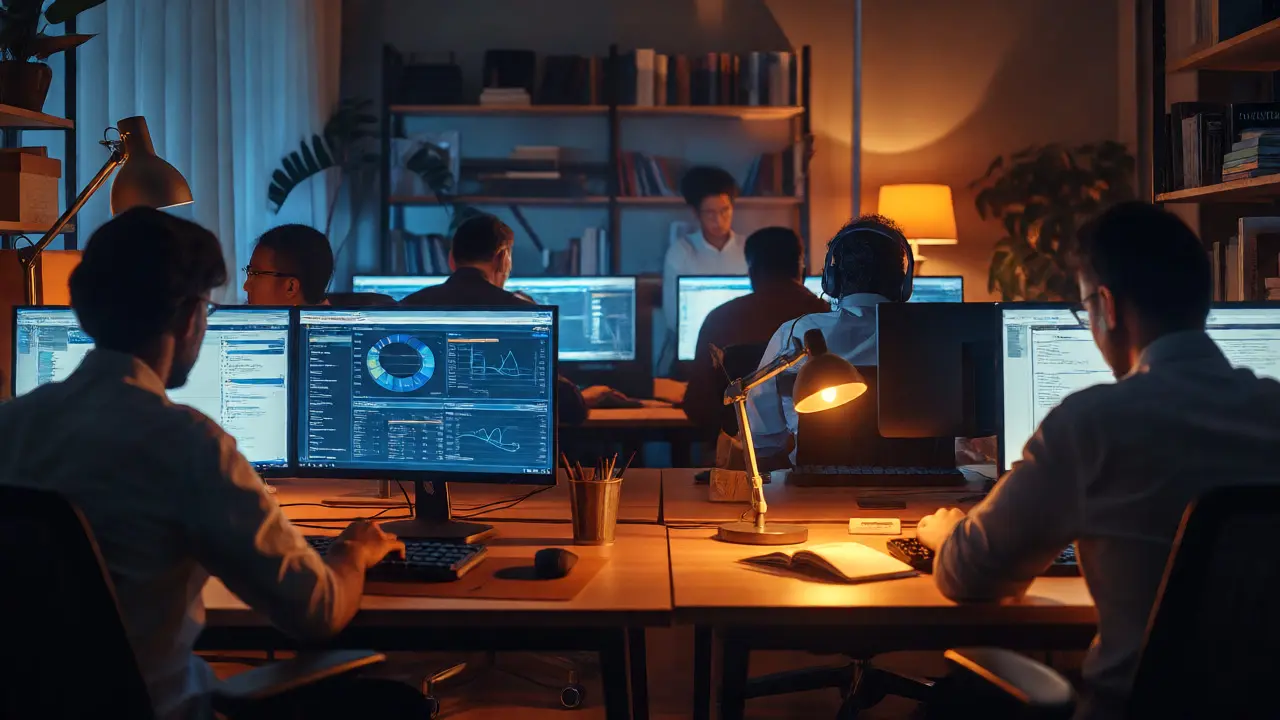
Imagine a breaking news story hits the internet at 3 AM. Within minutes, dozens of editors from different corners of Wikipedia are already typing, arguing over sources, and restructuring articles. This isn't chaos; it's a well-oiled machine driven by WikiProjects. These aren't just casual clubs for hobbyists. They are specialized task forces that kick into high gear when the world holds its breath. If you've ever wondered how a single article about a hurricane or an election stays accurate while thousands of people edit it simultaneously, the answer lies in cross-WikiProject collaborations during major events.
The Anatomy of a WikiProject
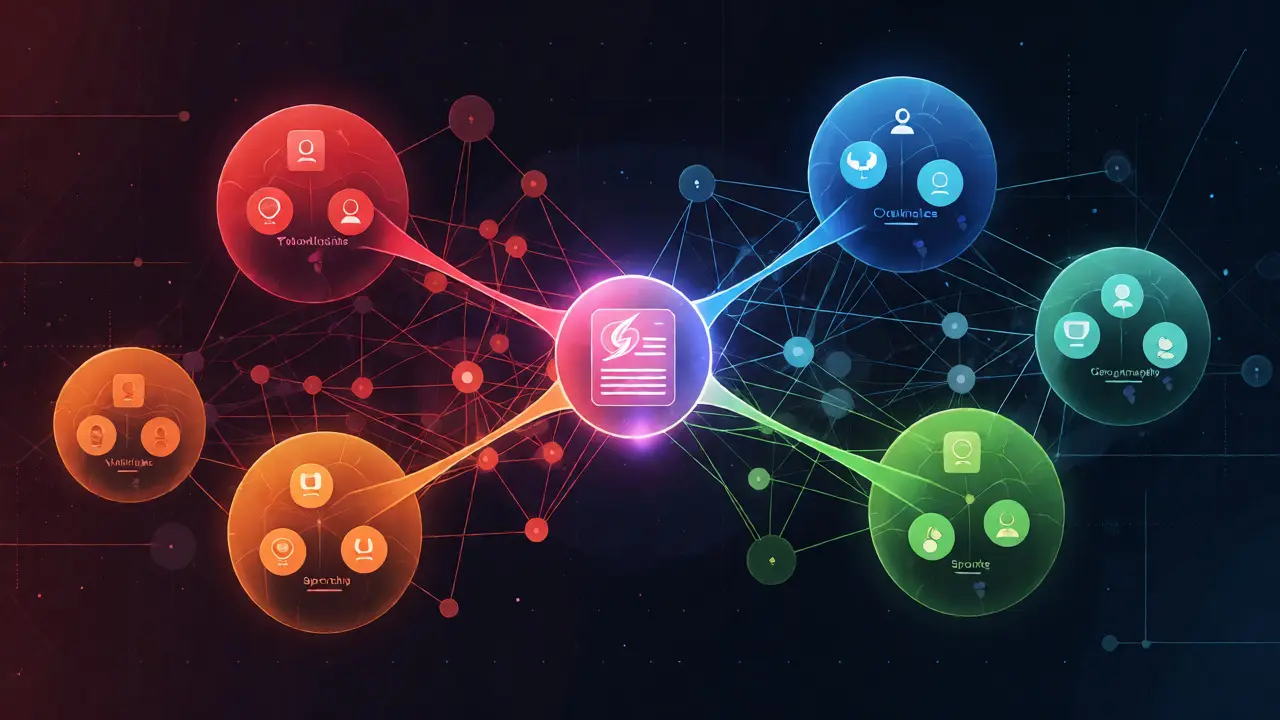
To understand the collaboration, you first need to grasp the unit itself. A WikiProject is a group of Wikipedians who collaborate to improve the encyclopedia's coverage of a specific topic area. Think of them as departments in a massive, decentralized newsroom. There's a WikiProject for Medicine, another for Sports, one for Biographies, and yes, even one for Minecraft. Each project has its own talk pages, assessment scales, and priority lists.
During normal times, these projects operate somewhat independently. The Medical editors worry about clinical accuracy; the History editors focus on archival sources. But when a major event occurs-say, a global pandemic or a significant political shift-the boundaries blur. Why? Because real-world events don't respect academic silos. A pandemic affects public health (Medicine), government response (Politics), economic impact (Business), and daily life (Society). Suddenly, the isolated silos must merge.
Why Silos Break Down During Crises
In steady-state editing, fragmentation can actually be helpful. It keeps expertise focused. However, during major events, this fragmentation becomes a liability. Imagine if the article on a recent earthquake only covered the geological data because the Geology WikiProject was active, but ignored the humanitarian crisis because the International Relations WikiProject wasn't paying attention. Readers would get a skewed picture.
This is where cross-project coordination saves the day. Editors from different projects realize they are working on overlapping content. For instance, during the 2020 US Presidential Election, editors from WikiProject United States, WikiProject Politics, and WikiProject Elections had to sync up constantly. They couldn't afford to have conflicting data on vote counts or inconsistent formatting for candidate biographies. The urgency of the event forced these groups to communicate beyond their usual channels.
The Toolkit for Coordination
How do hundreds of strangers coordinate without a manager? They use specific tools built into the platform and community norms developed over two decades. The primary mechanism is the talk page, but during high-traffic events, standard talk pages become too slow and cluttered. That's why experienced coordinators often spin up dedicated noticeboards or temporary chat rooms.
- Noticeboards: Centralized pages where urgent issues are flagged across multiple projects.
- Bots: Automated scripts that update statistics or flag vandalism instantly, freeing humans to focus on content quality.
- Templates: Standardized code snippets that ensure consistency in how dates, sources, and infoboxes appear across related articles.
- Watchlists: Shared lists of critical articles that key members of multiple projects agree to monitor closely.
These tools reduce friction. Instead of debating whether a template looks right, everyone uses the pre-approved version. This efficiency is crucial when information changes every few minutes.
| Role | Primary Responsibility | Key Tools Used | Typical Output |
|---|---|---|---|
| Content Creator | Drafting new sections based on live reports | Sources, Citations | New paragraphs, updated lead sections |
| Fact Checker | Verifying claims against reliable sources | News archives, official statements | Citation tags, removed unsourced claims |
| Structurer | Organizing layout and flow of information | Templates, Headings | Reorganized sections, improved readability |
| Vandal Fighter | Reverting malicious edits quickly | Recent Changes, Huggle | Clean history logs |
| Coordinator | Managing disputes and syncing updates | Talk pages, Noticeboards | Consensus decisions, style guides |
Case Study: The Pandemic Response
Let's look at a concrete example. When the novel coronavirus emerged, WikiProject Medicine took the lead on the scientific aspects. They ensured that terms like "R0 value" and "asymptomatic transmission" were defined accurately according to WHO guidelines. But the article on "COVID-19 pandemic by country" required input from WikiProject Geography and local language Wikipedias.
Here’s where the cross-collaboration shone. Editors in Japan might know the local government's specific quarantine rules better than an editor in Ohio. Through interwiki links and shared discussion threads, they coordinated to ensure that the English Wikipedia article reflected accurate local nuances without becoming bogged down in minutiae. They established a hierarchy of sources: peer-reviewed journals for medical facts, government press releases for policy, and reputable news outlets for timeline events. This multi-layered approach prevented the article from becoming a dumping ground for unverified rumors.
Challenges in Cross-Project Work
It’s not all smooth sailing. Different WikiProjects have different cultures. The WikiProject Military History tends to be very strict about sourcing and tone, preferring formal language. In contrast, WikiProject Video Games might be more relaxed and embrace pop-culture references. When these groups collide during an event like the release of a major game with historical themes, clashes occur.
Another major hurdle is speed versus accuracy. Breaking news moves fast. An editor might see a tweet claiming a celebrity died and rush to update the biography. Meanwhile, the Biography WikiProject coordinator insists on waiting for a statement from the family or a major news outlet. This tension creates edit wars. Resolving them requires empathy and clear communication. Often, the solution is a compromise: adding the information with a citation to the initial report, marked as "unconfirmed," until verified.
Best Practices for Effective Collaboration
If you’re looking to participate in these dynamic environments, here are some heuristics that seasoned editors swear by:
- Assume Good Faith: Most editors want to help. Disagreements usually stem from differing interpretations of sources, not malice.
- Prioritize Reliable Sources: During crises, social media is noisy. Stick to established news agencies and official bodies.
- Use Neutral Point of View (NPOV): Avoid emotional language. Describe what happened, not how you feel about it.
- Coordinate Before Editing Large Sections: If you plan to rewrite a whole section, post a note on the talk page first. This prevents duplicating work.
- Respect Project Boundaries: Don’t force your project’s style onto another’s domain unless there’s a consensus to unify.
These practices keep the collaboration productive. They turn potential conflicts into opportunities for refinement.
The Future of Event Coverage
As we move further into 2026, the nature of major events is changing. AI-generated content and deepfakes pose new challenges. WikiProjects are adapting by developing new verification protocols. We’re seeing more automated checks for source credibility and increased reliance on structured data from Wikidata to keep facts consistent across languages.
The core strength remains human judgment. Machines can scrape data, but they can’t yet weigh the significance of a political gesture or interpret the nuance of a diplomatic statement. That’s where the diverse perspectives of cross-WikiProject teams come in. By combining medical expertise, historical context, and journalistic rigor, they create a record that is both comprehensive and nuanced.
Frequently Asked Questions
What exactly is a WikiProject?
A WikiProject is a collaborative group within Wikipedia focused on improving articles related to a specific topic, such as medicine, sports, or geography. Members share expertise and coordinate efforts to maintain quality and consistency.
How do different WikiProjects coordinate during breaking news?
They use centralized noticeboards, shared watchlists, and dedicated talk page discussions. Coordinators from each relevant project communicate to assign roles, verify sources, and resolve formatting conflicts efficiently.
Who decides which sources are reliable during an event?
Editors rely on Wikipedia's existing guidelines for reliable sources, prioritizing peer-reviewed journals, major news organizations, and official government statements. Consensus among project members determines the acceptability of borderline sources.
Can anyone join a WikiProject collaboration?
Yes, Wikipedia is open to all. While experience helps, newcomers can contribute by fixing typos, adding citations, or monitoring recent changes. Mentorship programs often help new users integrate into project workflows.
What happens when projects disagree on content?
Disputes are resolved through discussion on talk pages, aiming for consensus. If no agreement is reached, editors may seek third-party opinions or refer to broader Wikipedia policies like Neutral Point of View and Verifiability.