
Imagine running a global newspaper where every reporter, editor, and fact-checker works for free. That is the reality of The Signpost, the only English-language newspaper published by and for the Wikipedia community. For over two decades, this publication has covered the inner workings of the world’s largest encyclopedia, from policy disputes to technical updates. But how does it survive without an advertising department or a subscription model? The answer lies in a unique blend of volunteer labor, institutional support, and a deep commitment to the ethos of free knowledge.
If you have ever wondered why The Signpost doesn’t sell ads or charge readers, you are not alone. In a digital landscape dominated by paywalls and sponsored content, its existence is almost an anomaly. This article breaks down exactly how this community media project stays afloat, who pays the bills, and what challenges lie ahead for sustainable volunteer journalism.
The Volunteer Engine: Labor Without Paychecks
The most obvious cost of any news organization is labor. At The Signpost, this cost is effectively zero because the workforce is entirely voluntary. Writers, editors, photographers, and designers contribute their time out of passion for the Wikimedia movement, a global initiative dedicated to providing free knowledge to everyone.
This model mirrors the broader structure of Wikipedia. Just as millions of users edit articles without financial compensation, The Signpost relies on contributors who view journalism as a form of civic duty. They are often long-time Wikipedians who want to document the history of the platform or hold power structures accountable within the community.
- Editorial Team: Composed of experienced Wikipedians who manage submissions and ensure quality control.
- Contributors: Ranging from casual observers to core developers, all writing under Creative Commons licenses.
- Designers: Volunteers who format issues using MediaWiki templates rather than expensive publishing software.
This reliance on unpaid labor creates a specific dynamic. Turnover can be high, and burnout is a real risk. However, it also ensures that the editorial voice remains independent. There are no corporate sponsors dictating the narrative. The stories are chosen because they matter to the community, not because they generate clicks for advertisers.
Institutional Backing: The Wikimedia Foundation Role
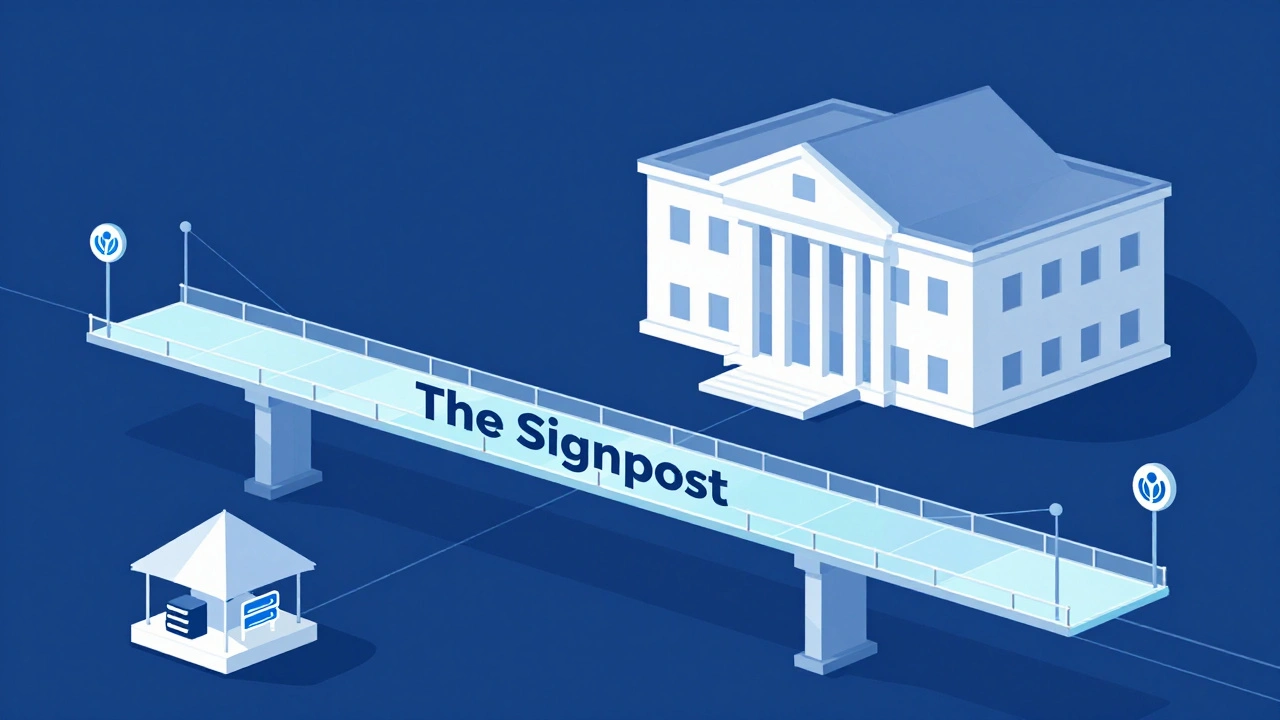
While labor is free, infrastructure is not. Hosting servers, domain registration, and email services require money. This is where the Wikimedia Foundation (WMF), the non-profit organization that hosts Wikipedia and other projects, plays a crucial role. Although The Signpost is an independent publication and not directly controlled by the WMF, it benefits from the ecosystem the foundation supports.
Historically, the WMF has provided indirect support through grants and infrastructure. For example, the newspaper runs on the same MediaWiki software that powers Wikipedia, hosted on servers maintained by the foundation. This eliminates the need for The Signpost to pay for web hosting or software licenses. Additionally, individual contributors often receive travel grants from the WMF to attend conferences like Wikimania, where networking leads to new story ideas and collaborations.
It is important to note that the WMF does not fund The Signpost operationally. There is no annual budget line item for the newspaper. Instead, the support is structural. By maintaining the platform upon which the newspaper exists, the foundation enables its sustainability without compromising its editorial independence. This separation is vital for maintaining trust within the community.
Community Grants and Individual Donations
When specific projects arise-such as special editions or investigative series-The Signpost has occasionally tapped into community-driven funding mechanisms. The Wikimedia Community Fund, a program that provides grants to individuals and groups working on Wikimedia projects, has been a source of micro-grants for related activities. While these grants rarely cover general operating costs, they can support specific initiatives, such as translating content or organizing local editing meetups that feed into reporting.
Individual donations also play a part, though indirectly. When users donate to Wikipedia, those funds go to the WMF. However, the culture of giving within the community fosters a mindset of supporting public goods. Many contributors to The Signpost are themselves donors to the Wikimedia movement, creating a symbiotic relationship between financial support for the platform and voluntary labor for its media.
Why No Ads? The Ethical Stance Against Commercialization
A common question is why The Signpost does not simply sell banner ads. After all, many online publications rely on this model. The decision to remain ad-free is rooted in the core values of the Wikimedia movement.
Introducing advertisements would create conflicts of interest. If a tech company sponsoring a server upgrade could buy ad space, would the newspaper report critically on that company’s practices? The answer must be no. To preserve credibility, The Signpost adheres to a strict no-advertising policy. This aligns with Wikipedia’s own stance against commercial bias.
Furthermore, the audience for The Signpost is niche. It consists primarily of active Wikipedians, librarians, academics, and journalists interested in open knowledge. This demographic is relatively small compared to mass-market news outlets, making ad revenue unpredictable and potentially insufficient to justify the loss of editorial integrity.
| Model | Revenue Source | Editorial Independence | Sustainability Risk |
|---|---|---|---|
| Traditional Media | Ads & Subscriptions | Moderate (influenced by sponsors) | High (market volatility) |
| The Signpost | Volunteer Labor & Infrastructure Support | High (no commercial pressure) | Medium (volunteer burnout) |
| Non-Profit News | Donations & Grants | High (mission-driven) | Low (diversified funding) |
Challenges to Long-Term Sustainability
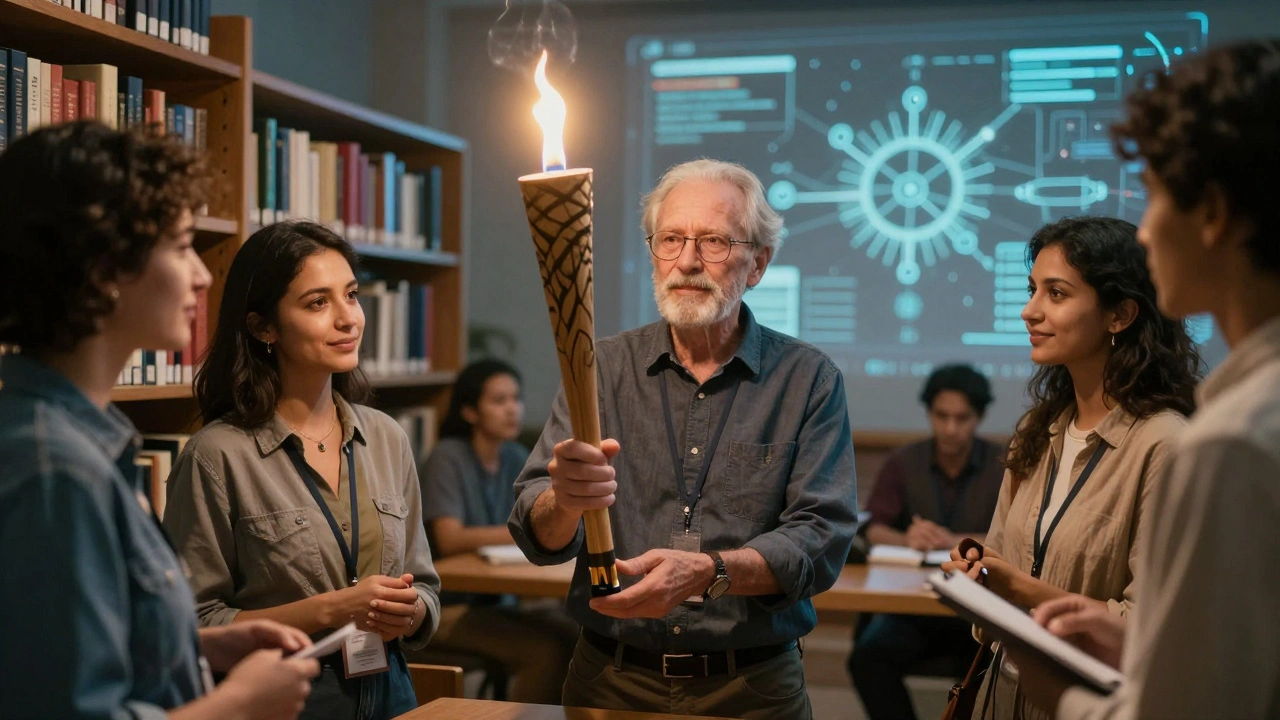
Despite its success, The Signpost faces significant hurdles. The primary threat is not financial but human. As older generations of Wikipedians retire or lose interest, recruiting new volunteers for demanding roles like journalism becomes difficult. Writing a weekly or monthly issue requires consistent effort, which clashes with the "edit when you can" philosophy of many casual contributors.
Another challenge is relevance. As Wikipedia matures, the nature of its controversies shifts. Some argue that internal drama is less compelling to outsiders. To remain sustainable, The Signpost must continue to demonstrate value not just to insiders, but to the broader public interested in how knowledge is constructed online.
Additionally, the lack of a formal legal entity means The Signpost cannot easily enter into contracts or apply for large institutional grants. It operates as an informal collective, which simplifies management but limits scalability. Future sustainability may depend on whether the community decides to formalize its structure or find new ways to incentivize participation.
The Future of Community Media
The model used by The Signpost offers a blueprint for other community-driven media projects. It proves that high-quality journalism can exist without commercial incentives if there is a strong shared mission. For the Wikimedia movement, the newspaper serves as a vital record of history and a forum for debate.
As we look toward 2026 and beyond, the focus will likely shift toward diversifying contributions and leveraging technology to reduce the burden on individual editors. AI tools might help with fact-checking or summarizing, allowing volunteers to focus on analysis and storytelling. Ultimately, the sustainability of The Signpost depends on the continued belief that documenting the journey of free knowledge is worth the time and effort.
Is The Signpost affiliated with the Wikimedia Foundation?
No, The Signpost is an independent publication. While it is hosted on Wikimedia servers and written by members of the community, it is not owned or operated by the Wikimedia Foundation. This independence ensures editorial freedom.
Can I submit an article to The Signpost?
Yes, The Signpost accepts submissions from the community. You typically need a Wikipedia account and should follow their submission guidelines, which emphasize neutrality and factual accuracy. Most contributors are experienced Wikipedians.
Does The Signpost make money from donations?
No, The Signpost does not collect donations directly. All financial support for the Wikimedia ecosystem goes through the Wikimedia Foundation or its chapters. The newspaper relies on volunteer labor and existing infrastructure.
Why doesn't The Signpost use advertising?
Advertising is avoided to maintain strict editorial independence and avoid conflicts of interest. The goal is to provide unbiased coverage of Wikipedia-related topics without commercial influence, aligning with the non-profit ethos of the Wikimedia movement.
How often is The Signpost published?
Publication frequency varies. Historically, it has ranged from weekly to monthly depending on the availability of volunteer staff. During periods of high activity or major events, issues may be released more frequently.