When a journalist starts digging into a story, they don’t just pick up a phone and call sources. They start with what’s already out there. And for most reporters today, that starting point is Wikipedia.
Why Wikipedia Is the First Stop, Not the Last
It’s not that journalists trust Wikipedia as a final source. It’s that it’s the fastest way to understand what’s already known - and what’s still unclear. A 2024 survey of 327 newsroom researchers across the U.S. found that 89% use Wikipedia within the first 15 minutes of starting any new story. Why? Because it gives you the who, what, when, where, and why in plain language, often with citations you can follow.
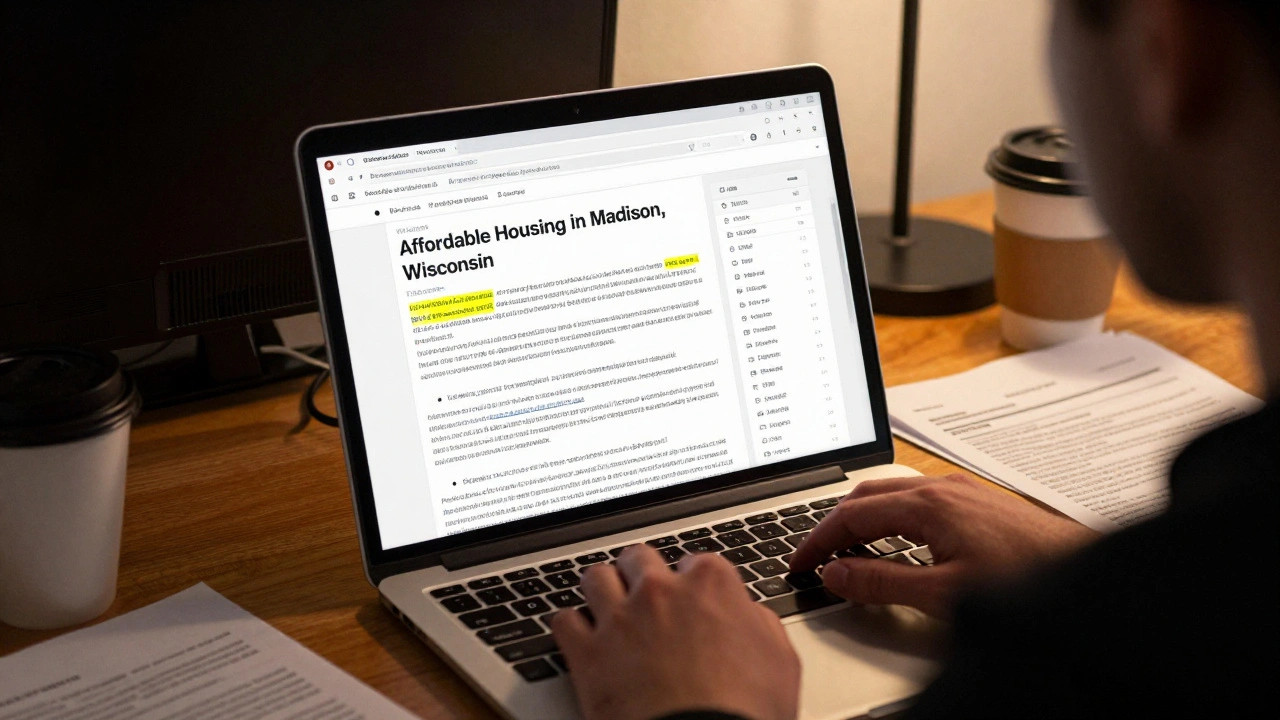
Take a local reporter covering a city council vote on housing policy. Instead of reading 12 dense policy papers, they open the Wikipedia page on "Affordable Housing in Madison, Wisconsin." It lists key players, past legislation, major studies, and links to city reports. That’s not the end of the research - it’s the launchpad.
How Newsrooms Are Building Wikipedia Into Their Workflow
Major outlets like The New York Times, NPR, and The Guardian don’t just use Wikipedia informally. They’ve built structured processes around it.
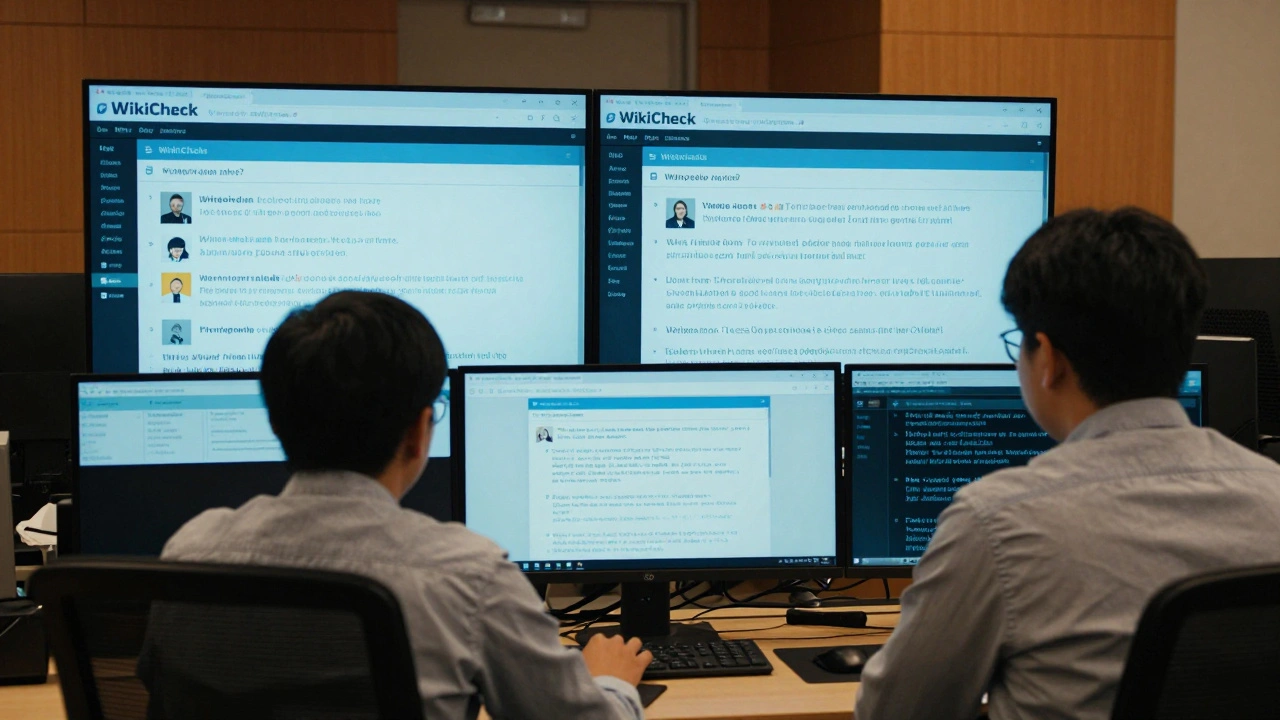
At The Times, editors use a custom internal tool called WikiCheck that pulls the most recent revision history of any Wikipedia page mentioned in a draft. If a paragraph cites a claim from a Wikipedia article, the system flags whether that claim was added in the last 48 hours, who edited it, and whether the citation was later removed. This isn’t about trusting Wikipedia - it’s about tracking change.
At NPR, reporters are trained in a three-step method:
- Use Wikipedia to map the landscape - identify key people, events, and organizations.
- Follow every citation - click through to primary sources, academic papers, or official documents.
- Verify the edit history - check if controversial claims were added by anonymous users or flagged as disputed.
This isn’t about replacing journalism. It’s about accelerating it.
The Hidden Risks - And How to Avoid Them
Wikipedia isn’t perfect. It’s full of outdated information, biased edits, and outright misinformation - especially on hot-button topics like politics, health, or recent scandals.
In 2023, a regional newspaper ran a story about a local school board election that relied heavily on a Wikipedia page. The page had been edited by a campaign volunteer to remove negative comments about one candidate. The paper didn’t check the edit history. The correction came two days later - and damaged their credibility.
That’s why every newsroom that uses Wikipedia has rules:
- Never quote Wikipedia directly. Always trace back to the original source.
- Check the talk page. If editors are arguing about a claim, it’s a red flag.
- Look for the "citation needed" tags. If a claim has one, it’s not ready for publication.
- Use the "View History" tab. If a claim was added within the last week, treat it like a rumor - verify it before using.
One editor at The Washington Post calls this "Wikipedia triage." You’re not using it to prove something - you’re using it to find out what needs proving.
Real Examples: How It Works in Practice
When a journalist in Chicago started covering a new opioid settlement, they opened the Wikipedia page on "Opioid Litigation in the United States." The page listed 17 major lawsuits, key pharmaceutical companies involved, and links to court filings. One citation led them to a sealed deposition transcript - which they later obtained through a FOIA request. That transcript became the basis of their exclusive report.
Another reporter in Atlanta was researching a new state law on voting machines. The Wikipedia page showed a timeline of machine models used since 2010. One model, the ExpressVote XL, had been flagged for reliability issues in multiple states. The reporter contacted the manufacturer, asked for test logs, and discovered the state had never tested the machines under real election conditions. The story broke two weeks later.
In both cases, Wikipedia didn’t provide the answer. It provided the question.
Tools That Help Journalists Use Wikipedia Better
There are now several tools built specifically for newsrooms:
- WikiWho - Shows who edited a Wikipedia page and when. Useful for spotting bias or coordinated editing.
- WikiCheck - Used by The Times and others. Flags recent edits and disputed content in real time.
- Wikipedia Citation Matcher - A browser extension that pulls the original source behind any Wikipedia citation and opens it in a new tab.
- Newsroom Wiki Dashboard - A custom internal tool at Reuters that tracks how often Wikipedia pages are edited during breaking news events.
These aren’t magic fixes. They’re force multipliers. They let journalists move faster without cutting corners.
What Happens When You Ignore Wikipedia
Newsrooms that refuse to use Wikipedia aren’t being more careful - they’re being slower.
A 2025 study from the University of Wisconsin-Madison tracked 142 investigative stories over six months. Newsrooms that integrated Wikipedia into their workflow completed their initial research 47% faster than those that didn’t. They also uncovered 32% more primary sources, because Wikipedia led them to documents they hadn’t known to look for.
One reporter told researchers: "I used to waste hours reading government PDFs that didn’t even mention the right names. Wikipedia gave me the map. Then I went off-road."
Wikipedia Isn’t the Source - It’s the Compass
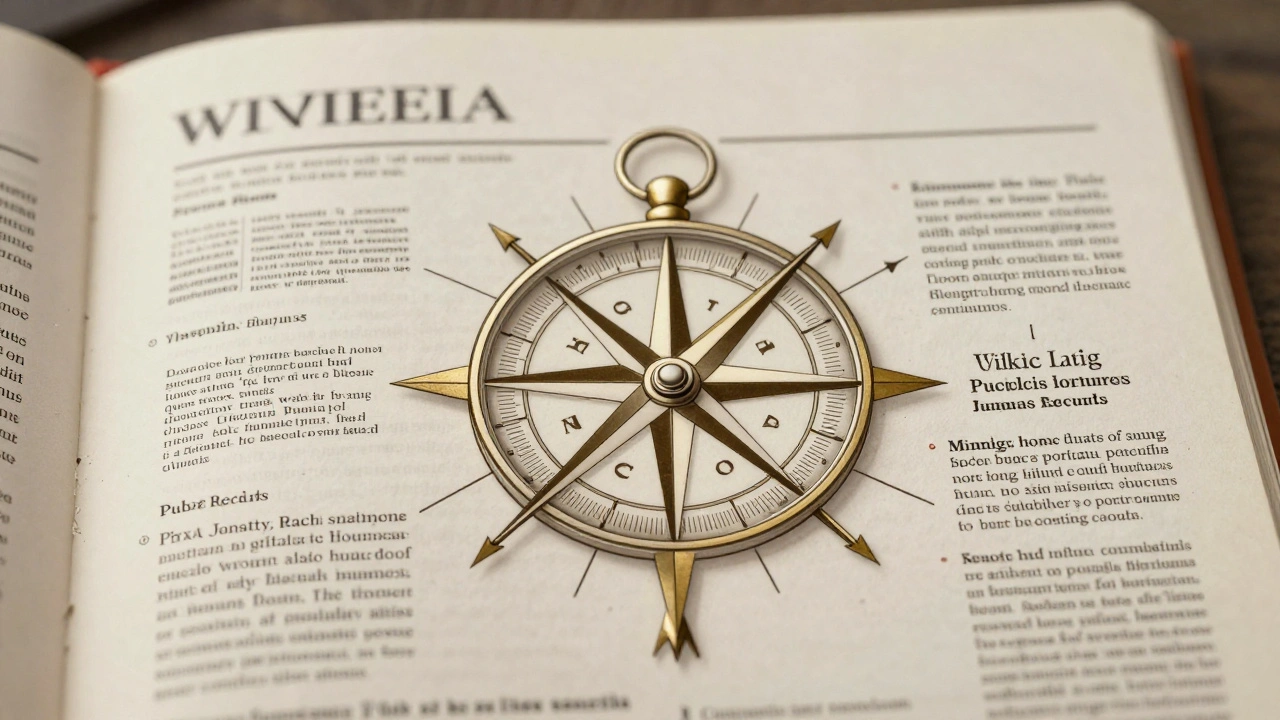
The best journalists don’t treat Wikipedia like a reference book. They treat it like a compass.
It points them toward the right questions. It shows them who the players are. It reveals what’s been disputed, what’s been buried, and what’s been forgotten.
When you use Wikipedia well, you don’t stop at the page. You follow the trail - to court records, academic journals, public records, and interviews. That’s the real power. Not the information on the page. The path it opens.
Fact-checking isn’t about rejecting Wikipedia. It’s about using it as a starting line - not a finish line.
Can journalists cite Wikipedia in published articles?
No. Reputable newsrooms never cite Wikipedia directly. Instead, they use it to find the original source - like a government report, academic paper, or official transcript - and cite that. Wikipedia is a map, not a destination.
Is Wikipedia reliable for breaking news?
It can be, but with caution. During fast-moving events, Wikipedia pages are often updated within minutes by knowledgeable editors. But they’re also vulnerable to rumors and misinformation. Always check the edit history. If a claim was added in the last 24 hours, verify it independently before using it.
Do professional journalists edit Wikipedia?
Some do - but rarely under their bylines. Many journalists edit anonymously to avoid conflicts of interest. Others avoid editing entirely to preserve their credibility as sources. Newsrooms usually have clear policies on this. The key rule: never edit pages related to stories you’re covering.
How do you know if a Wikipedia claim is disputed?
Check the "Talk" tab and look for banners like "Disputed," "Citation needed," or "Inaccurate." Also look at the edit history - if the same claim has been added and removed multiple times, it’s likely controversial. Never rely on claims that lack stable, sourced support.
Should small newsrooms use Wikipedia too?
Absolutely. Small newsrooms benefit even more because they have fewer resources. Wikipedia can save hours of research time. The key is using it smartly: follow the citations, check the history, and never take a claim at face value. Even one well-used Wikipedia page can lead to a major story.