Tag: Wikimedia community
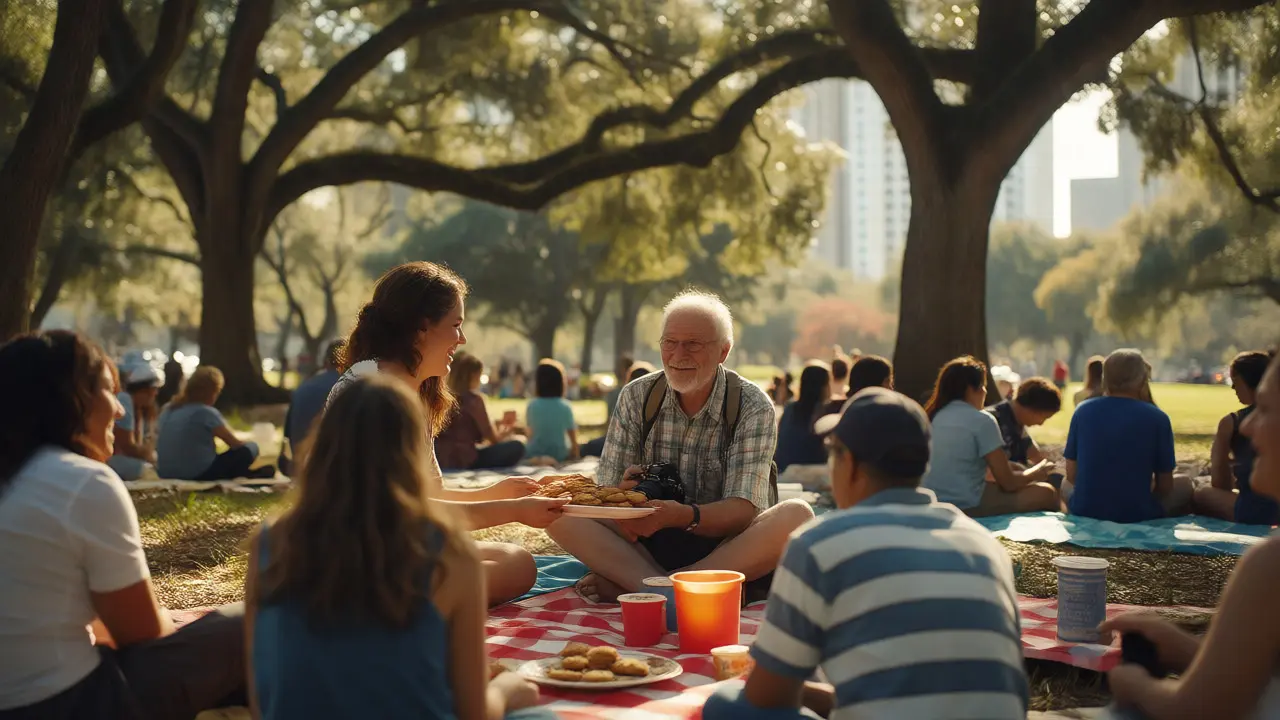
Wiknic and Regional Wikipedia Meetup Announcements: What’s Happening in Your Community
Discover what Wiknics are and how regional Wikipedia meetups strengthen the open knowledge community. Learn how to find events, what to expect, and why attending benefits everyone from students to photographers.

How The Signpost Funds Itself: Sustainability of Wikipedia’s Community Newspaper
Explore how The Signpost, Wikipedia's community newspaper, sustains itself through volunteer labor and institutional support without ads or subscriptions.

How to Launch a Wikipedia Language in the Incubator: Avoiding Common Pitfalls
Avoid common mistakes when launching a new Wikipedia language. Learn how to build a sustainable community, ensure content quality, and pass the review process.

Why New Wikipedia Editors Quit and How to Keep Them
Explore the challenges of Wikipedia editor retention, from 'culture shock' and gatekeeping to strategies for creating a more welcoming community for newcomers.

WikiProject Women in Red 2025 Events Schedule: Closing the Gender Gap on Wikipedia
Explore the WikiProject Women in Red 2025 events schedule, focusing on edit-a-thons and strategies to close the gender gap on Wikipedia through sourced biographies.

Editor Burnout: Why Wikipedians Leave the Project and How to Fix It
Discover the real reasons why experienced Wikipedia editors quit contributing. This guide explores the causes of volunteer burnout, from toxic conflicts to complex policies, and offers practical steps to support editor retention.
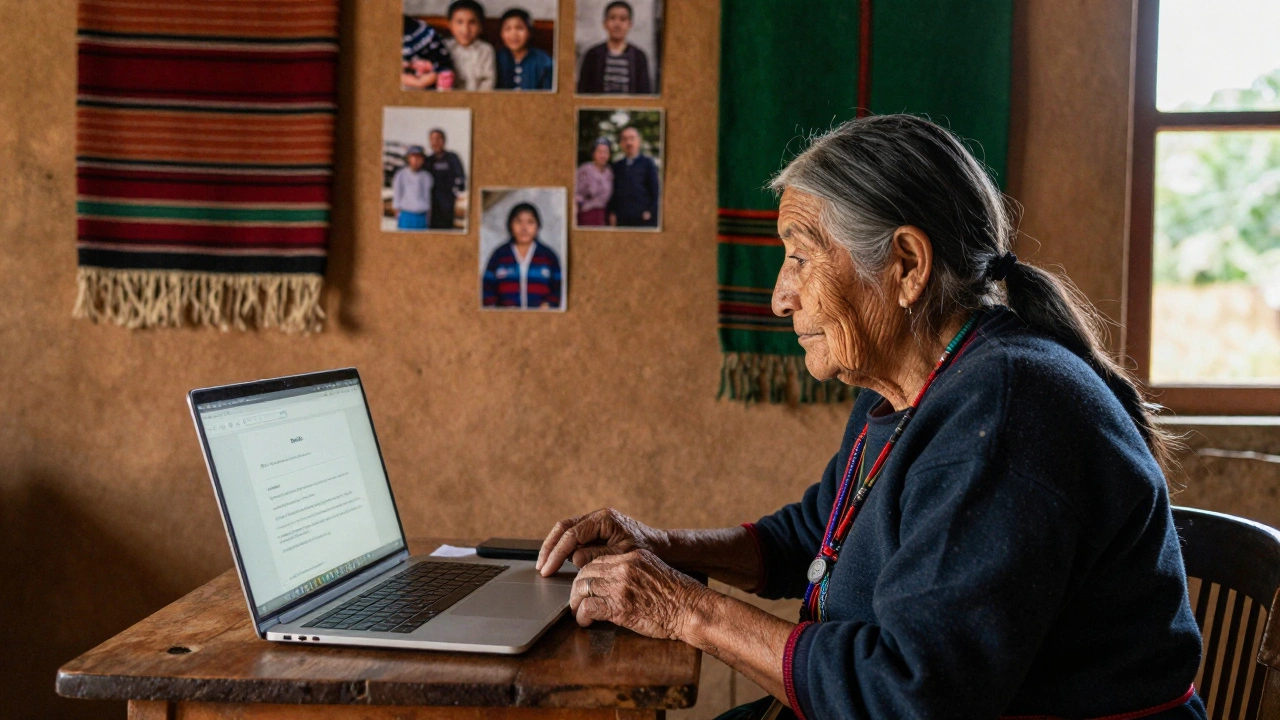
Supporting Underrepresented Languages on Wikipedia: Practical Steps for Editors
Explore practical methods for preserving underrepresented languages on Wikipedia through community building, technical fixes, and ethical curation.
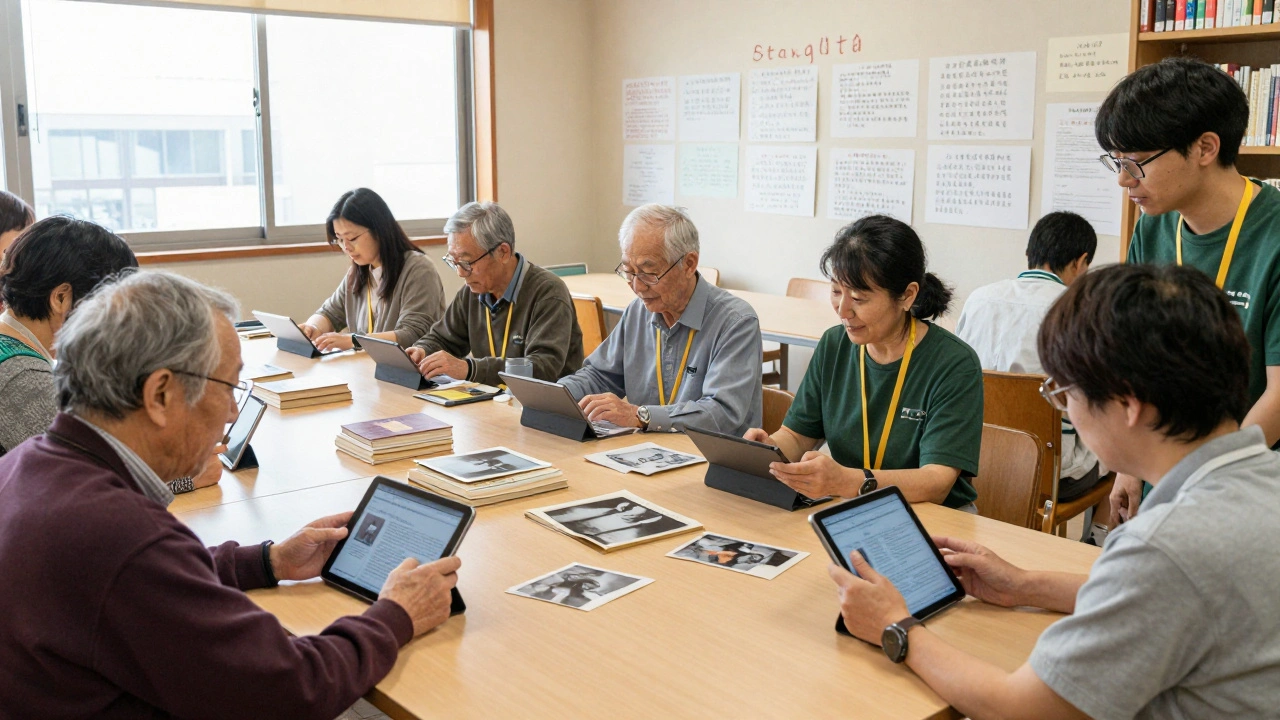
Wikipedia Birthday 2025 Celebrations and Community Activities
Wikipedia turned 24 in 2025 with global celebrations led by volunteers who edited, translated, and preserved knowledge. From Tokyo to Nairobi, communities came together to update underrepresented histories and expand access in local languages.
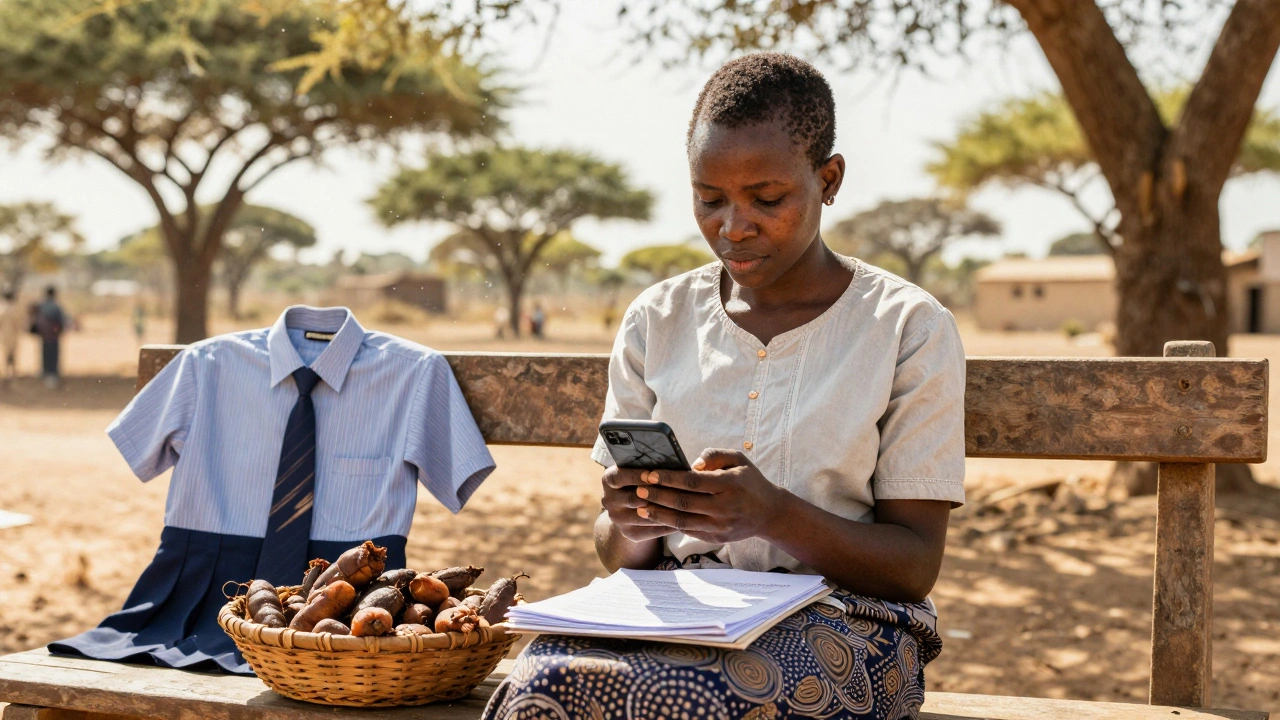
Global South Wikipedia Initiatives: Funding and Events
Wikipedia in the Global South is built by volunteers who fight to document local knowledge. Learn how funding and community events are expanding access to free knowledge in Africa, Latin America, and Asia.
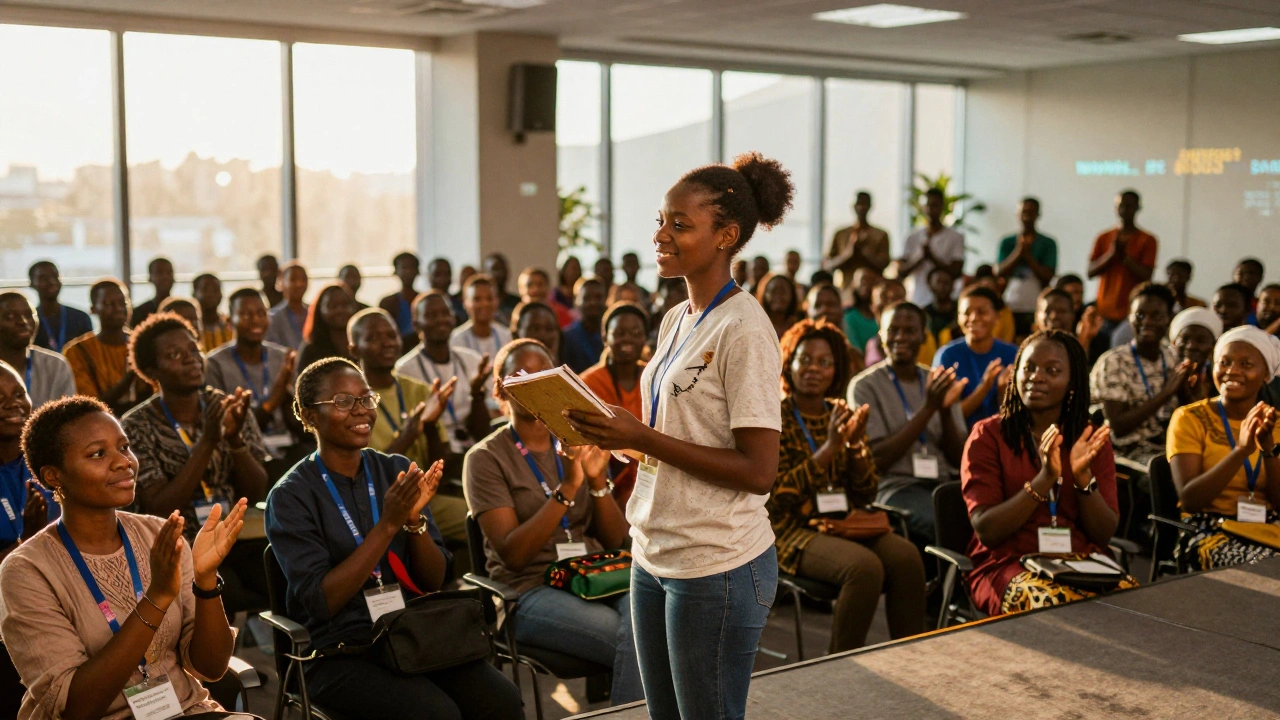
Wikimania 2025 Conference Coverage and Highlights
Wikimania 2025 brought together over 2,000 volunteers from 92 countries to shape the future of free knowledge. Highlights include new tools for editor safety, a $12M fund for underrepresented languages, and a firm stance against AI-generated content without human oversight.