Wikipedia is one of the most trusted sources of information online - but not everything you see on it is neutral. Some editors aren’t writing to help the public. They’re writing to promote a company, a product, or themselves. And if you’ve ever noticed a Wikipedia article that feels oddly glowing about a corporation, or suddenly filled with jargon that doesn’t belong, you might be looking at COI - conflict of interest - editing. Worse, it’s often done in secret. This is called undisclosed paid editing, and it breaks Wikipedia’s core rules. The good news? You don’t need to be an expert to spot it. You just need to know what to look for.
What Is Conflict of Interest (COI) Editing?
Conflict of interest editing happens when someone edits Wikipedia to serve their own interests instead of the public’s. It’s not always illegal. It’s not even always intentional. But it’s always against Wikipedia’s policies. A person who works for Apple, for example, might edit the Apple page to remove criticism or add praise. A public relations firm might quietly update a client’s biography to make them look more successful. A politician’s staffer might rewrite their own page to downplay scandals. These aren’t neutral edits. They’re biased edits. And Wikipedia’s guidelines say editors must be independent. If you have a personal, financial, or professional stake in the topic, you’re supposed to disclose it - or avoid editing altogether.
Wikipedia’s Conflict of Interest policy is clear: editors with a COI should not edit articles directly related to their interests. Instead, they’re encouraged to use the talk page to suggest changes. But many don’t. They slip in edits under fake usernames, use sock puppet accounts, or pretend to be regular volunteers. That’s where the real problem starts.
Undisclosed Paid Editing: The Hidden Problem
Undisclosed paid editing is COI editing done by people who are being paid to change Wikipedia content - but they never say so. This isn’t just unethical. It’s a violation of Wikipedia’s Paid Contribution Disclosure policy. The Wikimedia Foundation explicitly states that anyone paid to edit must reveal their employer, client, and compensation. Why? Because paid editors have a clear incentive to manipulate content. And when they hide that, they’re not just breaking rules - they’re eroding trust in the entire platform.
There’s been real damage. In 2013, a major scandal exposed a PR agency called Wiki-PR that was secretly editing Wikipedia articles for clients. They created hundreds of fake accounts, removed negative information, and inserted promotional language. Wikipedia administrators shut them down. But the practice didn’t disappear. Today, it’s still happening - quietly. Companies hire freelancers. Consultants offer "Wikipedia management" services. Even some nonprofits use paid editors to polish their pages. And most of the time, no one notices.
How to Spot COI and Undisclosed Paid Editing
You don’t need special tools to catch this. You just need to look closely. Here are the most common signs:
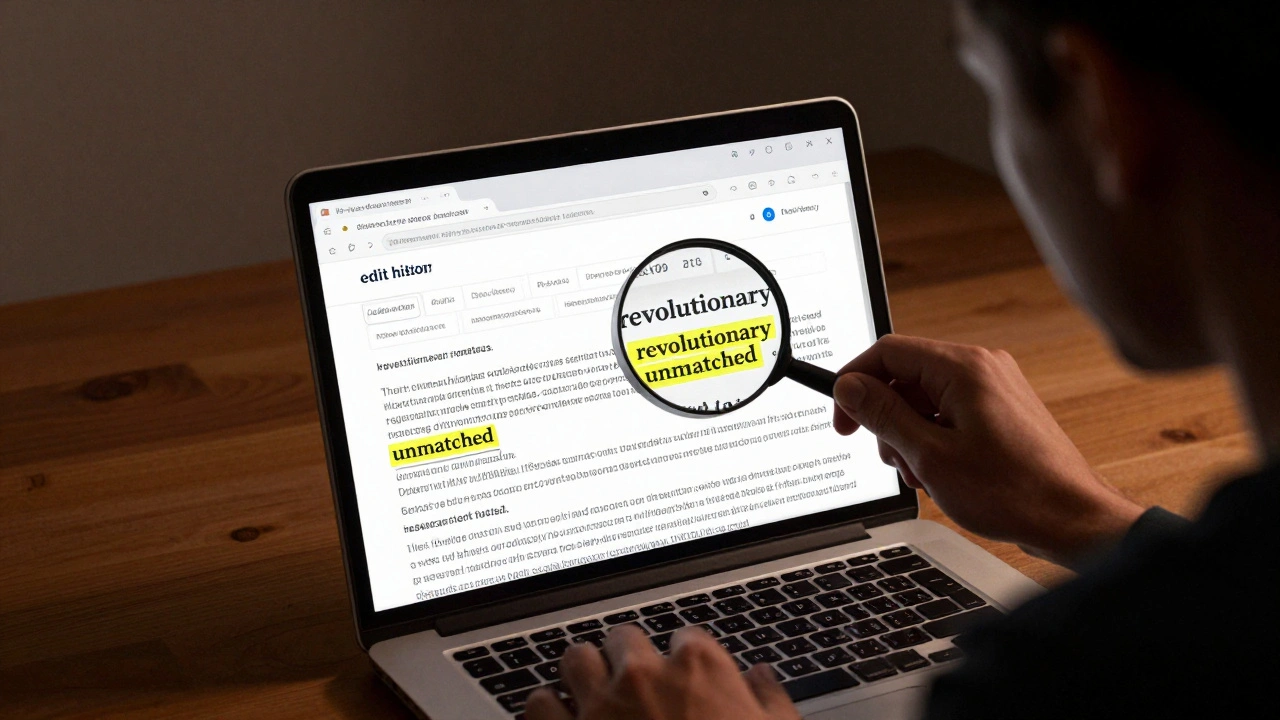
- Overly positive tone - The article reads like a press release. Words like "leading," "revolutionary," or "unmatched" appear without evidence.
- Sudden, unexplained changes - A well-balanced article suddenly loses all criticism. No edit summary. No discussion. Just a deletion.
- Repetitive edits from the same IP or account - Check the history. If the same user keeps reverting negative content or adding promotional links, that’s a red flag.
- Links to commercial sites - Does the article suddenly include a link to a company’s homepage, product page, or LinkedIn profile? That’s often a sign of self-promotion.
- Editing patterns match known paid editing firms - Some firms use the same templates, same phrasing, same timing. A quick search for "Wiki-PR" or "paid Wikipedia editors" will show you what to look for.
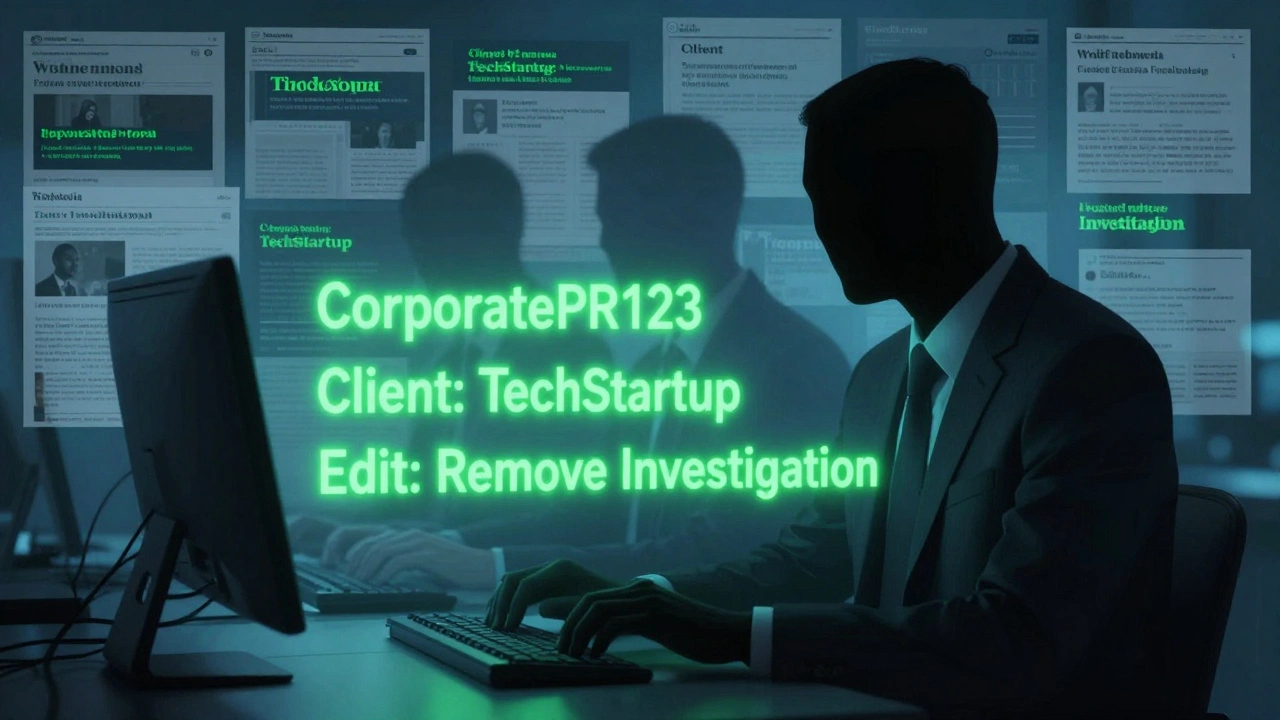
One real example: In 2022, an article about a small tech startup was edited 17 times in one week by a single user. The edits removed all mentions of a regulatory investigation and added a quote from a CEO that didn’t exist in any public source. The edit summary? "Clarifying facts." The truth? The user was later identified as a contractor hired by the company. The article was reverted, and the user was blocked.
How to Report Suspicious Edits
If you spot something suspicious, don’t just revert it. That’s not enough. You need to report it properly. Here’s how:
- Save the edit history - Click "View history" on the article. Take a screenshot or copy the revision IDs. You’ll need them.
- Check the user’s profile - Look at their edit history. Are they editing only articles related to one company? Are they using a username that sounds like a business name? That’s a clue.
- Use the talk page - Go to the article’s talk page and post a clear, factual comment. Example: "This edit removes critical information without justification. The user has edited 12 articles for [Company Name] in the past month. This may be undisclosed paid editing. Please review."
- File a report at WP:COI - Go to Wikipedia:Conflict of interest and use the reporting template. Include links to the edits, the user, and any evidence you found.
- Flag it at WP:SPI - If you suspect sock puppets or coordinated editing, report it at Wikipedia:Sockpuppet investigations. This triggers a formal check by administrators.
Don’t wait for someone else to act. Wikipedia relies on volunteers. If you don’t speak up, the biased content stays.
What Happens After You Report It?
Once you report, the process is transparent. Here’s what you can expect:
- Administrators review - Volunteers with admin rights examine the edits, check the user’s history, and look for patterns.
- Blocking or banning - If the edits are confirmed as undisclosed paid editing, the user is blocked. Sometimes permanently.
- Article protection - The article may be temporarily protected so only experienced editors can change it.
- Public notice - The incident is often documented on the article’s talk page or in the COI logs so others can learn from it.
It’s not a quick fix. It can take days or weeks. But it works. In 2024, over 3,000 reports of suspected COI editing were filed on English Wikipedia. Nearly 60% led to confirmed violations. That’s not a small number. It’s a system that works - when people use it.
Why This Matters Beyond Wikipedia
Wikipedia isn’t just a website. It’s a reference point for students, journalists, researchers, and even courts. When biased edits slip through, they affect real decisions. A student writing a paper might cite a manipulated article. A journalist might quote a distorted biography. A startup might get funding based on a fake Wikipedia reputation.
Every time you report a bad edit, you’re not just fixing a page. You’re protecting the integrity of public knowledge. And that’s something no algorithm can do.
What You Can Do Today
You don’t need to be a Wikipedia editor to help. Here are three simple things you can do right now:
- Look up any company or person you care about. Check their Wikipedia page. Does it feel balanced? Or does it read like marketing?
- If you see something off, take a screenshot. Use the history tool. Write a polite comment on the talk page.
- Share this with someone else. Tell a friend, a student, or a colleague. The more people who know how to spot this, the harder it is for bad actors to hide.
Wikipedia’s strength isn’t in its technology. It’s in its community. And that community only works if people care enough to act.
Is it illegal to edit Wikipedia for pay?
No, it’s not illegal. But it’s against Wikipedia’s rules if you don’t disclose it. Paid editing itself isn’t banned - disclosure is. If you’re paid to edit, you must publicly state who you work for and why. Failure to do so violates Wikipedia’s policies and can lead to account bans.
Can I edit Wikipedia if I work for the company I’m writing about?
You shouldn’t edit directly. Wikipedia’s policy says editors with a conflict of interest should avoid editing articles about their employer, client, or organization. Instead, use the article’s talk page to suggest changes. Provide reliable sources and let independent editors make the changes. This keeps the content neutral and trustworthy.
How do I know if an edit is from a paid editor?
Look for patterns: edits that only add praise, remove criticism, or insert commercial links. Check the user’s edit history - if they edit only articles related to one company or product, that’s a red flag. Also, look for generic usernames like "CorporatePR123" or edits that follow the same wording across multiple pages. These are common signs of paid editing.
What happens if someone gets caught doing undisclosed paid editing?
The user’s account is typically blocked, sometimes permanently. Their edits are reverted, and the article may be protected from further changes. The incident is often documented publicly on Wikipedia’s conflict of interest pages. In severe cases, the user’s IP address may be banned, and their edits may be flagged in future checks.
Can I report anonymous edits?
Yes. Even if the editor is anonymous (not logged in), you can still report them. Use the article’s history to find their IP address, then report it at Wikipedia:Conflict of interest or Wikipedia:Sockpuppet investigations. Administrators can investigate IP patterns and determine if the edits are part of a coordinated effort.