Wikipedia research: How studies shape the world's largest encyclopedia
When you look up a fact on Wikipedia, a free, collaborative encyclopedia built by volunteers and shaped by research-driven policies. Also known as the free encyclopedia, it doesn’t just collect information—it tests it, debates it, and rewrites it based on real-world evidence. This isn’t guesswork. Every edit, policy change, and community decision is backed by Wikipedia research, systematic studies on how knowledge is created, shared, and challenged online. These aren’t academic papers buried in journals—they’re live experiments happening right now, in real time, as editors fight misinformation, fix bias, and push back against AI systems that steal their work.
Behind every article is a chain of evidence. Reliable sources, books, peer-reviewed journals, and trusted news outlets that meet Wikipedia’s strict criteria are the foundation. But what counts as reliable? Research shows that secondary sources—like analysis and summaries—are preferred over raw data or firsthand accounts. That’s why journalists use Wikipedia not as a source, but as a map to the real ones. Meanwhile, AI ethics, the growing debate over whether machines should edit human knowledge is turning into one of the biggest threats to Wikipedia’s integrity. Studies reveal AI encyclopedias often cite sources that don’t actually support their claims. They miss context. They erase minority views. And they don’t care about copyright. Meanwhile, Wikipedia’s own research teams track how often articles are vandalized, who edits them, and why some topics—like Indigenous history or women’s achievements—still lag behind.
It’s not just about fixing errors. It’s about fixing power. Research on encyclopedia bias, how systemic gaps in representation shape what’s considered "common knowledge" led to task forces that now focus on adding missing voices. It’s why Wikidata exists—to make sure facts about a person in Swahili, Arabic, or Quechua all line up the same way. And it’s why the Wikimedia Foundation spends time on Wikimedia Enterprise, a service that sells Wikipedia data to corporations, sparking heated debates about who profits from free knowledge. These aren’t side issues. They’re core to whether Wikipedia stays trustworthy.
What you’ll find below isn’t just a list of articles. It’s a window into how real research—done by volunteers, journalists, and data scientists—keeps Wikipedia alive. From how copy editors clear 12,000 backlog articles to how AI is quietly rewriting history without permission, every post here answers one question: Who gets to decide what’s true? And how do we make sure they’re right?

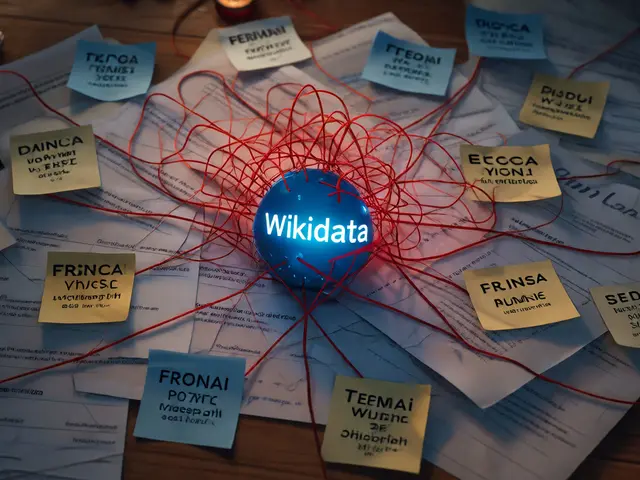
Knowledge Graphs and Wikidata in Wikipedia Research: A Practical Guide
Discover how Knowledge Graphs and Wikidata transform Wikipedia research. Learn to query structured data, avoid common pitfalls, and leverage linked data for precise, multilingual insights without coding.

Comparing Wikipedia with Other Encyclopedias: Research Approaches
Explore how Wikipedia compares to traditional encyclopedias like Britannica for research. Learn when to use each, how to evaluate bias, and master a workflow that turns Wikipedia into a powerful springboard for credible, verified scholarship.

Open Peer Review Platforms for Wikipedia-Related Research: A Guide
Discover the best open peer review platforms for publishing Wikipedia-related research. Learn how to choose between arXiv, SocArXiv, and niche journals to maximize impact.

Academic Studies About Wikipedia: A Comprehensive Index
Discover what academic studies reveal about Wikipedia's accuracy, bias, and community dynamics. From the famous Britannica comparison to modern analyses of edit wars, this overview indexes key research findings.

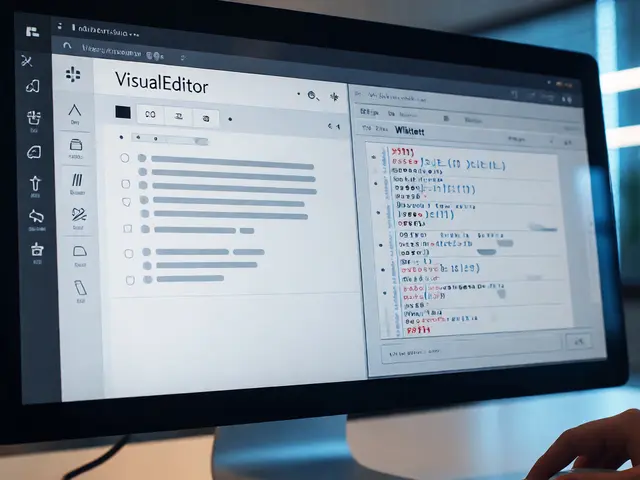
Wikipedia Research Newsletter: Recent Papers and Calls for Action
Explore the latest trends in Wikipedia research, including recent academic papers, open calls for community data, and how these findings shape the platform's future.

How Journalists Use Wikipedia for Background Research: Best Practices
Learn how journalists effectively use Wikipedia for background research without falling into common traps. Discover practical workflows, verification techniques, and best practices for turning this free encyclopedia into a reliable newsroom tool.

Wikipedia Editor Lifecycle: Churn and Retention Models
Explore how researchers model Wikipedia editor churn and retention. Learn about the lifecycle stages, key drivers of attrition, and machine learning techniques used to predict and prevent contributor loss.
Should Students Use Wikipedia for Research? Expert Perspectives
Explore whether students should use Wikipedia for research. Learn how experts recommend using it as a starting point to find credible sources, avoiding common pitfalls, and maintaining academic integrity.
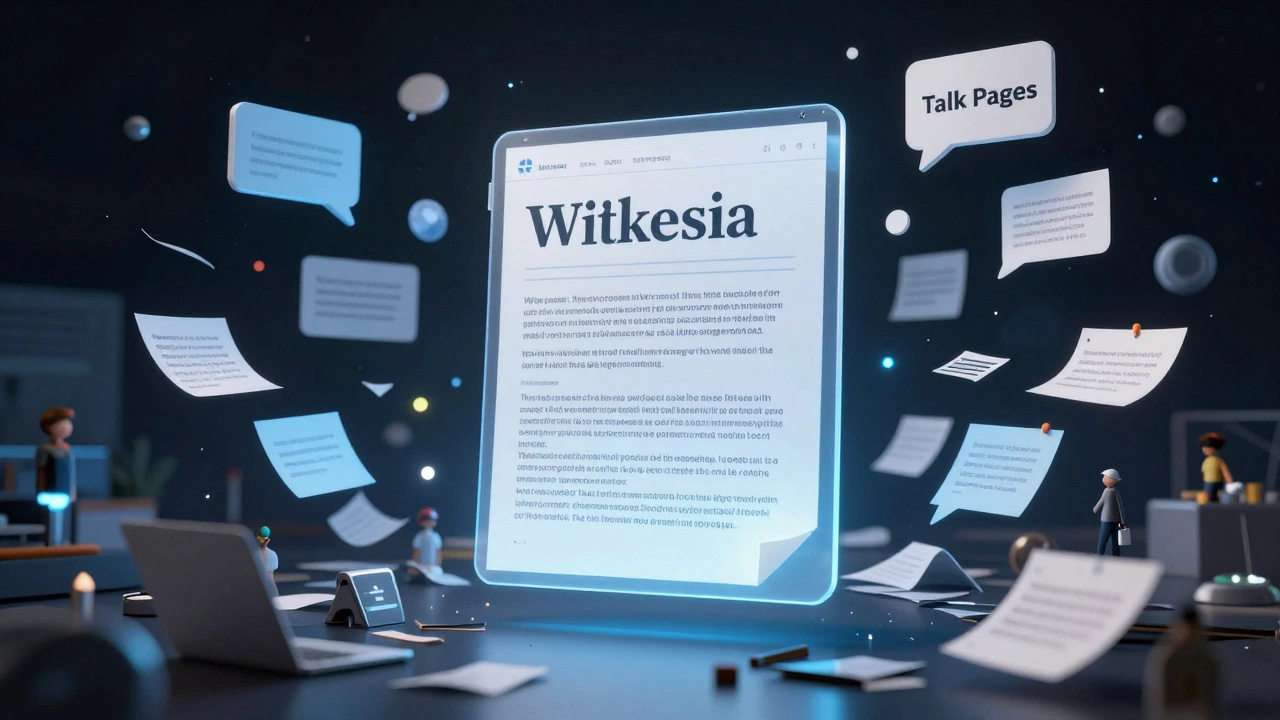
Analyzing Talk Page Deliberation Dynamics on Wikipedia
Explore the complex social dynamics of Wikipedia talk pages. Learn how to research community deliberation, consensus building, and digital governance patterns.

Interdisciplinary Approaches to Wikipedia Research Methods
Exploring how computer science, social science, and humanities converge to study Wikipedia. Learn methods for analyzing edit data, community dynamics, and ethical considerations in collaborative knowledge creation.

Open Data Practices: Sharing Wikipedia Research Datasets and Code
Learn how to responsibly share Wikipedia research datasets and code using open data practices. Discover tools, common mistakes, and real-world examples that make research reproducible and trustworthy.
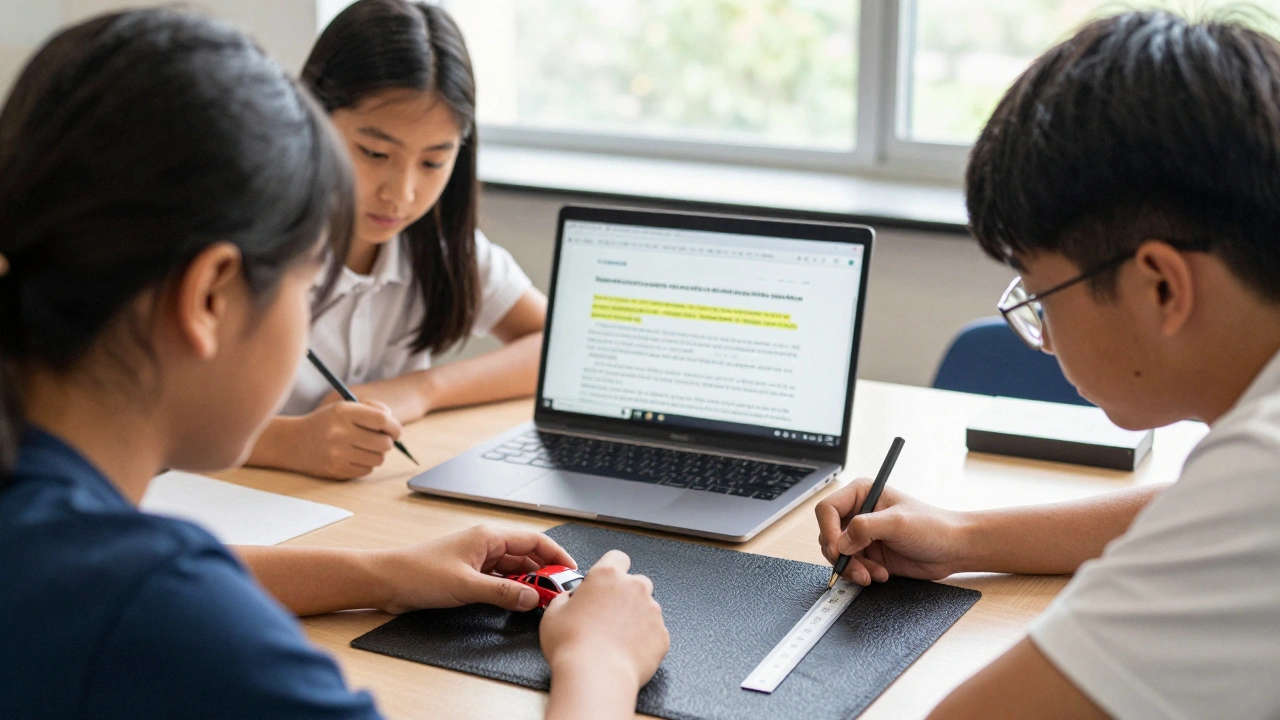
STEM Labs and Wikipedia: How to Use Published Research in Classroom Experiments
Learn how to use Wikipedia as a research gateway in STEM labs to find real scientific studies, avoid common mistakes, and turn students into critical thinkers. Practical, classroom-tested methods for teachers and students.