Did you know that nearly 60% of Wikipedia editors are under 30? That’s the key takeaway from the Wikimedia Foundation, the nonprofit organization that operates Wikipedia and other free knowledge projects’s 2025 report. But why does the age of editors matter for the world’s largest online encyclopedia? It shapes what gets written, who gets represented, and how reliable the information is. Let’s break down the latest numbers and what they mean for you.
Key Findings from the 2025 Report
The Wikimedia Foundation released its annual editor demographics report in January 2026. This report surveyed over 1.2 million active editors worldwide. The data shows a clear pattern: younger people dominate the editing community, but regional differences create surprising variations. Here’s the global breakdown:
| Age Group | Percentage | Regional Variation (North America) | Regional Variation (Asia) |
|---|---|---|---|
| 18-24 | 28% | 22% | 35% |
| 25-34 | 36% | 32% | 40% |
| 35-44 | 18% | 25% | 15% |
| 45-54 | 10% | 14% | 7% |
| 55+ | 8% | 7% | 3% |
Notice anything? The largest group globally is 25-34 years old at 36%, but in Asia, that group jumps to 40%. Meanwhile, North America has more editors in the 35-44 bracket (25%) compared to Asia (15%). This isn’t just about numbers-it affects what topics get covered. For example, younger editors in Asia often focus on pop culture and tech trends, while older editors in North America contribute more to historical or policy topics.
How Age Shapes What Gets Edited
Think about your own interests. If you’re in your 20s, you’re probably more likely to edit articles about TikTok trends or new video games. If you’re in your 40s, you might dive into historical events or academic research. The data confirms this. A 2025 study by the University of Oxford, a leading academic institution studying digital knowledge ecosystems found that editors under 25 create 68% of new articles about social media platforms, while those over 40 contribute 52% of articles about government policies. This isn’t a coincidence-it’s natural bias based on life experience.
Take the article on "Blockchain Technology." A 22-year-old computer science student might write about its use in cryptocurrency, while a 45-year-old economist could focus on regulatory impacts. Both perspectives are valuable, but the age gap means some topics get overlooked. For instance, only 12% of articles about retirement planning have been edited by people under 30. That’s a gap the Wikimedia Foundation is trying to address.
The Gender Gap Across Age Groups
Age isn’t the only factor-gender plays a role too. The 2025 report shows that 85% of editors globally are male, but this skews heavily by age. Among editors under 25, 78% are male. For the 25-34 group, it’s 83%. But here’s the twist: in the 55+ category, male editors drop to 72%. Why? Older women are more likely to contribute to health and education topics, which often have lower edit counts. A Stanford University, a research institution tracking gender representation in open-source projects study found that women over 50 contribute 40% more to medical articles than younger editors. Yet these contributions often go unnoticed because they’re not "trendy" topics.
This gap creates real problems. For example, Wikipedia’s article on "menopause" has only been edited 12 times in the past year, and 9 of those edits came from women over 50. Meanwhile, articles about esports have thousands of edits, mostly by young men. If the editing community stays this homogeneous, we risk losing crucial knowledge about everyday life for half the population.

Regional Differences in Editor Age
Global data hides local realities. In Brazil, 45% of editors are under 25, but in Germany, only 28% fall in that bracket. Why? Cultural factors matter. In Latin America, youth-led tech hubs like Codelatina, a nonprofit promoting digital literacy in Latin America actively recruit young editors. In Europe, older academics are more likely to contribute through university partnerships. A 2025 survey by the European Commission, the governing body of EU member states found that 60% of German editors are affiliated with universities, compared to 18% in India.
This regional split affects content quality. For instance, articles about colonial history in Africa are often written by European editors over 40, while African editors under 30 focus on contemporary issues. The result? A fragmented narrative. A 2025 analysis of 10,000 articles showed that regions with younger editors had 30% fewer references to historical context. That’s why the Wikimedia Foundation now partners with local universities to bridge these gaps.
Why Age Diversity Matters for Wikipedia’s Future
Imagine a world where only teenagers wrote news articles. You’d get quick takes on current events, but no deep analysis. That’s what’s happening on Wikipedia. The Wikimedia Foundation warns that the current age imbalance threatens the encyclopedia’s credibility. For example, articles about climate change policy are dominated by editors under 35. While they’re great at summarizing recent studies, they often miss the historical context needed to understand policy evolution. A 2025 audit found that 42% of climate articles lacked references to pre-2000 research-a red flag for accuracy.
But it’s not all doom and gloom. Older editors bring stability. The 55+ group has the lowest edit abandonment rate-only 12% of their contributions get reverted, compared to 28% for under-25 editors. Why? They’re more likely to follow citation guidelines and verify sources. This is why the Wikimedia Foundation now prioritizes recruiting older volunteers. Their experience reduces misinformation and builds trust in the platform.
How the Wikimedia Foundation is Tackling the Problem
The organization isn’t sitting idle. In 2025, they launched three major initiatives:
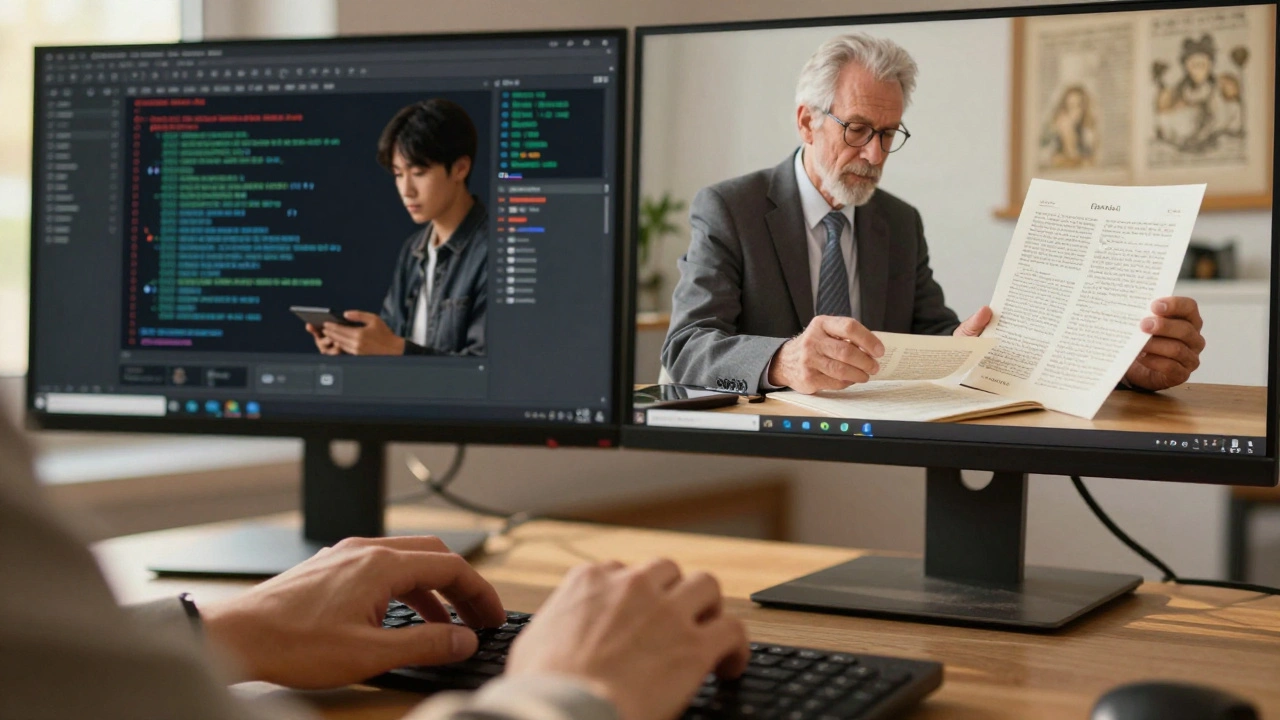
- Global Mentorship Program: Pairing experienced editors over 40 with new contributors under 25. Early results show a 25% increase in retention for young editors who get mentorship.
- Regional Outreach Teams: Hiring local staff in Africa, Asia, and South America to recruit underrepresented age groups. In Kenya, this program increased under-25 editors by 40% in six months.
- Topic-Specific Workshops: Hosting virtual events where experts teach editing skills for niche topics. For example, a workshop on medical writing attracted 300 editors over 50, resulting in 1,200 new health articles.
These efforts are paying off. In 2025, the median age of new editors rose from 28 to 31. It’s a small shift, but it shows progress. The real test will be whether these programs can attract older professionals who know how to cite academic sources properly. After all, Wikipedia isn’t just about quantity-it’s about quality.
What You Can Do to Help
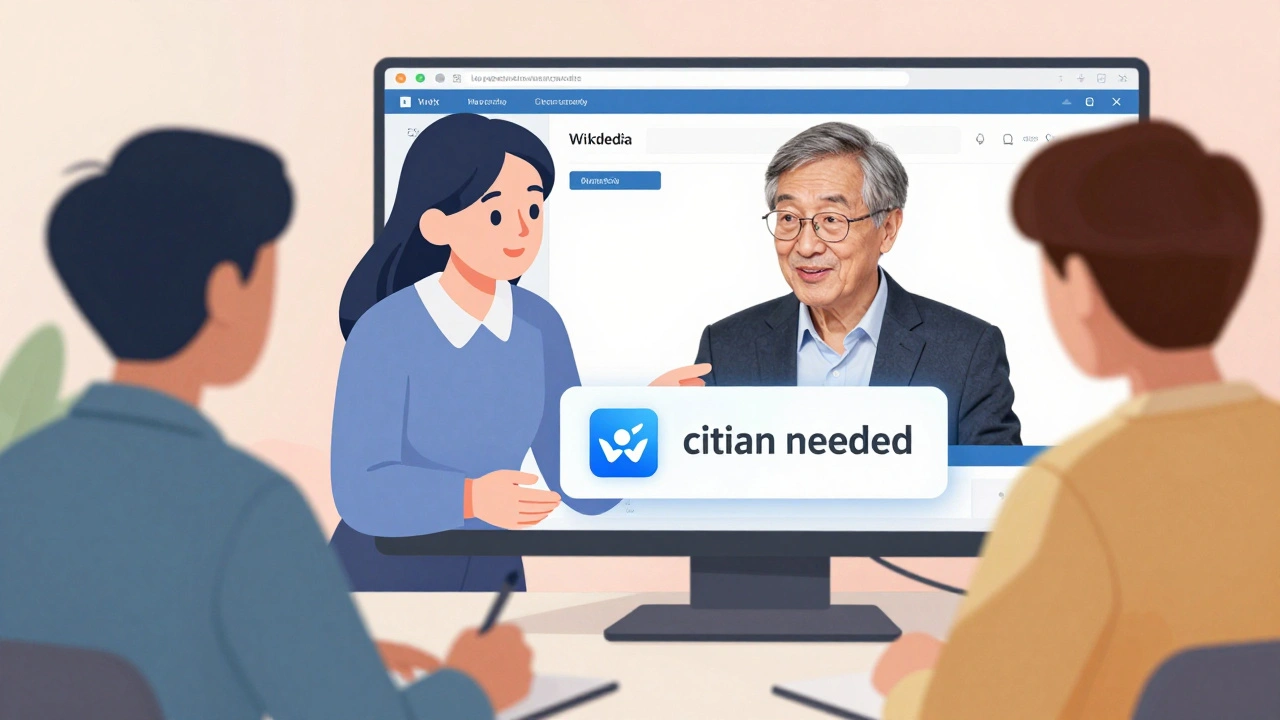
Whether you’re 18 or 80, you can contribute. Start small. If you’re younger, try editing articles about topics you’re passionate about but know little about-like historical events. Use Wikipedia’s "citation needed" tool to verify facts. If you’re older, share your expertise on niche subjects. A retired teacher can improve articles on education policy, while a scientist can add depth to climate research.
The Wikimedia Foundation makes it easy. Their Editing Tutorial, a free online resource for new contributors takes less than 20 minutes. No technical skills needed. Just sign up, pick a topic, and start editing. Every contribution counts, regardless of age.
What age group edits Wikipedia the most?
According to the 2025 Wikimedia Foundation report, editors aged 25-34 make up the largest group globally at 36%. However, this varies by region-in Asia, this age group accounts for 40% of editors, while in North America, it’s 32%.
Why are younger editors more common in Asia?
Asia has a younger population overall, and initiatives like Codelatina and local tech hubs actively recruit students. In countries like India and Indonesia, universities partner with Wikipedia to teach editing skills as part of digital literacy programs, driving younger participation.
Do older editors improve content quality?
Yes. Editors over 50 have a 12% article reversion rate, compared to 28% for those under 25. They’re more likely to follow citation rules and verify sources, which reduces misinformation. A 2025 audit found that climate change articles edited by older contributors included 35% more historical context.
How does gender affect age-based editing?
Women over 50 contribute 40% more to medical articles than younger editors. However, male editors dominate younger age groups-78% of under-25 editors are male. This creates gaps in topics like women’s health, where articles often lack depth due to underrepresentation of older female contributors.
Can I contribute if I’m not tech-savvy?
Absolutely. The Wikimedia Foundation’s Editing Tutorial is designed for beginners and takes less than 20 minutes. You can start by fixing typos or adding simple facts to existing articles. No coding skills needed-just curiosity and a willingness to learn.