Most students treat Wikipedia as a starting point. They type a topic, skim the first paragraph, copy a sentence, and move on. Teachers often ban it entirely, fearing it will kill research skills. But what if we flipped that script? What if we used Wikipedia not as a destination, but as a training ground for critical thinking and digital literacy? This guide shows you exactly how to incorporate Wikipedia into your syllabi without lowering academic standards.
Why Wikipedia Belongs in Your Syllabus
Wikipedia is the world's largest collaborative encyclopedia. It has over 6 million articles in English alone. The key isn't whether the content is perfect-it rarely is-but whether students can navigate its imperfections. By using Wikipedia, you teach them to verify claims, trace sources, and understand how knowledge is constructed in the digital age. You are no longer just teaching history or biology; you are teaching them how to be smart consumers of information.
The main goal here is to shift the student mindset from "find the answer" to "evaluate the answer." When a student reads a Wikipedia article, they should immediately ask: Who wrote this? What sources back up these claims? Is there a talk page where editors are arguing about a fact? These questions build the muscle memory needed for any serious research project.
Step-by-Step Implementation Plan
You don't need to overhaul your entire course. Start small. Here is a four-step process to integrate Wikipedia effectively.
- Select a Core Topic: Pick a subject that is well-covered on Wikipedia but also complex enough to have debate. For example, "Climate Change" or "The French Revolution." Avoid obscure topics with thin coverage.
- Assign a Comparative Read: Ask students to read the Wikipedia article and one peer-reviewed journal article or textbook chapter on the same topic. They must identify three points where the Wikipedia summary differs in tone, depth, or emphasis compared to the scholarly source.
- Analyze the Citations: Have students click through at least five citations in the Wikipedia article. They need to determine if the cited source actually supports the claim made in the text. This teaches them to spot weak sourcing.
- Contribute (Optional): For advanced classes, allow students to make a minor edit to a Wikipedia article, such as adding a citation or fixing a grammar error. This demystifies the platform and shows that knowledge is dynamic.

Teaching Source Evaluation Skills
The biggest risk of using Wikipedia is that students stop looking elsewhere. To prevent this, you must explicitly teach the difference between a tertiary source (like Wikipedia) and a primary or secondary source. A tertiary source summarizes other sources. It is useful for getting an overview, but it is not the final word.
Create a simple checklist for your students. Before they cite anything from Wikipedia, they should verify:
- Does the article have a stable reference list?
- Are the references recent (within the last 5-10 years for fast-moving fields)?
- Is there a consensus among editors, or is the article marked as "disputed"?
- Can they find the original source behind the claim?
This checklist turns Wikipedia from a black box into a transparent tool. Students learn that an encyclopedia entry is only as good as its bibliography.
Common Pitfalls to Avoid
Don't use Wikipedia as the sole source for grades. If a student cites only Wikipedia for a major paper, grade it down. Instead, require that Wikipedia be used only for background context, with all substantive arguments backed by primary or secondary sources.
Avoid topics that are highly controversial without clear scientific consensus. While debate is good for learning, constant arguments on the Talk Page can confuse beginners. Stick to topics where the basic facts are agreed upon, even if interpretations vary.
Finally, don't ignore the technical side. Teach students how to use the "History" tab. Seeing who edited a page and when helps them understand that knowledge is a process, not a product. It shows that errors happen and get fixed, which is a valuable lesson in resilience and accuracy.
Assessment Strategies That Work
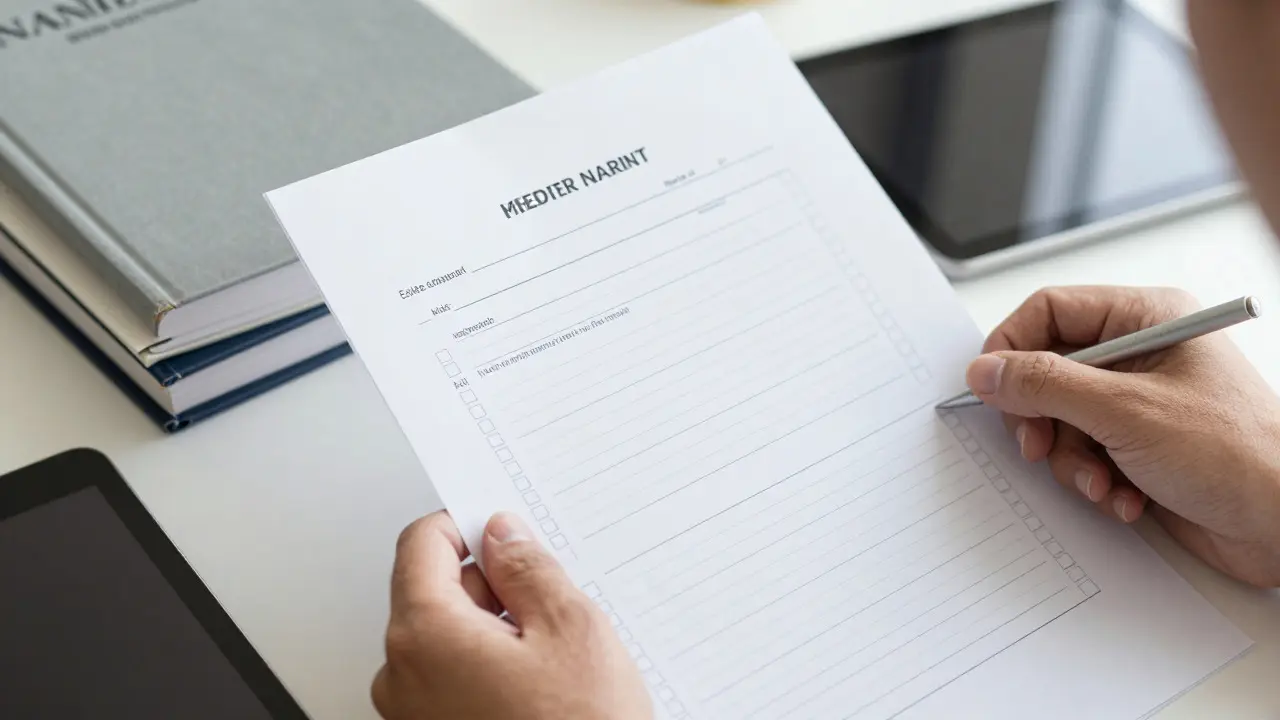
How do you grade this? Don't just look at the final essay. Assess the process. Give partial credit for the source evaluation worksheet. Did they correctly identify a weak citation? Did they explain why a textbook source was more authoritative than the wiki entry? These analytical skills are worth grading independently of their writing ability.
Consider a rubric that includes:
- Accuracy: Did they correctly summarize the Wikipedia content?
- Critical Analysis: Did they identify biases or gaps in the Wikipedia article?
- Synthesis: Did they successfully merge the wiki overview with deeper scholarly research?
This approach rewards effort in thinking, not just typing. It aligns perfectly with modern educational goals that prioritize analytical skills over rote memorization.
| Source Type | Best For | Limits | Student Action |
|---|---|---|---|
| Wikipedia | Background overview, terminology definitions | Variable quality, tertiary nature | Verify citations, check history |
| Peer-Reviewed Journals | In-depth analysis, current research | Complex language, paywalls | Read abstracts, find full text via library |
| Textbooks | Structured foundational knowledge | May lag behind latest discoveries | Compare chapters with current news |
Frequently Asked Questions
Is it okay to let students cite Wikipedia in their papers?
Generally, no, unless specified. Wikipedia is a tertiary source. It is best used for finding leads and understanding basic concepts. Students should track down the primary or secondary sources cited within the Wikipedia article and cite those instead. If you allow direct citation, limit it to defining specific terms or historical dates that are uncontested.
How do I handle students who say Wikipedia is "always right"?
Challenge them with a specific example. Find a Wikipedia article where a fact was recently changed or disputed. Show them the edit history. Explain that because anyone can edit, the article reflects the consensus of editors at that moment, not absolute truth. This visual proof usually shifts their perspective quickly.
What subjects work best for this method?
Subjects with rich digital footprints work best. History, Science, Geography, and Biography are ideal. Arts and Literature can work too, but ensure the Wikipedia articles are substantial. Avoid very niche local topics where coverage might be sparse or biased toward a single viewpoint.
Do I need to teach students how to edit Wikipedia?
It is optional but highly recommended for upper-level courses. Editing teaches accountability. When students add a citation, they learn how to format references properly. It also gives them a sense of ownership over public knowledge. Keep edits simple: fix typos, add links, or insert a citation for an existing claim.
How does this fit into a standard semester schedule?
Integrate it into an existing research assignment rather than creating a new one. Dedicate one 15-minute class session to demonstrating the "Citation Check" exercise. Then, assign the comparative reading as homework. This adds minimal time burden while significantly boosting the critical thinking component of your course.