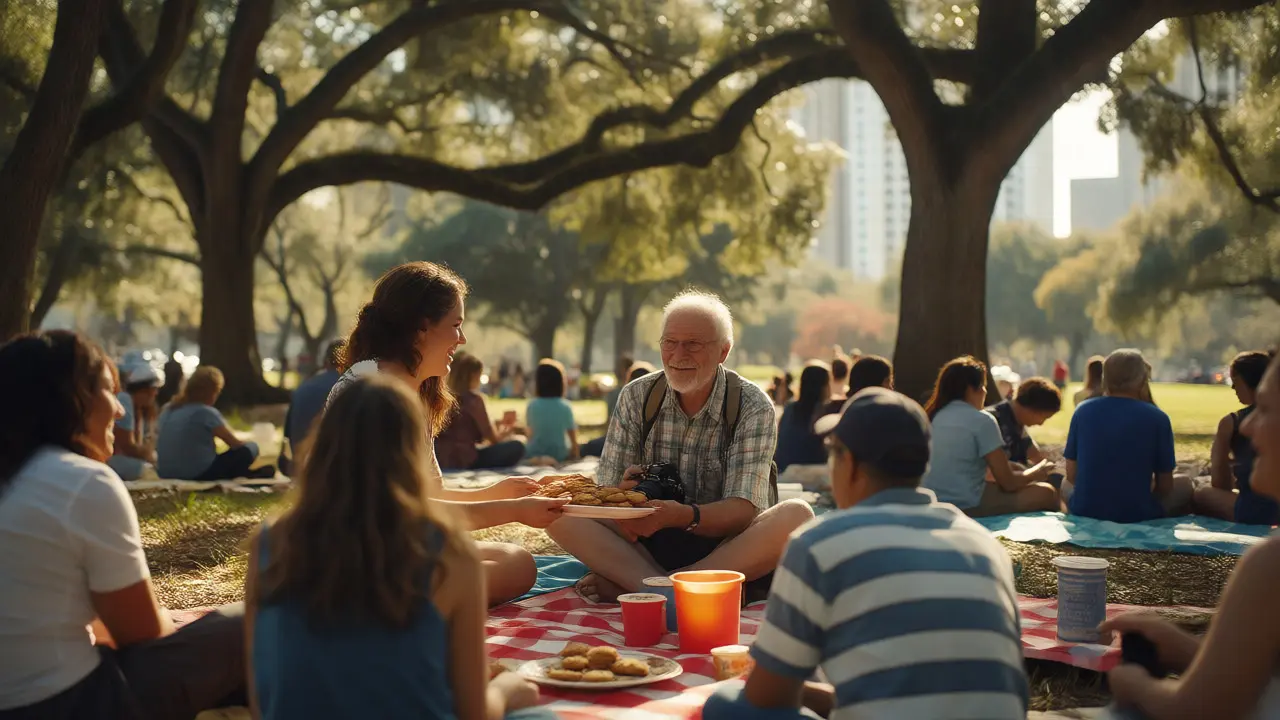
You probably know Wikipedia as the website you check when you need a quick fact. But did you know it’s also a global network of humans who meet up, eat snacks, and argue about citations? That’s where Wiknic comes in.
If you’ve been wondering what all the fuss is about with these "meetups" or if you’re just looking for a low-stakes way to get involved in the open knowledge movement, this guide breaks down exactly what Wiknics are, why regional announcements matter, and how you can find your people.
What Exactly Is a Wiknic?
A Wiknic is a casual outdoor gathering organized by local Wikimedia community members. Unlike formal conferences like Wikimania, which require travel budgets and heavy planning, a Wiknic is designed to be accessible. Think potluck vibes, not keynote speeches.
The core idea is simple: bring food, bring friends (or make new ones), and talk about shared interests. These events often happen in parks, backyards, or public squares. They serve as an entry point for newcomers who might feel intimidated by editing rules or technical jargon. You don’t need to be an expert editor to show up; you just need curiosity.
| Event Type | Formality Level | Typical Cost | Main Goal |
|---|---|---|---|
| Wiknic | Very Low | Free / Potluck | Social bonding, onboarding |
| WikiCamp | Medium | Low (venue fees) | Workshops, skill-sharing |
| Wikimania | High | High (travel + ticket) | Global strategy, networking |
Why Regional Announcements Matter
You might ask, "Why do I care about a meetup happening three cities over?" Because the health of Regional Wikipedia Chapters depends on visibility. When a chapter announces an event, it signals activity. It tells potential volunteers that there is a living, breathing community nearby.
For organizers, these announcements are crucial for momentum. A well-timed post on social media or a local forum can double attendance. For participants, it’s about finding relevance. If you live in a region with active chapters, you have access to resources-like edit-a-thons focused on local history or culture-that aren’t available globally.
Consider the difference between reading about Open Knowledge online versus hearing a local historian explain why a specific street name matters to their town. The latter sticks. Regional meetups bridge the gap between abstract digital content and tangible local identity.
How to Find Upcoming Events Near You
Finding a Wiknic isn’t always intuitive. There isn’t one central calendar that pops up when you search "fun things to do." Here is the most effective workflow:
- Check Local Chapter Pages: Search for "[Your City] Wikimedia Chapter." Most chapters maintain a "Events" or "News" section on their official site.
- Follow Social Media Handles: Look for tags like #Wikimedia, #WikiMeetup, or #[CityName]Wiki on platforms like Mastodon, Bluesky, or Twitter/X. Organizers often drop last-minute invites here.
- Mailing Lists: Many regions use email listservs. Signing up for a regional list (e.g., "UK Wikipedians") ensures you get announcements directly.
- Community Portals: On Wikipedia itself, look for the "Community Portal" page for your language version. This is often where grassroots organizing happens.
Pro tip: If you don’t see any upcoming events, don’t assume nothing is happening. Sometimes announcements lag behind reality. Reach out to the contact listed on the chapter page. Asking "Are there any informal meetups planned?" can sometimes spark a new initiative.
What Actually Happens at a Wiknic?
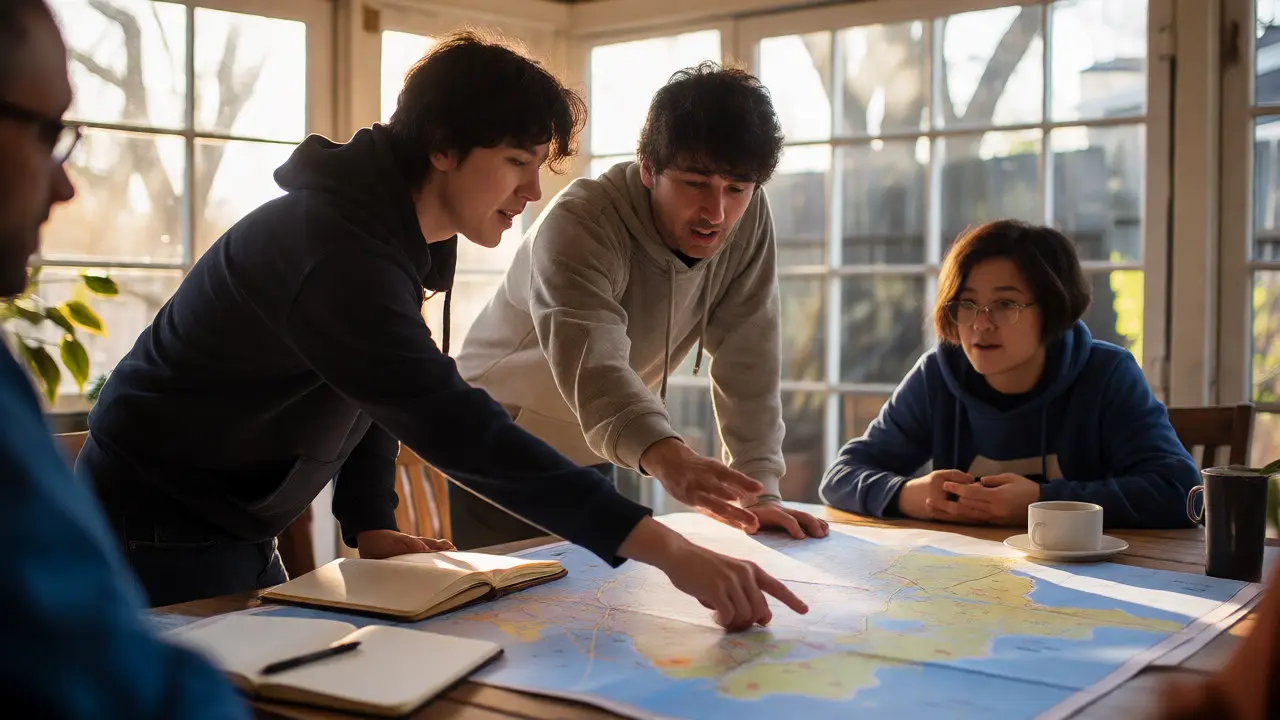
If you’re nervous about showing up to a room full of strangers, relax. The agenda is usually loose. Here is a typical flow based on recent events:
- Welcome & Snacks: People arrive, grab a plate, and chat informally. This is where 50% of the value happens. You learn who does what-someone might fix broken links, another person might upload photos of local monuments.
- Light Updates: An organizer might share news about a grant they received or a successful campaign. Keep it brief. Nobody wants a lecture while eating potato salad.
- Group Activity (Optional): Sometimes there’s a collaborative task, like reviewing a batch of images for copyright issues or brainstorming articles for missing local biographies.
- Open Discussion: The rest of the time is free-form. Topics range from tech tools to philosophical debates about neutrality.
The key takeaway? No pressure. You can sit in the corner, listen, and leave after an hour. Or you can stay until sunset. Both are valid ways to participate.
Benefits of Attending Beyond Editing
You don’t have to contribute code or text to gain value. Attending these meetups offers distinct advantages for different types of people:
- For Students: Great place to find mentors for research projects or internships. Many professionals in tech and academia attend these events.
- For Photographers: Learn about Wikimedia Commons best practices. Get feedback on your uploads before they get deleted for poor quality.
- For Activists: Understand how to leverage Wikipedia’s visibility to amplify causes. See how other groups successfully added diverse perspectives to articles.
- For Curious Minds: Just enjoy the company of people who love learning. It’s rare to find a group so dedicated to accuracy and collaboration.
One unexpected benefit is career networking. While it’s not a job fair, many attendees work in libraries, museums, IT, or education. Casual conversations often lead to collaborations that wouldn’t happen in a corporate setting.

Overcoming Common Hesitations
"I’m not good enough," is the most common reason people skip these events. Let’s debunk that myth right now. Wikipedia thrives on diversity of skill sets. We need coders, yes, but we also need proofreaders, translators, designers, and people who simply know how to navigate bureaucracy.
Another fear is social anxiety. Remember, these communities are generally welcoming because they rely on volunteer energy. Organizers are desperate for new faces. Showing up is already half the battle. If you want to ease in, bring a friend. Two heads are better than one, especially when deciding whether a source is reliable.
Finally, consider the timing. Weekends are popular, but weekday evenings can offer more focused discussion. Try both formats to see which fits your schedule and personality better.
Frequently Asked Questions
Do I need to be an experienced Wikipedia editor to attend a Wiknic?
Absolutely not. Wiknics are specifically designed to be inclusive of beginners. Many attendees are first-time visitors who have never edited an article. The focus is on community building and casual conversation, not rigorous editorial standards.
Is there a cost to attend these regional meetups?
Most Wiknics are free. Since they are often held in public parks or private homes, there are no venue fees. However, some larger regional meetups in rented halls might ask for a small contribution to cover utilities or refreshments. Always check the event description for details.
What should I bring to a Wiknic?
The standard rule is "bring something to share." This could be a dish of food, drinks, or even just good conversation. If the event is indoors, bringing a laptop can be useful if you want to demonstrate an edit or browse pages together, but it’s rarely required.
How do I find out if my city has a Wikipedia chapter?
Visit the main Wikimedia Foundation website and look for the "Movement Affiliates" map. You can filter by country or region. Alternatively, searching "[Your Country] Wikimedia User Group" often reveals informal collectives that operate without formal legal status but still host regular events.
Can I organize a meetup if there isn’t one near me?
Yes! The Wikimedia community encourages self-organization. You don’t need permission to gather friends who are interested in open knowledge. Start small-maybe a coffee shop meetup-and announce it on local forums. If interest grows, you can reach out to regional coordinators for support or promotional help.