When most people think of Wikipedia is a free, web-based collaborative project that aims to compile and summarize knowledge from all over the world, they picture the English version. It is the largest, with over six million articles. But behind the scenes, a quieter revolution is happening in other languages. The non-English editions are not just translations; they are distinct cultural archives with unique strengths, massive contributor bases, and specific achievements that define how global knowledge is preserved.
The Scale of Multilingual Collaboration
To understand the impact of these projects, you have to look at the numbers. As of mid-2026, there are more than 340 active language versions of the platform. While English leads in raw article count, the German, French, and Spanish editions often outperform it in terms of editor retention and quality metrics. This isn't about size for its own sake. It’s about ensuring that knowledge isn’t filtered through an Anglo-centric lens. When a historian in Brazil writes about local indigenous groups, the context is richer and more accurate than if it were translated from an English source that might lack that nuance.
The infrastructure supporting this is robust. The MediaWiki software powers all these sites, allowing seamless cross-linking. If you read an article on the Japanese edition about a specific type of sushi, you can jump directly to the related term on the Korean or Chinese edition. This creates a semantic web of knowledge that transcends borders. For researchers, this means faster access to primary sources in their original languages, reducing reliance on secondary English summaries that might be outdated or biased.
Key Editions and Their Unique Strengths
Each major language edition has carved out a niche where it excels. These aren't just mirrors of the English site; they are independent communities with their own policies, notable lists, and editorial standards.
- German Wikipedia (de.wikipedia.org): Often cited as the gold standard for factual accuracy and structure. German editors tend to follow strict citation rules, making it a go-to resource for technical and scientific topics. The article depth on engineering and automotive history is unmatched elsewhere.
- French Wikipedia (fr.wikipedia.org): Known for its rigorous neutrality and high-quality prose. It is particularly strong in literature, philosophy, and European history. The community places a heavy emphasis on style guides, resulting in very readable entries.
- Japanese Wikipedia (ja.wikipedia.org): The leader in Asian regional coverage. It provides detailed information on Japanese pop culture, history, and geography that is often missing or superficial in Western editions. It also serves as a hub for understanding East Asian interconnections.
- Spanish Wikipedia (es.wikipedia.org): With a vast user base across Latin America and Spain, it offers unparalleled coverage of Latin American politics, music, and social movements. It captures the diversity of the Spanish-speaking world better than any other single language site.
- Swedish Wikipedia (sv.wikipedia.org): Despite having fewer speakers than the giants above, it punches above its weight in terms of per-capita contribution. It is known for concise, well-sourced articles and strong coverage of Nordic history and science.
| Edition | Approximate Articles (2026) | Strongest Domain | Editorial Style |
|---|---|---|---|
| German | ~2.9 Million | Engineering, Science | Rigorous, Highly Cited |
| French | ~2.5 Million | Literature, Philosophy | Neutral, Stylish |
| Japanese | ~1.7 Million | Asian History, Pop Culture | Detailed, Context-Rich |
| Spanish | ~1.9 Million | Latin American Politics | Inclusive, Broad |
| Swedish | ~0.6 Million | Nordic Studies | Concise, Fact-Based |
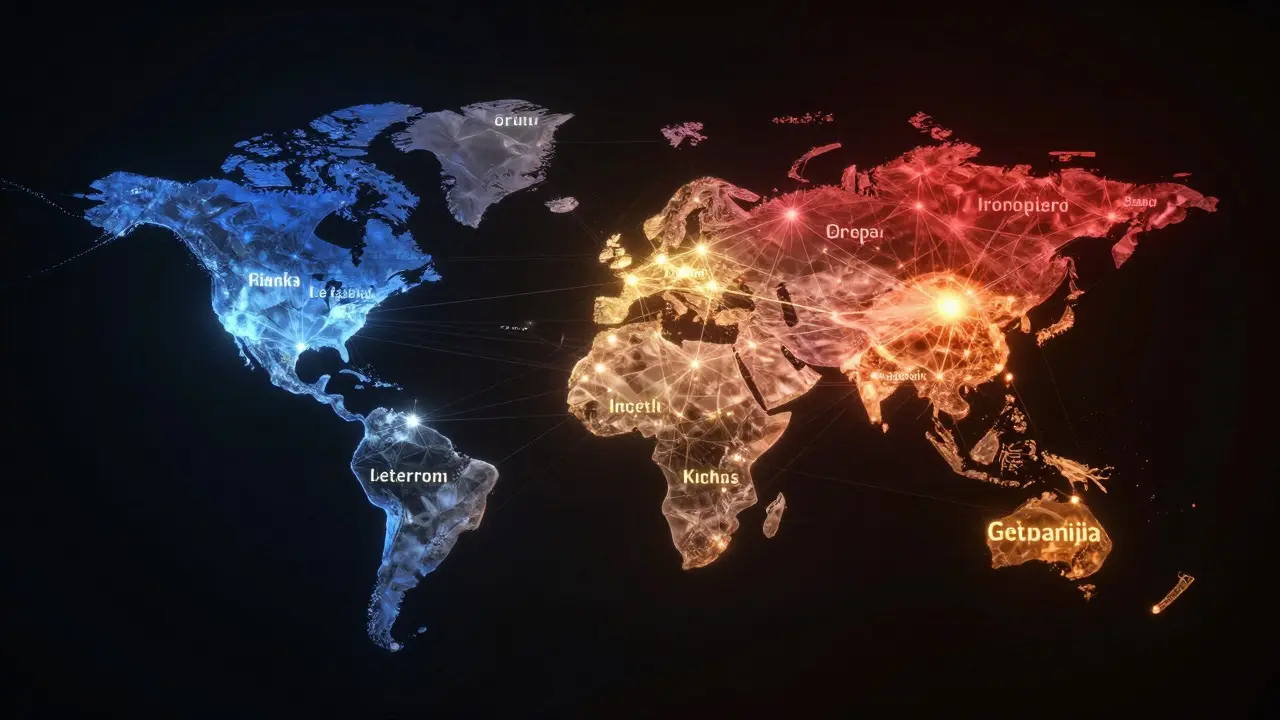
Why Local Knowledge Matters
You might wonder why we need separate sites if translation tools exist. The answer lies in cultural specificity. A topic like "Carnival" means something very different in Rio de Janeiro, Venice, and New Orleans. The English Wikipedia tries to cover all three, but it often defaults to the most globally recognized version. The Portuguese and Italian editions, however, dive deep into the local rituals, historical origins, and social significance that matter to locals. This is where the true value of non-English Wikipedias shines: they preserve the local voice.
Consider the coverage of indigenous languages. The Quechua and Guarani editions may have smaller article counts, but they document vocabulary, grammar, and cultural practices that are underrepresented in major Western languages. By contributing to these sites, you help prevent the erosion of linguistic heritage. It’s a form of digital preservation that goes beyond simple text storage.
Challenges and Opportunities
Despite their successes, these editions face hurdles. One major issue is the "translation gap." Many articles are auto-translated or poorly sourced, leading to inconsistencies. To fix this, many communities now prioritize "original content"-articles written natively rather than copied from English. This shift improves quality but requires more effort from native speakers.
Another challenge is maintaining neutrality in politically charged topics. In regions with complex histories, such as the Balkans or South Asia, local editors sometimes struggle with bias. However, the open nature of the platform allows for constant debate and correction. Over time, the consensus tends to align with international academic standards, even if the path is rocky.
For users, the opportunity is clear: don’t limit your research to one language. If you’re studying a topic, check the local edition first. You’ll often find more nuanced details, better citations, and a perspective that feels less distant. It’s a skill that enhances critical thinking and broadens your worldview.

How to Engage with Non-English Editions
If you want to explore these resources, here’s how to get started:
- Use Language Switchers: On any Wikipedia page, look for the list of languages on the left sidebar. Click on the flag or name of the language you want to visit. This takes you to the equivalent article in that language.
- Check for Interlanguage Links: Not every article exists in every language. If the link is grayed out, the article doesn’t exist yet. This is a great opportunity to contribute if you speak that language.
- Read the Talk Pages: Before trusting an article, glance at the talk page. It shows recent debates and corrections. Active discussions usually indicate a healthy, well-maintained entry.
- Look for Featured Articles: Each language edition has a list of "Featured Articles" (or similar titles). These are the highest-quality pieces on the site. Start here to gauge the standard of the community.
The Future of Global Knowledge Sharing
As AI translation tools improve, the barrier between languages will lower further. But human curation remains irreplaceable. The non-English Wikipedias serve as a reminder that knowledge is local before it becomes global. They ensure that the stories of billions of people are told in their own words, not just as footnotes in an English narrative. Whether you’re a student, researcher, or curious reader, tapping into these diverse sources makes you a more informed citizen of the world.
Is the German Wikipedia more accurate than the English one?
It depends on the topic. German Wikipedia is generally stricter about citations and structure, which reduces errors in technical fields. However, English Wikipedia has more contributors, which helps correct mistakes quickly. For scientific and engineering topics, German is often preferred; for current events and pop culture, English may be more up-to-date.
Can I trust articles in smaller language editions?
Yes, but with caution. Smaller editions have fewer editors, so errors might stay longer. Always check the references and look for recent edits. If an article has no citations, treat it as a starting point, not a final answer. Cross-referencing with other reliable sources is always wise.
What is the best way to find the same article in another language?
Use the interlanguage links on the side of the article. These are automatically generated based on shared categories and tags. If the direct link isn't available, try searching for the key terms in the target language using the search bar on that specific Wikipedia site.
Do non-English Wikipedias have different rules for notability?
Yes. What is considered "notable" varies by culture. A local politician might be a major figure in the Spanish Wikipedia but unknown in the English one. Similarly, a minor literary work might have a full article in the French edition but only a mention in English. This reflects local values and interests.
Should I learn a second language to use these Wikipedias effectively?
You don’t need fluency to benefit. Basic reading skills allow you to grasp key facts. For deeper understanding, use browser translation tools, but verify critical information. Learning even basic phrases in a second language can significantly expand your access to global knowledge.