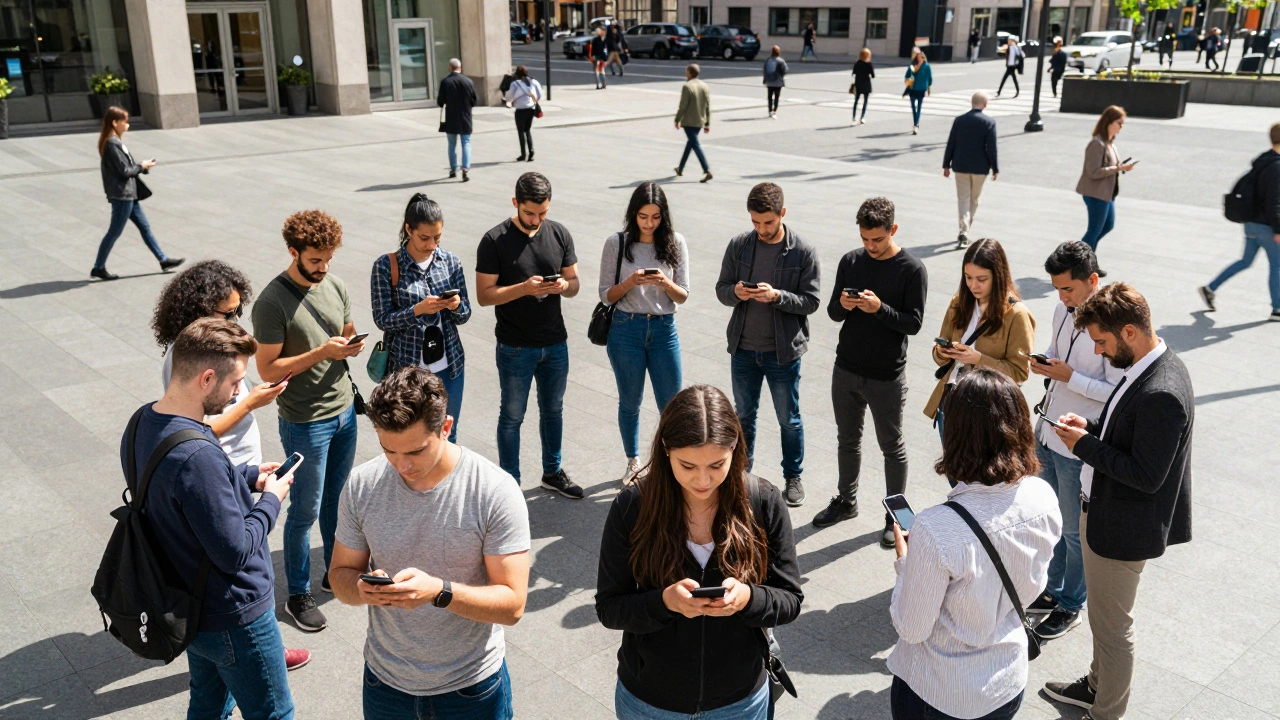
Imagine you are standing in the middle of a city square when an unexpected event happens. Maybe it is a sudden power outage, a famous person visiting for lunch, or a minor accident that blocks the main road. Within minutes, hundreds of people pull out their phones. They do not call each other first. They go to Wikipedia is the free, web-based encyclopedia that anyone can edit. This behavior reveals a fascinating truth about how we consume information. We do not just look up facts; we look for context in real-time.
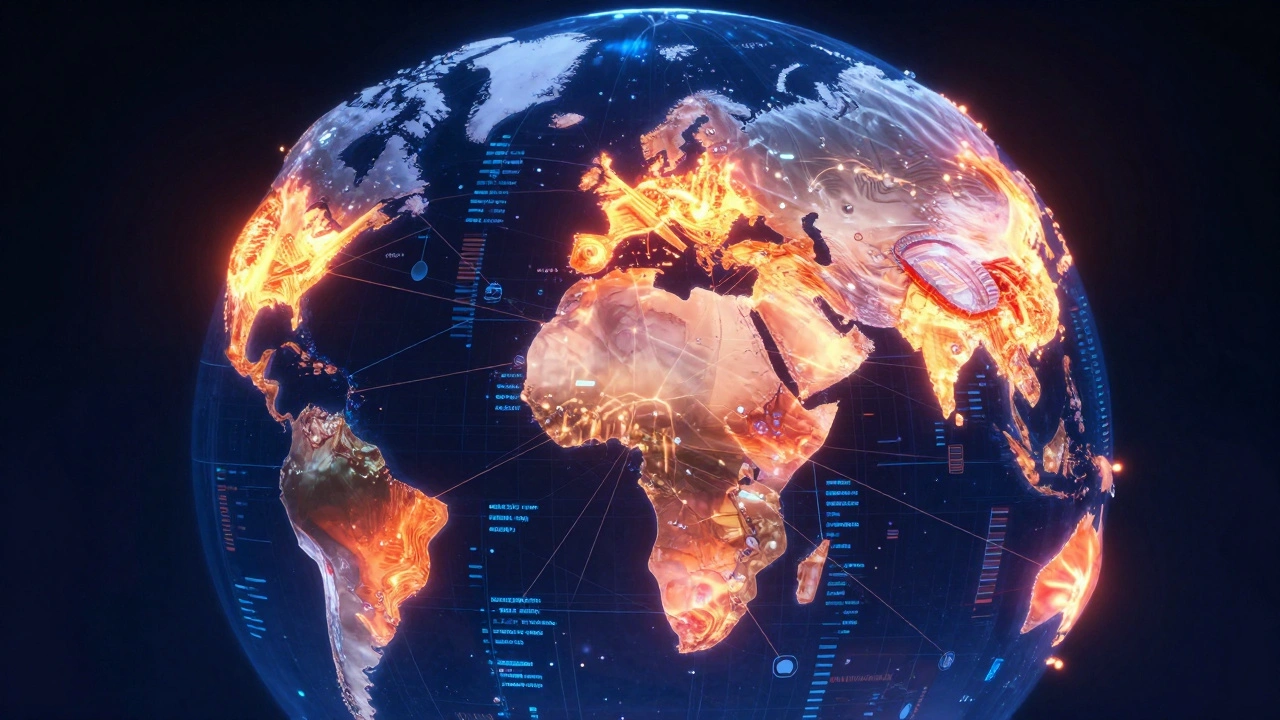
This phenomenon creates distinct regional traffic patterns on the platform. These patterns show us exactly where people are, what they care about, and how quickly they react to their immediate surroundings. It turns out that geography is not just a static map of borders and rivers. It is a dynamic force that shapes digital attention. When you understand these patterns, you see that Wikipedia is less like a dusty library book and more like a live pulse monitor for human curiosity.
The Power of Hyper-Local Curiosity
Most people think of Wikipedia as a place to learn about ancient history or complex physics formulas. While those topics get steady traffic, the spikes in visitors come from something much closer to home. Think about your own neighborhood. If a new park opens, or if there is a debate about a local zoning law, people want details. They want to know who owns the land, what the previous uses were, and who the key players are. This is hyper-local curiosity in action.
Data from internet traffic analysis firms like Similarweb shows that articles about specific cities, neighborhoods, and local landmarks often experience massive, short-lived surges in views. For example, if a celebrity is spotted at a coffee shop in Portland, Oregon, the article for that coffee shop might see a tenfold increase in traffic within hours. The same happens with sports teams. When a local team makes the playoffs, the traffic for the team's page, the stadium's page, and even the biography of the coach skyrockets. This is not random noise. It is a direct reflection of community engagement.
This type of traffic is driven by identity. People care about things that affect their daily lives or their sense of belonging. A study on user behavior suggests that readers are significantly more likely to click on links related to their current location than to abstract concepts. This means that the value of an article is often tied to its proximity to the reader. The closer the topic is to the user's physical reality, the higher the demand for accurate, instant information.
How Breaking News Shapes Search Behavior
When something dramatic happens, news websites are usually the first stop. But Wikipedia plays a crucial supporting role. It provides the background story that news headlines assume you already know. Let's say a major earthquake hits a region. People will rush to Wikipedia to find out about the tectonic plates involved, the history of seismic activity in that area, and the names of the affected towns. This is known as the "context gap." News tells you what happened. Wikipedia tells you why it matters.
This behavior creates a predictable pattern in traffic data. Immediately after a breaking news event, there is a sharp spike in searches for related entities. These entities include the location, the key figures involved, and the technical terms associated with the event. For instance, during a political scandal, biographies of the politicians involved see a huge uptick. During a natural disaster, articles about weather systems and geological features become hot topics. This surge is usually brief, lasting only a few days, but it is intense enough to change the ranking of these pages in search engines temporarily.
Journalists also rely on this traffic. They use Wikipedia as a quick reference to verify facts before publishing stories. This creates a feedback loop. The news drives traffic to Wikipedia, which then becomes a source for more news coverage. This cycle highlights the importance of accuracy. If the information on Wikipedia is wrong, it can spread misinformation quickly. Therefore, editors who monitor these high-traffic pages play a vital role in maintaining trust during crises.
Seasonal Trends and Cultural Rhythms
Geography is not just about where you are; it is also about when you are there. Seasons dictate our interests. In winter, people in northern climates search for information about skiing resorts, snow removal policies, and holiday traditions. In summer, the focus shifts to beaches, outdoor festivals, and travel destinations. These seasonal trends create rhythmic waves in traffic data that repeat every year.
Cultural events amplify these rhythms. Consider the Super Bowl in the United States. Millions of people watch the game, but many also research the teams, the players, and the halftime performers beforehand. Similarly, in countries with strong religious traditions, holidays like Christmas, Easter, Ramadan, or Diwali drive significant traffic to articles about rituals, foods, and historical origins. These events turn Wikipedia into a cultural calendar. Users visit the site not just to learn, but to participate in shared experiences.
These patterns are highly predictable. Content creators and analysts can forecast traffic spikes based on the calendar. For example, articles about Halloween costumes see a surge in October. Articles about tax laws peak in April in many countries. Understanding these cycles helps in planning content updates. Editors can prepare articles in advance, ensuring that information is fresh and accurate right when interest peaks. This proactive approach improves the user experience and reduces the workload during busy periods.
The Role of Mobile Devices in Location-Based Searches
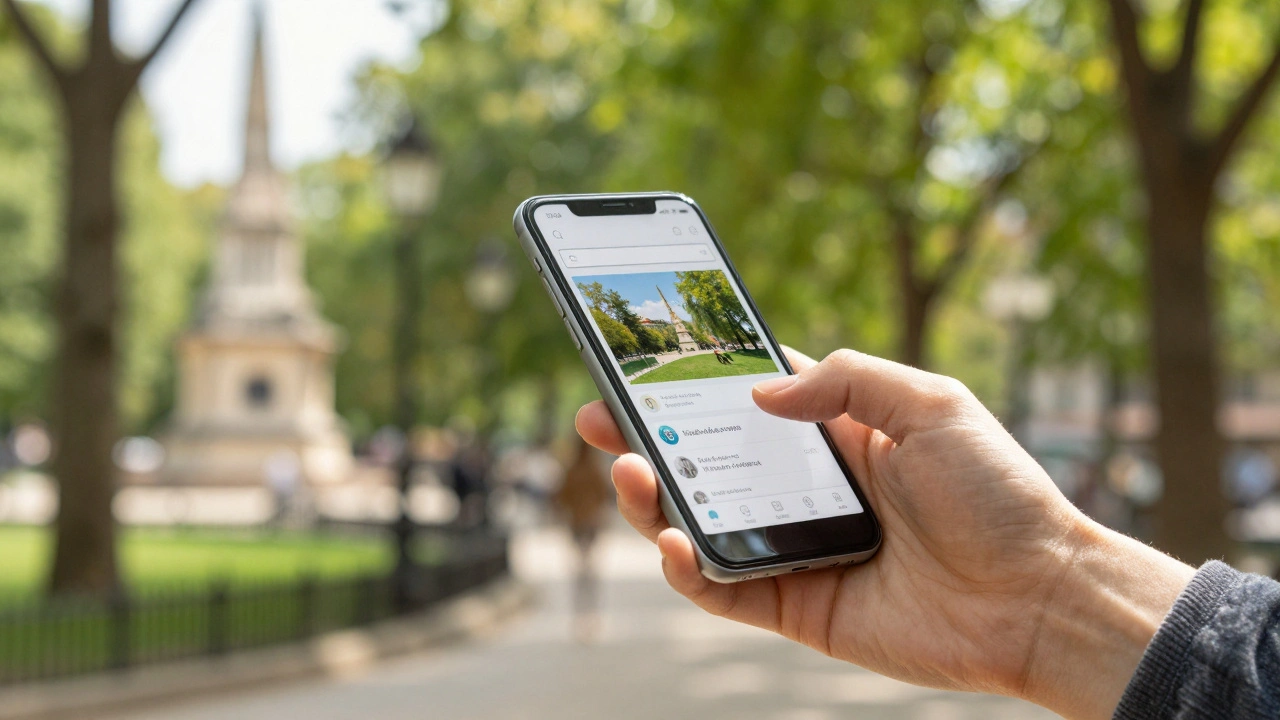
The way we access information has changed dramatically with the rise of smartphones. Most Wikipedia traffic now comes from mobile devices. This shift has profound implications for regional traffic patterns. When people are on the move, their searches are often tied to their immediate physical location. They might look up a restaurant while walking down the street, check the opening hours of a museum, or find directions to a transit station.
Mobile usage makes location data more relevant than ever. Apps and browsers can detect a user's GPS coordinates and suggest nearby points of interest. Wikipedia integrates with these services, providing quick summaries of local attractions, businesses, and landmarks. This integration means that traffic is not just about broad geographic regions like states or countries. It is about micro-locations like streets, buildings, and parks. The granularity of this data allows for a deeper understanding of how people interact with their urban environments.
This trend also affects the types of articles that gain popularity. Short, concise articles with clear headings and easy-to-read text perform better on mobile screens. Long, dense paragraphs tend to be skipped. Editors who optimize their writing for mobile readers see higher engagement rates. This includes using bullet points, adding images, and keeping sentences short. The goal is to provide answers quickly, without forcing users to scroll endlessly. In the age of instant gratification, speed and clarity win.
Challenges in Maintaining Accuracy During Spikes
High traffic brings both opportunities and challenges. When an article suddenly becomes popular, it attracts more readers, but it also attracts more editors. Not all edits are helpful. Some users may try to add biased information, promote personal agendas, or simply make mistakes in the heat of the moment. This is especially true for controversial topics or breaking news events where emotions run high.
To combat this, Wikipedia relies on a system of peer review and automated tools. Experienced editors monitor recent changes and revert vandalism or inaccuracies. Software bots flag suspicious edits for further review. Despite these safeguards, errors can slip through. This is why it is important for readers to check multiple sources, especially during fast-moving situations. Trusting a single source, no matter how reputable, can be risky when the information is changing rapidly.
Another challenge is the bias inherent in who contributes to the site. Historically, Wikipedia editors have been predominantly male, white, and from Western countries. This demographic skew can lead to gaps in coverage for certain regions and topics. For example, articles about African history or indigenous cultures may receive less attention than those about European history. Efforts are underway to diversify the editor base and fill these gaps, but progress is slow. Recognizing these biases is the first step toward creating a more balanced and representative encyclopedia.
| Traffic Driver | Duration of Spike | Primary User Intent | Example Scenario |
|---|---|---|---|
| Breaking News | Hours to Days | Context & Background | Natural disaster, political election |
| Hyper-Local Event | Minutes to Hours | Immediate Utility | Celebrity sighting, local festival |
| Seasonal Trend | Weeks to Months | Planning & Participation | Holiday preparations, sports season |
| Evergreen Topic | Steady Year-Round | Learning & Research | Science, history, mathematics |
Using Data to Improve Content Strategy
For organizations that rely on Wikipedia for visibility, understanding these traffic patterns is essential. Museums, non-profits, and local governments can use traffic data to identify what people are interested in. If an article about a historic building gets a lot of views, it might be worth organizing a tour or creating more detailed content about it. This data-driven approach ensures that resources are allocated effectively.
Content strategists can also use this information to time their campaigns. Launching a new initiative during a period of high interest can maximize reach. For example, a environmental group might release a report on climate change during the summer heatwave, when public concern is highest. By aligning their messaging with existing traffic trends, they can capture attention more easily.
Furthermore, analyzing regional differences can reveal untapped audiences. If an organization notices low traffic from a specific region, it might indicate a language barrier or a lack of awareness. Creating content in local languages or partnering with regional influencers can help bridge this gap. The key is to listen to what the data says and adapt accordingly. Flexibility is crucial in a digital landscape that changes constantly.
The Future of Regional Knowledge Sharing
As technology evolves, so too will the ways we access and share knowledge. Artificial intelligence is beginning to play a larger role in content creation and curation. AI tools can help summarize long articles, translate content into different languages, and detect potential biases. These advancements promise to make Wikipedia more accessible and inclusive for users around the world.
Voice search is another emerging trend. As more people use smart speakers and voice assistants, the format of information needs to change. Answers need to be conversational and direct. This shift favors concise, well-structured articles that can be read aloud clearly. Editors who keep this in mind will ensure their work remains relevant in the future.
Ultimately, the goal is to create a knowledge ecosystem that serves everyone equally. This means addressing the digital divide, improving infrastructure in underserved areas, and empowering local communities to tell their own stories. When we combine global reach with local relevance, we build a richer, more nuanced understanding of the world. Geography and local events are not just footnotes in this story. They are the heartbeat of it.
Why does Wikipedia traffic spike during local events?
Traffic spikes because users seek immediate context and background information that news headlines do not provide. People want to understand the significance of an event happening near them, leading to rapid increases in searches for related locations and figures.
How do seasonal trends affect Wikipedia usage?
Seasonal trends create predictable waves of interest. Users search for information related to holidays, sports seasons, and weather-related activities. This results in recurring traffic patterns that align with cultural and climatic cycles throughout the year.
What role does mobile usage play in regional traffic?
Mobile devices enable location-based searches, allowing users to find information about nearby places instantly. This leads to higher engagement with hyper-local content, such as restaurants, landmarks, and transit options, making proximity a key factor in traffic generation.
Are there biases in Wikipedia's regional coverage?
Yes, historically there has been a bias towards Western topics due to the demographic makeup of editors. This can result in less comprehensive coverage for regions in Africa, Asia, and Latin America, although ongoing efforts aim to diversify contributions and fill these gaps.
How can organizations use Wikipedia traffic data?
Organizations can analyze traffic data to identify public interests, time their campaigns effectively, and discover underserved audiences. This data-driven approach helps in allocating resources wisely and enhancing engagement with target communities.