Wikipedia Traffic: What Drives Views and Who’s Reading?
When you think of Wikipedia traffic, the total number of visits to Wikipedia articles across all languages and devices. Also known as Wikipedia views, it's not just a vanity metric—it’s a real-time pulse of global curiosity. Every second, tens of thousands of people search for answers on Wikipedia, from how to fix a leaky faucet to the history of the Rwandan genocide. But behind those numbers are real people—students in rural India, journalists in Brazil, retirees in Canada—all using the same platform to find something they can’t get elsewhere.
What makes one article explode in traffic while another fades? It’s rarely about popularity alone. Articles tied to breaking news, like elections or disasters, spike instantly. But the real drivers are consistent: people searching for clear, neutral summaries when they don’t trust other sources. Surveys show users pick Wikipedia over AI tools because it shows its work—every claim has a source, every edit is public. That transparency builds trust. And that trust is why Wikipedia traffic keeps growing, even as AI encyclopedias promise faster answers.
Wikipedia traffic also reveals who’s missing from the conversation. The most-viewed articles are still dominated by English-language content, but languages like Swahili and Yoruba are growing fast, fueled by local volunteers and Wikimedia grants. Meanwhile, traffic spikes in regions with limited internet access show how vital Wikipedia is as a free, offline-friendly knowledge source. The people reading aren’t just passive consumers—they’re often the same ones editing, correcting, and expanding articles in their own languages. That’s why traffic patterns matter: they show where knowledge gaps exist and where communities are stepping in to fill them.
Tools like the Wikipedia watchlist, a feature that lets editors track changes to specific articles and WikiProjects, volunteer groups focused on improving content in specific areas like medicine or history help keep the content aligned with what readers actually need. When traffic surges on a medical article, editors jump in to update it with the latest research. When a controversial political topic trends, talk pages light up with sourcing debates. Wikipedia traffic doesn’t just reflect interest—it triggers action.
And then there’s the quiet side: traffic to articles about editing policies, licensing, or how to fix citations. These aren’t glamorous, but they’re essential. They show that the people using Wikipedia aren’t just looking for facts—they’re trying to understand how the system works. That’s why the most valuable traffic isn’t always the highest—it’s the most engaged.
What you’ll find in the posts below are deep dives into what makes Wikipedia traffic tick: how community projects shape what gets read, how funding and language gaps affect who gets seen, and why traffic patterns reveal more about society than any algorithm ever could. This isn’t just about numbers. It’s about the people behind them.

How Wikipedia Traffic Reveals the Pulse of Breaking Scientific Discoveries
Discover how Wikipedia pageview data reveals public interest in breaking scientific discoveries. Learn to interpret traffic spikes, geographic trends, and user intent.

Wikipedia Traffic and AI: How LLMs Change Pageviews
Explore how AI language models are reshaping Wikipedia traffic patterns. Learn why pageviews are shifting from general queries to niche depth and what this means for the future of open knowledge.

Wikipedia Traffic Reports: Analyzing the Most Viewed Articles in 2026
Learn how to interpret Wikipedia's monthly traffic reports. Discover which articles dominate global attention and what the data reveals about reader behavior in 2026.

Disaster Response Wikipedia Traffic: Trends and Update Patterns
Explore how Wikipedia handles traffic surges and rapid updates during major disasters. Learn about editor strategies, traffic patterns, and the long-term impact on encyclopedia content.

Scenario Planning: What If AI Encyclopedias Overtake Wikipedia in Traffic?
Explore how AI encyclopedias might rival Wikipedia in traffic. Analyze scenarios, risks, and strategic shifts for the future of digital knowledge.

Regional Wikipedia Traffic Patterns: How Geography and Local Events Drive Coverage
Explore how geography and local events drive regional Wikipedia traffic patterns. Learn about hyper-local curiosity, breaking news impacts, and seasonal trends shaping online encyclopedia usage.

How Social Media Drives Traffic to Wikipedia and Its Rivals
Explore how social media algorithms and AI are shifting traffic away from Wikipedia toward niche knowledge platforms and zero-click search results.

TV Series Finales on Wikipedia: Traffic and Editing Patterns Analysis
Exploring how Wikipedia handles traffic spikes and editing behaviors during major TV series finales. Learn about vandalism risks and editorial management.

Forecasting Wikipedia Traffic for Events and Holidays
Wikipedia traffic spikes predictably around major events and holidays. Learn how to use historical data and public tools to forecast page views with 90%+ accuracy for recurring events like the World Cup, Christmas, and Diwali.

Sports Transfer and Draft Days: Why Wikipedia Traffic Spikes on Big Move Days
On sports transfer and draft days, Wikipedia sees massive traffic spikes as fans seek verified player histories. Unlike news sites, it offers deep, permanent records of trades and draft picks - updated by volunteers, not journalists.
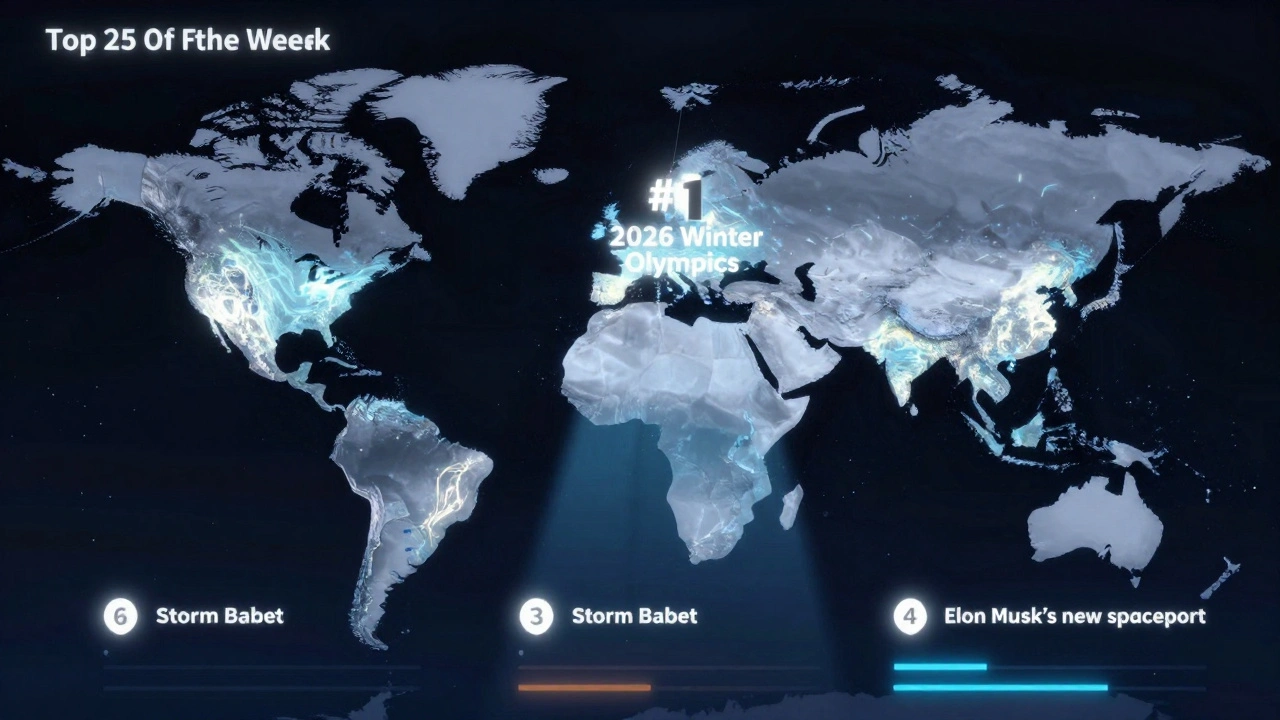
Top 25 Report on Wikipedia: Weekly Traffic Standouts
The Top 25 Report on Wikipedia reveals the most-viewed articles each week, showing what the world is searching for-from global events to niche science. It’s not about popularity, but real-time curiosity.

The Signpost's Traffic and Readership Statistics on Wikipedia
The Signpost is Wikipedia's volunteer-run weekly newspaper, tracking community debates, policy changes, and editorial conflicts. With 45,000 weekly readers, it’s a vital internal tool for editors and researchers alike.