Wikipedia unblock requests are the primary mechanism for users to regain access after being banned for various reasons, most often related to vandalism or disruptive editing. Whether you are a new administrator or a seasoned editor helping out, evaluating these cases requires a balance between strict policy enforcement and a belief in human growth.
Quick Takeaways for Moderators
- Check the history: Never trust a request without looking at the user's edit logs first.
- Look for specifics: General apologies ("I'm sorry, I'll be good") are usually red flags.
- Verify understanding: The user must prove they understand exactly which policy they broke.
- Incremental trust: For borderline cases, suggest a temporary lift or a restricted account.
Understanding the Unblocking Process
When a user is blocked on Wikipedia, they lose the ability to edit pages. To get back in, they typically use their talk page to post an appeal. This is a public process. Every other editor can see the request and the evidence provided. This transparency is vital because it prevents administrators from playing favorites and ensures the community agrees on what constitutes "rehabilitation."
The process isn't just about a "yes" or "no." It's about evaluating the risk of recidivism. If a user was blocked for Vandalism-which is the deliberate addition of false or offensive content-the bar for unblocking is much higher than if they were blocked for a technical error, like forgetting to use a sandbox for testing.
Evaluating the "Apology": Sincere vs. Scripted
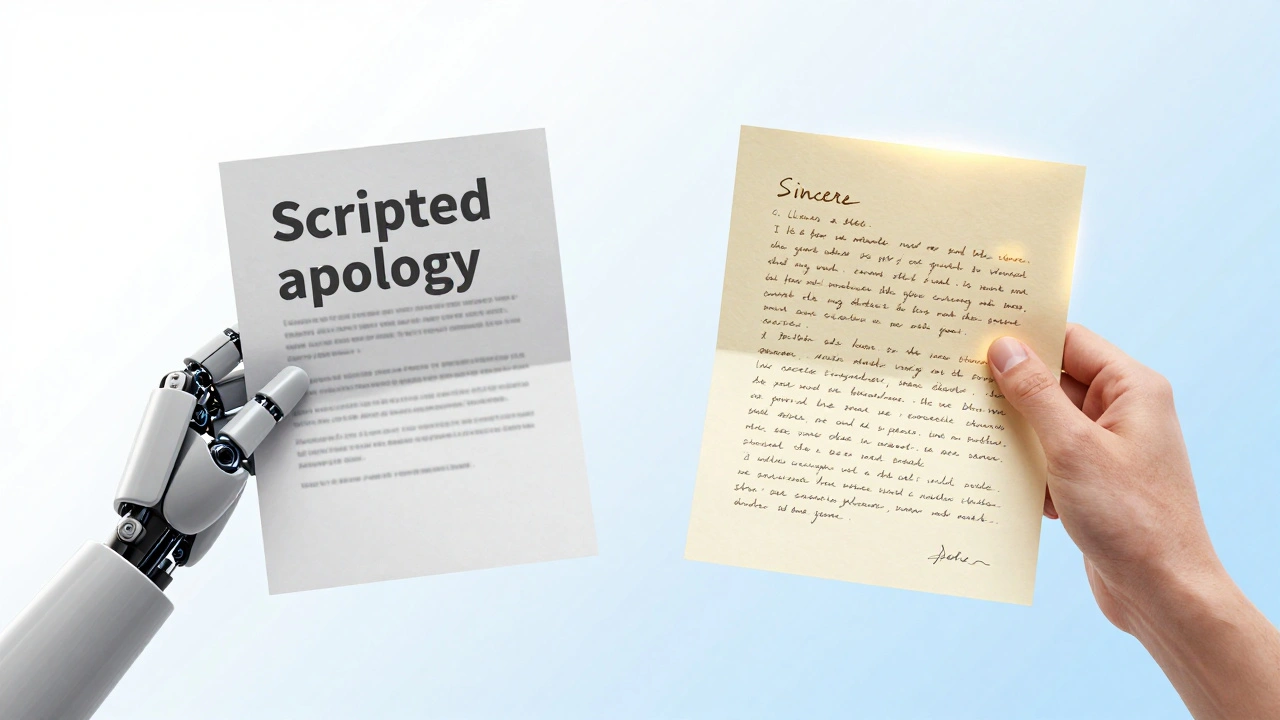
You'll see hundreds of requests that look identical. "I apologize for my actions and promise to follow the rules." In the world of moderation, this is a scripted response. It doesn't prove anything. To truly evaluate a case, you need to look for concrete acknowledgement.
A high-quality appeal usually contains three specific elements:
- Acknowledgment of the specific harm: Instead of "I was bad," the user says, "I added fake citations to the page about Quantum Mechanics, which misled readers."
- Understanding of the rule: "I now understand that WP:VANDAL prohibits adding nonsensical text, even as a joke."
- A plan for the future: "I will use the Wikipedia Sandbox to test my edits before moving them to the main article."
If a user blames the system, the administrator who blocked them, or "a misunderstanding," they are shifting responsibility. This is a sign that they aren't ready to return. A user who says, "The admin was too harsh," is usually someone who still believes their disruptive behavior was justified.
Analyzing Edit History and Patterns
The request is the "what," but the edit history is the "how." Before hitting the unblock button, you need to dig into the User Contributions log. Look for patterns that suggest a permanent mindset rather than a momentary lapse in judgment.
| Behavior Signal | Risk Level | Moderator Action |
|---|---|---|
| Single instance of "joke" editing | Low | Unblock with a firm warning |
| Repeated attempts to bypass blocks (sockpuppeting) | High | Deny request; extend block |
| Edit warring over personal opinions | Medium | Unblock with a requirement to avoid specific pages |
| Massive deletions of valid content | High | Require proof of policy study |
One of the most dangerous patterns is Sockpuppeting. This happens when a user creates new accounts to bypass a block. If you find that a user appealing for unblocking has already tried to sneak back in via five different accounts, they have shown a total lack of respect for the community's boundaries. In these cases, the appeal should be denied immediately, as the user has demonstrated that they will not abide by the block.
The Role of Community Consensus
Moderators shouldn't act as lone judges. Wikipedia thrives on Consensus. If a user was blocked by a high-level administrator for systemic abuse, a junior editor shouldn't just unblock them because the apology sounded nice.
The standard practice is to invite other editors to chime in on the user's talk page. If three experienced editors provide evidence that the user is still acting disruptively on other platforms or via their appeals, that carries more weight than a single apology. This prevents "administrator shopping," where a user keeps asking different admins to unblock them until they find one who is too lenient.
Handling Borderline Cases and "Reform"
What do you do when a user is halfway there? They admit they were wrong, but their history is messy. This is where conditional unblocking comes into play. Instead of a full return, you can offer a path to redemption.
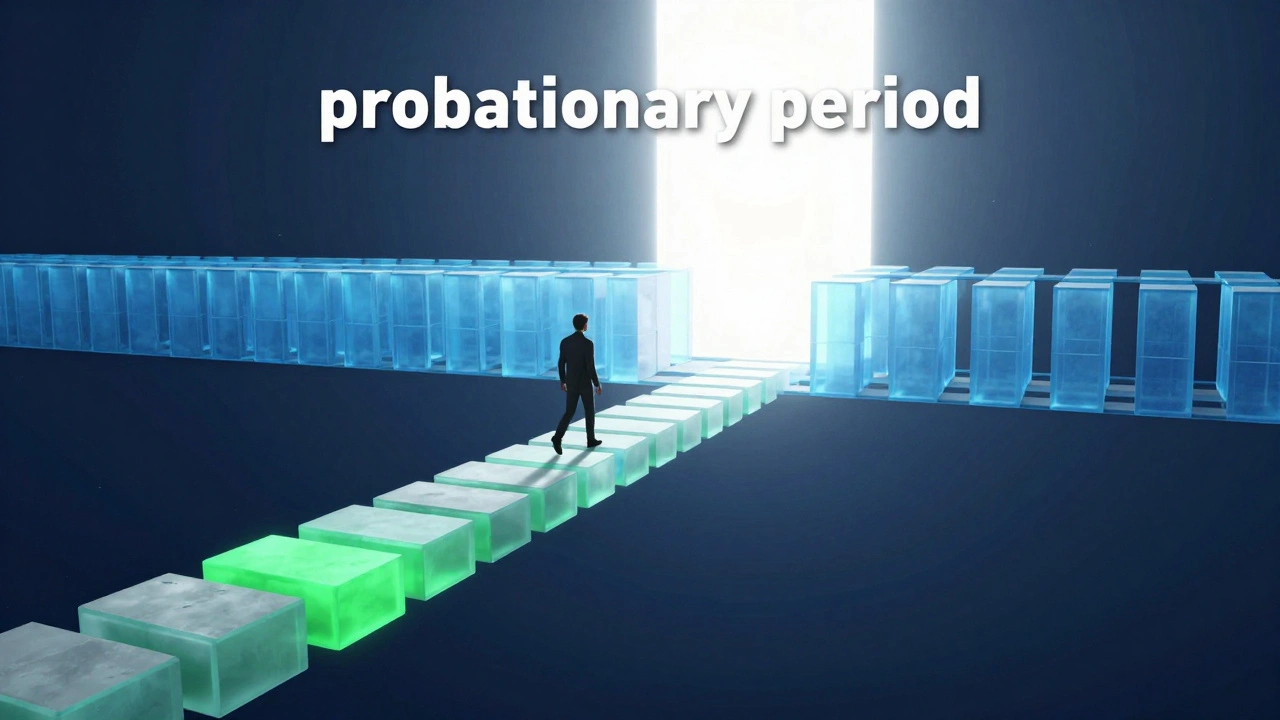
You might tell the user: "I will unblock you for 48 hours. During this time, you may only edit your own user page and the sandbox. If you do not attempt to edit main articles or cause further disruption, we can discuss a full unblock." This acts as a probationary period. It allows the moderator to see if the user can actually handle the freedom of editing without reverting to old habits.
Another tactic is requiring the user to read specific policy pages. For example, if they were blocked for bias, ask them to summarize the Neutral Point of View (NPOV) policy in their own words. If they can't explain the concept of neutrality, they can't be expected to apply it to an article.
Common Pitfalls in Case Evaluation
It's easy to fall into the trap of empathy. Some users write heartbreaking stories about why they were stressed or angry when they committed the vandalism. While human, these stories aren't evidence of a change in editing behavior. A moderator's job is to protect the encyclopedia's integrity, not to act as a therapist. The focus must remain on behavioral evidence.
Another mistake is the "Quick Fix" mentality. Some moderators unblock users just to clear their queue. This is a mistake because it signals to the vandals that the rules are flexible. If a user is unblocked too quickly without a genuine change in heart, they often return to their disruptive behavior within hours, creating more work for the community in the long run.
What is the difference between a temporary and an indefinite block?
A temporary block is a "time-out" designed to stop immediate disruption; it expires automatically. An indefinite block is a permanent ban that requires a formal appeal and a moderator's manual action to lift. Indefinite blocks are usually reserved for severe vandalism or repeated rule-breaking.
Can a user be unblocked if they don't have an account?
IP blocks are different from account blocks. If an IP address is blocked, the user can't edit from that connection. To appeal this, they usually need to contact a moderator via a different IP or create an account (if allowed) to explain why the block should be lifted for that specific range of addresses.
What should I do if a user becomes aggressive during the appeal process?
Aggression during an appeal is a primary indicator that the user has not changed. If they start insulting moderators or using hostile language on their talk page, the appeal should be denied immediately, and the block duration may be extended for "conduct during appeal." This proves they still lack the temperament for collaborative editing.
Is there a specific template for denying an unblock request?
While there are standard phrases, the best denials are specific. Instead of saying "Request denied," say "Your request is denied because you have not acknowledged the specific policy you broke, and your history shows continued sockpuppeting." This gives the user a clear reason and a path for what they would need to change for a future appeal.
How do I handle an appeal for a user who is a minor?
Minor users often vandalize out of curiosity or a lack of understanding. In these cases, moderators are typically more lenient, focusing on education rather than punishment. Providing links to the "Help" pages and explaining the rules in simple terms often works better for younger users than a long-term block.
Next Steps for Moderators
If you're new to this, start by observing. Read through archived unblock requests to see how veteran administrators handle them. Notice which apologies were accepted and which were rejected.
For those currently managing a queue, try this workflow: first, check the User Contributions for sockpuppeting. Second, analyze the apology for concrete specifics. Third, if you're unsure, post a request for community consensus on the user's talk page. Finally, if you choose to unblock, do so with a clear warning that any further disruption will lead to a permanent, non-appealable ban.