Online encyclopedias used to be run by volunteers who believed in open knowledge. Today, they’re caught between public trust, government laws, and corporate accountability. If you think Wikipedia is still just a crowd-sourced project where anyone can edit, you’re living in the past. Regulatory pressures are reshaping how these platforms handle truth, bias, and deletion - and the changes are happening fast.
What’s Driving the New Rules?
In 2023, the European Union passed the Digital Services Act (DSA), requiring large online platforms to act on illegal content within 24 hours. That includes hate speech, misinformation, and content that incites violence. Wikipedia, with over 60 million articles and 1.5 billion monthly visitors, now falls under this law. It’s not just Europe. Brazil, India, and Australia have passed similar rules. Even the U.S. is moving toward state-level content moderation laws.
Before, Wikipedia’s policy was simple: if it’s verifiable and neutral, it stays. Now, editors are being asked to flag content that might be legal but harmful - like false medical claims about vaccines or conspiracy theories about elections. Editors aren’t lawyers. But they’re being forced to act like them.
How Wikipedia Changed Its Rules
In early 2024, Wikipedia’s Arbitration Committee introduced a new tiered system for handling high-risk content. Articles about public figures, health, elections, and religion now go through an additional review layer before being published or edited. This isn’t censorship - it’s compliance. The goal is to reduce legal exposure while keeping the platform open.
For example, an edit claiming a politician took bribes without court evidence would now be automatically flagged. A volunteer reviewer checks it against official court records or verified news reports. If there’s no solid proof, the edit is reverted. This used to be rare. Now, it happens hundreds of times a week.
Wikipedia’s “no original research” rule still stands. But now, “verifiable” means more than just a blog post or a forum thread. Sources must be authoritative: government websites, peer-reviewed journals, or major news outlets with editorial oversight. Personal blogs, YouTube videos, and TikTok clips are no longer acceptable for contentious topics.
Who Decides What’s Illegal?
Here’s the uncomfortable truth: Wikipedia doesn’t have a legal team in every country. So it relies on local laws to guide its actions. If a user in Germany reports an article as violating hate speech laws, Wikipedia’s moderation team must investigate - even if the article is perfectly legal in the U.S.
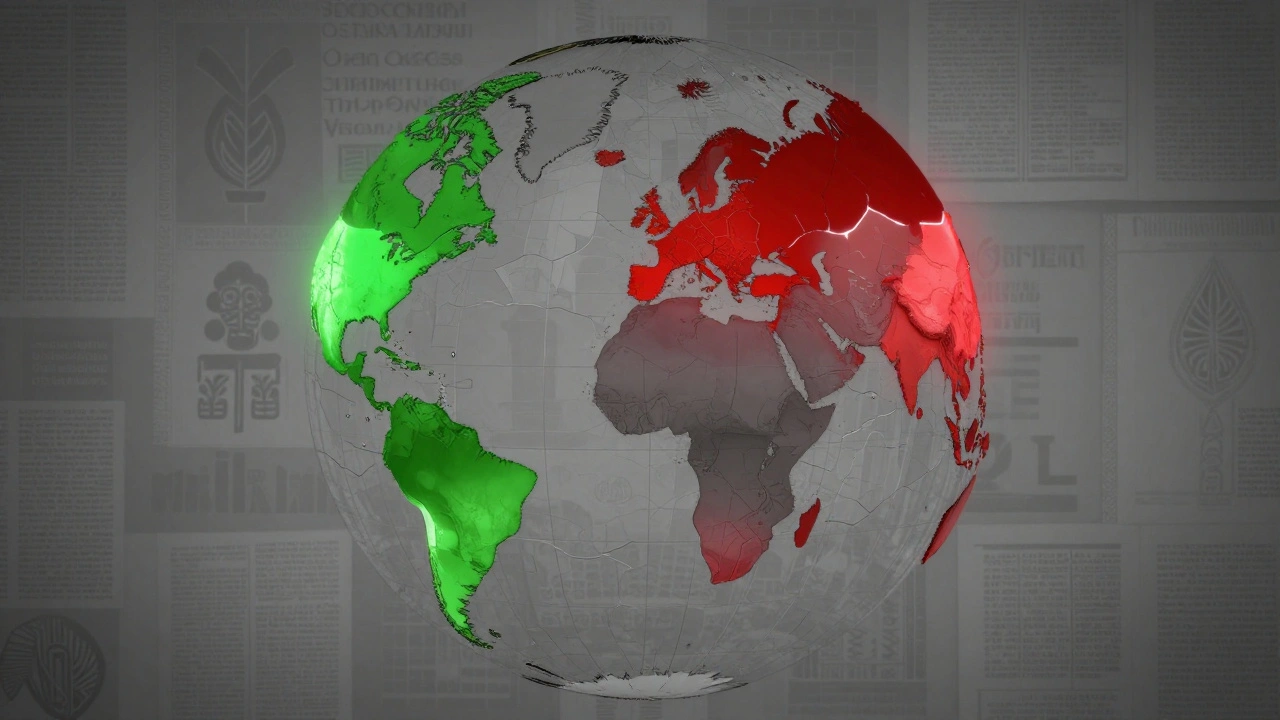
That’s led to weird inconsistencies. An article about a far-right group might be fully accessible in the U.S. but hidden in Germany. A biography of a controversial scientist might be blocked in Turkey but visible everywhere else. These aren’t editorial decisions - they’re legal obligations.
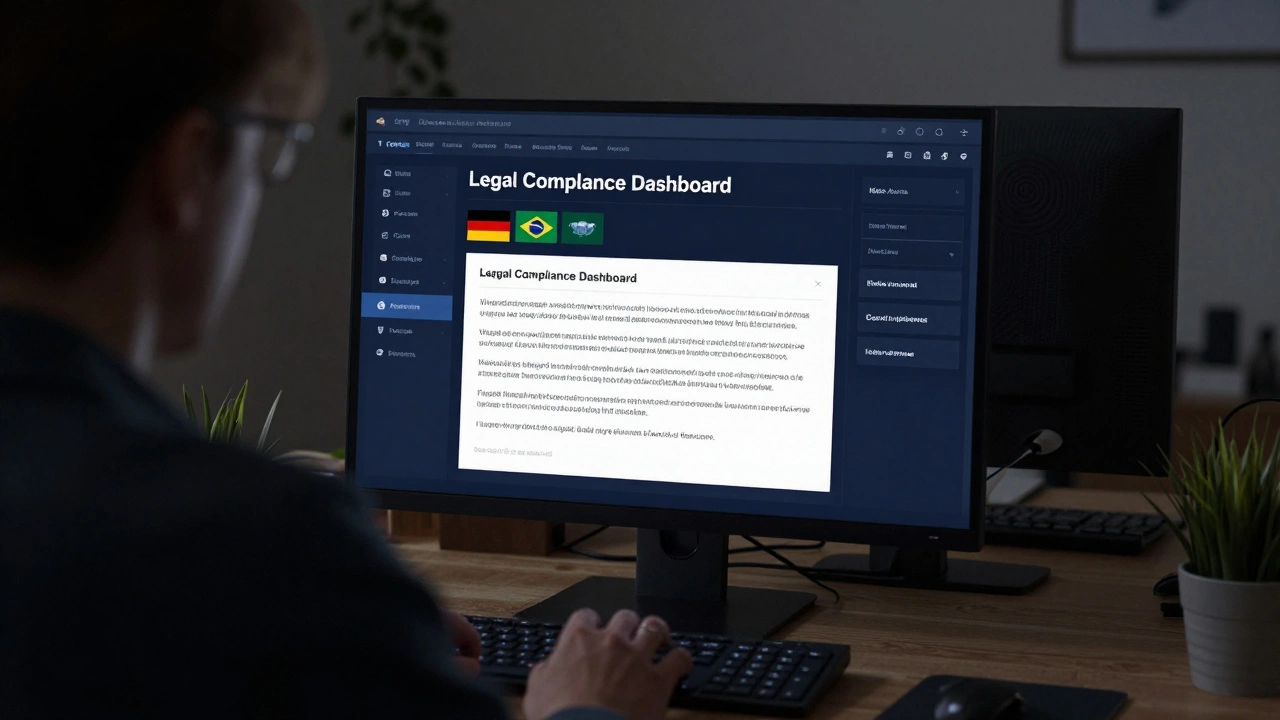
Wikipedia now has a “Legal Compliance Dashboard” visible only to trusted editors. It shows flagged content by country, legal basis, and required action. Volunteers are trained to use it. But the system is slow. Some articles stay restricted for months while lawyers review them.
The Rise of the “Neutral but Safe” Edit
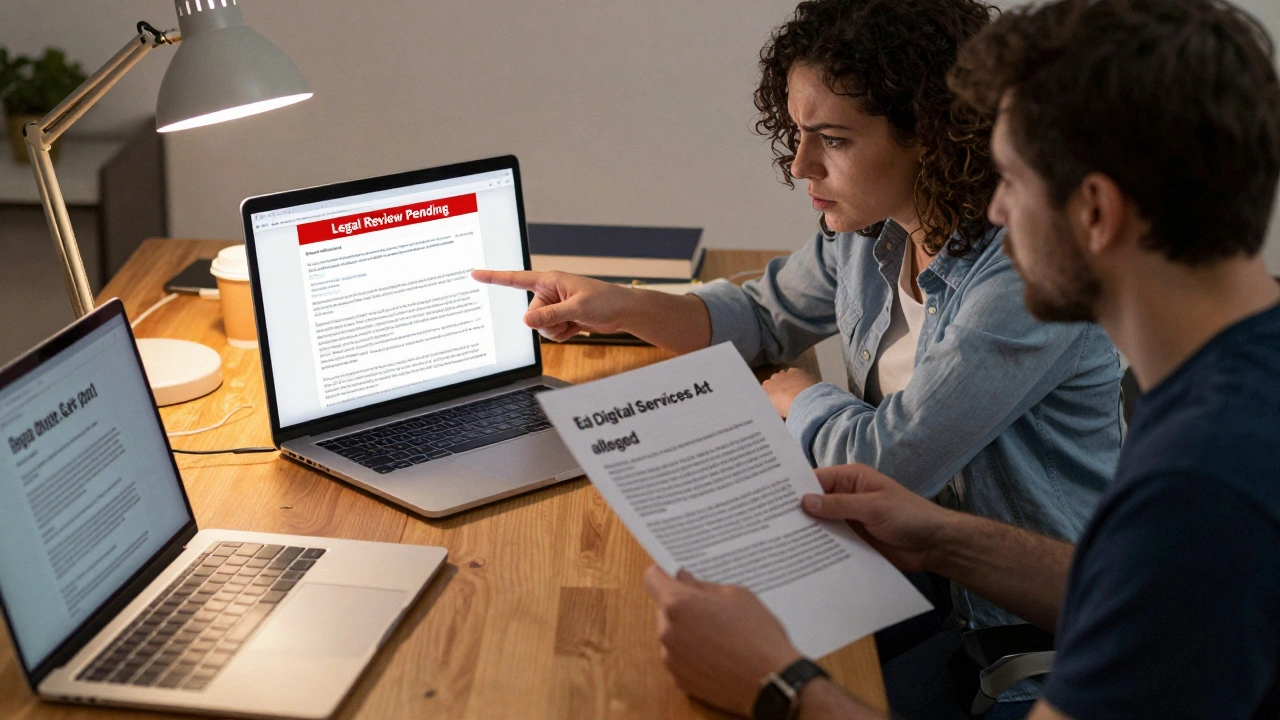
Editors are no longer just adding facts. They’re adding disclaimers. You’ll now see footnotes like: “This claim is under legal review in the European Union.” Or: “Per DSA Article 23, this section has been temporarily restricted pending verification.”
It’s not ideal. Readers are confused. Some think Wikipedia is being censored. Others think it’s becoming too cautious. But the alternative - getting fined millions or having the site blocked in a country - is worse.
One editor in Poland told me they now spend 40% of their time rewriting sentences to avoid triggering automated legal filters. “We used to argue over tone,” they said. “Now we argue over whether the word ‘alleged’ is enough to protect us from a lawsuit.”
What This Means for Other Encyclopedias
Wikipedia isn’t alone. Encyclopaedia Britannica Online, though smaller, has also updated its moderation policy. It now requires all contributors to verify their identity and provide a professional credential - like a university affiliation or journalism license - for any article on politics, health, or law.
Smaller platforms like Citizendium and Scholarpedia have shut down or merged with larger ones. They couldn’t afford the legal overhead. The cost of compliance? At least $2 million a year for a medium-sized encyclopedia. That’s why the field is shrinking.
Even AI-generated encyclopedias, like those built by Google or Anthropic, now include legal review gates. If an AI writes a fact about a living person, it must cross-check with at least three trusted sources before publishing. No exceptions.
What’s Lost in the Process
Open knowledge didn’t die. But it’s slower now. The days of a high school student fixing a typo in a 19th-century biography are gone. That edit might now trigger a legal review if the person was involved in a sensitive historical event.
Minority voices are harder to include. If a community lacks mainstream media coverage, their history might not meet the new source standards. Indigenous knowledge, local folklore, and non-Western perspectives are being left out - not because they’re false, but because they’re not cited in The New York Times or Nature.
Wikipedia’s own 2025 internal audit showed a 31% drop in edits from non-Western countries since 2022. The reason? Contributors didn’t have access to the kind of sources that now count.
Can This Be Fixed?
Some experts are pushing for “legal exception zones” - places where certain types of content are exempt from moderation if they’re clearly labeled as historical, cultural, or academic. Others want Wikipedia to partner with libraries and universities to build a trusted source network.
There’s also talk of a global “encyclopedia trust seal” - a certification for platforms that meet open knowledge standards while complying with local laws. It’s still theoretical. But if it happens, it could save the spirit of the encyclopedia.
For now, the message is clear: knowledge isn’t free anymore. It’s regulated. And if you want to keep it accessible, you have to play by the rules - even when they don’t make sense.
Are online encyclopedias still open to public editing?
Yes, but with restrictions. Anyone can still propose edits, but articles on politics, health, religion, and public figures now require approval from trained volunteer reviewers. Low-risk edits - like fixing typos or adding dates - still go through quickly. High-risk edits are held for legal review, which can take days or weeks.
Why can’t I cite a blog or YouTube video anymore?
Because regulators require reliable, accountable sources. Blogs and videos can be deleted, altered, or written by anonymous users. Legal systems don’t treat them as credible evidence. Now, encyclopedias must use sources with editorial oversight - like newspapers, academic journals, government sites, or books from reputable publishers.
Does this mean Wikipedia is becoming censored?
Not exactly. It’s not about silencing opinions - it’s about avoiding legal liability. Content that’s factual but legally risky - like unproven accusations or hate speech disguised as history - gets restricted. But if you can prove it with trusted sources, it stays. The goal is to stay legal, not to control ideas.
How do these rules affect smaller encyclopedias?
Most have shut down or merged. Running a small encyclopedia now requires legal staff, compliance software, and international monitoring - costs that volunteers can’t cover. Only platforms backed by universities, libraries, or big tech companies can survive. The era of the independent encyclopedia is over.
Is there a way to get around these rules?
No. Attempts to bypass legal filters - like using coded language or hiding edits - are detected by automated systems and result in account bans. The platforms are under intense scrutiny. Breaking the rules now risks fines, shutdowns, or criminal charges in some countries.