When a major event hits - a natural disaster, a political assassination, or a celebrity death - Wikipedia doesn’t just sit back and wait for edits. It locks down its most vulnerable pages before the chaos even starts. You might have noticed that during the 2023 Israel-Hamas war, the page for Israel was protected from anonymous edits. Or when Princess Diana’s 25th anniversary of death passed, the page for Diana, Princess of Wales was semi-protected for days. These aren’t random decisions. They’re part of a quiet, highly organized system built over two decades to keep Wikipedia accurate when the world is spinning out of control.
What Happens When a Page Gets Locked?
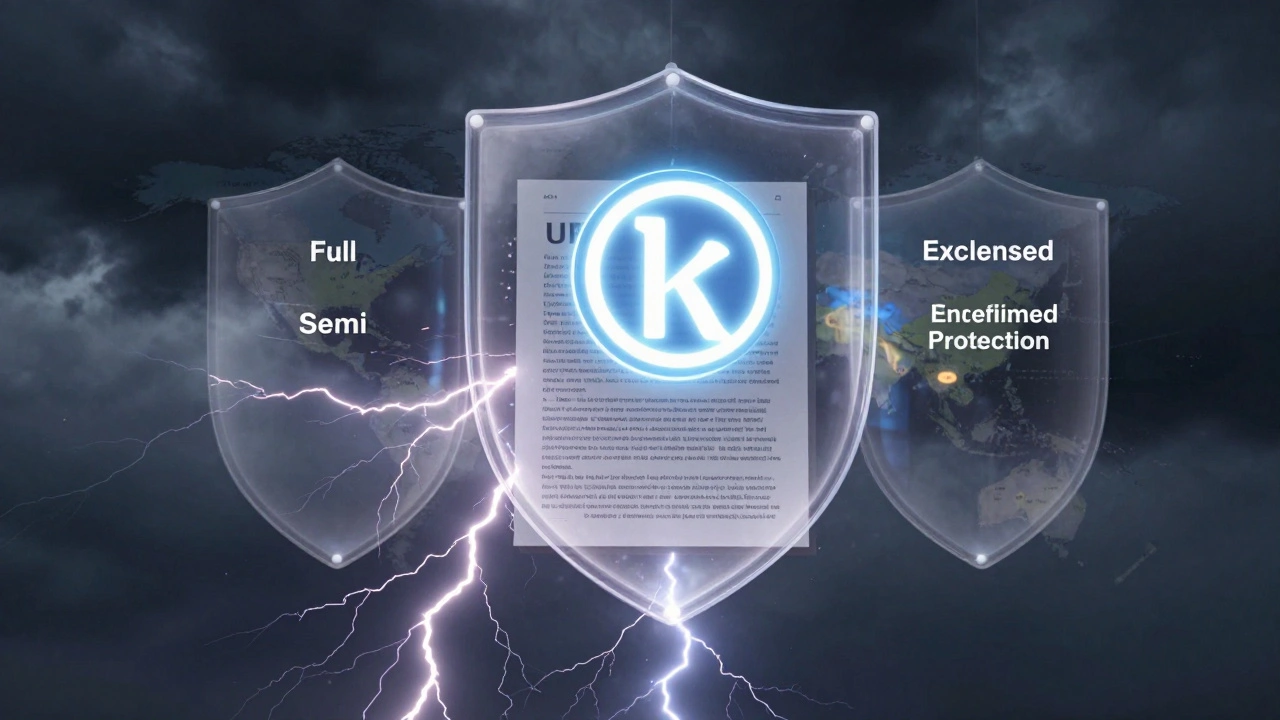
Wikipedia doesn’t just block edits from everyone. It uses a tiered system. When a high-profile article is at risk, admins apply one of three protection levels:- Full protection: Only administrators can edit. Used for pages under intense edit wars or targeted vandalism.
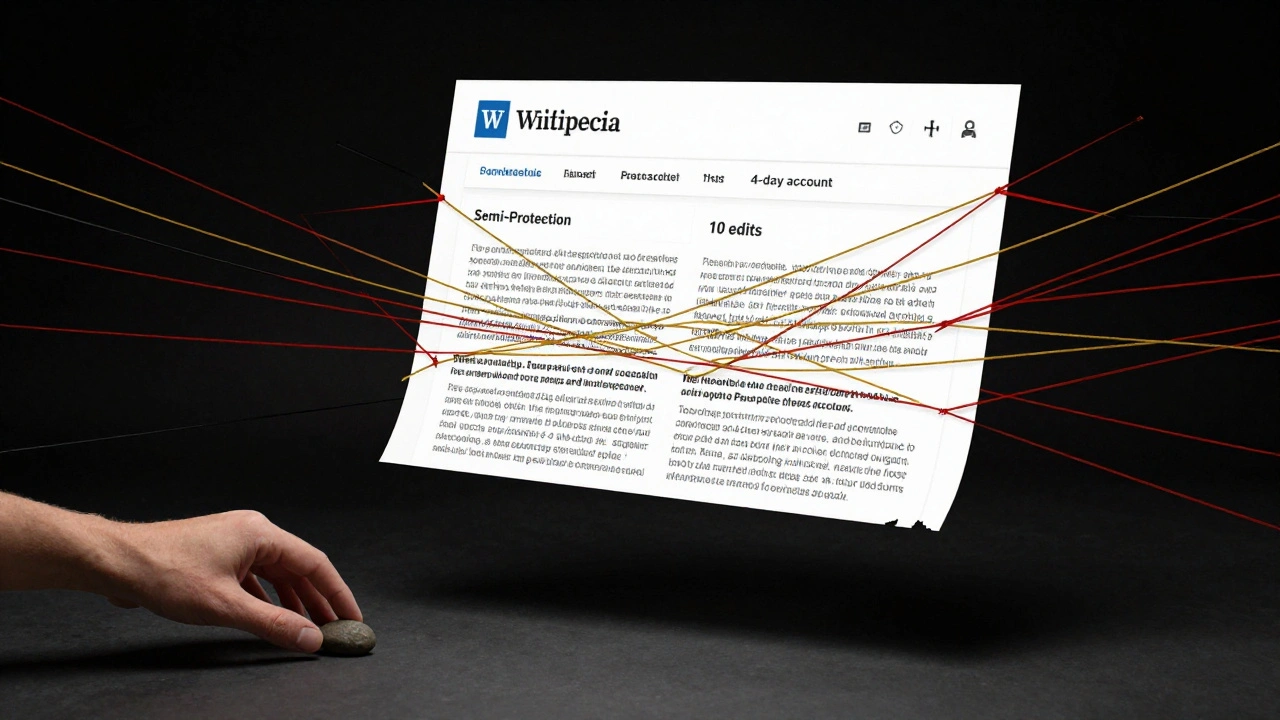
- Semi-protection: Only registered users who’ve had an account for at least four days and made at least ten edits can edit. This stops bots and anonymous vandals but lets real contributors help.
- Extended confirmed protection: Only users with accounts older than 30 days and at least 500 edits can edit. Used for pages that attract persistent bad-faith edits from experienced users.
These protections aren’t permanent. Most last 24 to 72 hours. But during breaking events, they’re often renewed automatically if the threat persists. In 2024, after the assassination attempt on former U.S. President Donald Trump, the Donald Trump page was semi-protected for five consecutive days - longer than any other political figure’s page that year.
How Do They Know When to Act?
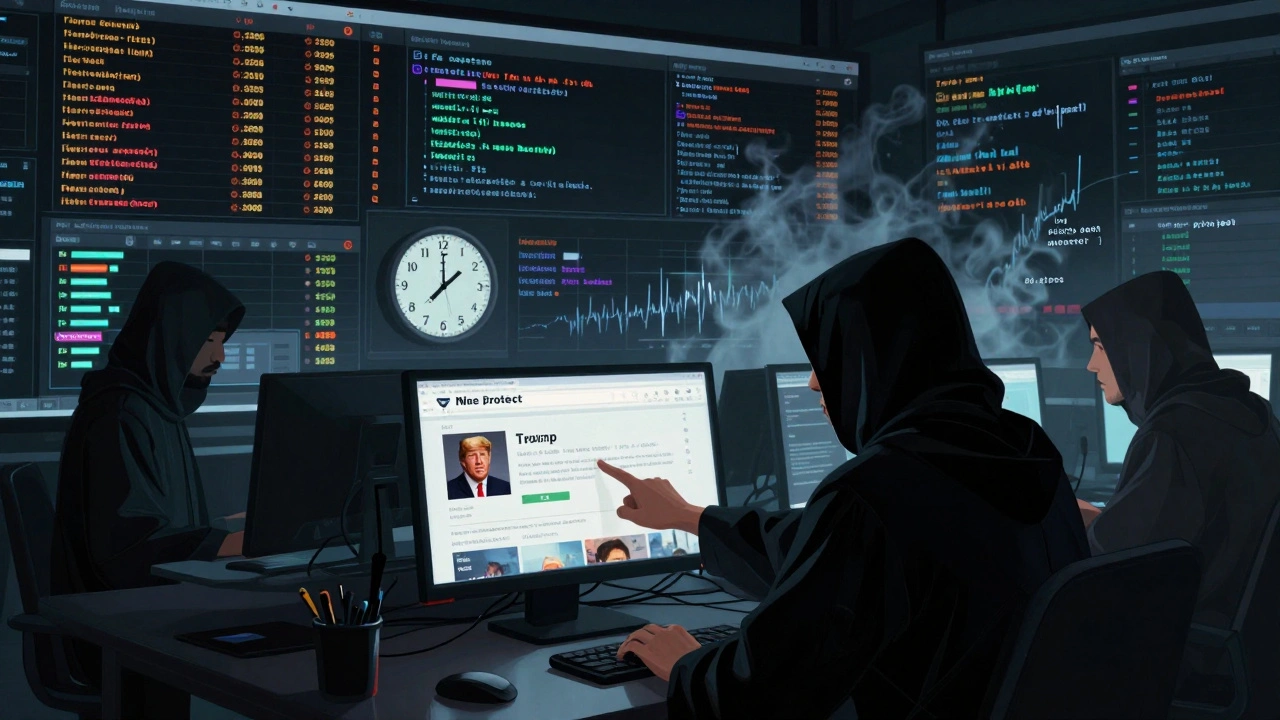
Wikipedia doesn’t rely on guesswork. It uses a mix of automated tools and human vigilance. The Recent Changes Patrol is a network of volunteer editors who monitor new edits in real time. When a spike in edits hits a high-traffic page - say, a 300% increase in edits over 15 minutes - the system triggers an alert. These alerts go to the Wikipedia Emergency Response Team, a group of 120 trusted editors scattered across time zones.They don’t wait for reports. They watch for patterns:
- Sudden flood of edits from the same IP range (often bots or coordinated trolls)
- Repeated insertion of false death dates or fabricated quotes
- Edits that push political bias in real-time, like changing a leader’s title during a coup
In 2023, when the Russian military launched a surprise attack on Kyiv, the Kyiv page was semi-protected within 17 minutes. The trigger? A wave of edits from Russian IP addresses trying to rename the city to its Russian-language version, “Kiev,” and removing references to Ukrainian sovereignty. Within an hour, 14 editors from Ukraine, Canada, and the U.S. had locked the page and restored the last verified version.
Why Not Just Let Anyone Edit?
Wikipedia’s open model is its strength - but also its weakness during crises. In 2019, the Christchurch mosque shootings page was vandalized 47 times in under an hour. Vandals added false claims about the attacker’s nationality, edited victim counts, and inserted hate speech. The page was protected after 40 minutes, but not before the false edits were cached by search engines and shared on social media.That incident changed everything. Wikipedia now uses a “preemptive protection” protocol for topics flagged by its Monitoring and Alert System (MAS). MAS scans global news feeds, Twitter trends, and Wikipedia edit patterns to predict which pages are likely to be targeted. If a topic trends in five or more countries and has a history of vandalism, it gets flagged for automatic protection if it’s on the Top 500 Most Viewed Pages list.
That list isn’t static. It’s updated hourly. In 2025, pages like Ukraine, Israel, Palestine, Joe Biden, and Elon Musk were in the top 10 for 217 days straight. Their protection status is reviewed every 6 hours.
Who Decides What Gets Protected?
It’s not one person. It’s a decentralized system. Any registered editor can request protection by posting on the Protection Request Page. But requests for high-profile pages are automatically escalated to the Administrator Noticeboard, where a vote is held. If 7 out of 10 active admins agree within 2 hours, protection is applied.There’s no bureaucracy. No forms. No delay. The system is built for speed. In 2024, when a viral rumor claimed that the Pope had endorsed a U.S. presidential candidate, the Pope Francis page was protected in under 11 minutes - before the false claim even hit mainstream media.
But it’s not perfect. Sometimes, well-meaning editors over-protect pages. In 2023, the 2024 U.S. presidential election page was locked for 11 days after the Iowa caucuses, even though most edits were legitimate. Critics argued it stifled collaboration. Wikipedia’s response? A new policy: protection must include a public log explaining why it was done - and it must be reviewed every 48 hours.
What Happens to the Edits That Get Rejected?
All edits, even the bad ones, are saved. The Revision History of every protected page is archived with a timestamp and editor ID. When the page is unlocked, editors can review what was changed and why. Sometimes, a false edit turns out to be a hoax - like the 2022 rumor that Taylor Swift had died. Other times, it’s a real event that was misreported - like the 2023 false report that a U.S. senator had resigned.Wikipedia doesn’t delete edits. It preserves them as evidence. That’s why, during the 2024 U.S. election, researchers used Wikipedia’s edit logs to track how misinformation spread across 37 countries. The data helped universities and newsrooms identify coordinated disinformation campaigns.
Is This System Sustainable?
Yes - but barely. Wikipedia’s protection system runs on volunteers. Most of the editors who monitor breaking events are unpaid. Many are students, retirees, or journalists who treat it like a civic duty. In 2025, over 8,000 editors participated in emergency protection efforts. That’s up 40% from 2020.The biggest threat? Burnout. One editor in Australia told reporters: “I’ve locked 17 death pages in the last year. I’ve restored the truth after lies that went viral. But I’m tired.”
Wikipedia has started a pilot program: “Crisis Mode”. When a page is under siege, the system temporarily assigns it to a team of trained editors who get priority access to tools, faster alerts, and a 24/7 chat channel. It’s not funded by donations. It’s funded by time - and by the quiet determination of people who believe truth matters more than popularity.
What You Can Do
You don’t need to be an admin to help. If you’re a registered user:- Watch pages you care about. Set up a watchlist.
- Report suspicious edits using the “Report vandalism” button.
- Don’t revert edits without checking the history. Sometimes, the “bad” edit is correcting an older error.
- Join the Wikipedia Emergency Response Team - it’s open to anyone with 500+ edits and a clean record.
Wikipedia doesn’t survive because it’s perfect. It survives because people care enough to fix it - again and again - even when the world is falling apart.
How long does Wikipedia usually protect a page during a breaking event?
Most protections last between 24 and 72 hours. If the threat continues - like during a prolonged conflict or election - protections are renewed automatically. In extreme cases, like the 2024 U.S. presidential election, some pages stayed protected for over a week.
Can anyone request that a page be protected?
Yes. Any registered user can submit a protection request on the Wikipedia Protection Request page. For high-profile pages, requests are reviewed by a group of administrators who vote within two hours. If seven out of ten agree, the protection is applied.
Why doesn’t Wikipedia just lock all high-traffic pages all the time?
Wikipedia’s core principle is open editing. Locking pages too often would defeat its purpose. Protection is a last resort, used only when vandalism, misinformation, or edit wars become overwhelming. Most pages stay open because the community usually keeps them accurate.
Do Wikipedia’s protection rules vary by language?
The core rules are the same across all language versions, but enforcement varies. The English Wikipedia has the most resources and the most active editors, so it responds fastest. Smaller language editions often rely on global administrators or delay protection until damage is done.
What happens to edits made before a page is protected?
All edits are saved in the page’s history. Even vandalism stays visible. When the page is unlocked, editors can review what changed and restore the last trusted version. These histories are used by researchers to track how misinformation spreads during crises.