Imagine a classroom where students don't just read about history or science; they actively shape the global record of it. That is the promise of Wikipedia-Based Pedagogy, an educational approach that uses the world's largest free encyclopedia as both a teaching tool and a real-world publishing platform. While many teachers view Wikipedia solely as a research source, integrating it into professional development transforms it into a dynamic curriculum component. This method bridges the gap between academic theory and public knowledge creation, fostering critical thinking and digital citizenship in students.
However, adopting this pedagogy requires more than just assigning wiki edits. It demands a shift in how educators perceive their role-from sole knowledge gatekeepers to mentors guiding collaborative inquiry. For institutions aiming to implement this effectively, structured teacher professional development is the cornerstone. Without proper training, the potential for bias, copyright issues, and student disengagement can overshadow the benefits. Let’s explore how to build a robust training framework that empowers educators to harness the power of the Wikipedia Education Program, a dedicated initiative by the Wikimedia Foundation designed to support educators in integrating Wikipedia into their courses.
Why Traditional Teacher Training Falls Short
Most standard professional development focuses on content mastery or basic technology integration. Teachers are taught how to use Learning Management Systems (LMS) like Canvas or Blackboard, but rarely how to leverage open web platforms for assessment. This gap leaves educators ill-equipped to handle the complexities of Open Educational Resources (OER), which include freely licensed materials that can be reused and adapted. When teachers lack confidence in these tools, they default to closed systems, missing out on the authentic audience that Wikipedia provides.
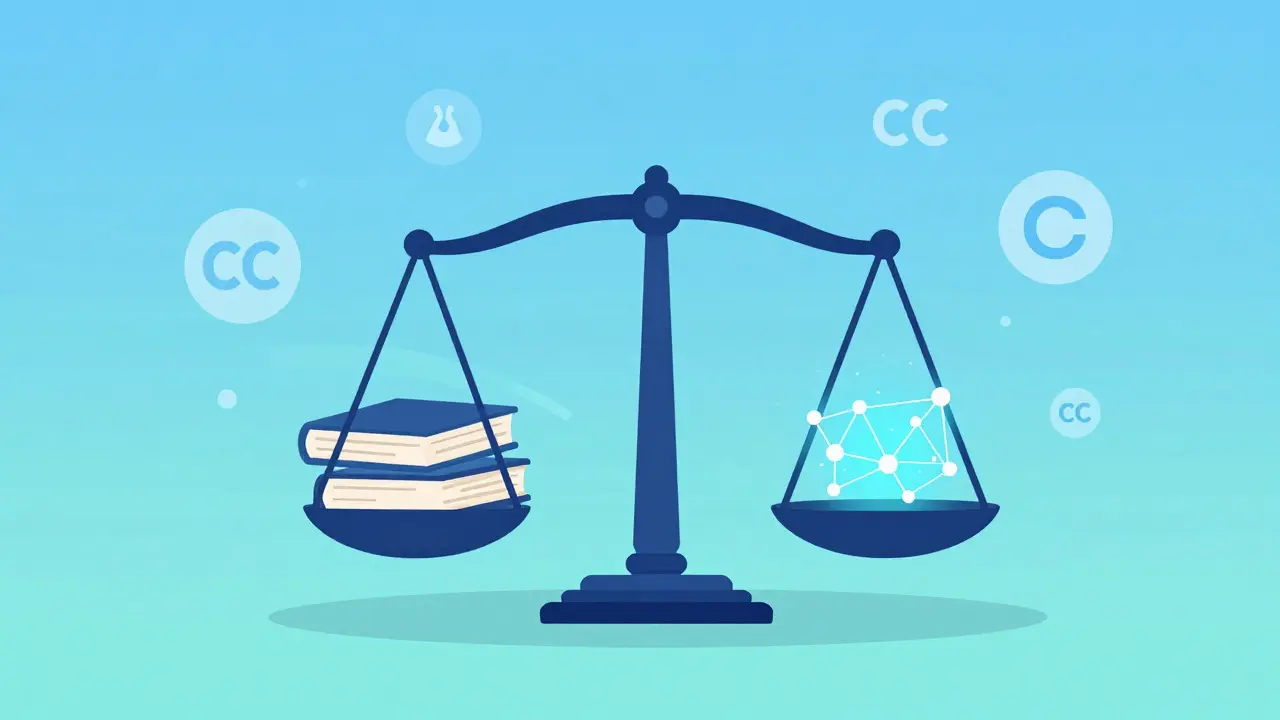
The core issue isn’t technical skill; it’s pedagogical mindset. Traditional models often treat writing as a private act graded by the instructor. In contrast, Wikipedia-based pedagogy treats writing as a public, iterative process subject to peer review by a global community. This shift requires teachers to understand concepts like Creative Commons Licensing, specifically the CC BY-SA license used by Wikipedia, which allows reuse with attribution and share-alike conditions. If a teacher doesn’t grasp why a student must cite sources neutrally or avoid original research, the resulting edits will likely be reverted by experienced editors, demotivating students.
Core Components of Effective PD Programs
A successful professional development program for this pedagogy needs three pillars: technical proficiency, editorial standards, and assessment design. Technical proficiency involves navigating the MediaWiki interface, understanding talk pages, and using tools like the VisualEditor. Editorial standards cover the Neutral Point of View (NPOV) policy, verifiability through reliable sources, and avoiding original research. Assessment design ensures that grading criteria align with Wikipedia’s quality guidelines rather than traditional essay rubrics.
- Technical Onboarding: Hands-on workshops where teachers create their own accounts and make minor, safe edits to test the waters.
- Policy Deep-Dive: Sessions focused on NPOV, notability, and citation formats, using real examples of rejected vs. accepted edits.
- Assessment Alignment: Developing rubrics that value sourcing accuracy and collaborative tone over stylistic flair.
These components ensure that when teachers bring the project to their classrooms, they are not guessing what “good” looks like. They have a concrete framework based on established community norms. This reduces anxiety for both instructors and students, creating a safer space for experimentation.
Structuring the Curriculum Integration
Integration should not be an add-on but woven into existing course outcomes. For example, in a biology class, instead of writing a report on cellular respiration, students could improve the section on that topic in the Wikipedia article. The assignment mirrors the course learning objective but adds a layer of public accountability. Teachers need PD guidance on how to scaffold this process. This includes selecting appropriate articles-those with sufficient traffic but not so complex that beginners get overwhelmed-and determining the scope of contribution. A common strategy is to focus on one specific section or aspect of an article per term, keeping the workload manageable.
Timing is also crucial. Professional development should occur before the semester starts, allowing teachers to pilot the assignment with small groups if possible. Mid-semester check-ins provide opportunities for troubleshooting. Teachers often discover that students struggle with finding reliable sources or handling edit wars. Having access to a support network, such as the Wikipedia Education Program ambassadors, helps resolve these issues quickly without derailing the course.

Addressing Common Pitfalls and Risks
One major concern is the risk of vandalism or reversion. Students may feel discouraged if their work is undone. PD programs must prepare teachers to frame reversions as part of the learning process, not failure. Teaching students to monitor their contributions and engage politely in talk page discussions builds resilience. Another pitfall is bias. Since Wikipedia aims for neutrality, students must learn to present multiple perspectives. Teachers need practice identifying biased language and replacing it with neutral phrasing backed by citations.
| Criteria | Traditional Essay | Wikipedia Contribution |
|---|---|---|
| Primary Focus | Argumentation and Style | Accuracy and Sourcing |
| Audience | Instructor Only | Global Public |
| Feedback Loop | End-of-term Grade | Continuous Peer/Community Review |
| Licensing | Copyrighted Work | Creative Commons Attribution-ShareAlike |
This comparison highlights the fundamental shift in expectations. Teachers must adjust their grading mentality to reward process and precision over personal voice. This adjustment is difficult but essential for the success of the pedagogy.
Building a Sustainable Support Ecosystem
Professional development shouldn’t end after a single workshop. Sustained engagement requires ongoing support. Schools and universities can establish internal champions-teachers who have completed advanced training and mentor peers. External partnerships with the Wikimedia Foundation provide access to global communities of practice. Online forums and regular webinars keep educators updated on new tools and best practices. This ecosystem ensures that isolated incidents of frustration don’t lead to abandonment of the method.
Furthermore, tracking outcomes is vital for institutional buy-in. Data showing improvements in student digital literacy, retention rates, or publication counts can justify the time invested in PD. By framing Wikipedia-based pedagogy as a measurable enhancement to general education, administrators are more likely to support continued funding and time allocation for teacher training.
How much time does it take to train a teacher for Wikipedia-based pedagogy?
A comprehensive initial training typically requires 4 to 8 hours of focused instruction. This includes hands-on editing practice and policy review. Ongoing support via monthly check-ins or online communities helps maintain proficiency throughout the year.
What if students are afraid of making mistakes on a public platform?
Teachers should emphasize that all edits are reversible and that the Wikipedia community values improvement over perfection. Using sandbox pages for practice and starting with low-risk articles can reduce anxiety. Framing reversions as constructive feedback helps normalize the process.
Does Wikipedia-based pedagogy work for non-writing subjects like math or science?
Yes. In STEM subjects, students can improve data accuracy, update references to recent studies, or clarify complex explanations. The focus shifts from prose style to factual precision and clear communication, which are valuable skills in any discipline.
How do we handle copyright issues with images or text?
Teachers must train students to use only freely licensed media or properly attributed copyrighted material under fair use. The Wikipedia Education Program provides specific guidelines on image selection and licensing to prevent legal complications during the course.
Is there a cost associated with implementing this in schools?
The platform itself is free. Costs are primarily related to teacher training time and potential institutional support staff. Many universities offer this through existing professional development budgets, making it a low-cost, high-impact intervention for enhancing digital literacy.