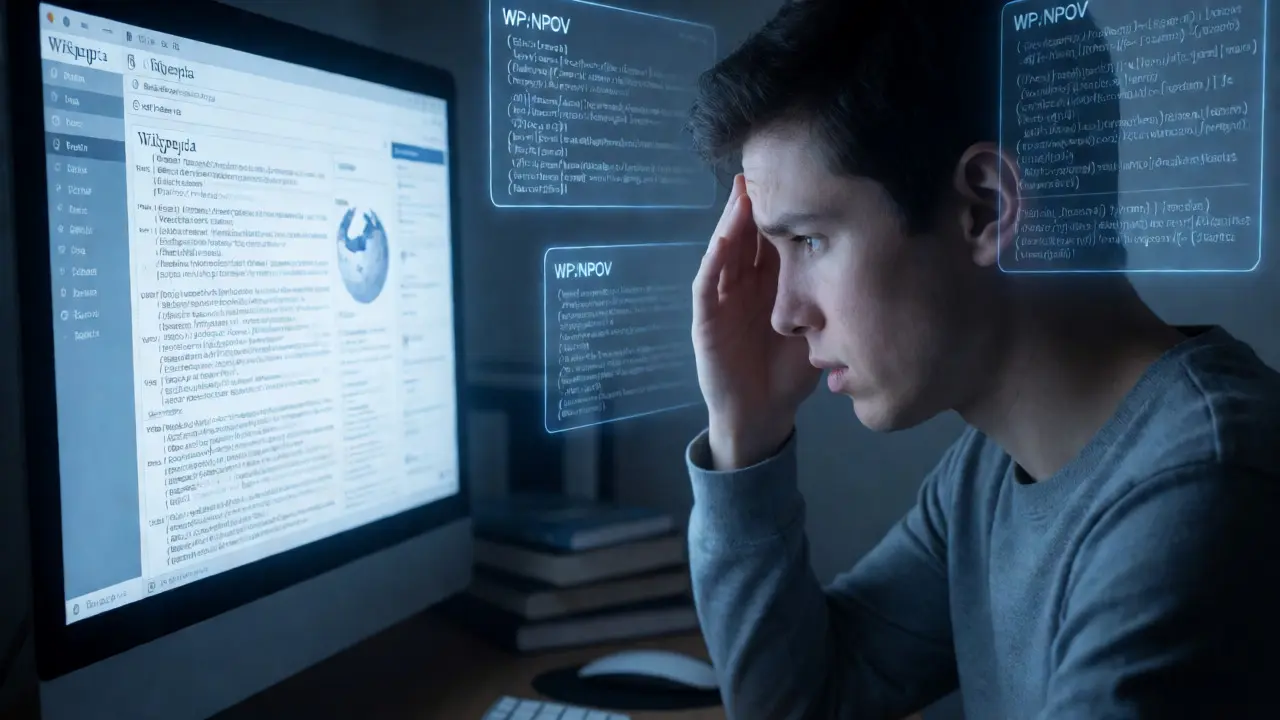
You’ve read a Wikipedia article. You spotted a typo, or maybe you knew a fact that wasn’t there. You thought, "I could fix that." Then you clicked edit. Suddenly, you were staring at a wall of blue links, cryptic abbreviations like WP:NPOV, and a warning about copyright violations before you even typed a word. It’s not just you. The gap between reading Wikipedia and contributing to it is wider than most people realize.
This isn’t just about being shy. There are real, structural hurdles keeping new voices out of the encyclopedia. We’re talking about a specific language barrier, software that feels designed for insiders, and a policy landscape that can feel hostile to newcomers. If you want to understand why editor demographics remain skewed toward tech-savvy males and how to actually break through, keep reading.
The Jargon Wall: Speaking Wiki
Imagine walking into a courtroom and trying to argue your case without knowing what "objection," "sustained," or "hearsay" means. That’s what editing Wikipedia feels like if you don’t speak the lingo. The community has developed its own dialect over two decades. Terms like wikilinks, diffs, and sockpuppets aren’t just slang; they are functional requirements for participation.
New editors often quit because they don’t know where to ask questions. They see a red link (a page that doesn’t exist yet) and think it’s an error, not an invitation. They see a talk page filled with acronyms like COI (Conflict of Interest) and assume they’re in trouble, when really, someone is just flagging a potential bias issue. This linguistic gatekeeping filters out anyone who hasn’t spent time lurking in the forums. It creates an "in-group" feeling that discourages casual contributors from staying long enough to learn the ropes.
Tooling Friction: Why Editing Feels Hard
For years, the default editing interface was raw wikitext. To add a bold word, you had to type two apostrophes on either side. To create a link, you needed double square brackets. For a non-programmer, this looks like code, not writing. While the VisualEditor was introduced to make things easier, it’s not perfect. It sometimes breaks complex templates or fails to load correctly on mobile devices.
Then there’s the citation tool. Adding a reference shouldn’t be rocket science, but on Wikipedia, it involves selecting a template, filling in specific fields like access-date and url, and ensuring the format matches global standards. If you get one field wrong, the bot might tag your edit as "citation needed" later. This technical friction disproportionately affects older users or those less comfortable with digital interfaces. The tool assumes you already know how the machine works, rather than guiding you through the process.
Policies That Feel Like Traps
Wikipedia runs on rules. But these aren’t laws written in stone; they are guidelines interpreted by humans. And human interpretation varies wildly depending on who sees your edit first. Two core concepts trip up almost everyone: Notability and Neutral Point of View.
Notability is tricky because it’s subjective until proven otherwise. You might think your local band is notable because they have fans. But Wikipedia requires significant coverage in reliable, independent sources. If you cite their own website or a press release, an experienced editor will likely delete the article. Newcomers take this personally. They think, "My subject matters!" The system says, "Prove it with third-party journalism." This mismatch in expectations leads to frustration and abandonment.
| Policy Concept | New Editor Expectation | Community Reality |
|---|---|---|
| Notability | If it exists and I care about it, it belongs here. | It needs independent, verifiable sources covering it significantly. |
| NPOV | I can write my opinion if I’m fair. | No original opinions allowed; only report what sources say. |
| Civility | Disagreement is normal debate. | Tone matters; aggressive edits can lead to blocks. |
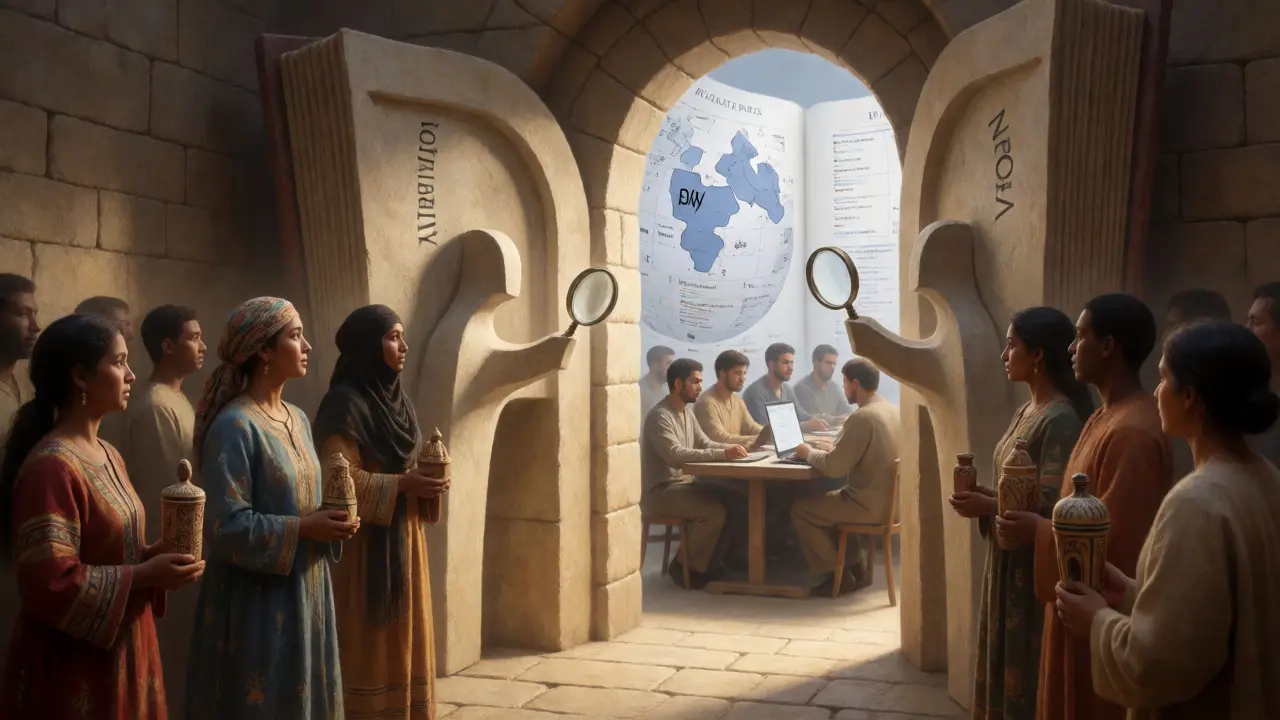
The Demographic Gap
All these barriers-jargon, tools, policies-stack up. Who makes it through? Historically, Wikipedia editors have been predominantly male, Western, and highly educated. A 2018 survey suggested that women made up less than 20% of active editors. Why? Because the environment rewards assertiveness and technical fluency, traits often socialized differently across genders and cultures.
When you combine a steep learning curve with a culture that can be bluntly corrective, you lose diversity. If a new editor from a non-Western background tries to add information about their local history and gets reverted for "not meeting global notability standards," they may decide the platform isn’t for them. The lack of diverse editors then reinforces the bias in content, creating a feedback loop. Fixing the demographics isn’t just about kindness; it’s about accuracy. A homogeneous group of editors misses blind spots.
Bridging the Gap: How to Actually Contribute
So, is it hopeless? No. The Wikimedia Foundation and volunteer groups are actively working to lower these barriers. Here’s how you can navigate the current landscape without losing your mind:
- Start Small: Don’t try to write a new article on day one. Fix typos. Add a missing citation. These low-stakes edits let you learn the interface without risking a revert.
- Use the Sandbox: Every user has a personal sandbox page. Draft your article there. Test formatting. Get feedback before publishing to the main space.
- Leverage the Help Desk: Don’t guess. If you’re unsure about a policy, ask at the Teahouse (a help desk specifically for newbies). Experienced mentors hang out there and answer questions patiently.
- Learn One Policy at a Time: Ignore the massive rulebook. Focus on Verifiability. If you can back it up with a source, you’re usually safe.
Technology is also helping. Mobile apps now allow simpler edits. AI-assisted tools can suggest citations. But the human element remains crucial. The best way to overcome the barrier is to find a mentor. Many wiki projects offer adoption programs where a veteran editor guides a newcomer through their first ten edits.
Why do so many new Wikipedia editors stop after one edit?
Most abandon their efforts due to negative experiences, such as having their work reverted quickly without explanation, confusion over complex policies like Notability, or feeling overwhelmed by the technical interface. The combination of high effort and low immediate reward leads to burnout.
What is the biggest technical barrier for new editors?
While the VisualEditor has helped, understanding wikitext syntax and citation templates remains a major hurdle. Many users struggle to format references correctly, leading to tags that mark their contributions as incomplete or incorrect.
Does Wikipedia's jargon really discourage new users?
Yes. Terms like NPOV, COI, and sockpuppet create an insider-outsider dynamic. Newcomers often feel intimidated by the perceived need to master this vocabulary before participating, which slows down integration and increases dropout rates.
How does policy enforcement affect editor demographics?
Strict enforcement of policies like Notability can disadvantage subjects from marginalized communities or regions with less media coverage. This can deter editors from these backgrounds, reinforcing the existing demographic skew toward Western, English-speaking contributors.
Are there resources to help beginners avoid common mistakes?
Yes, the Wikipedia Teahouse is a dedicated support area for new editors. Additionally, online tutorials and the "Wikipedia Adventure Game" provide interactive ways to learn editing basics without the pressure of live public scrutiny.