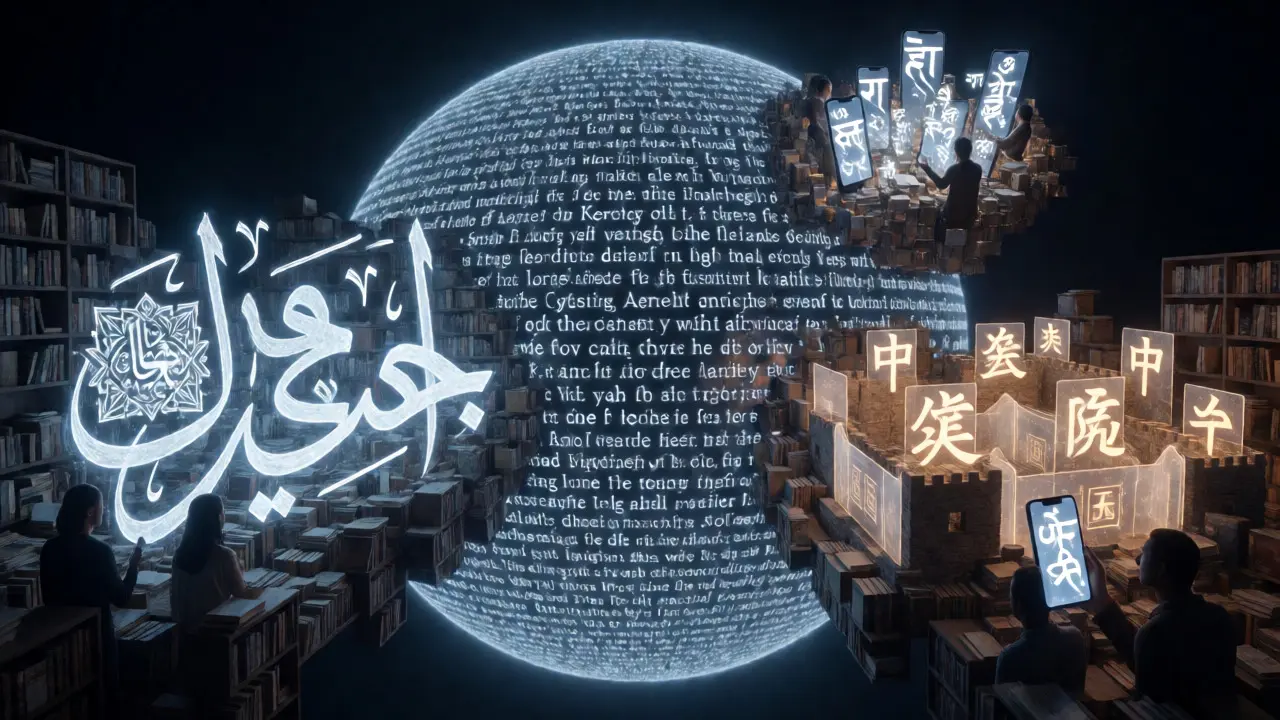
Most people think of Wikipedia as a single English-language giant. But the reality is far more fragmented and fascinating. The encyclopedia exists in over 300 languages, yet the gap between them is massive. While the English version boasts millions of articles, many major world languages are still fighting for basic coverage. If you speak Arabic, Mandarin, or Hindi, your experience of this free knowledge base looks completely different from someone reading in Swedish or Dutch.
This isn't just about translation errors or missing pages. It’s about how culture, technology access, and government policies shape what we know-and what we don’t. Let’s look at three of the most significant non-English editions: Arabic Wikipedia, Chinese Wikipedia, and Hindi Wikipedia. We’ll break down their current state, why they grow at different speeds, and what that means for the future of open knowledge.
The Scale of Non-English Knowledge
To understand these three editions, you first need to grasp the baseline. As of mid-2026, the English Wikipedia holds roughly 6.8 million articles. That sounds huge until you realize it represents only about 10% of the total global article count across all language versions combined. The other 90%? Scattered across hundreds of smaller wikis.
Here’s where things get interesting. Arabic, Chinese, and Hindi aren’t small languages. They have hundreds of millions of speakers each. Yet, their Wikipedia editions hold a fraction of the content found in European languages like German or French. Why? It’s not because there’s less knowledge to share. It’s because building an encyclopedia requires specific infrastructure, volunteer time, and digital literacy levels that vary wildly by region.
| Language Edition | Approx. Article Count | Active Editors (Monthly) | Primary Challenge |
|---|---|---|---|
| Arabic Wikipedia | 1.3 million | ~4,500 | Script standardization & regional dialects |
| Chinese Wikipedia | 1.4 million | ~7,200 | Access restrictions & political sensitivity |
| Hindi Wikipedia | 165,000 | ~1,800 | Lack of technical tools & script complexity |
Notice the disparity. Chinese and Arabic have crossed the million-article mark. Hindi hasn’t even hit 200,000 despite having nearly 600 million native speakers. This mismatch between speaker population and content volume is one of the biggest gaps in the Wikimedia movement today.
Arabic Wikipedia: Bridging Dialects and Politics
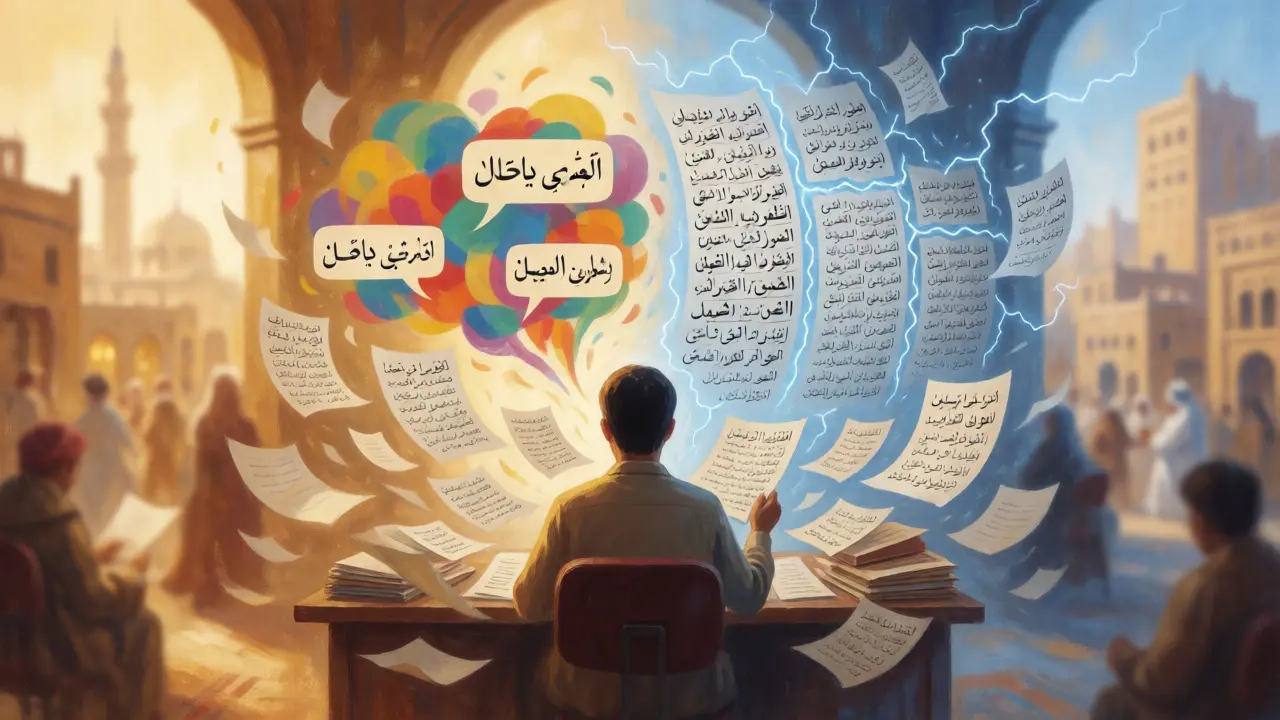
The Arabic Wikipedia faces a unique linguistic hurdle: diglossia. Modern Standard Arabic (MSA) is used for writing, news, and formal education. But nobody speaks MSA at home. People speak Egyptian, Levantine, Gulf, or Maghrebi dialects. When editors write articles, they often struggle to keep the tone neutral and accessible for readers across the Arab world.
Growth here has been steady but slow. In 2020, it had around 1 million articles. By 2026, it reached 1.3 million. That’s a 30% increase in six years. Compare that to the Vietnamese Wikipedia, which grew faster due to aggressive community outreach programs. The Arabic edition lacks that kind of coordinated push.
Then there’s the political factor. Topics related to religion, monarchy, or regional conflicts often trigger edit wars. Editors from Saudi Arabia might frame a historical event differently than those from Iraq or Morocco. These aren’t just minor disagreements; they can freeze entire categories of articles for months while users debate neutrality. Unlike English Wikipedia, where consensus rules usually prevail quickly, Arabic discussions can drag on because cultural norms around authority and respect influence how arguments are made.
Still, there’s hope. Mobile usage in the MENA region has skyrocketed. Most young Arabs access information via smartphones. The Wikimedia Foundation has responded by optimizing mobile interfaces for RTL (right-to-left) scripts. This simple technical fix increased page views by 40% in some countries. When the tool works better, people use it more. And when they use it, they’re more likely to contribute.
Chinese Wikipedia: Navigating Firewalls and Fandom
If Arabic Wikipedia fights dialects, Chinese Wikipedia fights firewalls. For years, mainland China blocked access to Wikipedia entirely. Users needed VPNs just to read it. This created a weird dynamic: the largest Chinese-speaking audience couldn’t easily contribute. Most active editors came from Taiwan, Hong Kong, or overseas Chinese communities.
That changed slightly with relaxed regulations in certain sectors, but full open access remains elusive. Despite this, the Chinese edition is robust. With 1.4 million articles, it’s one of the top ten largest wikis globally. How did it survive isolation? Community resilience. Chinese netizens are incredibly tech-savvy. They developed workarounds, mirrored sites, and dedicated forums to discuss editing standards without relying solely on the central platform.
Content-wise, the Chinese Wikipedia excels in pop culture and local history. You’ll find detailed entries on K-pop stars, domestic TV dramas, and obscure dynastic figures that English Wikipedia barely mentions. But scientific content lags behind. Many researchers prefer citing academic journals directly rather than updating wiki pages, viewing the encyclopedia as too informal for serious scholarship.
A major trend in recent years is the rise of simplified vs. traditional character debates. While the software handles both, editorial preferences split along geographic lines. This fragmentation sometimes duplicates effort, with separate groups maintaining similar topics in different scripts. Solving this requires better cross-script linking tools-a priority for developers working on the MediaWiki engine.
Hindi Wikipedia: The Potential Giant Sleeping
Hindi presents the starkest contrast. India has the second-largest internet user base in the world. Hindi is spoken by more people than any language except Mandarin. Yet, the Hindi Wikipedia has only about 165,000 articles. That’s less than the Czech or Hungarian wikis, which serve populations a tenth the size.
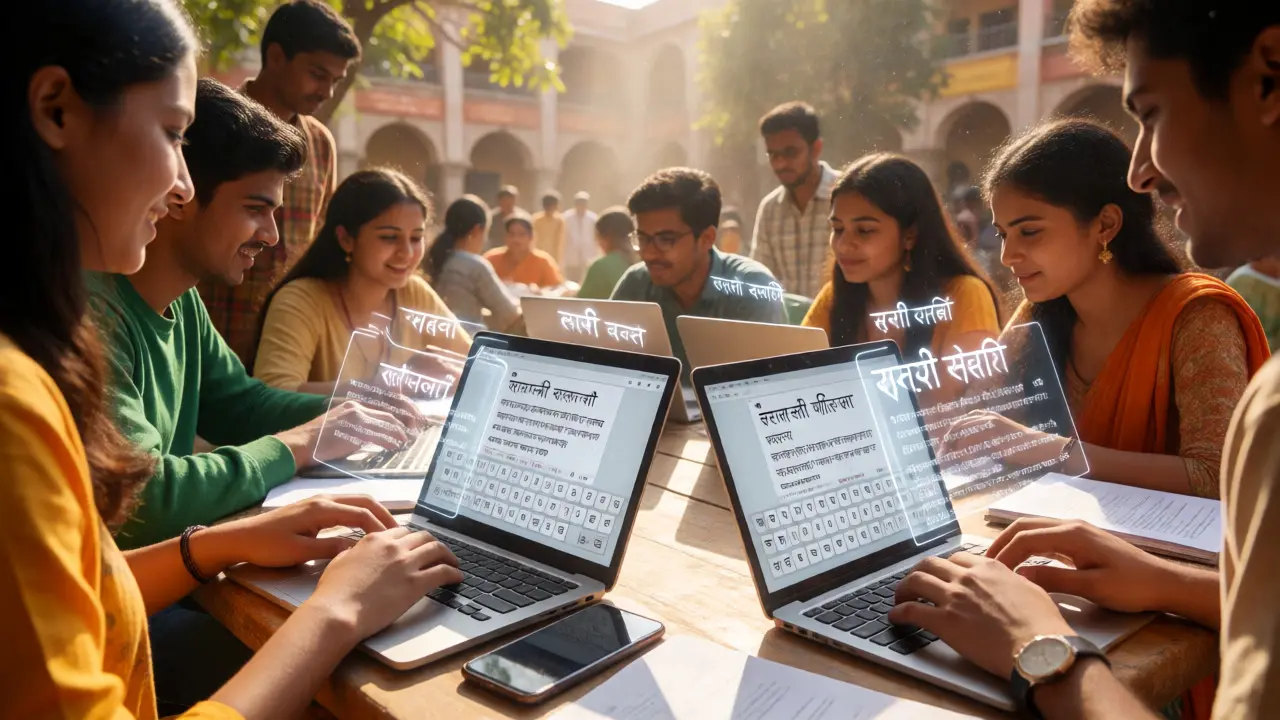
Why so low? Two main reasons: technical barriers and educational habits. Writing in Devanagari script on standard keyboards isn’t intuitive for everyone. While transliteration tools exist, they’re clunky. Editing feels slower compared to typing in Latin script. Plus, Indian students are trained to consume textbooks, not create collaborative knowledge bases. Contributing to Wikipedia isn’t seen as a valuable academic exercise in most schools.
However, change is coming. Jio’s cheap data plans revolutionized internet access in rural India. Suddenly, millions of first-time internet users encountered Wikipedia. Some started reading. Fewer started writing. But the pipeline is forming. Local NGOs now run "edit-a-thons" in universities, teaching students how to cite sources and format pages. These events yield immediate results-sometimes adding 500+ articles in a weekend.
Another bottleneck is funding. Most grants go to larger, established wikis. Small projects like Hindi struggle to hire paid staff for moderation or development. Without professional support, volunteer burnout sets in fast. One experienced editor can do the work of twenty novices, but if that person quits, progress stalls for months.
Common Threads: What Drives Growth?
Looking across these three cases, clear patterns emerge. Growth isn’t just about population size. It’s about ecosystem health. Successful language editions share three traits:
- Digital Infrastructure: Easy access matters. If users need a VPN or expensive data plan, contribution rates drop. Mobile-first design boosts engagement significantly.
- Community Culture: Friendly onboarding helps. Harsh criticism drives away newbies. Wikis with mentorship programs retain editors longer.
- Institutional Support: Partnerships with libraries, universities, or governments provide credibility and resources. Projects like GLAM (Galleries, Libraries, Archives, Museums) help digitize content for upload.
Conversely, failure stems from neglect. When no one maintains the interface, bugs pile up. When elders dismiss youth contributions, energy fades. When political interference censors content, trust erodes.
Consider the difference between Arabic and Hindi growth strategies. Arabic benefited from early adoption among educated elites who already used computers professionally. Hindi relies on mass-market mobile users who may lack prior digital publishing experience. Each requires tailored approaches. You can’t apply the same playbook everywhere.
The Future of Multilingual Wiki
Where does this leave us? By 2030, AI translation tools will likely close the quality gap for basic articles. Machine learning can translate stubs from English into Hindi or Arabic instantly. But human nuance-context, humor, cultural references-still needs manual review. So while quantity may explode, quality control becomes the new bottleneck.
We should expect consolidation too. Smaller wikis might merge features or share templates to reduce maintenance costs. Larger ones like Chinese and Arabic will focus on depth over breadth, refining existing content rather than chasing raw numbers.
For readers, this means diversity increases. You’ll find more perspectives on global issues written from local viewpoints. No longer will "world history" mean "Western history." Instead, you’ll see parallel narratives shaped by regional priorities. That’s the real promise of multilingual Wikipedia: not just more words, but more worlds.
If you want to help, start small. Check your native language edition. Find a broken link or a missing citation. Fix it. You don’t need to be an expert. Just being curious helps build the library for everyone else.
Which non-English Wikipedia edition is the largest?
As of 2026, the Chinese Wikipedia is generally considered the largest non-English edition by article count, followed closely by the Arabic Wikipedia. However, rankings fluctuate monthly based on automated bot contributions versus human edits.
Is Wikipedia blocked in China?
Yes, Wikipedia has been largely inaccessible in mainland China since 2019, requiring users to employ Virtual Private Networks (VPNs) to view or edit content. This restriction significantly impacts the number of active contributors from within the country.
Why is the Hindi Wikipedia smaller than European ones?
Despite having hundreds of millions of speakers, the Hindi Wikipedia lags due to lower digital literacy rates regarding collaborative editing, technical difficulties with Devanagari script input, and a lack of institutional support compared to older European editions.
Do Arabic Wikipedia editors use dialects?
Primarily, no. Articles are written in Modern Standard Arabic (MSA) to ensure readability across all Arab countries. However, editors often debate terminology, and some niche articles may include dialectal explanations or transliterations for clarity.
How does mobile usage affect Wikipedia growth?
Mobile usage drives consumption but hinders creation. Reading on phones is easy, but editing complex tables or citations is difficult on small screens. Improved mobile editing tools are crucial for boosting contributor numbers in regions like India and the Middle East.